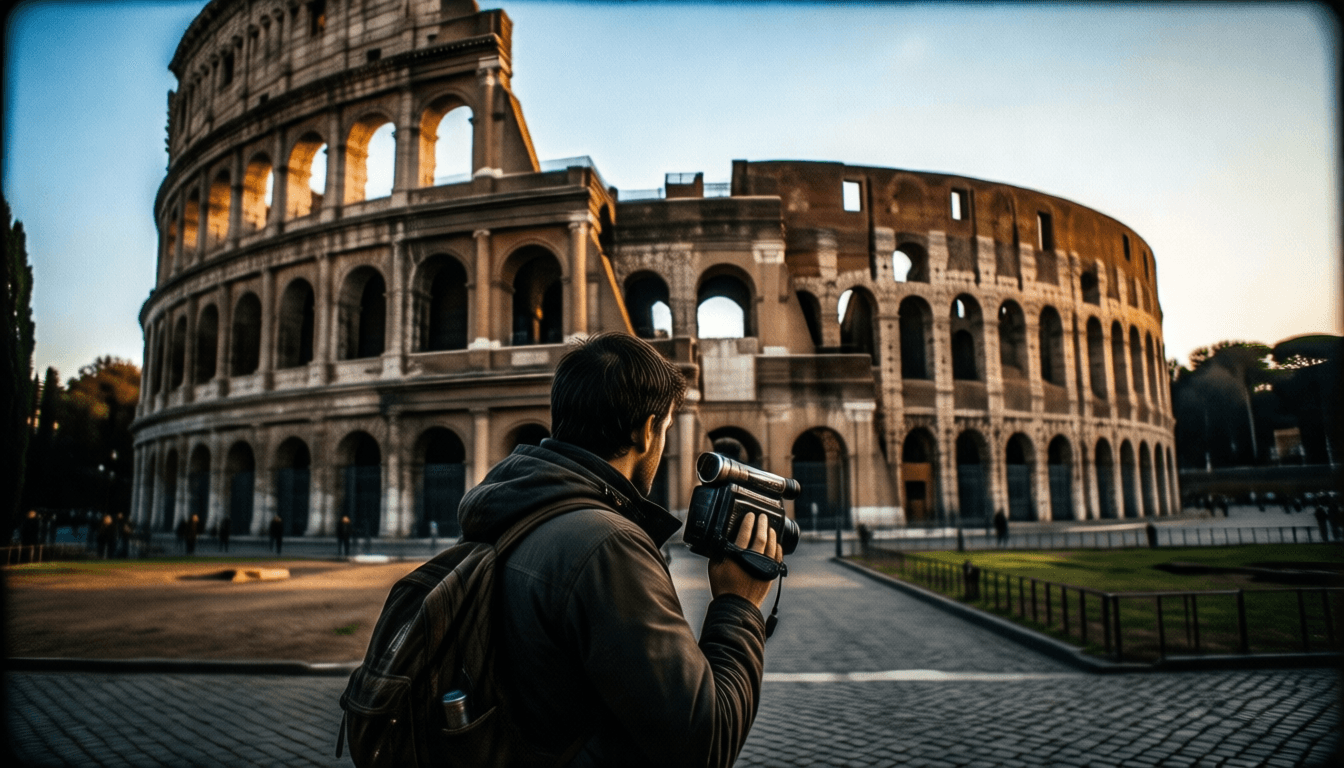
Whispers of the Colosseum: Mystery of Blood and Souls
The colossal shadow of the Flavian Amphitheatre, the Colosseum, still dominates the Roman skyline. It is more than a mere ruin; it's a timeless monument, a silent witness that has endured the tempests of an era both magnificent and brutal. Standing within its half-ruined grandeur today, the bustle of the modern city fades, replaced by an unsettling silence. Yet, this silence is deceptive. For centuries, this arena throbbed with the immense roar of 50,000 spectators—a pandemonium of life and death, of spectacle on a scale almost beyond our comprehension. The audacity of its construction, the unprecedented scale of its events, and the profound power it wielded over a civilization suggest a deeper mystery beyond mere architecture.
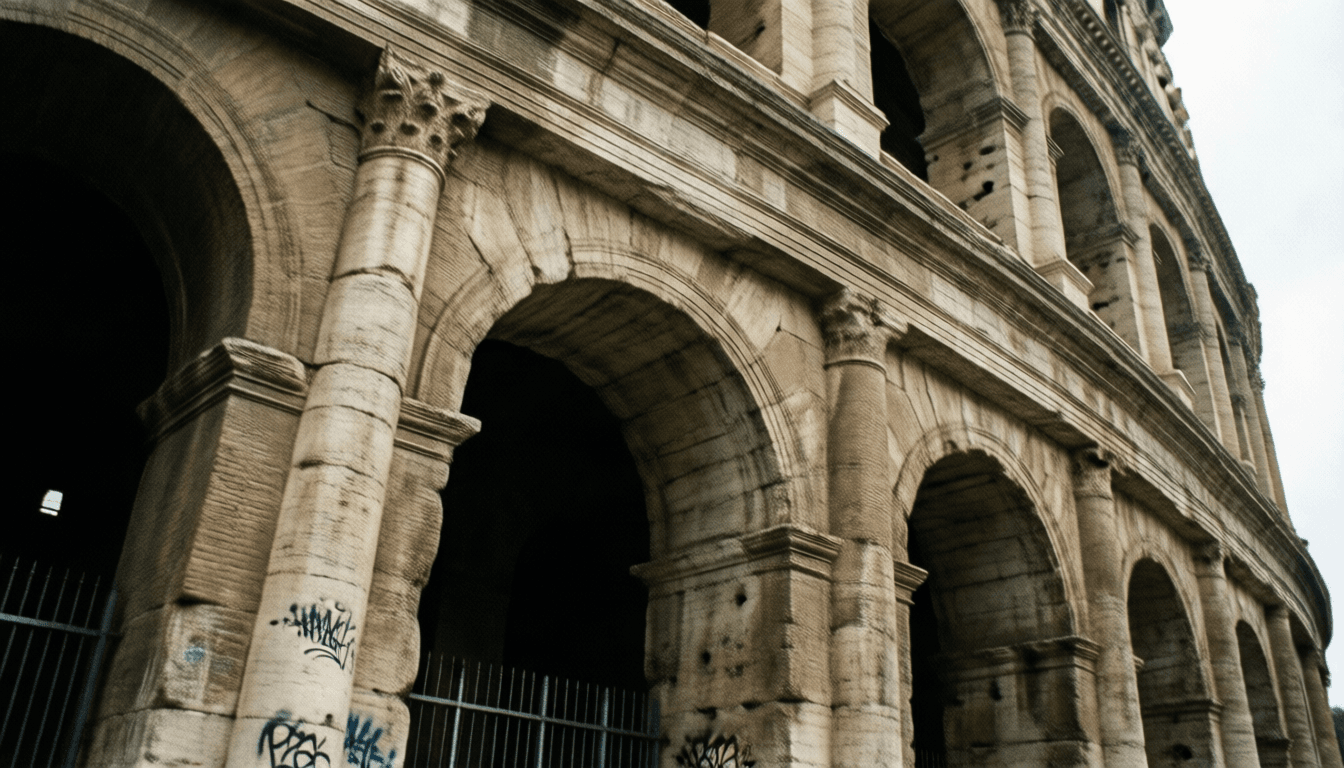
To truly understand the Colosseum is to embark on an archaeological and historical journey, delving into the prodigious engineering genius and complex psychology of ancient Rome. Our exploration begins at its foundations. Built on the site of Emperor Nero's infamous 'Domus Aurea' (Golden House), this massive structure was an engineering feat unprecedented for its time. Gigantic concrete foundations, an underground drainage system, and the ingenious use of travertine and tuff stone were essential. Eighty arched entrances, designed for the rapid ingress and egress of tens of thousands of spectators, boast elegant symmetry. Descending beneath, we uncover the intricate subterranean labyrinth, the Hypogeum, where gladiators awaited their fate, exotic animals were caged, and elaborate stage machinery was managed—all poised to emerge into the sunlit arena in mere minutes. The complexity of the spectacles documented in historical records—naval battles recreated by flooding the arena, elaborate hunts involving thousands of animals, and gladiatorial contests lasting for days—defies modern imagination.
While archaeological research meticulously documents the Colosseum's structure and historical texts detail its spectacles, a profound enigma persists. How could an empire conceive of, and sustain, such an apparatus of organized death and grand entertainment for over four centuries? The economic investment in gladiators, animals imported from distant lands, and the specialized personnel for daily operations was astronomical. Beyond the financial aspect, the cultural acceptance of these violent contests as central to Roman public life presents a vast chasm separating their world from ours. What psychological or societal mechanisms allowed an entire civilization to find meaning, camaraderie, and even spiritual catharsis in such brutal displays? Historians have proposed imperial propaganda, social control, and the Roman concept of 'virtus'—courage in the face of death—but no single explanation fully accounts for the enduring, almost primal, appeal this arena held for the Romans. The Colosseum was more than an arena; it was a societal crucible.
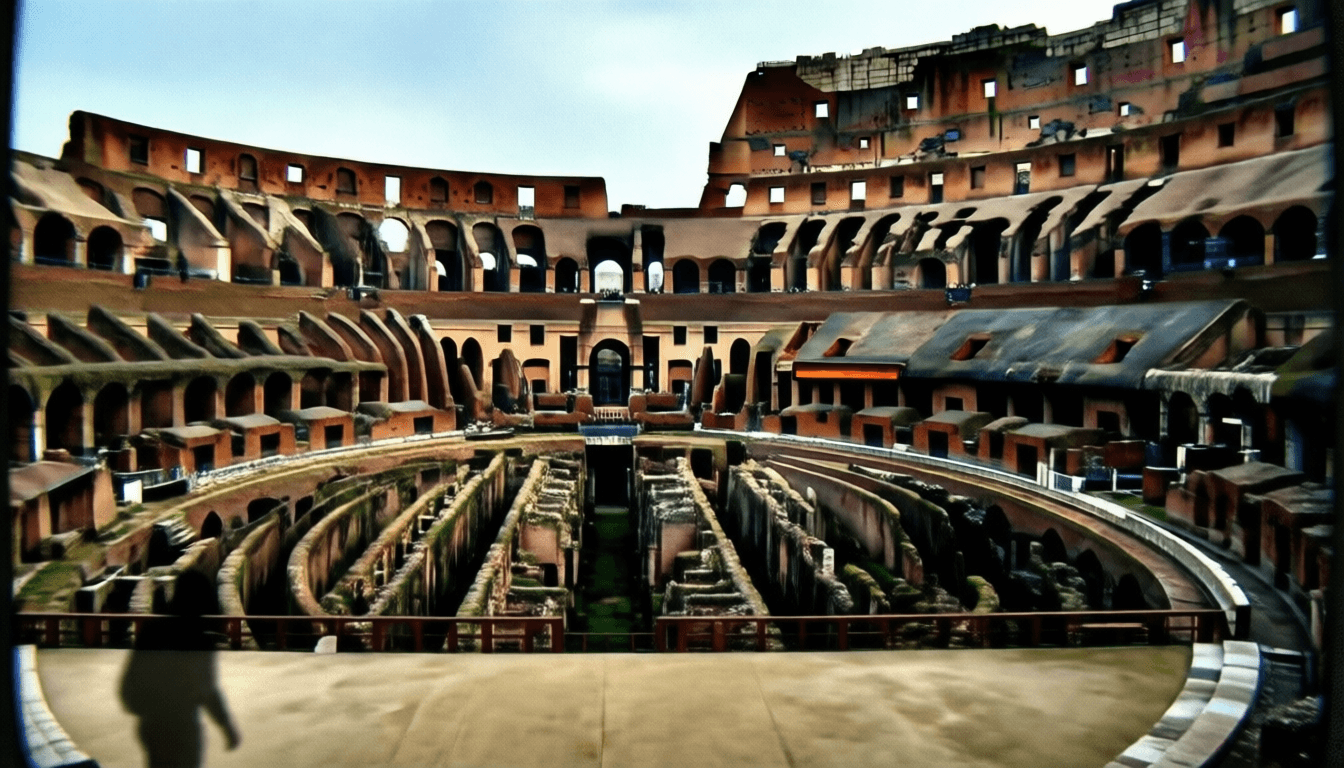
Perhaps the most captivating, and arguably most inexplicable, aspect of the Colosseum lies not in its stones but in its soul: the collective experience of 50,000 Romans bound together by the spectacle of life and death. The true paradox is the psychological dominion this monumental stage exercised, transforming mere entertainment into a profound, almost ritualistic, affirmation of Roman identity. Imagine the sensory overload: the smell of blood, sweat, and dust, the sun, the roar echoing across the entire city, a unified voice expressing terror and ecstasy simultaneously. How did this fusion of extreme emotion and meticulously choreographed violence become a central pillar of Roman public life? It was more than just watching a fight; it was participating in a civic drama where human life was expendable, yet courage and dignity in the face of death were worshipped. This shared experience, repeated thousands of times, shaped the empire's power, Roman values, and a collective consciousness of existential uncertainty. The Colosseum was a mirror reflecting humanity's darkest impulses and staunchest spirits, all played out on the grandest stage imaginable.
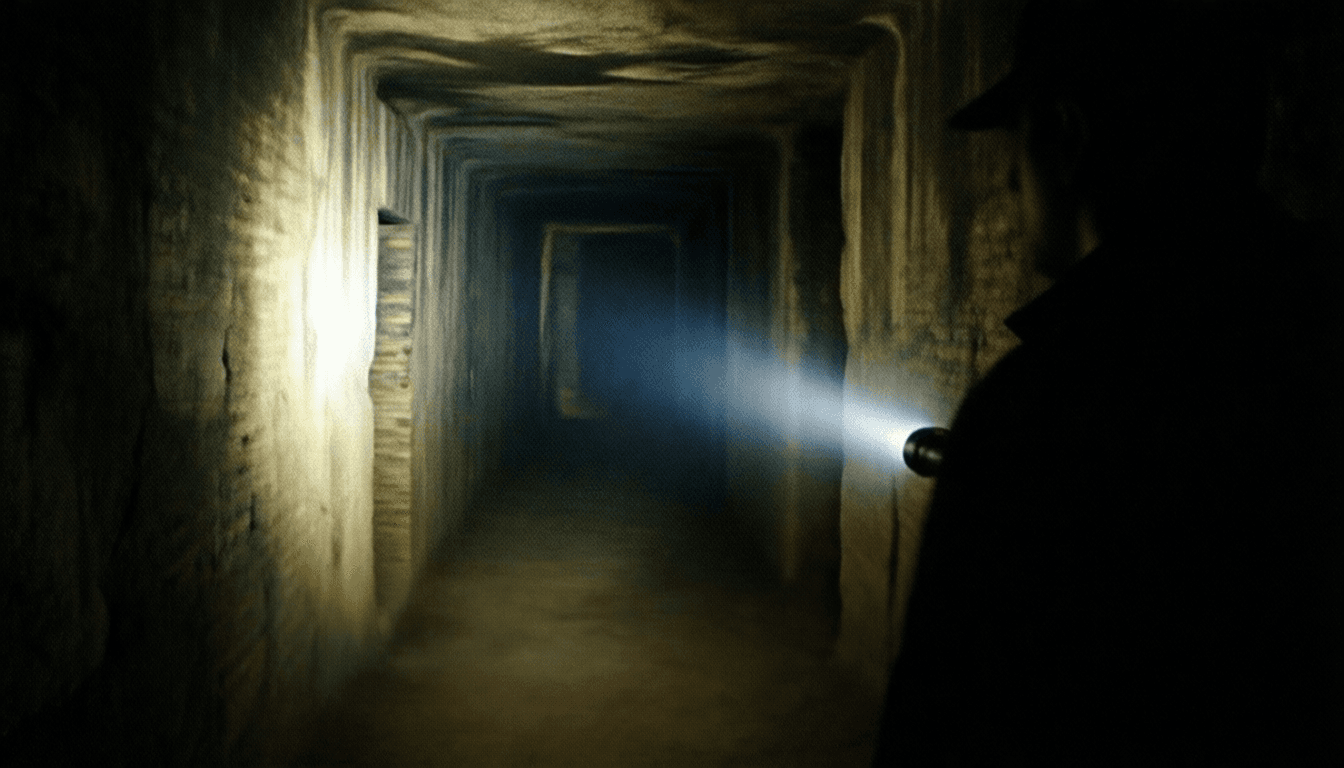
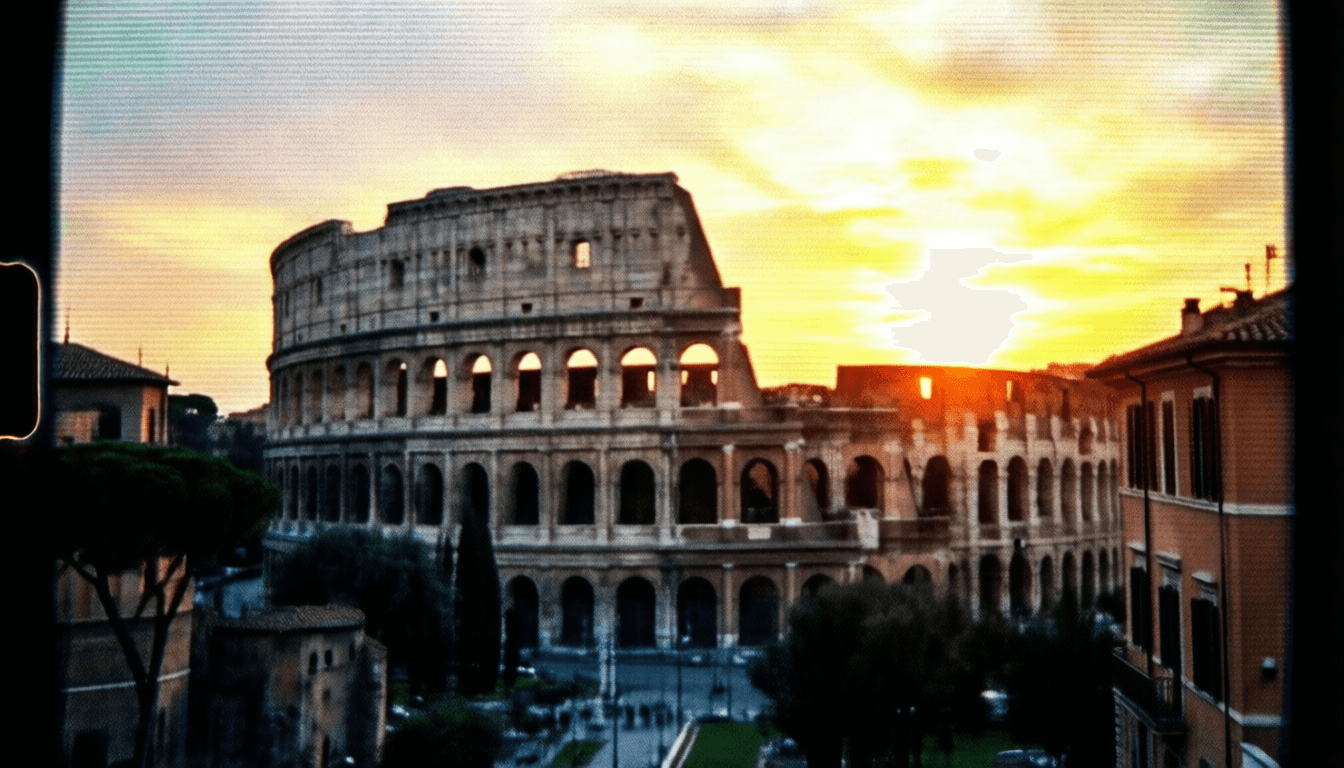
Today, the Colosseum stands as a monumental skeleton, yet its power is undiminished. The echoes of the past are not merely auditory but philosophical. As the sun sets and long shadows stretch through its broken arches, one cannot help but ponder the primal human needs this structure fulfilled, and what it tells us about spectacle, power, and the extreme allure of human nature. The exact mechanisms by which Rome sustained this colossal engine of life and death, and the psychological resonance it held for its citizens, are partly obscured by the sands of time. The Colosseum remains not only a testament to Roman ingenuity but a silent, awe-inspiring question mark, reminding us that despite all progress, a profound, unsolved mystery still resonates from parts of past civilizations and deep within the human heart.
[ CLASSIFIED VERDICT ]
[ACCESS LOG - SOURCE FILE]
The Colosseum stands as a monument to ancient Rome's most magnificent yet brutal spectacles. Beyond the gladiatorial contests and cruel animal hunts that captivated 50,000 spectators, lies a profound mystery: how a civilization sustained organized violence as entertainment for centuries, revealing the darker aspects of human nature. This story explores the psychological dominance and primal allure the Colosseum exerted over Roman society, transcending its role as a mere arena.