Timbuktu: The Mystery of Forgotten Wisdom in the Desert
For centuries, Timbuktu existed like a cartographer's whisper, a distant, almost mythical geopolitical designation on the very edge of imagination. European maps of Africa often depicted it as a mirage, a legendary city brimming with unknown gold, encircled by swirling sands, luring explorers deeper into the scorching Sahara.
Yet, Timbuktu was no myth. It was, and profoundly remains, real. An impossibly situated nexus of wealth and intellect in one of the planet's most extreme environments, its very existence remains one of history's most compelling enigmas. A name once synonymous with the world's furthest ends now evokes an even greater mystery: How could a city built of mud, reliant on such precarious trade routes, become the vibrant heart of a sophisticated intellectual empire? Its treasures were not merely gold, but libraries of knowledge vast enough to rewrite the narrative of human history.
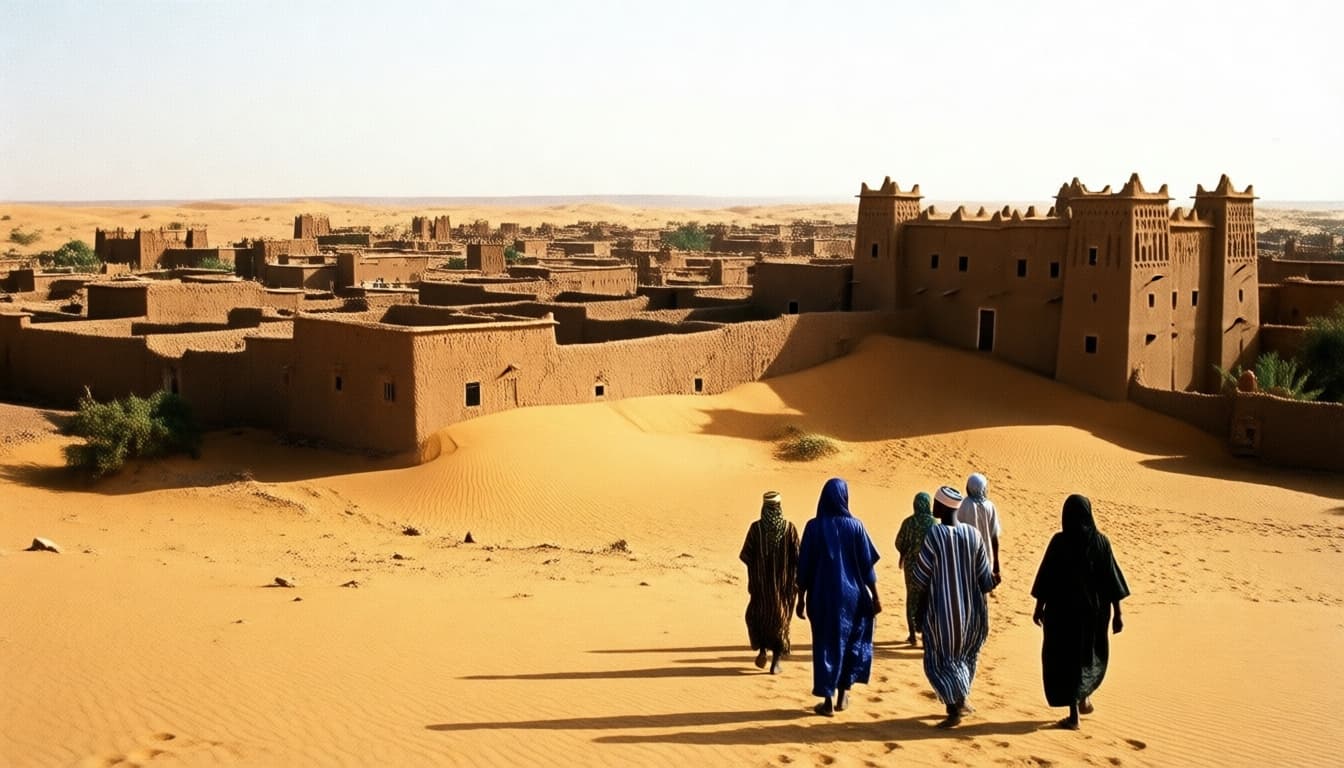
Today, a journey to Timbuktu reveals a stark yet breathtaking reality. Situated on the edge of the Sahara, just a few kilometers north of the Niger River's great bend, the city appears almost impossibly fragile against the constantly encroaching dunes. Iconic structures like the Djinguereber, Sankore, and Sidi Yahya mosques rise like ancient, sand-colored fortresses, their distinctive mud-brick minarets scraping against the endless blue sky.
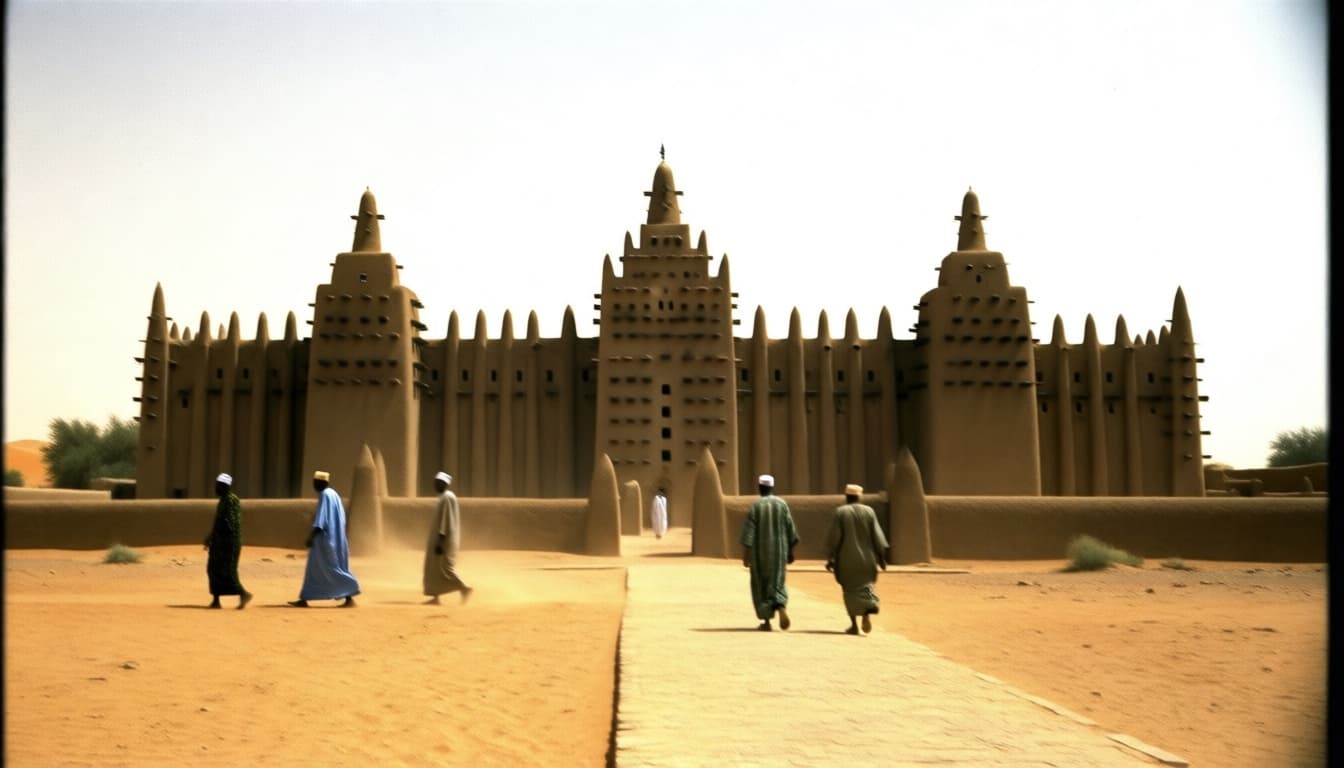
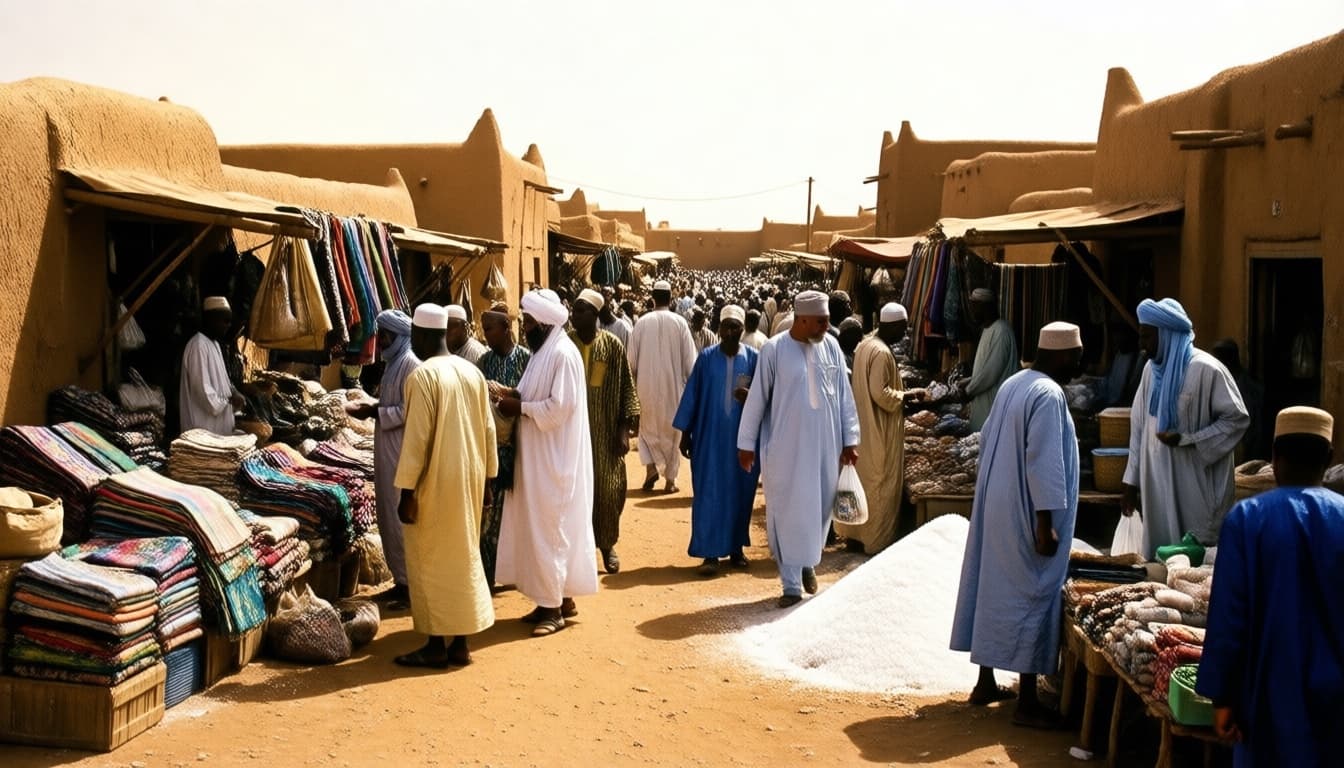
These are not merely places of worship; they are enduring monuments to a medieval metropolis that served as the pivotal crossroads of trans-Saharan trade from the 13th to the 17th centuries. Caravans carrying salt from the northern mines and gold from the south converged here, generating immense wealth that fueled an explosion of scholarship beyond mere commerce. Thousands of scholars, jurists, astronomers, and historians flocked to its universities, transforming Timbuktu into a beacon of Islamic learning and a center of knowledge unparalleled in much of the contemporary world.
But the physical reality before one's eyes only deepens the enigma: How could a city so dependent on fluctuating climate, shifting political landscapes, and the arduous logistics of desert travel survive and thrive for centuries, supporting a population that at its zenith exceeded 100,000?
Modern science struggles to fully reconcile the scale of Timbuktu’s achievements with the immense practical challenges it faced. The very act of sustaining such a dense urban center, supplying water, food, and building materials in an arid region where the Niger River offered only seasonal respite, demonstrates a level of sophisticated environmental adaptation and social organization that defies easy explanation by modern comprehensive accounts.
Furthermore, the steady intellectual output amidst repeated invasions and environmental shifts suggests a near-miraculous cultural resilience and commitment to knowledge. What forgotten wisdom allowed this fragile bloom of civilization to flourish so vividly in the heart of the wilderness?
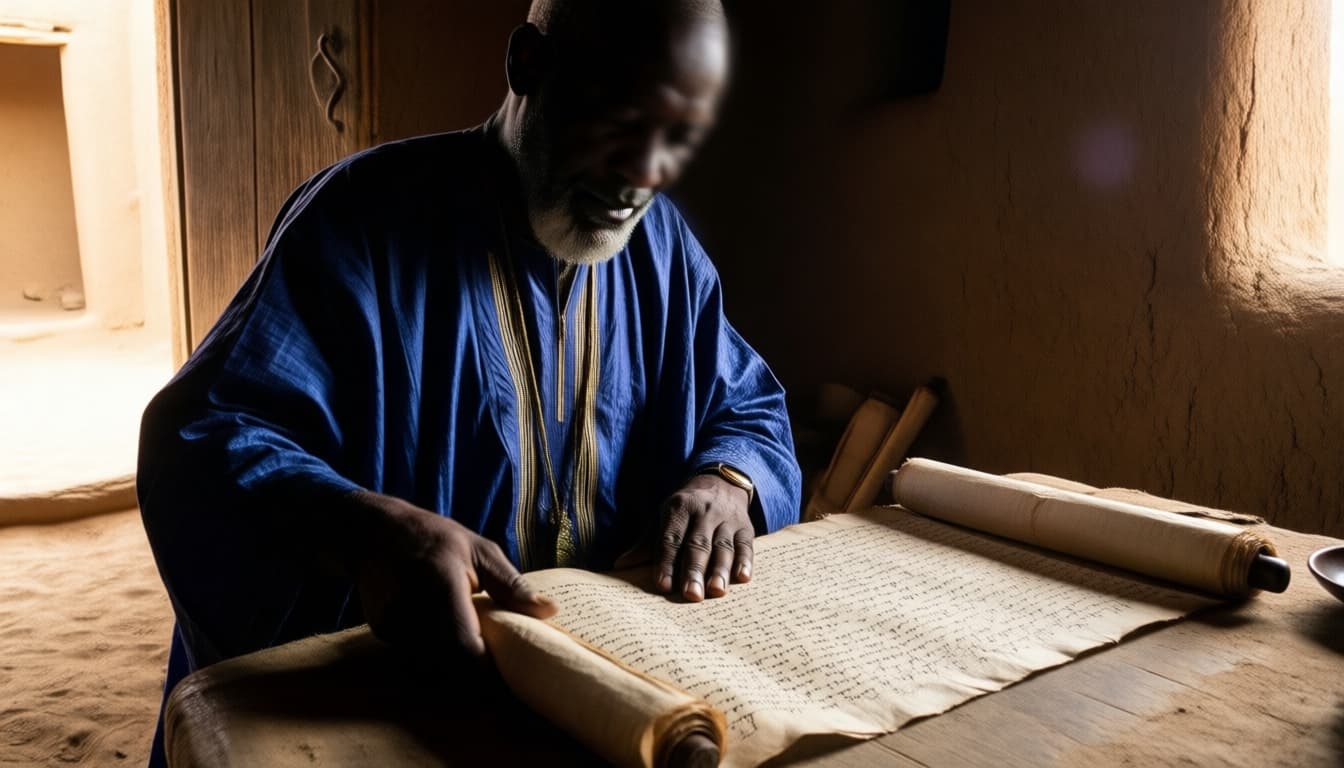
Timbuktu's most profound enigma lies not in its ancient architecture, but in the hundreds of thousands of handwritten manuscripts secretly preserved by families for centuries. Dating back to the 13th century, these documents cover an astonishing array of subjects: astronomy, mathematics, medicine, law, ethics, Sufism, geography, poetry, and philosophy.
Many reveal African scientific and cultural advancements that predated or surpassed contemporary European thought, overturning conventional historical narratives. Their sheer scale is astounding: estimated at between 300,000 and 700,000 documents, a significant portion remains uncatalogued and untranslated, forming a vast, largely unexplored repository of human knowledge.
Meticulously transcribed and preserved in private homes for centuries, often at great personal risk during times of conflict, this enduring intellectual legacy is an unparalleled testament to the human quest for knowledge. It is a silent library in the desert, transcending conventional understandings of historical preservation and intellectual prosperity against impossible odds.
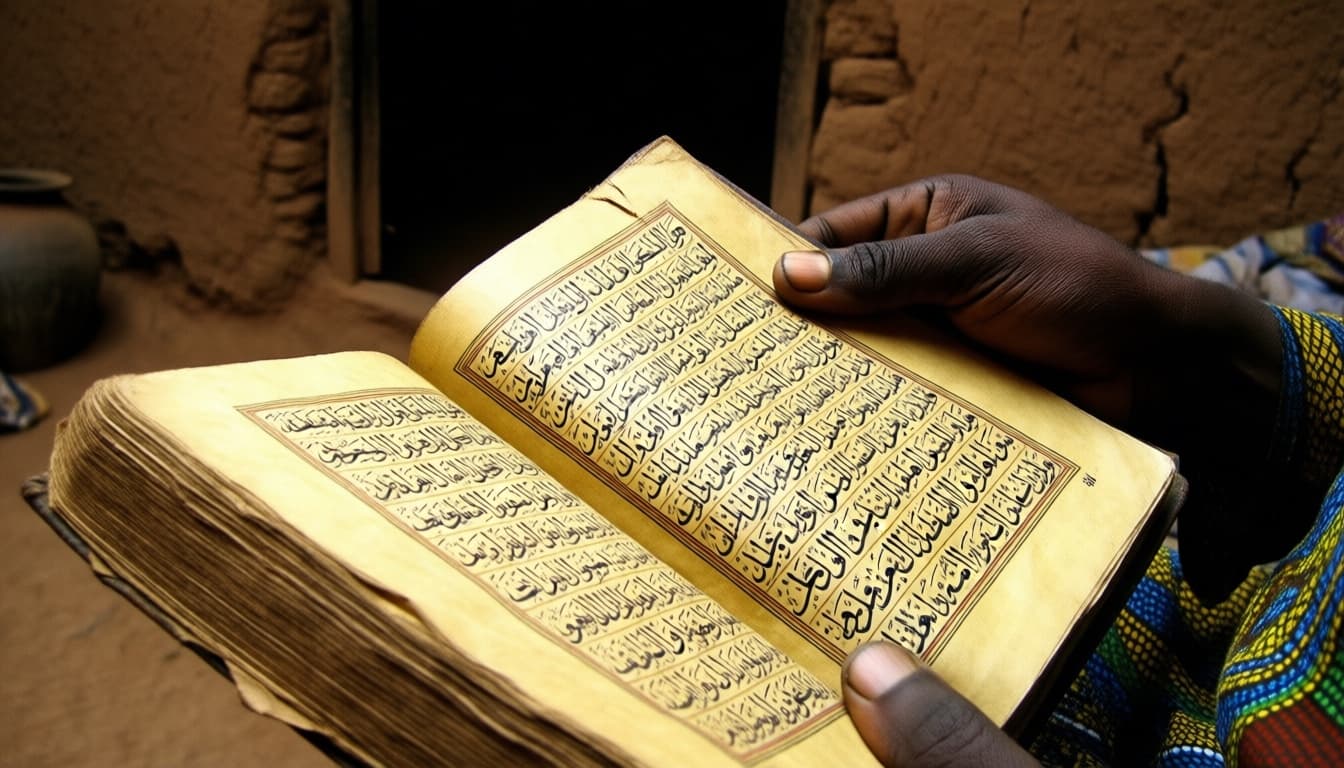
Today, as efforts continue to preserve and digitize Timbuktu's fragile literary heritage, the city still poses a quiet yet powerful challenge to our historical maps. Its golden age of scholarship, far removed from the centers of European power, suggests a global intellectual landscape far richer and more interconnected than often acknowledged.
The documents, whispering across centuries, offer a captivating glimpse into a sophisticated society and profound thinkers whose contributions are only now beginning to be understood. Timbuktu is not merely a historical curiosity but a living enigma—a testament to human ingenuity, an enduring monument to the power of knowledge, and a profound reminder that beneath the sands of time, countless chapters of our shared human history still await excavation.
[ CLASSIFIED VERDICT ]
[ACCESS LOG - SOURCE FILE]
Once depicted on European maps as a mythical city brimming with gold, Timbuktu was in reality a thriving intellectual and trade hub in the heart of the Sahara Desert. This story delves into the "lost city" myth surrounding Timbuktu and the mystery of its astonishing academic legacy, revealed through hundreds of thousands of ancient manuscripts hidden within. It is a place that defied extreme environments to preserve and disseminate knowledge for centuries, holding the potential to rewrite the narrative of human history.