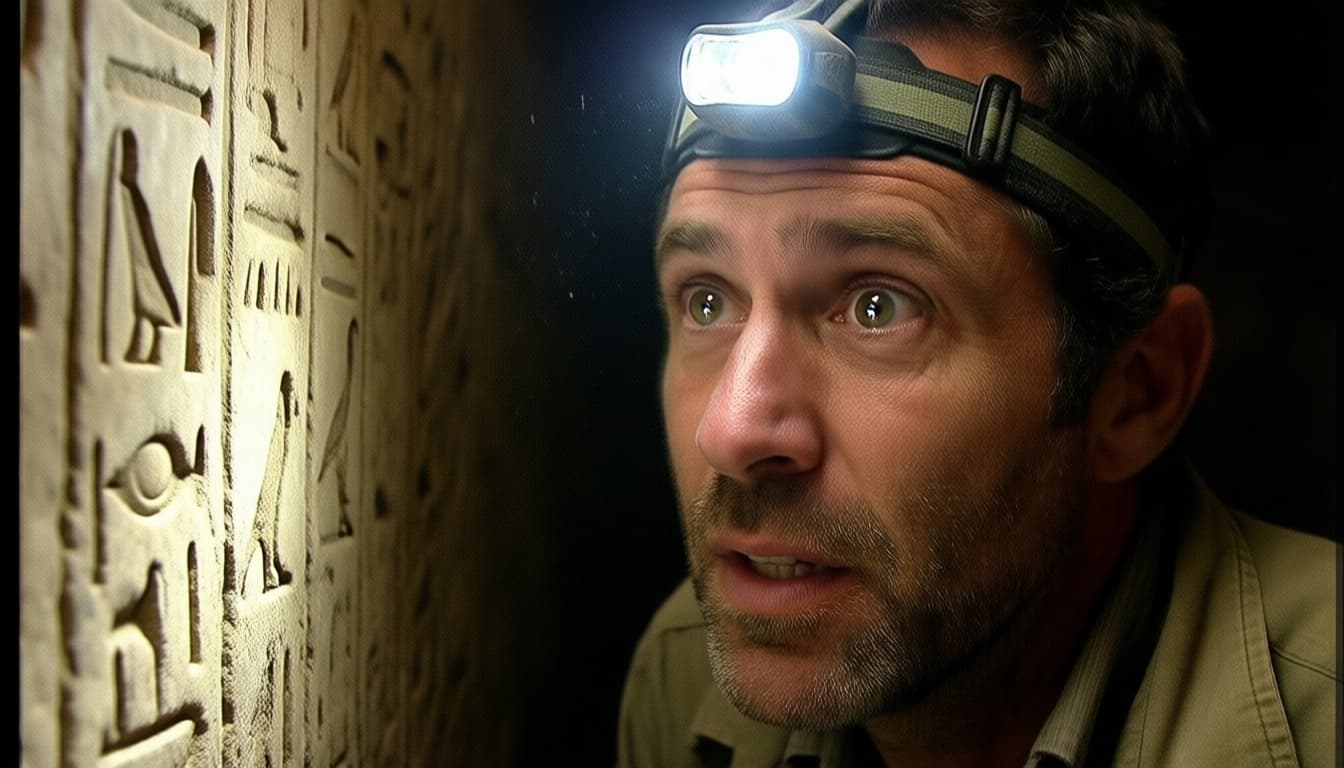
Valley of the Kings: The Lost Pharaohs' Shadow Technology
For millennia, the scorching sands of Thebes' West Bank have held an unparalleled secret of human history. This is the sacred burial ground of ancient Egypt, known as 'The Great Field' – none other than the Valley of the Kings. During the New Kingdom, pharaohs chose subterranean palaces, defying time and tomb-robbers, as their eternal resting places, rather than pyramids. From the late 19th to early 20th centuries, particularly with the dramatic discovery of Tutankhamun's tomb in 1922, the reality of a civilization possessing unimaginable wealth, art, and overwhelming architectural ambition was revealed. Yet, beneath this dazzling legacy lies a fundamental question: How did they accomplish these monumental feats with only the tools and knowledge we are aware of?
The moment one steps into the Valley of the Kings, humanity feels dwarfed by the immense breath of history. Beneath this arid landscape, carved by millennia of floods, over 60 tombs bear witness to the ancient civilization's yearning for immortality.
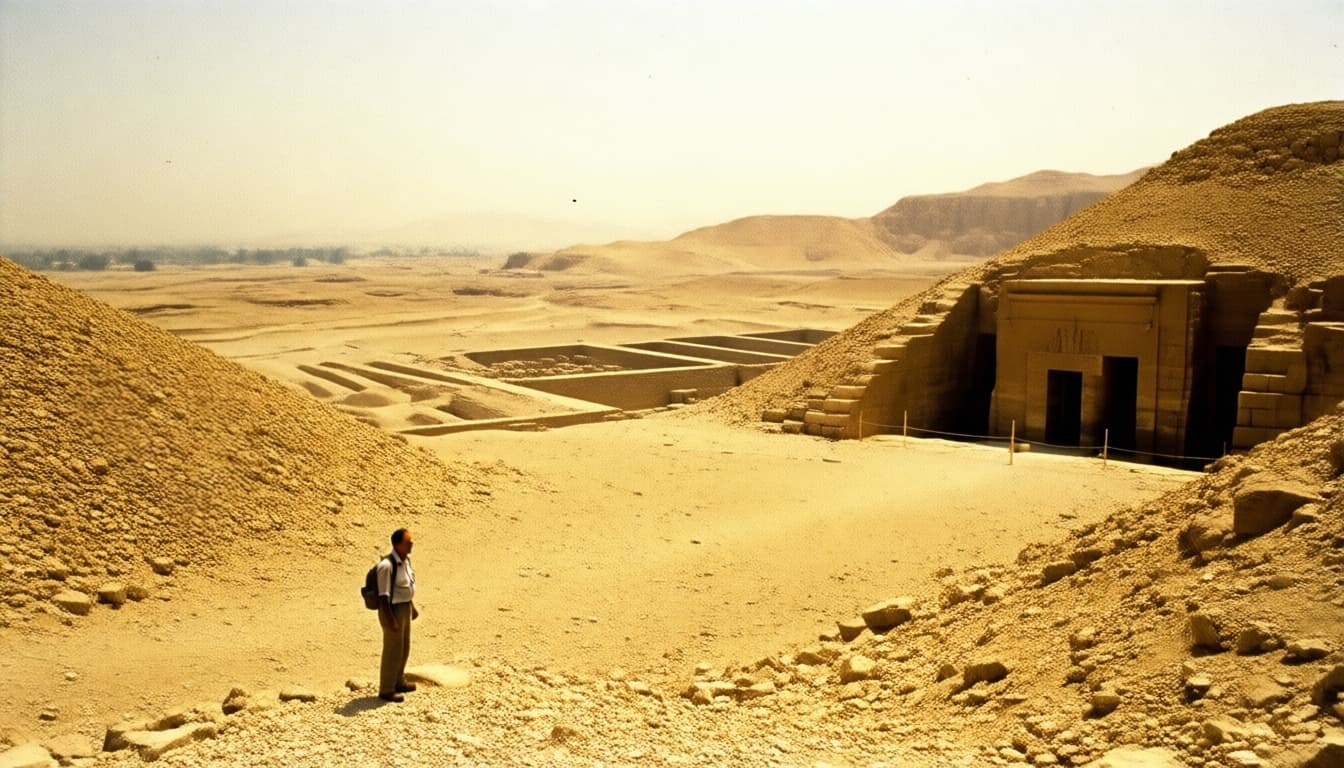
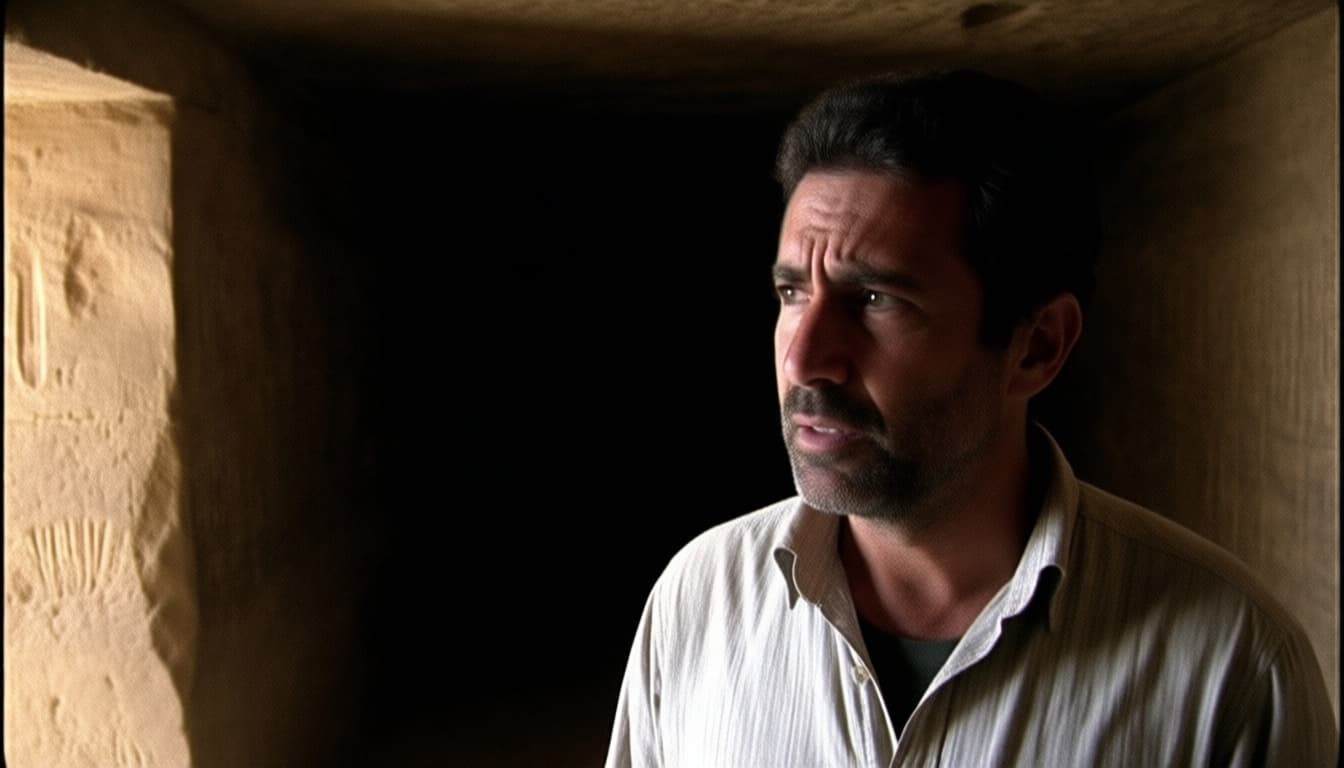
As one descends hundreds of feet down the steps, the sheer scale of the work becomes palpable. Massive stone blocks carved directly from solid bedrock, and corridors stretching for hundreds of meters, lead to various chambers and antechambers. The walls are vividly depicted with gods and goddesses and passages from the 'Book of the Dead', preserving myths and rituals in breathtaking detail. The quiet, cool air carries the earthy scent of ancient dust, evoking deep reverence. Modern surveying has revealed the astonishing precision of these subterranean labyrinths and the geological understanding that allowed them to avoid fault lines.
Reverence soon turns into a persistent question: "How?" We know that ancient Egyptians used copper and bronze tools, diorite hammers, and flint blades. However, the precision of cuts found deep within the tombs, the smooth surfaces of vast corridors, and their perfect right angles defy conventional explanation. The methods for crafting sarcophagi from hard stones like diorite and granite remain in the realm of theory. While simple drilling and carving can be replicated, the industrial scale required to excavate thousands of cubic meters of solid rock for each tomb is a mystery, largely due to the near absence of massive waste piles or evidence of large-scale industrial facilities nearby. The consistency of work across centuries further perplexes, suggesting advanced engineering knowledge that left little trace in the archaeological record.
The most profound enigma extends beyond excavation to the artistic excellence displayed deep underground, devoid of any light. Hieroglyphs and intricate scenes of divine judgment cover every surface, maintaining their vibrant colors for over three millennia.
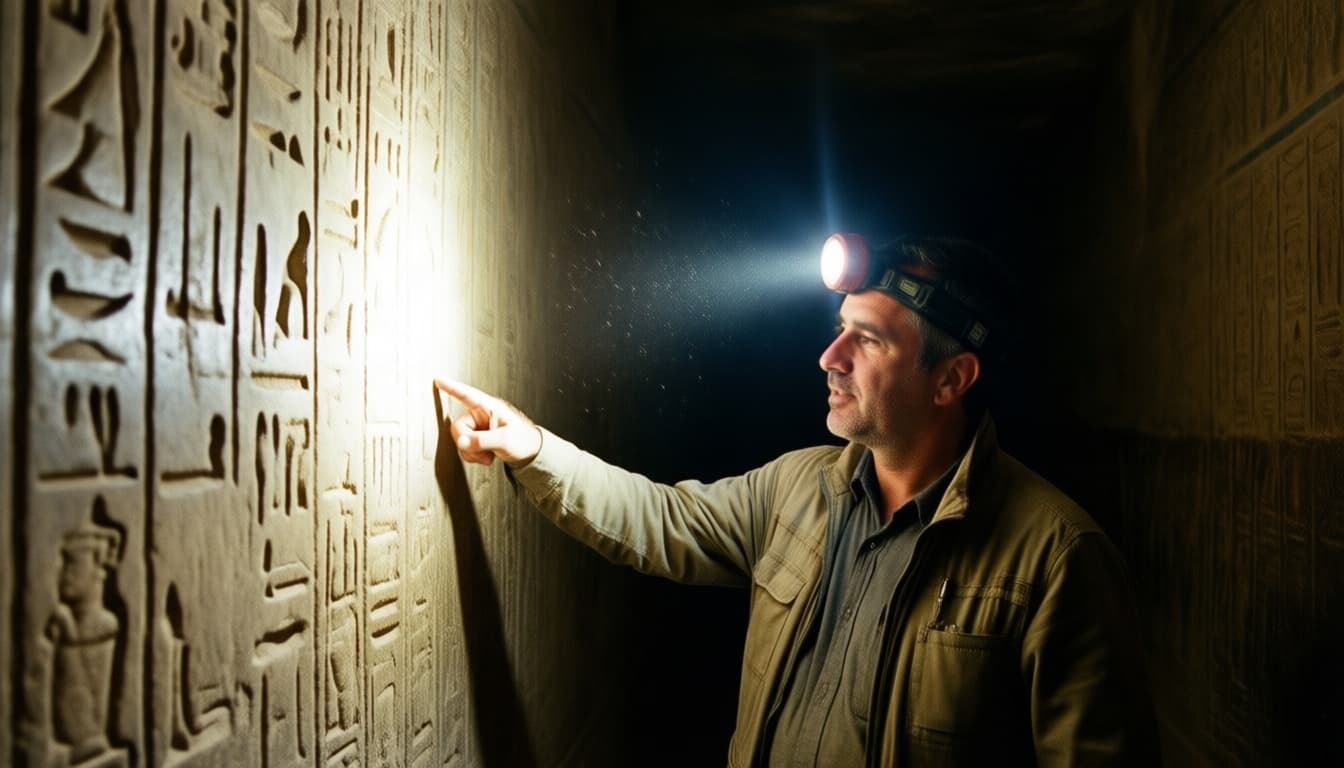
The question remains: How did they illuminate these vast and complex subterranean spaces to perform such intricate work? Modern archaeologists find only extremely faint traces of oil lamp soot on the ceilings of the deepest tombs.
Some theorize they channeled sunlight with reflective mirrors, but this would be inefficient beyond the first few meters and utterly useless in complex, winding passages. Hypotheses of lost lighting technologies, such as chemical light sources or unknown reflective surfaces, exist, but physical evidence for such technologies has never been found.
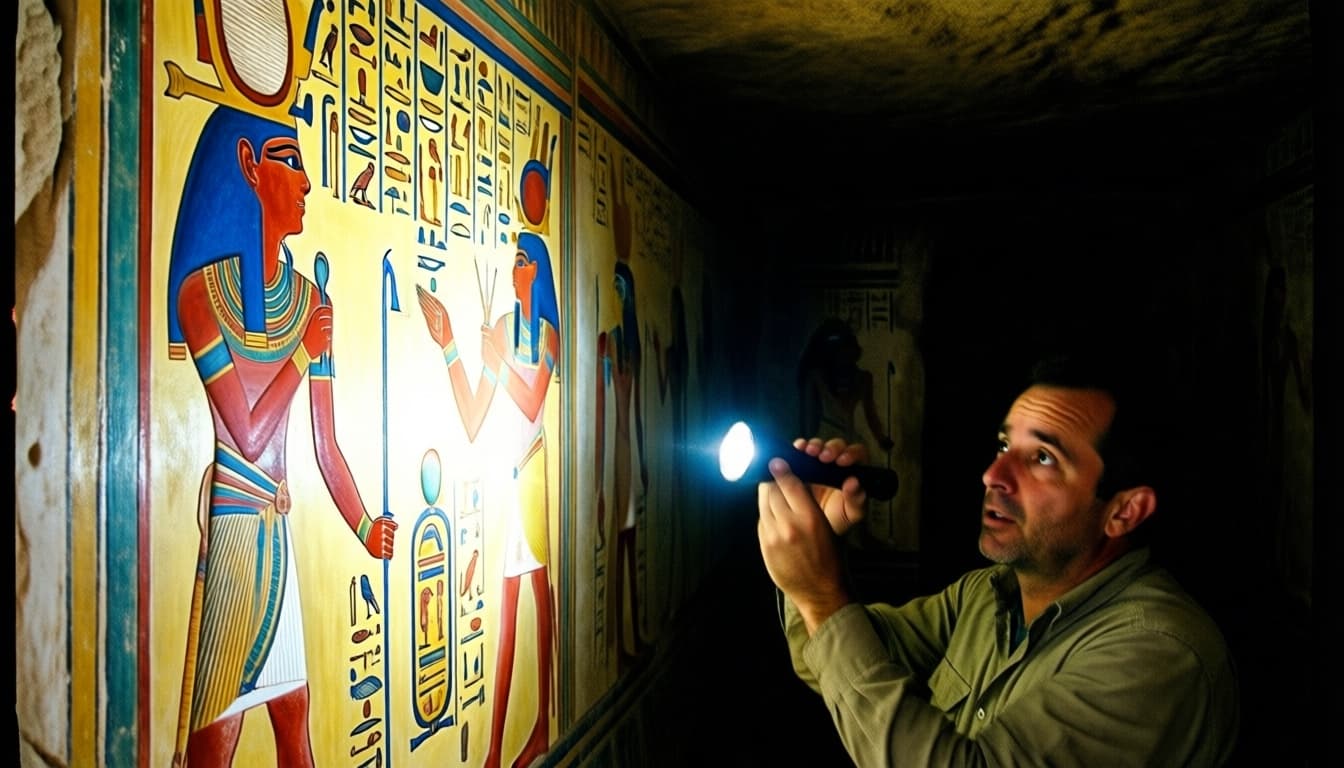
The near absence of soot, coupled with the unparalleled detail of artworks created deep underground in pitch darkness, presents a crucial anomaly that continues to baffle both scientists and engineers.
Centuries of exploration, aided by modern technologies from ground-penetrating radar to 3D mapping, have unveiled many secrets of the Valley of the Kings. Yet, despite vast knowledge, the valley still holds the core of an inexplicable mystery. We can marvel at the pharaohs' unwavering belief in the afterlife, the artisans' masterful artistry, and the human will imbued in every carved surface. However, the exact methods behind these 'impossible' engineering feats – the rapid and precise excavation of vast rock-cut tombs, the handling of massive stone sarcophagi, and the illumination of subterranean art galleries without leaving traces of light sources – remain unsolved riddles. The Valley of the Kings is not merely a monument to ancient Egypt's greatness but a humbling testament to the enduring enigma of human ingenuity, prompting us to ponder the depths of their lost knowledge and the vastness that still exceeds our understanding.
[ CLASSIFIED VERDICT ]
[ACCESS LOG - SOURCE FILE]
The Valley of the Kings, the eternal resting place of ancient Egyptian pharaohs, holds construction methods that remain a profound mystery. The engineering techniques for precisely excavating thousands of cubic meters of solid rock, crafting massive sarcophagi, and illuminating deep underground spaces to create intricate artworks without leaving traces of soot, remain unsolved questions for modern science.