Titanic: The Truth of the Swapped Ship
Rumors surrounding the sinking of the Titanic have persisted for decades, but among them, a particularly intriguing conspiracy theory claims it was swapped with its sister ship, the Olympic. Online forums, maritime history blogs, and even some publications frequently cite photographic evidence meticulously comparing the hulls of the Titanic and the Olympic. The most commonly pointed-out discrepancy is the number and arrangement of A-deck portholes. This subtle but crucial difference was often dismissed as a 'construction modification,' but to persistent theorists, it hinted at a different truth.
Less known, but another pillar of this theory, is the 1911 collision between the Olympic and HMS Hawke. The Olympic suffered extensive damage, and the cost of repairs, or outright scrapping, would have been astronomical, placing immense financial pressure on the White Star Line. The nearly identical sister ship, the Titanic, was due for its maiden voyage, insured for an unprecedented sum. All these coincidences felt to some like an elaborate plan. The sophisticated claim was that the severely damaged Olympic was disguised as the new, perfectly insured Titanic and sent to its fate to claim a massive compensation payout—a claim not easily dismissed.
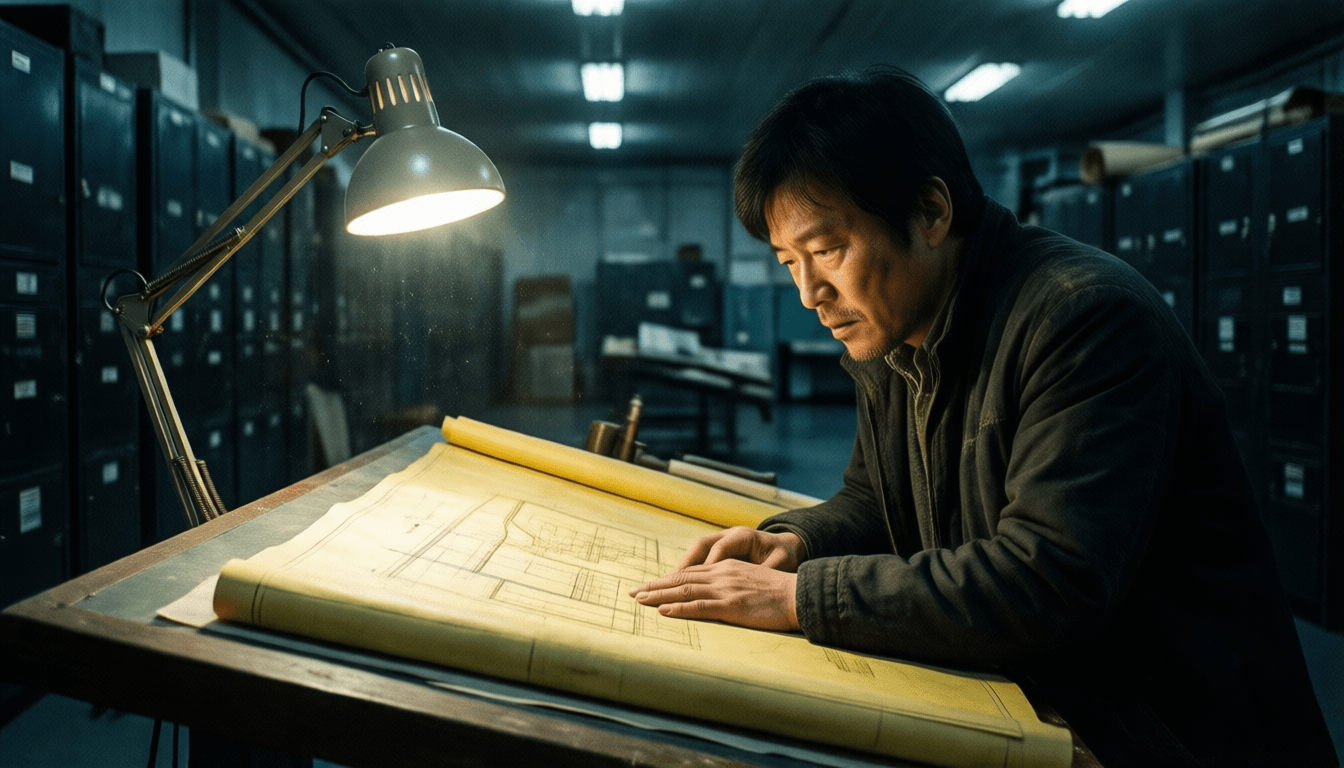
For a long time, I dismissed this 'ship swap' theory as amateur speculation. However, recently, while digitally scanning lesser-known blueprints of the Olympic, I discovered an unrecorded, subtle deviation in the hull plating near the bow. Academic curiosity ignited. I entered the restricted subterranean space of a marine museum, buried deep beneath the city's bedrock, known as the 'White Star Archive.' The air was cool and dry, with a faint metallic ozone scent from the air control systems. Thick reinforced glass encased rows of fireproof cabinets, holding blueprints, cargo manifests, and personal effects.
The heavy steel door clunked shut, cutting off all external noise, creating an absolute silence. My own breathing echoed abnormally loud. My intention was to compare the original blueprints of both ships, seeking minute inconsistencies beyond recorded modifications. In particular, I needed to trace the 'hull number M.O. 401' stamping, rumored to have been found after the Olympic's collision. The weight of history hung heavy in the carefully preserved documents, the brittle paper of ages, and the faded but still legible ink.
As I spread out a massive original blueprint of the Titanic's D-deck and cross-referenced it with my digital scans, I noticed a minute detail: a rivet pattern near an auxiliary cargo hatch that didn't match construction photos of the Titanic. It was too subtle to be a fabrication; it felt more like an error in my perception or a flaw in the historical record itself.
Suddenly, an inexplicable drop in temperature occurred, seemingly confined to my workspace. My breath faintly misted. The air felt heavy and thick. I dismissed it as a faulty old HVAC unit, yet the phenomenon was eerily precise. The faint, high-frequency hum of the archive's air purification system seemed to subtly shift in pitch, like a sustained, discordant note.
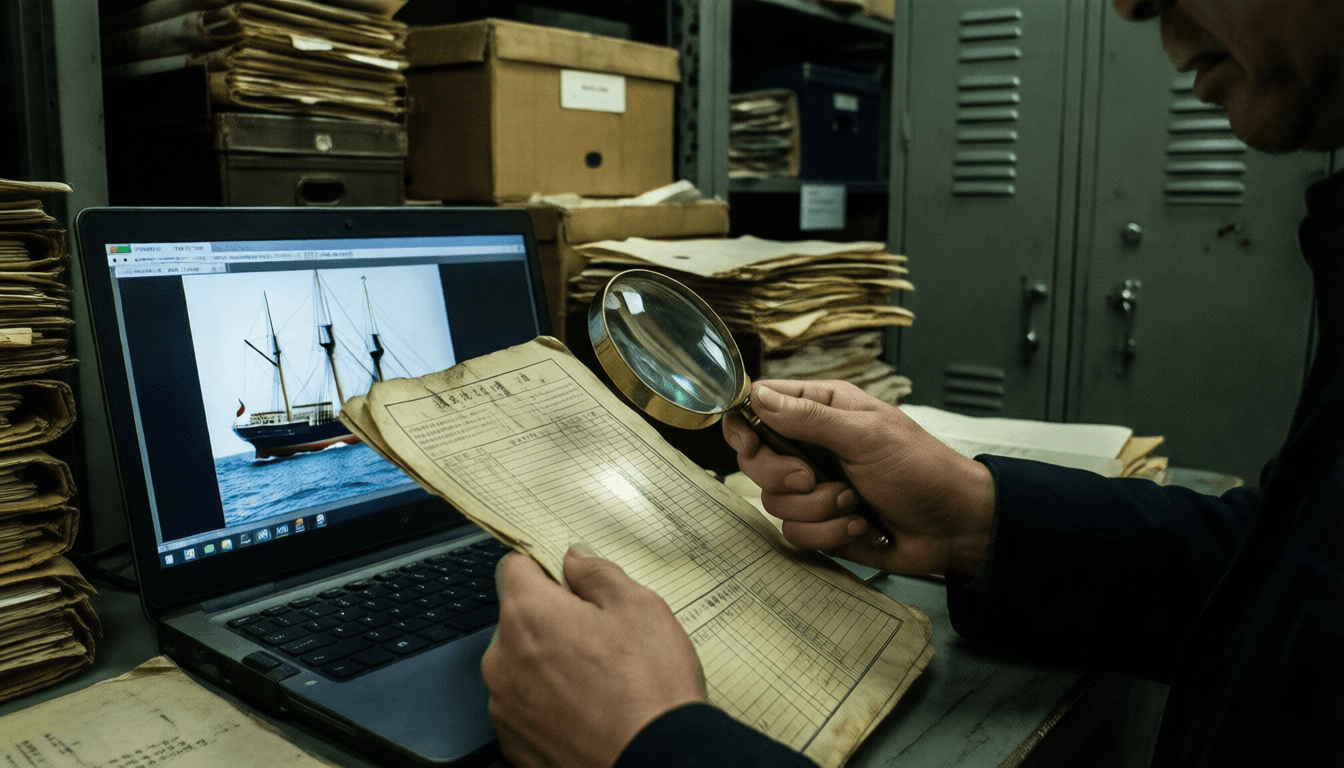
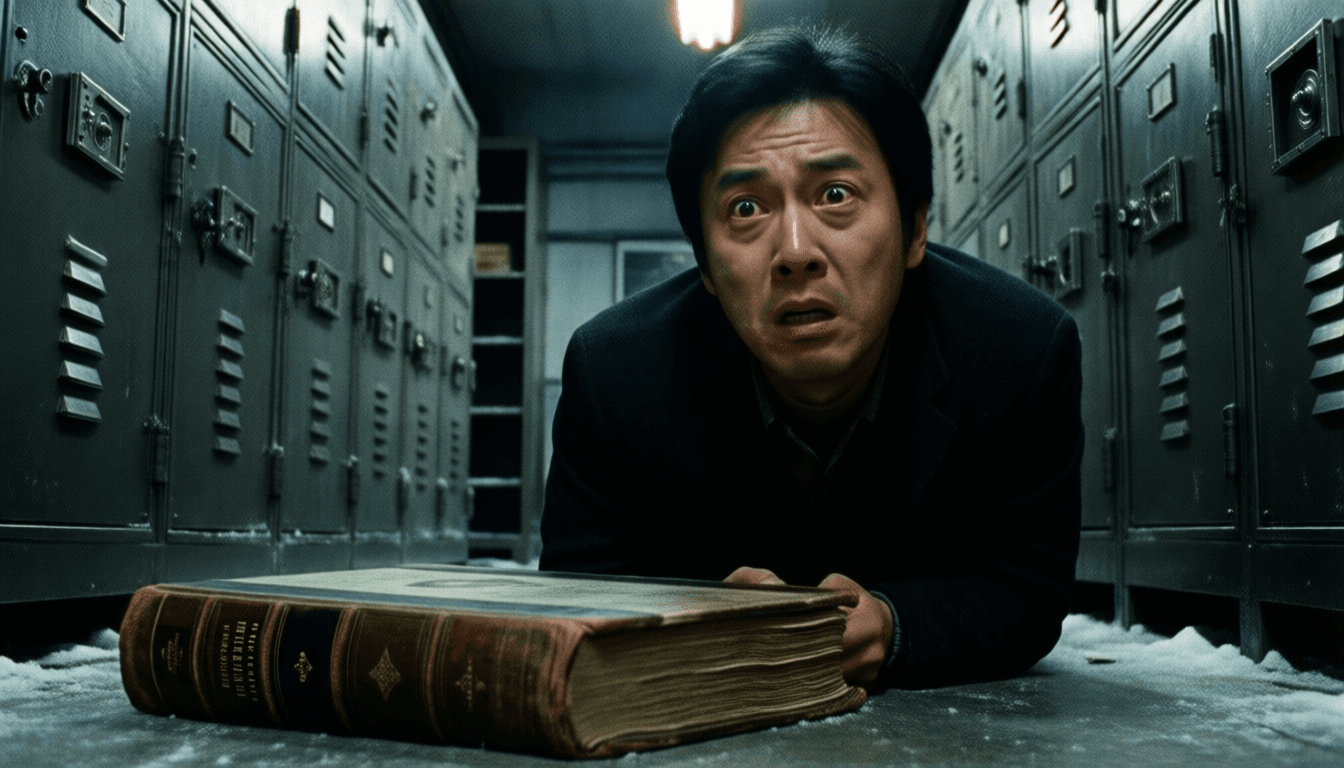
While cross-referencing crew lists, I noticed a faint watermark on a Titanic provision list. It matched a unique stamp known to have been used only on internal Olympic documents before its collision. I felt a slight tremor in my hands and pulled out my magnifying glass. Out of the corner of my eye, a shadow seemed to detach itself, condensing behind a stack of record boxes, only to vanish the instant I snapped my head up. An immense, intense physical pressure descended, as if the sheer weight of a historical cover-up was pressing down on me. Across the room, a thick book slowly slid off a shelf, balanced precariously, then dropped to the floor with an abnormally loud thud in the specially soundproofed space. It was inexplicable.
And then, I found it. A set of 'revised' structural blueprints for the Olympic, post-collision, misfiled under a Titanic accession number. These plans detailed far more extensive port-side repairs near the boiler room than officially recorded for the Hawke collision damage. Crucially, these 'revised' plans included a distinctive pattern of reinforcement plates that directly matched specific, unrecorded features only visible in pre-sinking photographs of the Titanic. It was the smoking gun. Undeniable evidence that the Olympic had undergone repairs to impersonate the Titanic. Faintly visible through the translucent paper of the blueprints, but clearly there, stamped into a bulkhead: 'Hull Number M.O. 401.'
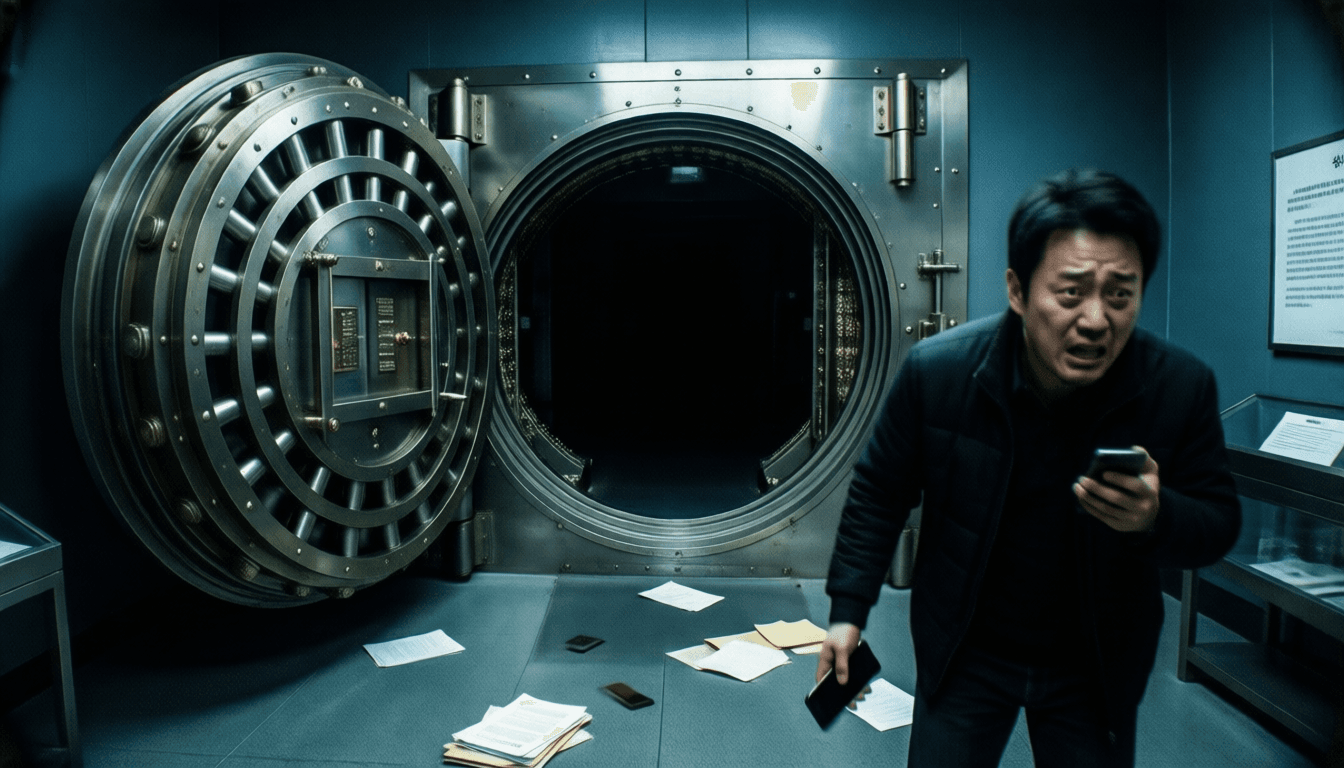
The moment I frantically began photographing the evidence with my phone, the heavily bolted steel vault door, which had been tightly shut, slowly, inexorably, began to creak open inward. No hand, no mechanism, was visible moving it. The sound, in the deathly silence, was horribly loud. A massive, arctic cold swept into the room, a chill far beyond anything an HVAC unit could produce, seeming to emanate from the air itself.
Then a figure stepped into the doorway. Not a ghost. A man in a dark, nondescript suit. His face was obscured by the low light and angle, but his posture exuded an unnatural stillness, a predatory calm. He said nothing. He simply raised a hand, and with a barely perceptible gesture, an old, heavy fireproof door, known to require immense force to open and close, slammed shut with incredible speed and power, deep within the archive. The concussion rattled the entire room. I was trapped within a maze of shelving. The man moved with a speed that defied human agility, closing the distance in an instant. I fumbled, dropping my phone, trying to grasp the original blueprints again. The man seized my wrist. His grip was impossibly strong, bone-crushing. An eerie, unnatural cold emanated from his skin, freezing my hand to the bone. He wrenched the documents from my grasp, then shoved me violently against a steel cabinet. My mind reeled from the impact, even as I heard the sickening crunch of his heavy, deliberate foot crushing my phone.
Hours later, I woke slumped against the cabinet, my head throbbing, my wrist aching. The room was dark, the vault door firmly closed and locked from the outside. The documents were gone; my phone was shattered. I crawled out and barely managed to activate the emergency alarm in security. When I was found, I was disoriented, with a sprained wrist and a concussion. I offered vague explanations of 'sudden dizziness' and 'falling.' I knew no one would believe the truth, the incredibly silent shadow.
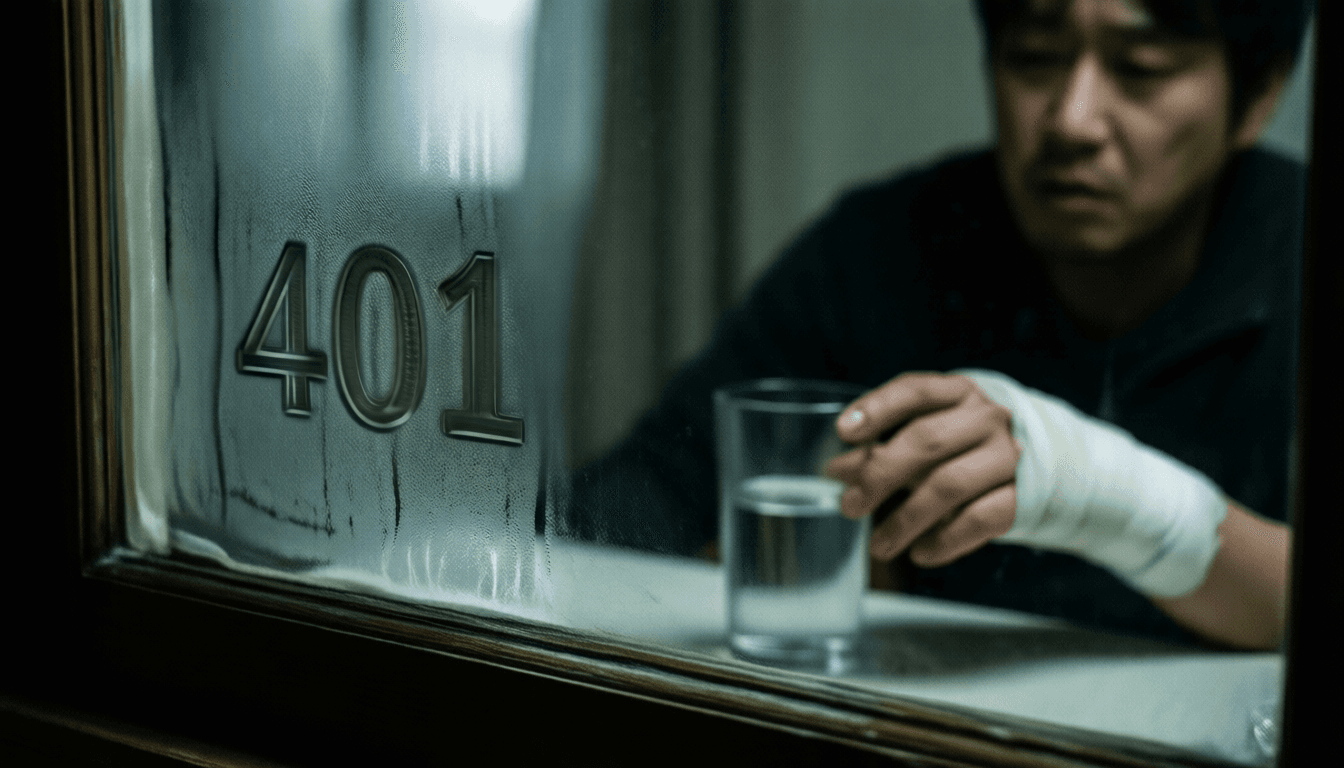
Days later, recovering in my sterile apartment, I found a small, crumpled scrap of paper in my pocket. Thumbnail-sized, it was torn from the 'revised' Olympic blueprint. On it, faintly, barely visible, was a fragment of the 'M.O. 401' hull stamp. It was useless as evidence. Too small, too ambiguous.
That night, I stared at my laptop. An old black-and-white photograph of the Titanic docked in Southampton filled the screen. I zoomed in on the hull, and my eyes could now see that specific reinforcement plate pattern with absolute clarity. A detail overlooked for years. It was there. And I realized with chilling certainty: the Titanic that sank was, in fact, the Olympic.
I reached for a glass of water. My sprained wrist throbbed. As I lifted the glass, I saw it. A faint, almost invisible layer of condensation had formed on the inside of my window. Despite the heating being on and the mild temperature outside. And etched onto the condensed frost, as if drawn by a cold finger, almost imperceptibly, were the numbers: 401. The absolute silence of my formerly comforting apartment now felt like the massive, crushing pressure of the deep ocean.
[ CLASSIFIED VERDICT ]
[ACCESS LOG - SOURCE FILE]
One of the most famous conspiracy theories surrounding the sinking of the Titanic is the claim that it was swapped with its sister ship, the Olympic. This theory suggests that the financially troubled White Star Line disguised the damaged Olympic as the heavily insured Titanic to intentionally sink it for a massive insurance payout, a speculation that has long captivated public imagination.