Cueva de las Manos: The Mystery of the Silent Hands
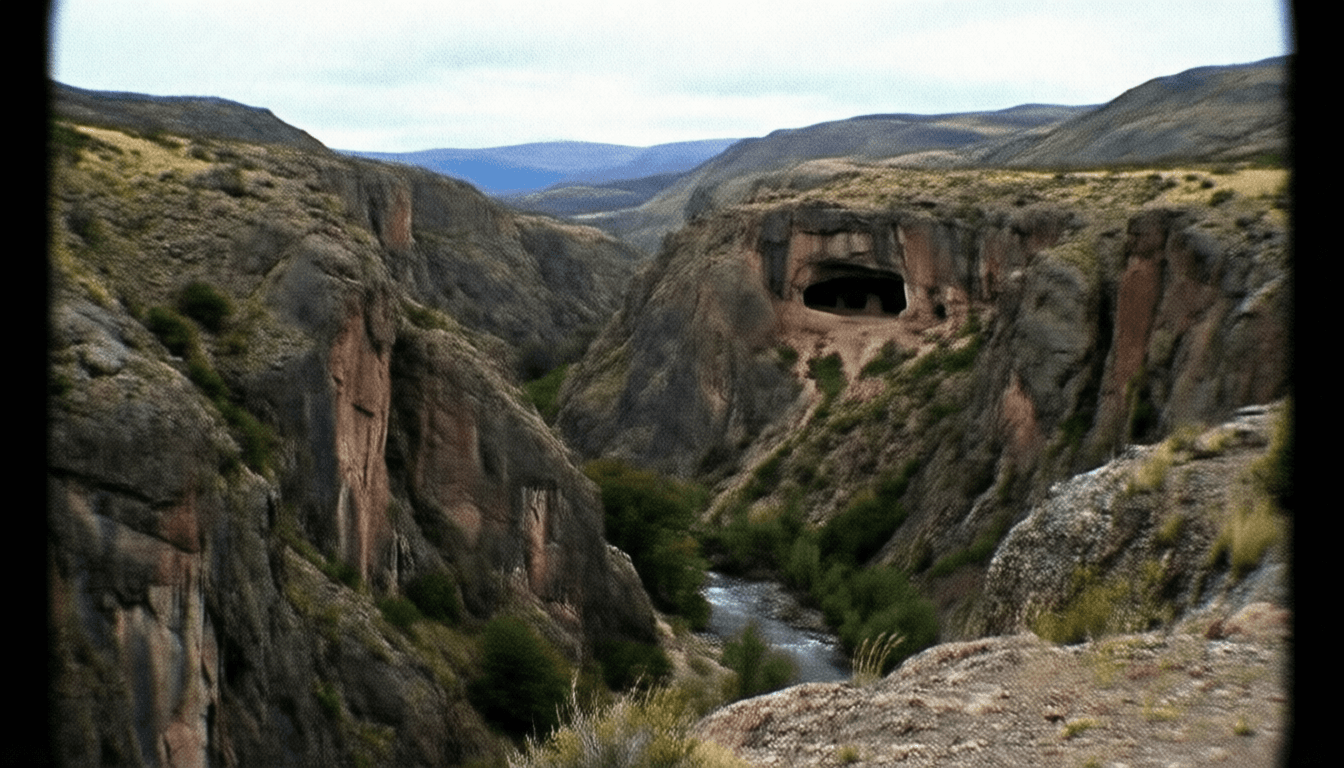
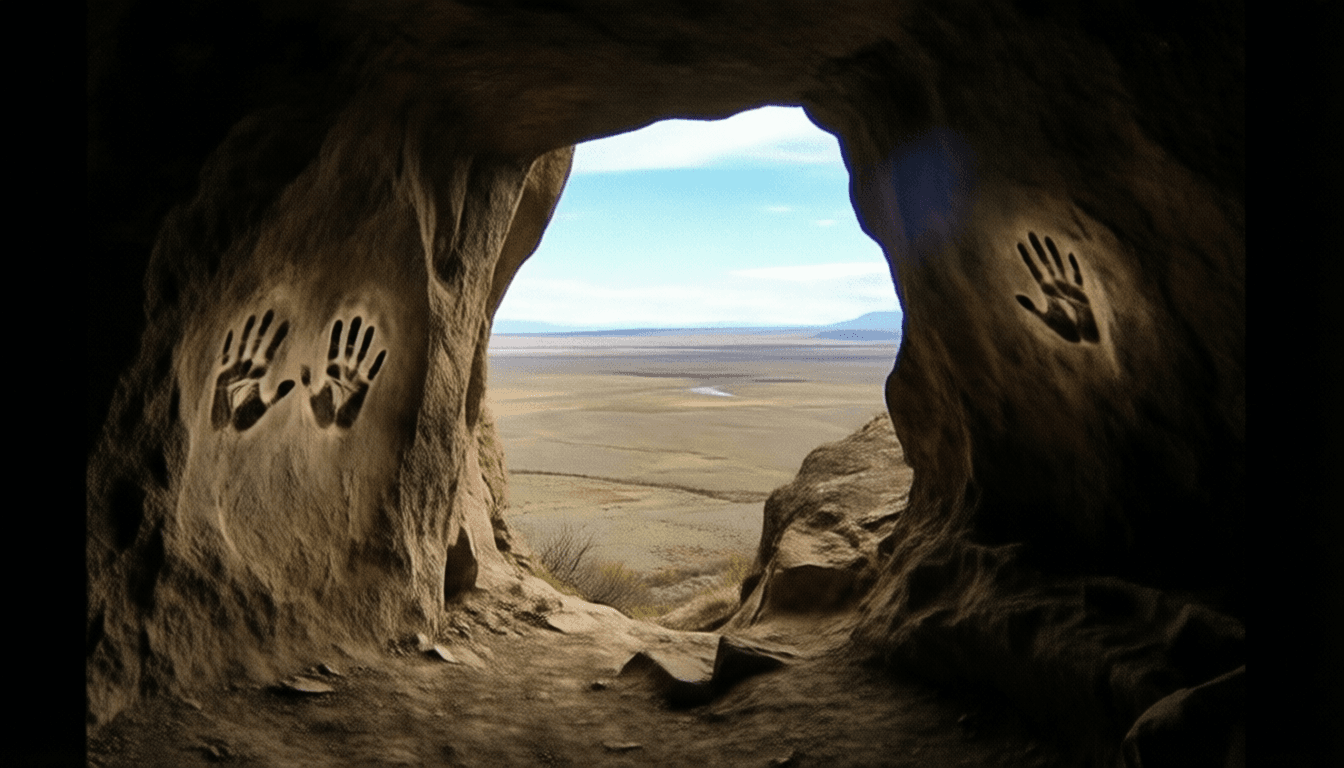
In the rugged, wind-scoured canyons of Argentina's Patagonia, lies an imprint of humanity spanning millennia. Not far from the emerald waters of the Pinturas River, etched into the ancient volcanic rock walls of a remote cavern, are some of the most profound and enigmatic artworks known to humankind. This is Cueva de las Manos – the 'Cave of the Hands'.
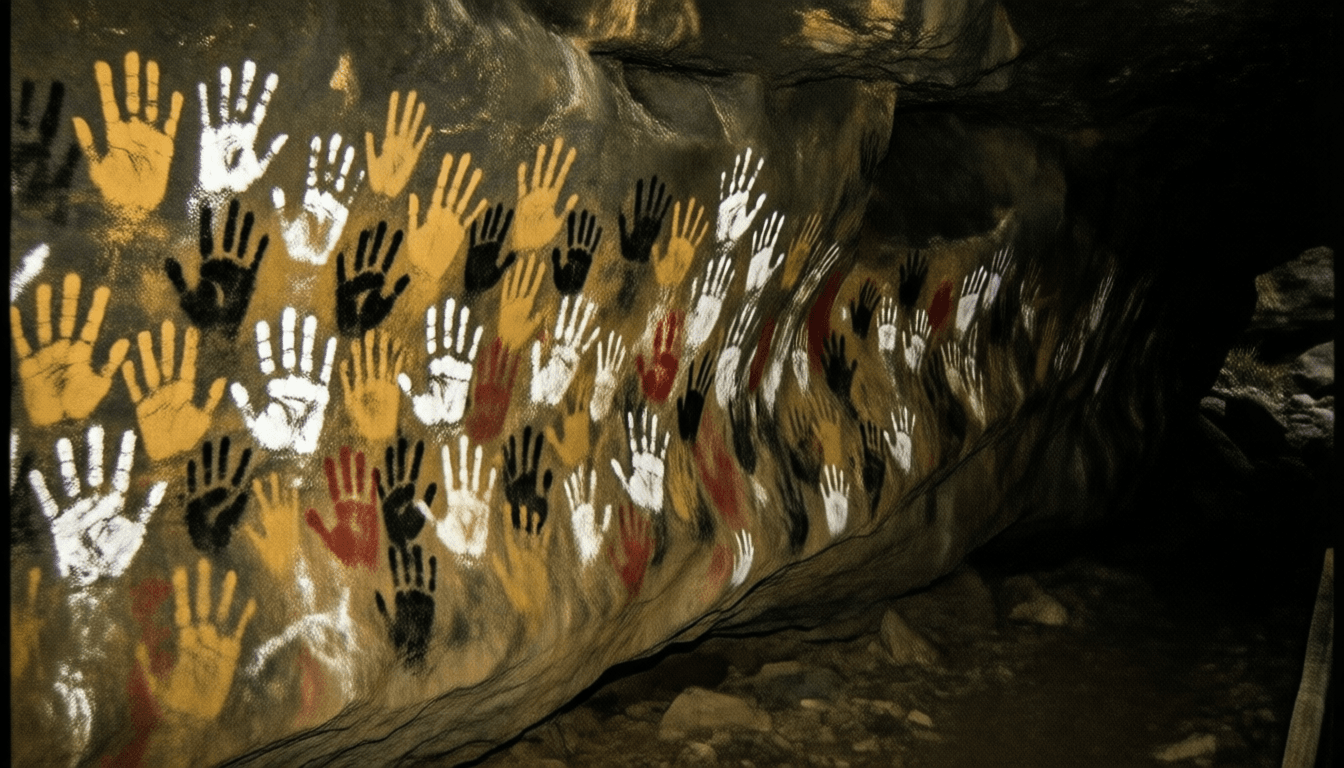
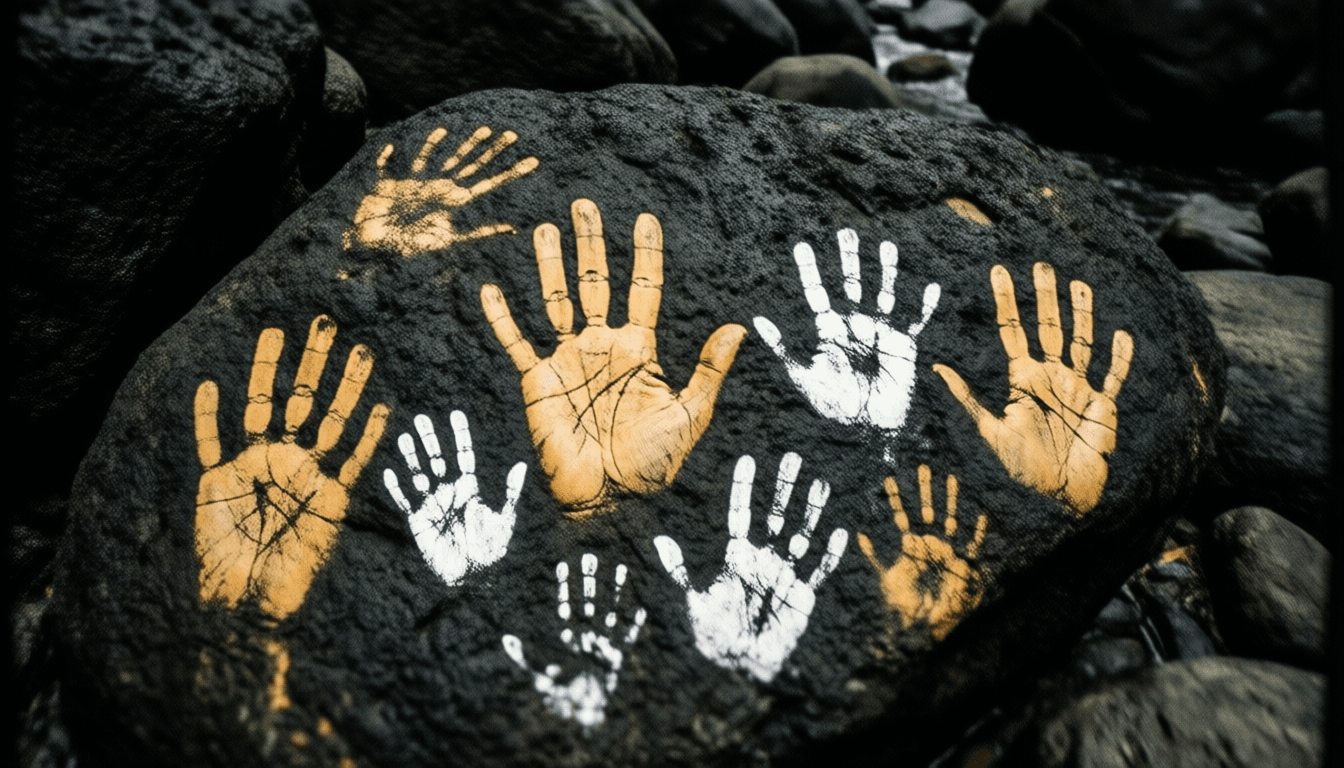
Here, thousands, perhaps tens of thousands, of human hands have been stenciled in ochre, white, black, and red pigments, creating a stunning, silent chorus across the rock face. Their sheer number, and their astonishing age, dating back over 9,000 years, challenge our understanding of early human expression and the enduring impulse to leave a mark. What compelled generations upon generations to journey to this isolated sanctuary and imprint their very existence onto this stone canvas?
Reaching Cueva de las Manos is itself a pilgrimage. It requires a journey across the austere beauty of Santa Cruz Province, where guanacos roam and condors soar on thermal currents. The cave, more accurately a series of rock shelters, offers refuge from Patagonia's harsh climate. Stepping inside, the visual impact is overwhelming; hand shapes dominate every surface.
Most are left hands, rendered with remarkable consistency using a stenciling technique: placing a hand against the rock and blowing pigment around it. Archaeological analysis has meticulously peeled back layers of human activity. Below the oldest handprints, carbon dating has revealed cultural layers from 7300 BCE to 1000 CE, showing a phenomenal continuity of human visitation and artistic endeavor.
Alongside the handprints are intricate hunting scenes depicting guanacos, rheas, and felines, rendered with sophisticated perspective and movement. Bone spatulas used for stenciling, stone mortars for grinding mineral pigments, and the raw mineral pigments themselves have been excavated, providing vivid insights into the ancient artists' craftsmanship.
While how these creations were made is largely understood, the question of 'why' remains an unsolved mystery. The scale is prodigious – not dozens or hundreds, but thousands of hands. Some are perfectly outlined, others overlap, creating a dense tapestry of human presence. The continuity of this practice, sustained for nearly 9,000 years, is almost unfathomable.
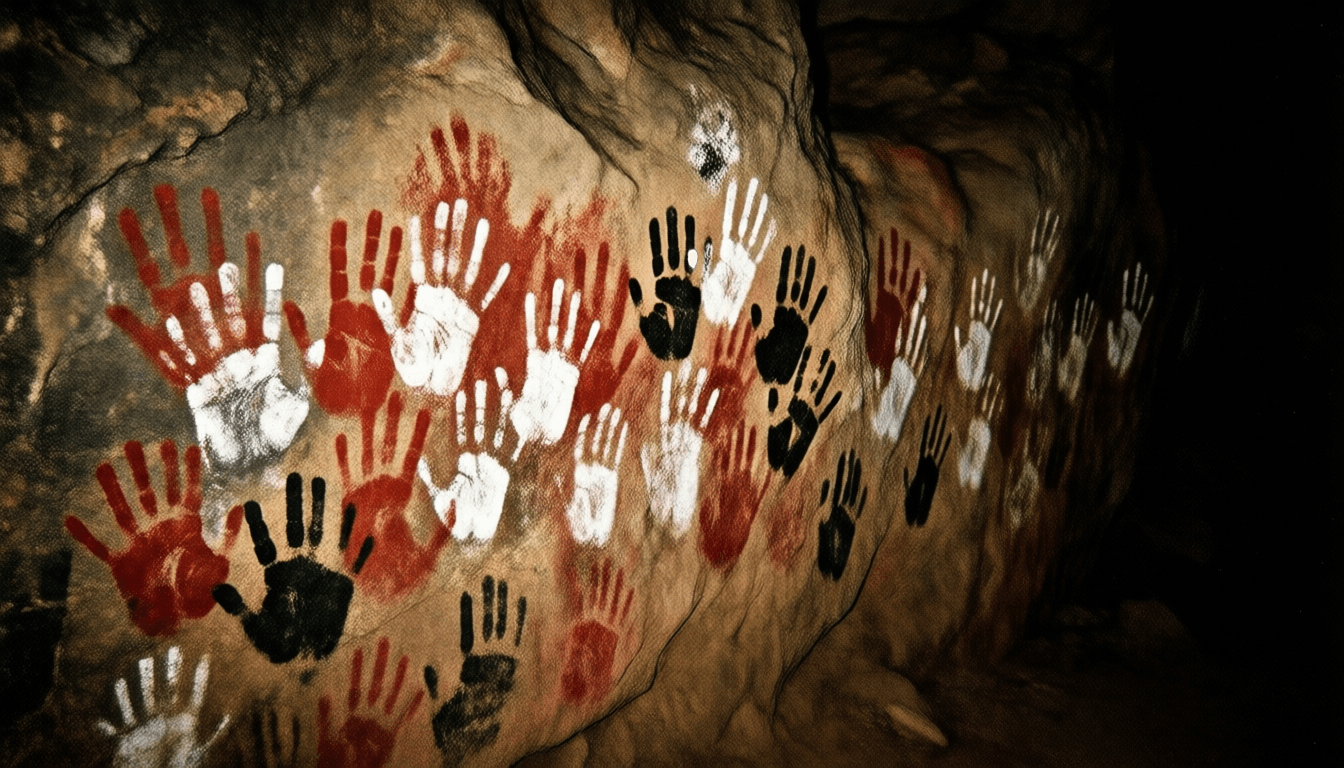
What ritual, what cultural imperative, could have driven such an enduring tradition? Scientists have speculated the cave might have served as a sacred site, a place of initiation rites, or a record of tribal lineage, but no definitive evidence has emerged to confirm any single purpose. The prevalence of left hands suggests a specific, perhaps ceremonial, application, as most people are right-handed and would have used their dominant hand to spray the pigment.
Furthermore, hands of varying sizes, from children to adults, hint at a multi-generational commitment spanning millennia. The most compelling and inexplicable aspect of Cueva de las Manos lies in the profound and persistent human desire 'to be there' – not just to visit, but to imprint one's very existence onto the rock. These are not elaborate portraits or symbolic deities, but direct, physical representations of individual human presence.
Each handprint is a unique signature, and yet, collectively, they form a vast, anonymous register. What compelled these ancient hunter-gatherers, across immense gulfs of time, to return to this specific place and affirm their presence in such a direct manner? Was it communal identity? Spiritual acknowledgment? A desperate plea for continuity?
The deliberate choice to stencil the hand, a symbol of agency and creation, above any other form, speaks volumes, yet its exact language remains unarticulated. Standing before the silent chorus of hands at Cueva de las Manos today, the questions resonate with profound power. The cave is not a record of specific events or historical figures, but a monument to the living pulse of humanity over nearly ten millennia.
It is a reminder that long before written language, before complex societies formed, our ancestors felt an inexplicable pull to connect with their world, and with those who came before and those who would follow. Cueva de las Manos offers no clear answers, no decipherable scripture to unlock its secrets.
Instead, it leaves us with an enduring and awe-inspiring realization: that some fundamental human impulse, some profound desire to exist and to be remembered, transcends the vastness of time, and in its purest expression, remains forever beyond our grasp. The hands on the wall continue their silent vigil, an eternal echo across the Patagonian plains.
[ CLASSIFIED VERDICT ]
[ACCESS LOG - SOURCE FILE]
In Argentina's Patagonian Cueva de las Manos, countless handprints dating back thousands of years are etched into the cave walls. Who created these vast markings, why, and for what purpose remains an enduring mystery. This site is considered a testament to humanity's fundamental desire to imprint their existence.