Sudan's Forgotten Kingdom: The Mystery of Meroe's Pyramids
In the heart of the Sudanese desert, where the Nile carves an eternal path through ancient Nubia, a landscape defying historical expectations unfolds. Here, not one monumental pyramid, nor even a few, but over 200 structures rise from the golden sands – an overwhelming collection far outnumbering those found in all of Egypt. This is Meroë, the vast necropolis of a forgotten kingdom, a testament to a civilization that challenged the might of pharaohs and emperors. A city of stone, whose mysterious silence has echoed for millennia, almost lost from the annals of popular history.
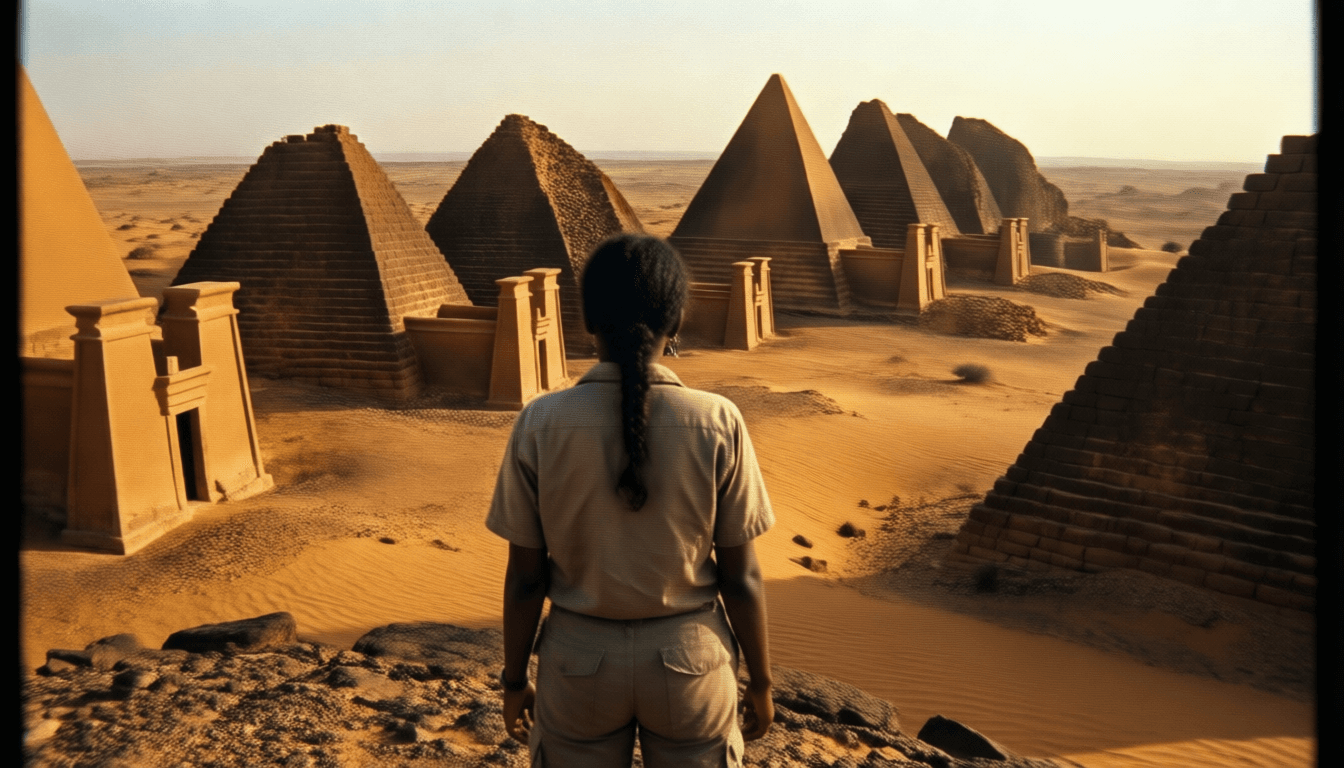
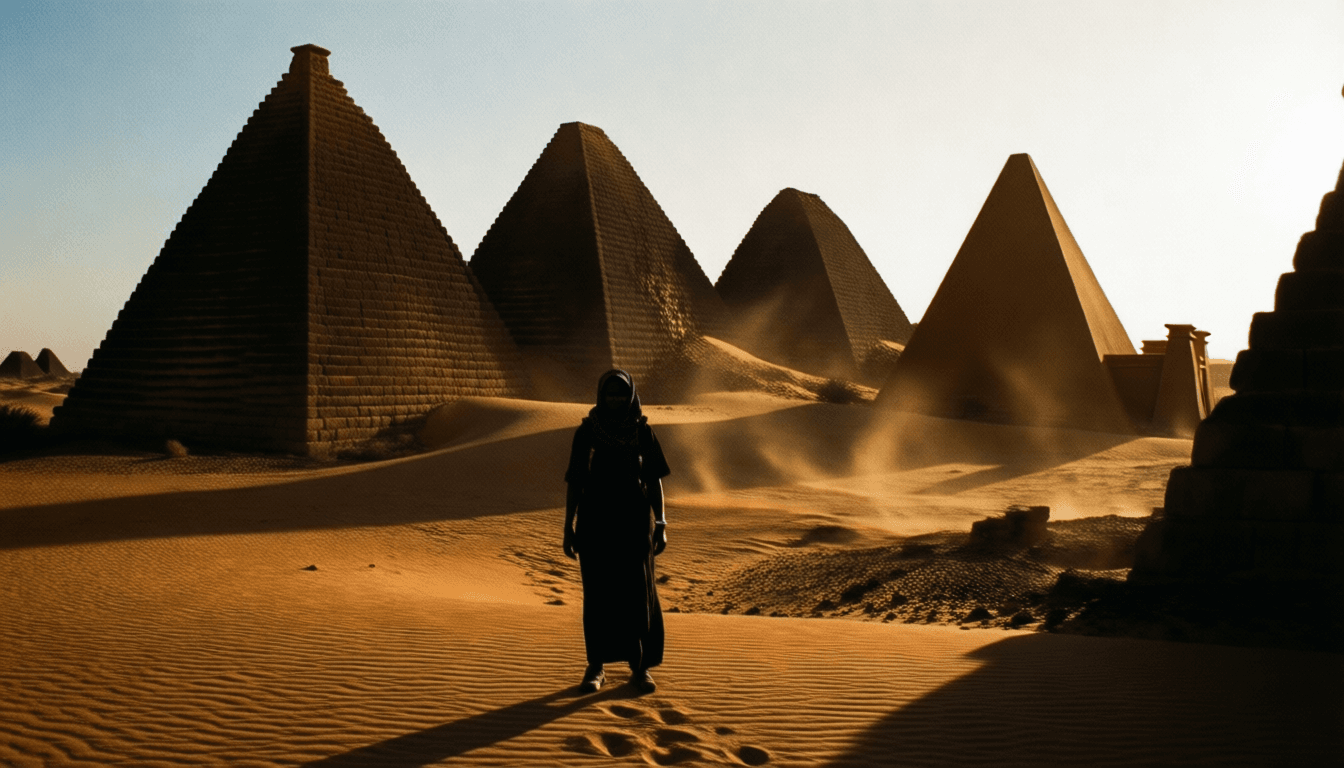
Stepping into the Royal Cemetery of Begrawiya, a sight unlike any other greets the eye. Sandstone pyramids stand clustered together, some remarkably well-preserved, others weathered into crumbling heaps, stretching across the horizon. Unlike their Egyptian counterparts, Meroë's pyramids are notably smaller, rarely exceeding 30 meters in height, yet their sheer number is overwhelming, and their architectural style distinctive. Their sides often rise at a steep 70-degree angle, culminating in a flat top that once bore elaborate stone capstones. Intricate reliefs adorning the offering chapels at their base depict powerful queens, the Kandakes, and ancient deities, showcasing a unique fusion of Egyptian, Roman, and indigenous African cultures.
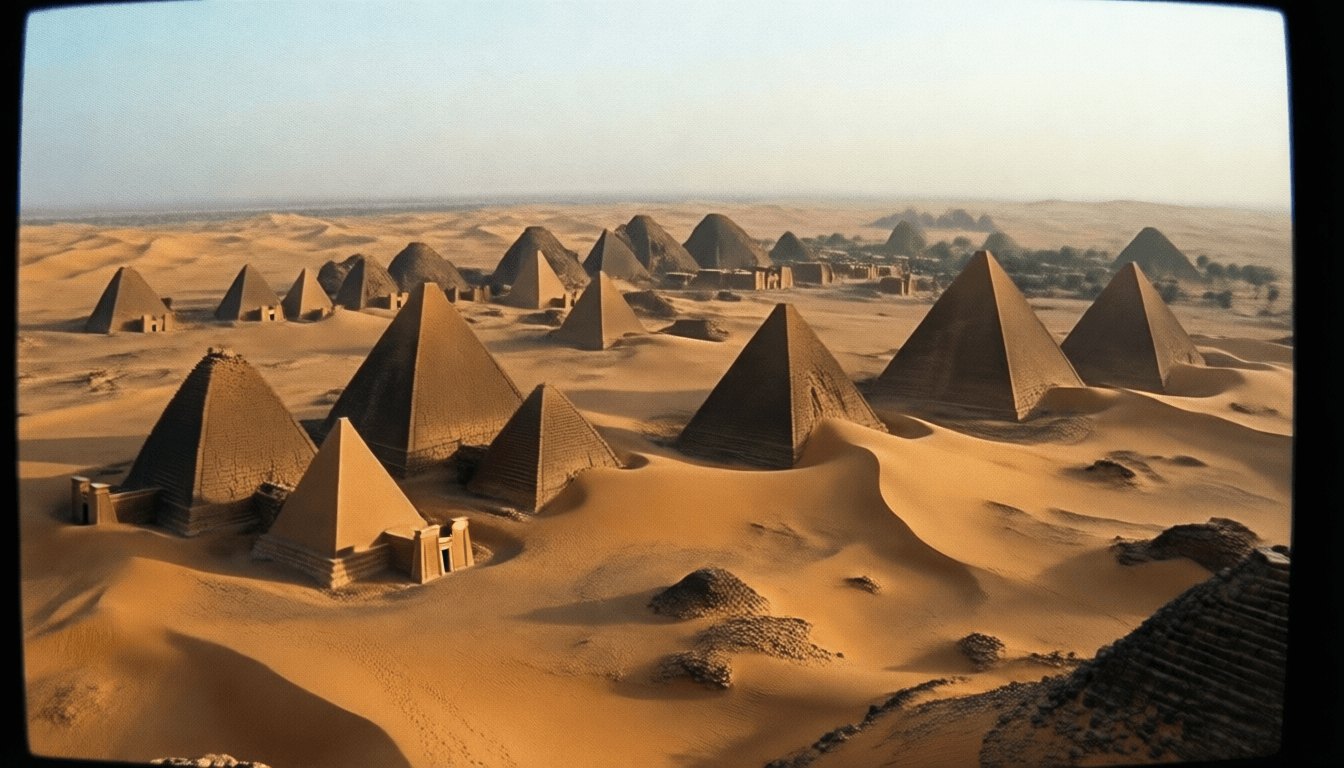
These monuments served as the final resting places for the kings and queens of the Kush Kingdom, which flourished for over a thousand years, from the 8th century BCE to the 4th century CE, ruling a portion of the Nile Valley and often directly confronting their more famous northern neighbors. Despite extensive archaeological efforts since the early 20th century, the exact methods by which the Meroë people constructed hundreds of pyramids remain a subject of intense debate. While not on the colossal scale of Giza's pyramids, the sheer volume of perfectly cut sandstone and granite blocks transported and meticulously fitted across this vast necropolis points to a highly organized society and advanced engineering knowledge.
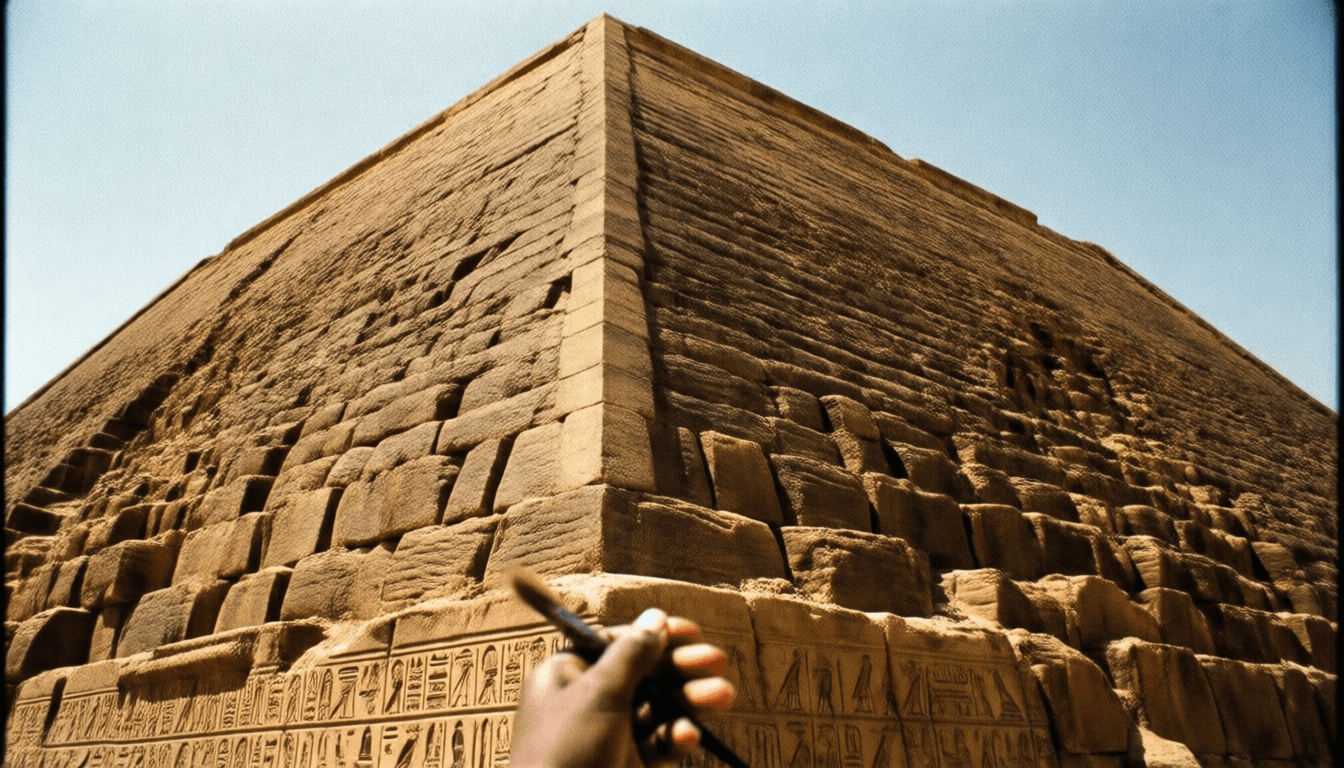
Even with quarries identified, the logistics of moving and erecting these stones, in the apparent absence of the extensive ramp systems found elsewhere, continue to defy conventional understanding. Furthermore, the unique steep angles and flat tops suggest a deliberate departure from purely Egyptian funerary architecture, hinting at indigenous aesthetics and perhaps an evolved understanding of structural stability. Why this dramatic shift occurred, and what specific cultural or religious beliefs necessitated such an architectural declaration of independence from northern influences, remains beyond our grasp.
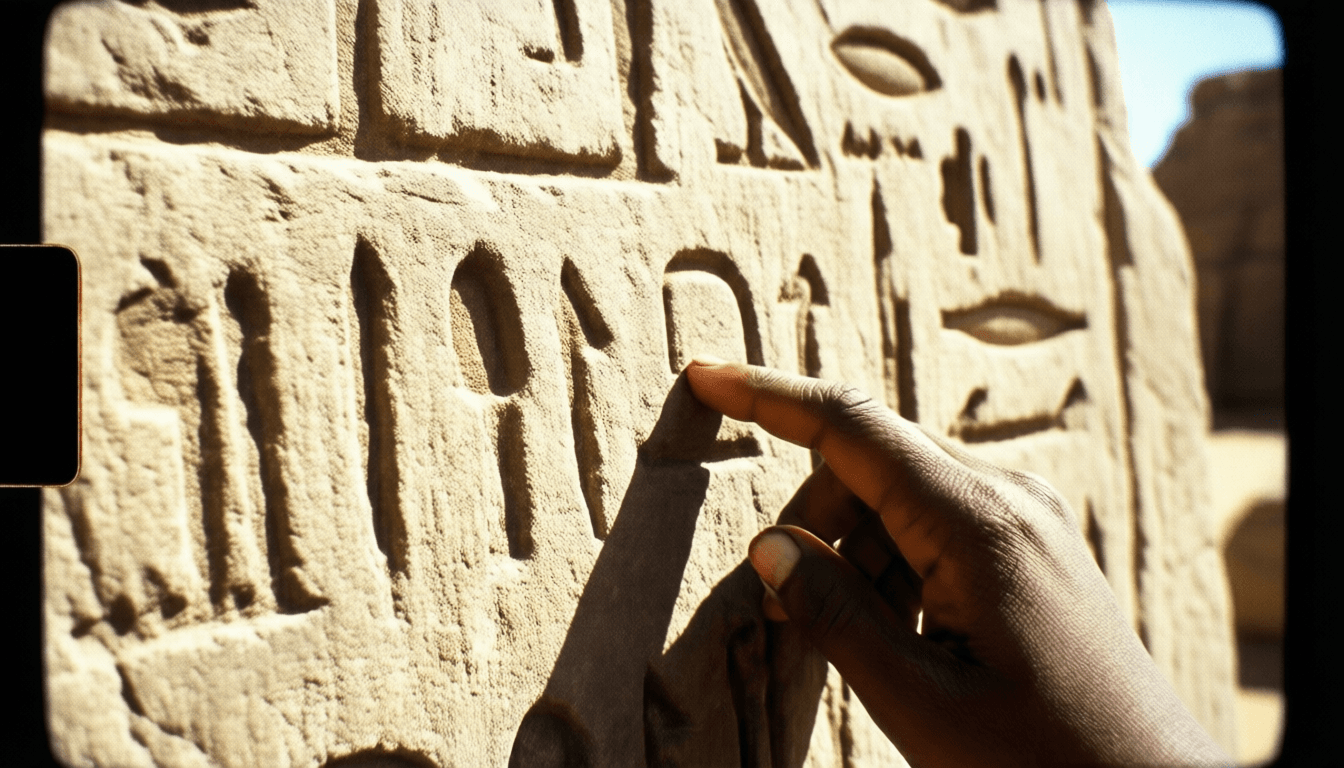
Perhaps the most profound enigma embedded within the Meroë desert is the language of its people: the Meroitic script. While phonetic values have been assigned to many of its hieroglyphic and cursive signs, making pronunciation possible, the language itself remains largely undeciphered. Thousands of inscriptions on temple walls, stelae, and offering tables offer tantalizing windows into the Meroitic world, yet their true meaning remains sealed. What rituals did they perform? What stories did they tell? What knowledge of their gods, their astronomy, or their massive iron industry – which earned them the moniker 'Birmingham of Ancient Africa' – is forever lost to us, sealed within these silent texts? The Meroitic script is a Rosetta Stone awaiting its Champollion, a silent library of an entire civilization, so tantalizingly close, yet agonizingly out of reach. We can read their names, but not understand their thoughts, their beliefs, their very worldview.
As the sun dips below the horizon, casting long, ghostly shadows across the Meroë pyramids, we are left with a profound sense of human ambition and the relentless flow of time. Hundreds of silent sentinels stand guarding untold secrets beneath the desert, representing a powerful empire that forged its own identity and created a legacy that defies categorization. They are not merely monuments to a forgotten civilization but a testament to humanity's enduring capacity to build, to dream, and to believe in a cosmos beyond immediate reality. The Nubian sands hold their ultimate truths, a testimony to the humbling realization that even in an age of unprecedented discovery, some of the grandest chapters of our shared past remain beyond the threshold of understanding, whispering their stories in a language we have yet to truly comprehend.
[ CLASSIFIED VERDICT ]
[ACCESS LOG - SOURCE FILE]
In the heart of the Sudanese desert, the ancient city of Meroë holds over 200 unique pyramids, surpassing even Egypt in number. How these massive structures were constructed, and why their language, the Meroitic script, remains undeciphered after thousands of years, continues to be an unsolved mystery for humanity. The silent stones of this forgotten kingdom raise a legendary question: do they forever guard the hidden knowledge and untold stories of an ancient African civilization?