Lorraine Motel Underground: Hidden Truth
The official announcement regarding the assassination of Martin Luther King Jr. on April 4, 1968, pointed to James Earl Ray as the sole perpetrator. However, for decades, an unrelenting gaze of suspicion has consistently challenged the lone assassin theory. Reports suggesting government agency involvement emerged shortly after the event, and a 1999 civil lawsuit filed by the King family in Memphis concluded that "government agents were involved in the assassination." While mainstream media largely ignored this verdict, this legally acknowledged fact provides a firm foundation for the persistent whispers. It wasn't just a theory; it was legally validated. My investigation began at this very point.
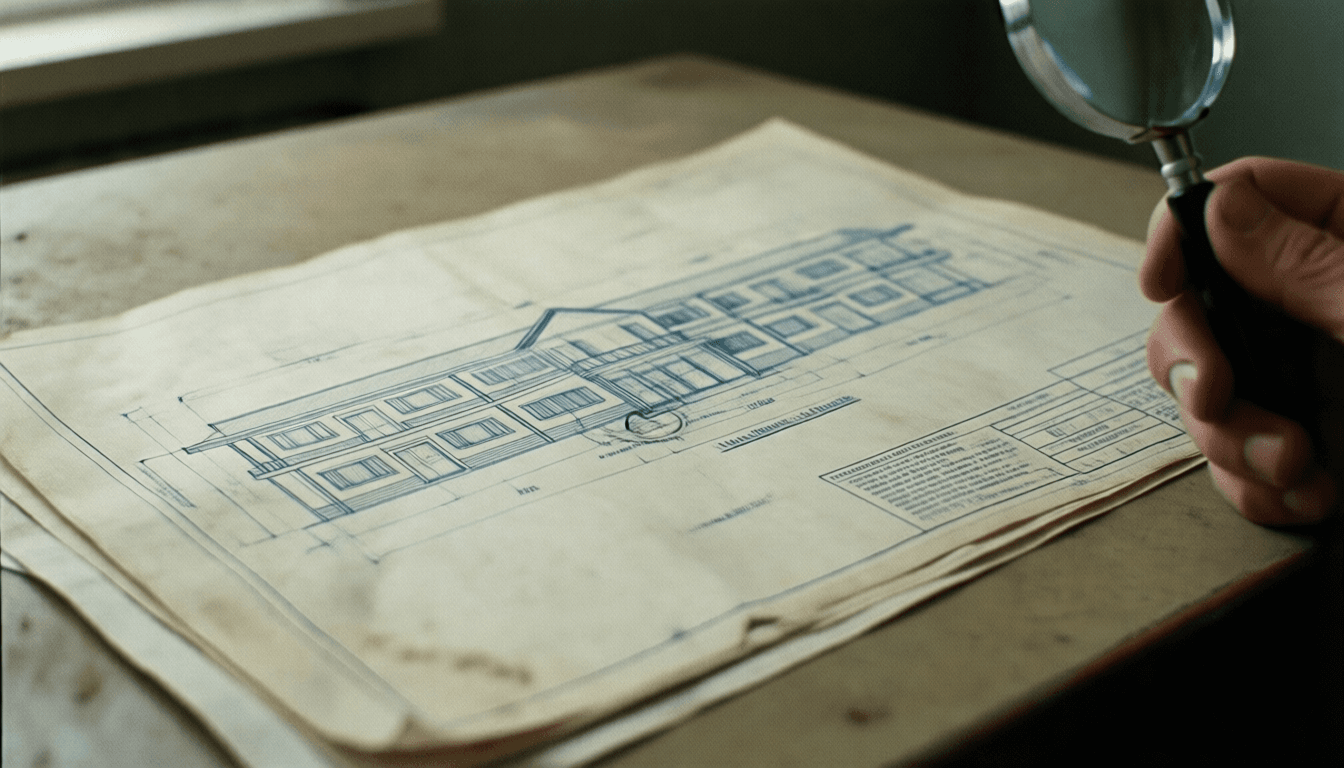
My destination was Memphis, specifically the area around the Lorraine Motel, which is now the National Civil Rights Museum. My interest wasn't in re-examining the facts, but in experiencing the space itself where official explanations and opposing narratives diverge so starkly. I focused on the 306 balcony, the overgrown vacant lot across the street, and the back window of the boarding house from which Ray allegedly fired his shot. Despite it being late afternoon, the air felt heavy, imbued with an unspoken tension. It wasn't peace, but a held breath, a hushed silence. I meticulously documented the precise angles, distances, and obstructions. The original blueprints of the Lorraine Motel, obtained from the archives, revealed a subtle discrepancy: a minor inconsistency in the location of a barely noticeable service alley door. But it was the proximity of that alley—a mundane utility access point located directly below Room 306—that first seized my intense attention.
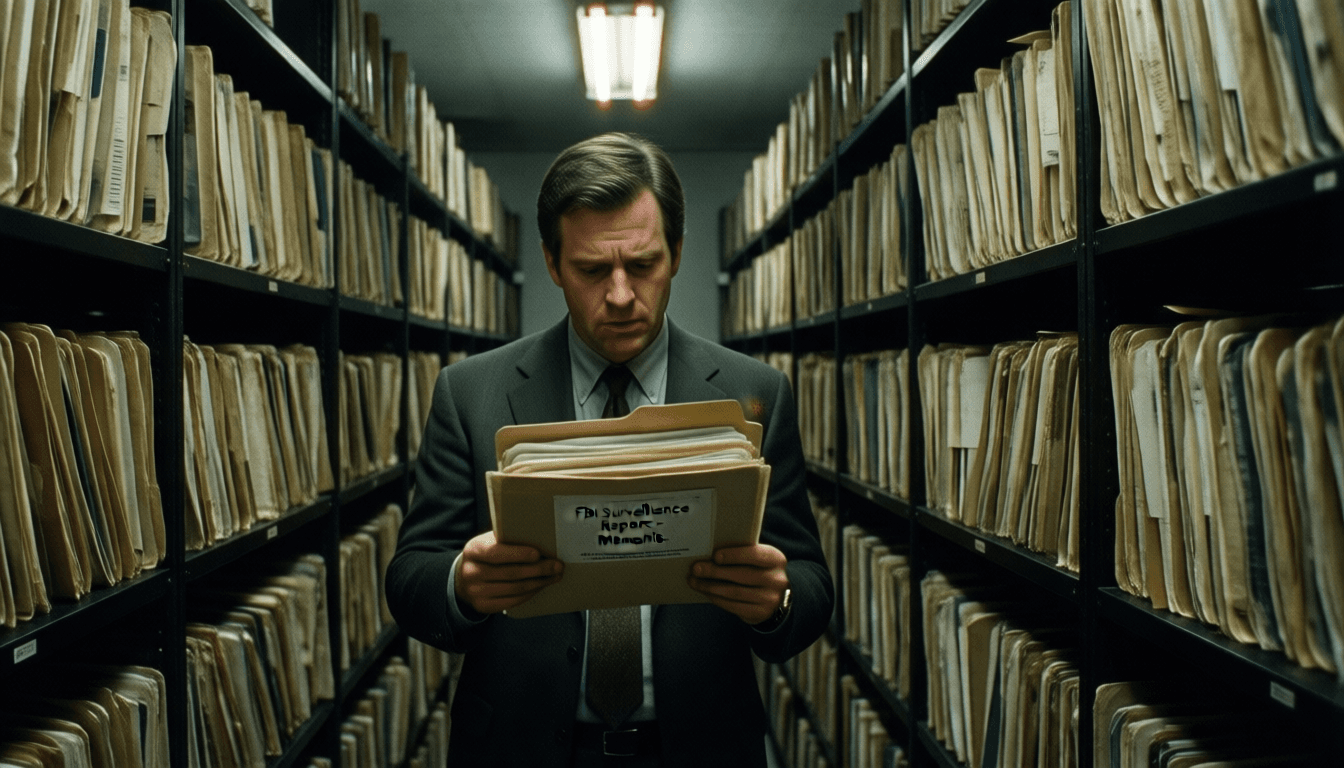
My focus shifted to historical records concerning that utility access point: permits, maintenance logs, security reports. It was grueling work, spending countless hours in dusty county archives. The anomalies were subtle at first. Each time I reviewed specific MLK-related files, a faint, almost imperceptible hum would resonate throughout the entire archive. It was a sound absent when I examined other historical documents. On two occasions, I found a particular folder containing FBI surveillance reports from the Memphis era shifted by a single slot from its original numerical order, almost unnoticeably. My notes, which I had meticulously organized overnight, sometimes bore a small, blurry fingerprint on a page I was certain I hadn't touched since my initial review.
The building itself seemed to amplify these observations. The fluorescent lights deep within the archive stacks flickered erratically only when I was examining documents related to the assassination period. Once, while tracing an obscure property deed for the alley, the usually constant hum of the HVAC system suddenly ceased, plunging the entire vast archive into an eerily complete silence. For almost five minutes, the only sound was the rustle of my turning pages. Then, just as abruptly, the system restarted, not with its usual soft drone, but with a sharp, alien thud that seemed to erupt directly above my head. While not overtly threatening, the precision and ominous repetition of these 'irregularities' were no longer coincidence; it was a chilling realization that something was observing my own observations.
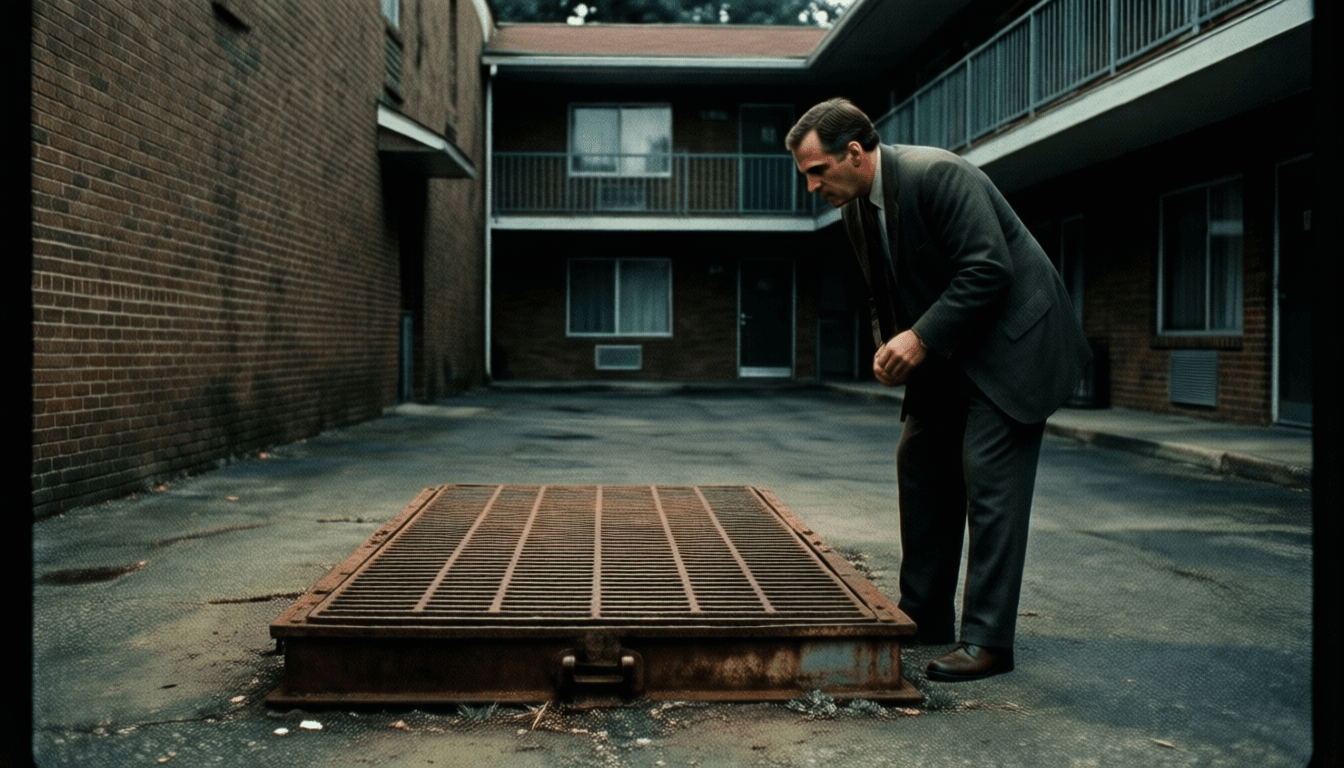
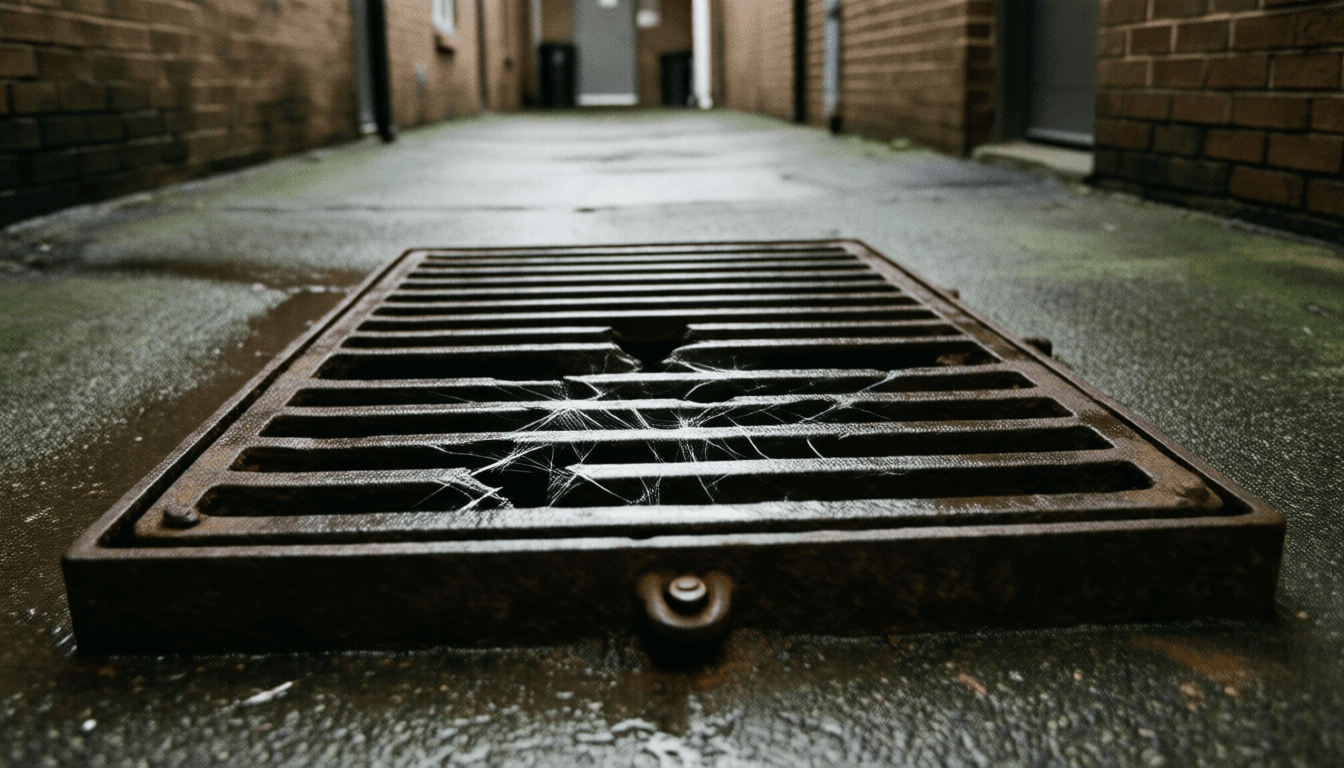
My focus narrowed to the utility access point in the alley and the inconsistencies in its maintenance records. April 3, 1968: an unrecorded "emergency repair" to the underground plumbing system at that exact location. The signed contractor belonged to a company that went out of business in less than six months. No details, no error codes—only "emergency repair." I returned to the alley at dusk, borescope camera in hand. The rusted, almost invisible access grate was exactly as depicted in the old blueprints. When I finally managed to lift it, a dark, narrow vertical shaft led down into the earth. The air was heavy and stagnant, smelling of damp concrete and metal.
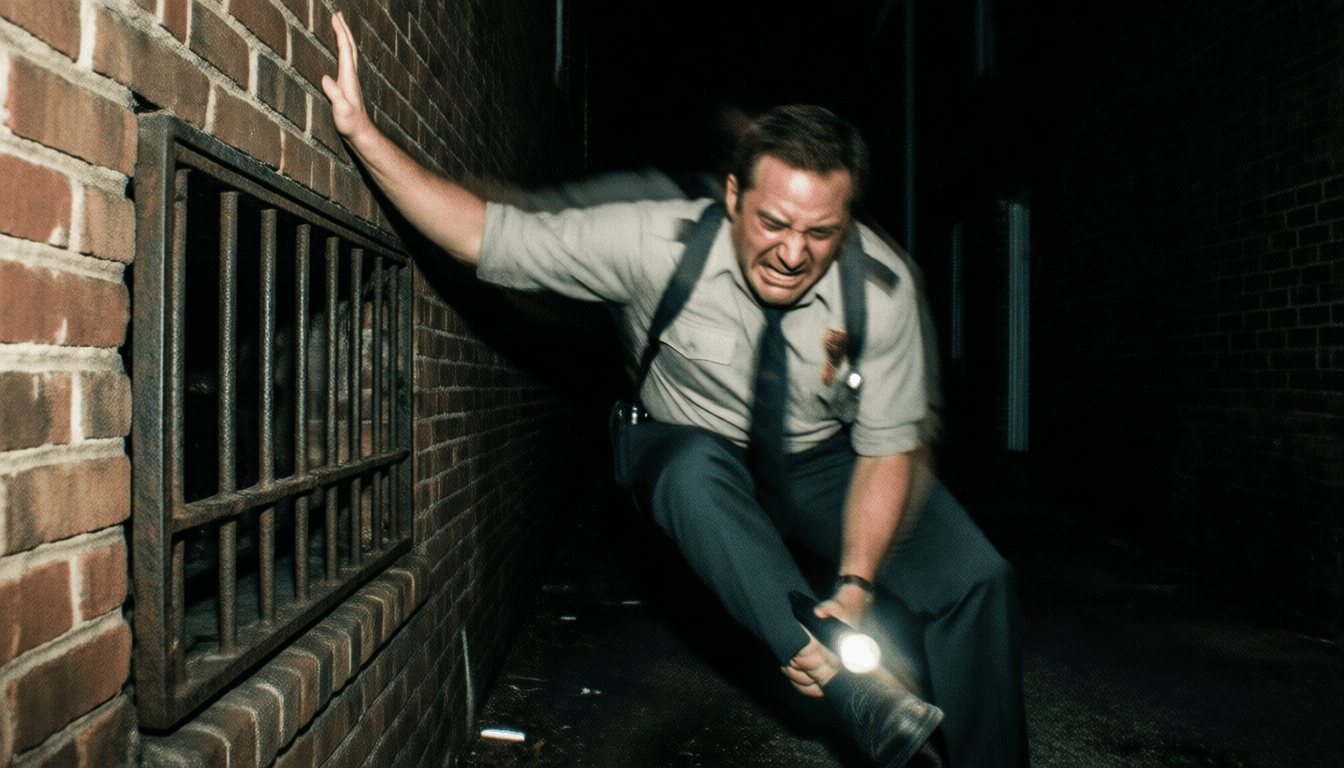
As the borescope cable descended into the darkness, its small light illuminated not the expected tangle of wires or pipes, but a narrow, hand-dug horizontal passage. It was irregular and crude, suggesting hurried, clandestine work. Barely three meters in, the video suddenly cut out, replaced by static. Simultaneously, a massive metallic *thud* echoed from within the shaft, resonating with impossible intensity throughout the entire alley wall. It was as if something enormous had fallen directly above me within the confined space. Before I could react, the heavy cast-iron grate, which I had lifted, slammed shut with a booming crash, shaking the very ground and pinning my arm against the rough brick wall. This sudden, unyielding force was not a falling object, but a power that moved with immense will. The surrounding air grew impossibly cold for a humid Memphis night, and the faint humming I'd heard in the archives now vibrated distinctly through my teeth. The weight on my arm was immense, followed by a sharp, swift tug. Not a hand, but a precise, unseen force pulled at my ankle, trying to drag me down into the darkness. The grate shifted again, slowly and relentlessly tightening on my trapped arm.
I barely managed to pull myself free, but the memory of the sheer, concentrated force applied to my arm and ankle remains vivid. The utility grate, now firmly shut again, bore subtle, fresh scratches on its inside, as if something had violently scraped its way past. I left Memphis, but the city's heavy air seemed to follow me. The faint, high-frequency humming, once confined to the archives, now appears in unexpected places—a quiet room, the dead of night, like the distant hum of a refrigerator. It's never loud or clear. Just a ghostly sound hovering at the edge of hearing, assuring me that something was there, and is still listening. The documents concerning utility access and the censored FBI reports are no longer accessible under their previous request numbers. The document manager’s explanation—system error, temporary relocation—was delivered with an awkward kindness, sounding more like an elaborate dismissal than an apology. The facts themselves hadn't changed, but their accessibility, the very ability to see them, had been obscured and deliberately made difficult. I realized that the weight of the world can shift silently, imperceptibly, when one gets too close to certain truths. And once that shift is felt, the world never feels solid again.
[ CLASSIFIED VERDICT ]
[ACCESS LOG - SOURCE FILE]
This story is based on the deep-rooted conspiracy theories surrounding the 1968 assassination of Martin Luther King Jr. Contrary to official reports, suspicions persist that a larger force was behind the event, notably highlighted by a civil lawsuit filed by the King family which concluded that government agents were involved in the assassination. This narrative draws upon these urban legendary elements of 'hidden truths' and 'government intervention'.