The Abyss of Loch Ness: The Unresolved Legend
Imagine a vast, unfathomably deep freshwater lake holding more water than all the lakes in England and Wales combined. This immense, glacially carved basin plunges over 230 meters (750 feet) deep, where sunlight never reaches and water temperatures hover near freezing. This is Loch Ness, a geological marvel nestled in the Scottish Highlands. For nearly a century, these opaque, peat-stained waters have been reputed home to one of the world's oldest riddles: a colossal creature witnessed by thousands, yet scientifically unconfirmed.
From fleeting shadows on the surface to unexplainable sonar contacts, the mystery of "Nessie" transcends mere local folklore. It is a persistent question echoing through an ancient landscape, continually drawing international researchers and enthusiasts into its profound depths.
The quest for Loch Ness and its potential inhabitant is a narrative woven through centuries of observation and modern scientific inquiry. Early accounts, dating back to the 6th-century biography of Saint Columba, mention a water monster, but the construction of the A82 road along the loch's northern shore in the 1930s truly opened the floodgates for modern sightings. As the previously isolated loch became accessible, reports of a gigantic creature with a serpent-like body and humps emerging from the surface became frequent.
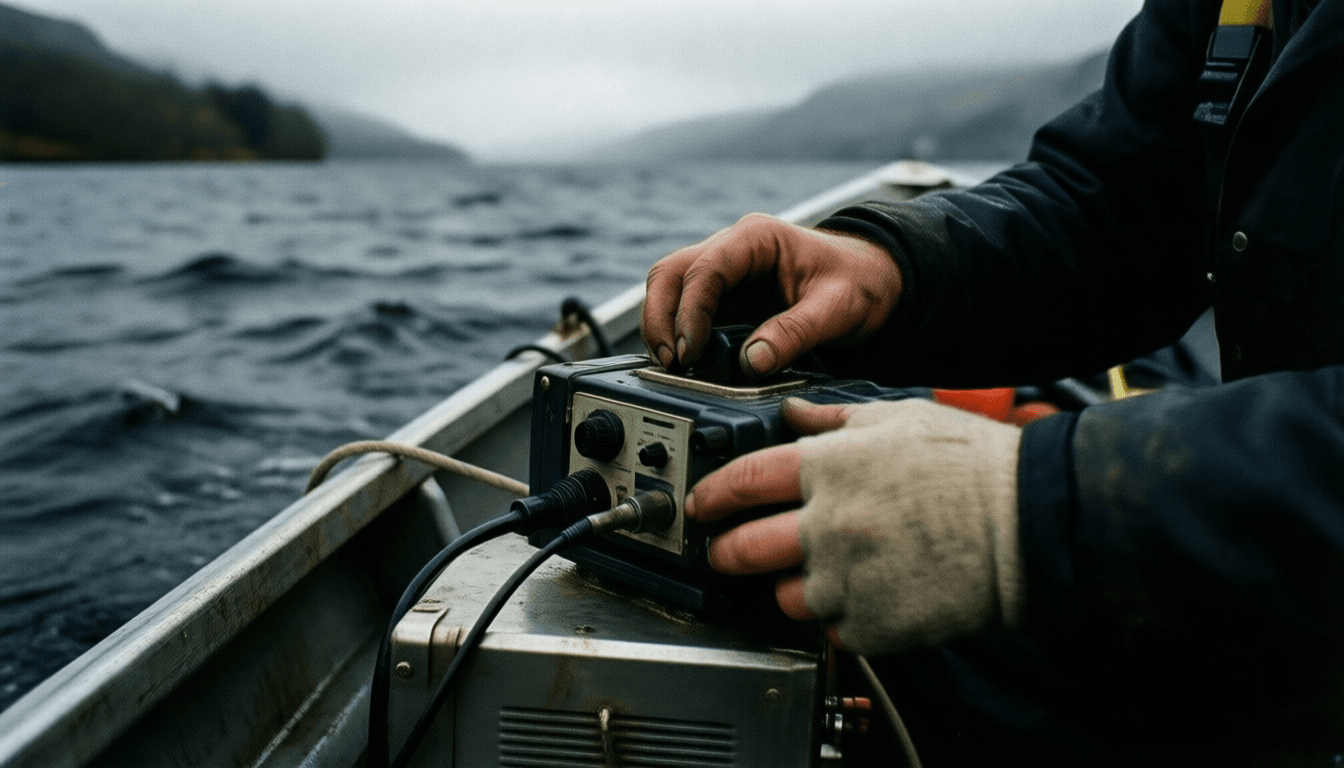
Scientists and explorers have meticulously investigated the complex topography, deep-sea trenches, and underwater caves explored by submersibles using advanced sonar. Hydrophones have listened for unusual sounds, and underwater cameras, often baited, have patiently watched the murky expanse. Yet, despite numerous large-scale expeditions, such as Operation Deepscan in 1987 and the 2018 DNA sampling project, no definitive physical evidence—no carcass, bone fragments, or conclusive photographic proof—has ever been recovered.
Loch Ness's immense size and the limited visibility due to its peat content present unique challenges, allowing its secrets to remain stubbornly guarded. If the vast majority of sightings are misidentifications of waves, otters, swimming deer, giant eels, or even boats, why do so many independent reports across decades and centuries converge on remarkably similar descriptions? The scientific community has thoroughly explored all conventional explanations. The 'giant eel' theory holds some plausibility given the existence of large eels in the loch, but falls short in explaining the reported size and visible humps.
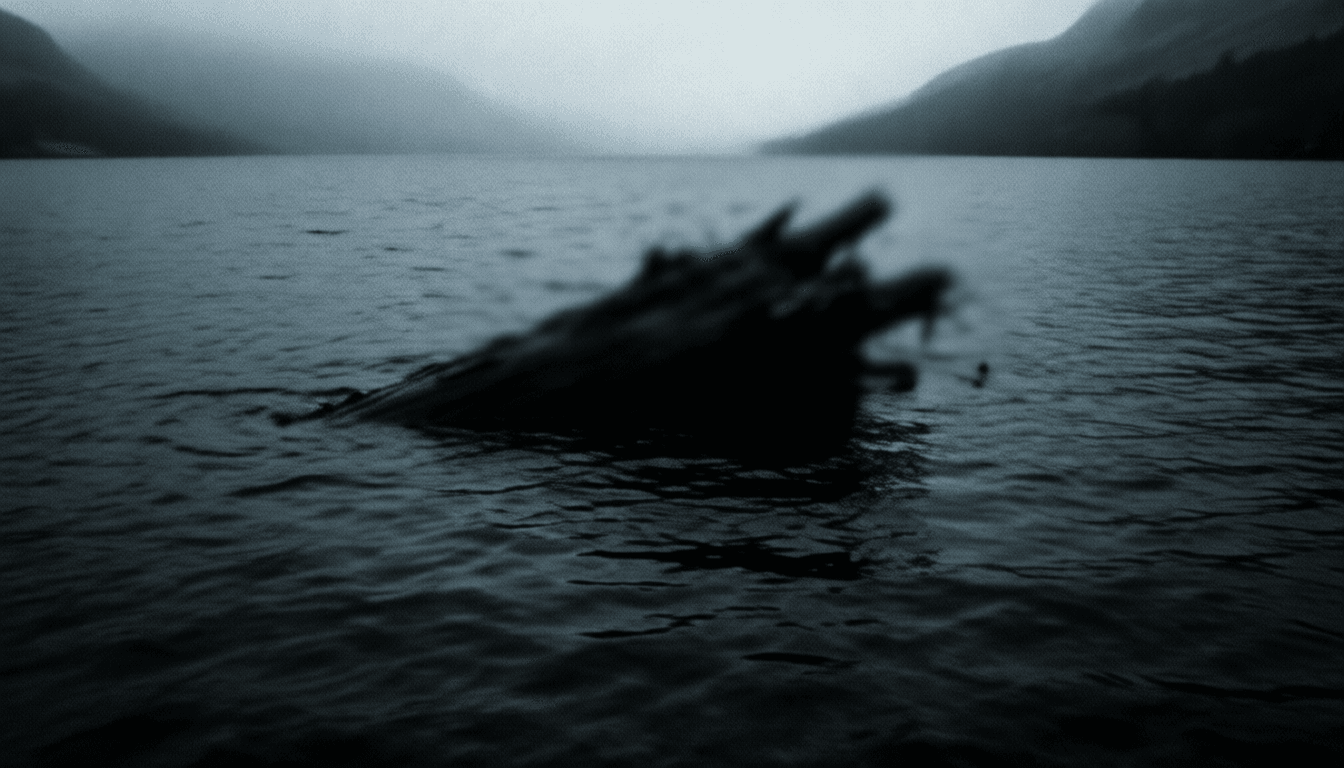
Similarly, known large fish species inhabiting the loch, such as sturgeon, are rare and generally do not exhibit the same characteristics. Floating debris and optical illusions are also frequently cited, but do not fully account for consistent observations by multiple witnesses. The sheer volume of water, approximately 7.4 trillion liters, and its deep, stratified depths mean that a population of unknown large creatures could potentially exist undetected.
However, the energy requirements for such a population to survive in a lake with relatively low nutrients and a limited food chain present a significant biological hurdle. Could a population of animals large enough to cause reported disturbances truly exist without leaving clear traces, without migrating, and without naturally dying and their remains being revealed? This contradiction between persistent observations and scientific explanations further deepens the mystery, pushing the boundaries of conventional understanding.
Perhaps the most compelling and persistently unexplainable aspect of the Loch Ness phenomenon is the persistent, almost archetypal, description of the creature. Numerous eyewitnesses, from seasoned locals to skeptical tourists, describe a long, slender neck, a small head, one or more humps, and a dark, greyish-green color. This form strongly evokes the plesiosaur, a marine reptile, captivating imaginations despite the biological impossibility of a Mesozoic reptile surviving to the present day and even thriving in freshwater.
While famous hoaxes, such as the 1934 "Surgeon's Photograph," have undeniably shaped public perception of "Nessie," the detailed reports predate and transcend such fabrications. These consistent reports raise fundamental questions: Is this a collective optical illusion, where the human brain seeks patterns in ambiguity, or does it point to an unknown species uniquely adapted to this environment? What could cause such specific and repetitive visual stimuli?
Theories of giant unknown invertebrates or highly evolved deep-dwelling mammals have also been proposed, each carrying its own biological hurdles. The core anomaly is not simply the question of "what is it," but why so many people, over so many years and centuries, perceive "it" in such a specific way, like a specter of a primordial world lingering in the modern landscape.
Today, the vast, cold expanse of Loch Ness continues to guard a profound secret. Despite unprecedented technological advancements and generations of human curiosity, clear answers remain elusive. The loch endures as a powerful, brooding presence, its surface sometimes serene and reflective, sometimes churning with deceptive waves. Is it simply a canvas for human imagination, a cultural phenomenon built on misinterpretations and folklore? Or does it conceal a biological marvel, unknown to science, perfectly adapted to its dark, deep sanctuary?
The enduring wonder of Loch Ness lies not in a definitive conclusion, but in its vast, undiminished mystery. It serves as a potent reminder that even in an age of global exploration and satellite mapping, powerful realms of the unknown still exist, domains where nature reigns supreme and defies easy classification. The depths of Loch Ness whisper of things yet to be hidden, of the limits of our perception, and of humanity's ceaseless yearning to peer beyond the veil of understanding. As the sun sets over the ancient Scottish mountains, casting long shadows across the water, the profound and unanswered questions surrounding this remarkable loch inspire deep awe, making us ponder the myriad secrets the natural world may yet hold.

[ CLASSIFIED VERDICT ]
[ACCESS LOG - SOURCE FILE]
In the vast Loch Ness of the Scottish Highlands, there's a legend of a giant creature, 'Nessie,' witnessed by thousands but scientifically unconfirmed. This story chronicles humanity's persistent attempts to unravel the mystery, intertwining modern scientific technology with countless testimonies in an ancient landscape.