Knossos Palace: The Minotaur's Labyrinth and a Lost Civilization
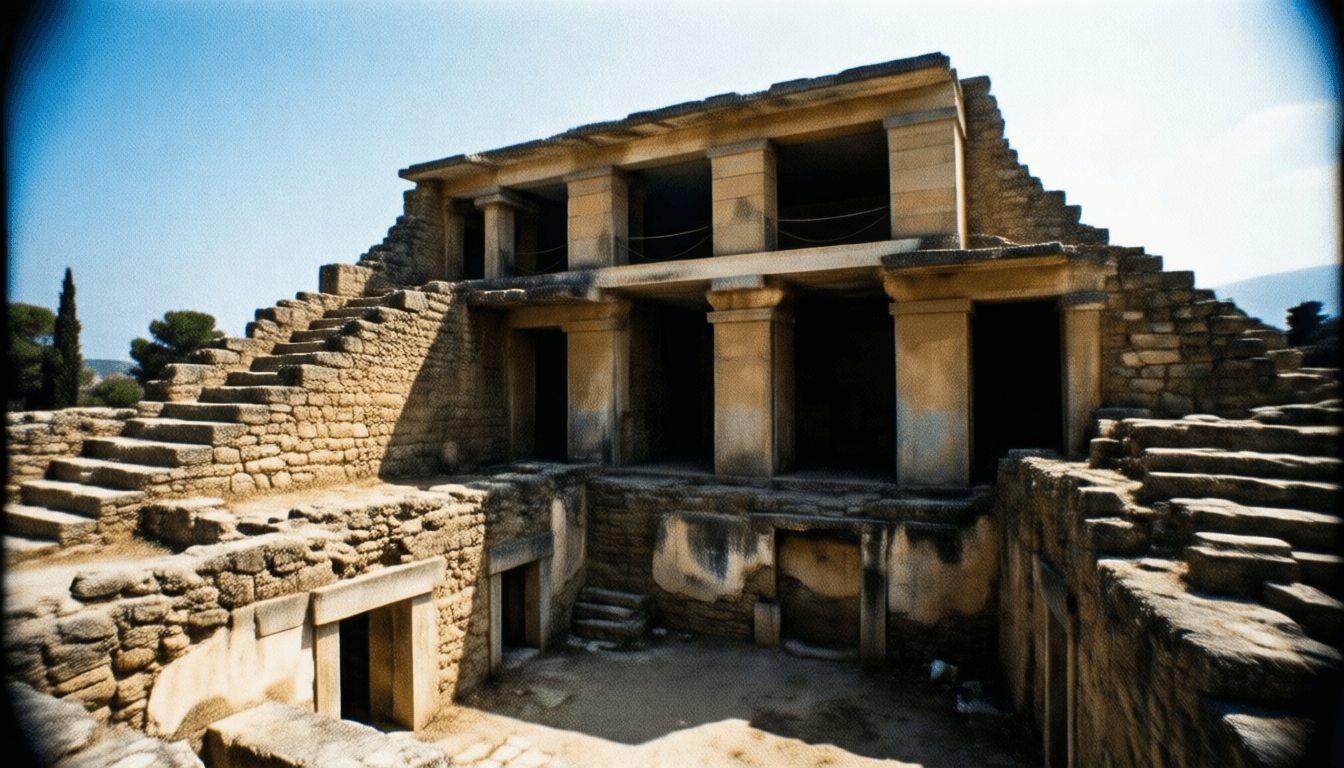
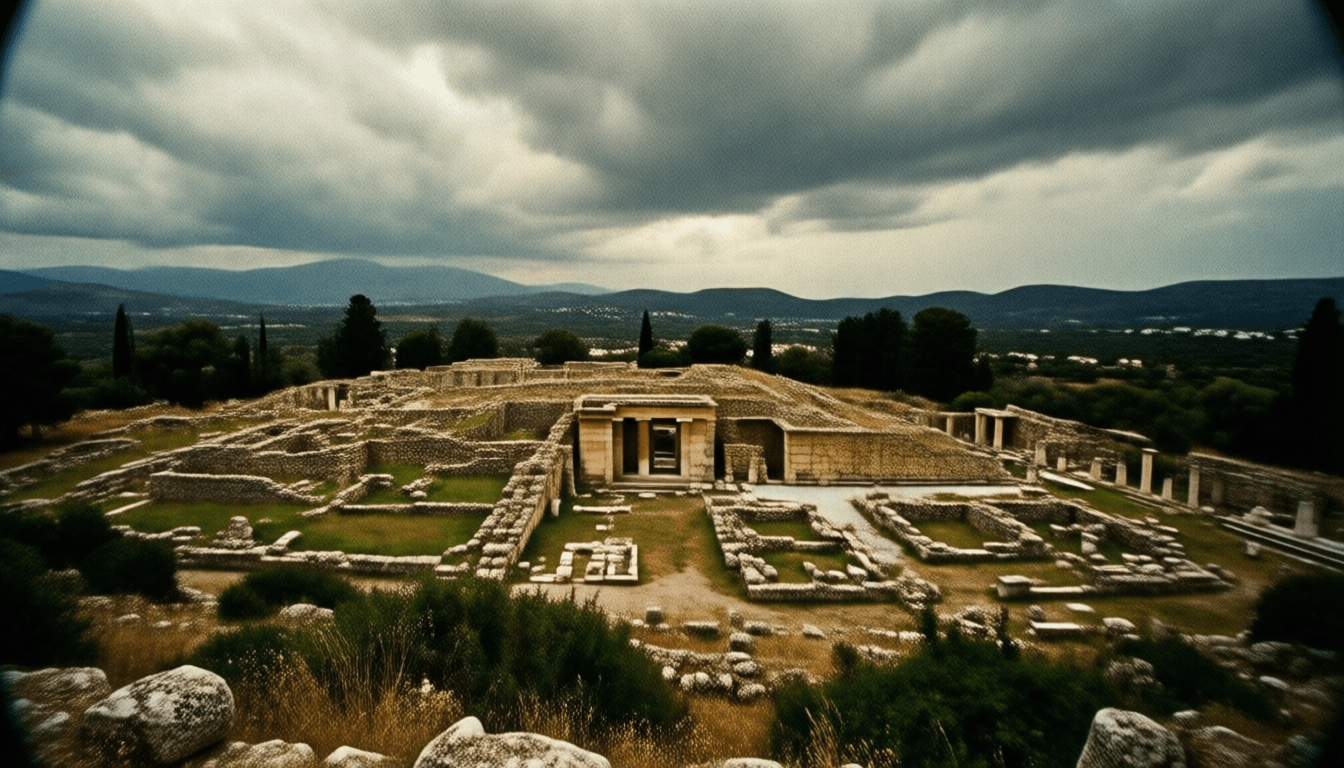
At the heart of Crete, on the Kephala hill, lies the archaeological marvel, Knossos Palace. Its vast and intricate structure seems to be a direct embodiment of the ancient Greek myth of the Labyrinth, built by Daedalus to imprison the Minotaur. Excavated and extensively restored by Sir Arthur Evans in the early 20th century, it emerged not merely as ruins, but as vivid evidence of a highly advanced civilization that thrived 4,000 years ago. Its multi-story buildings, sophisticated drainage systems, and vibrant frescoes showcase a society of immense power and artistry, yet Knossos remains shrouded in deep mystery. This seemingly powerful and peaceful empire vanished into an inexplicable silence, leaving behind an architectural enigma, its true history accessible only through fascinating fragments and the persistent echoes of myth.
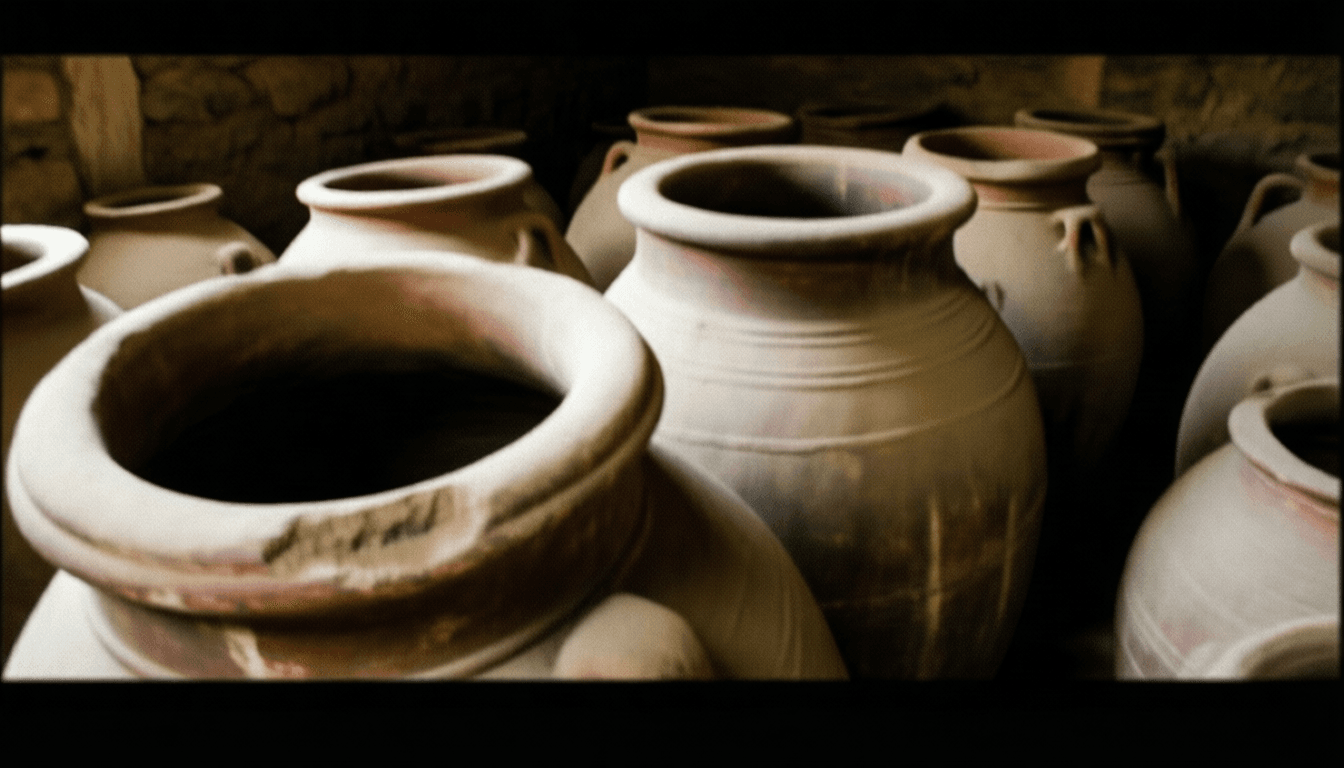
To step into Knossos Palace today is to walk among the monumental skeleton of a Bronze Age capital, an experience that immediately challenges our preconceptions of antiquity. Spanning over 17,000 square meters, the palace comprises some 1,300 interconnected rooms, courtyards, workshops, and residential quarters, built with incredible sophistication between 2000 and 1450 BCE. Beyond the grand West Court lie vast storerooms filled with pithoi, enormous ceramic jars capable of holding thousands of liters of oil or grain. The 'Grand Staircase' stands as a testament to multi-story architectural prowess, bathed in light thanks to ingenious lightwells that carried natural illumination deep into the structure.
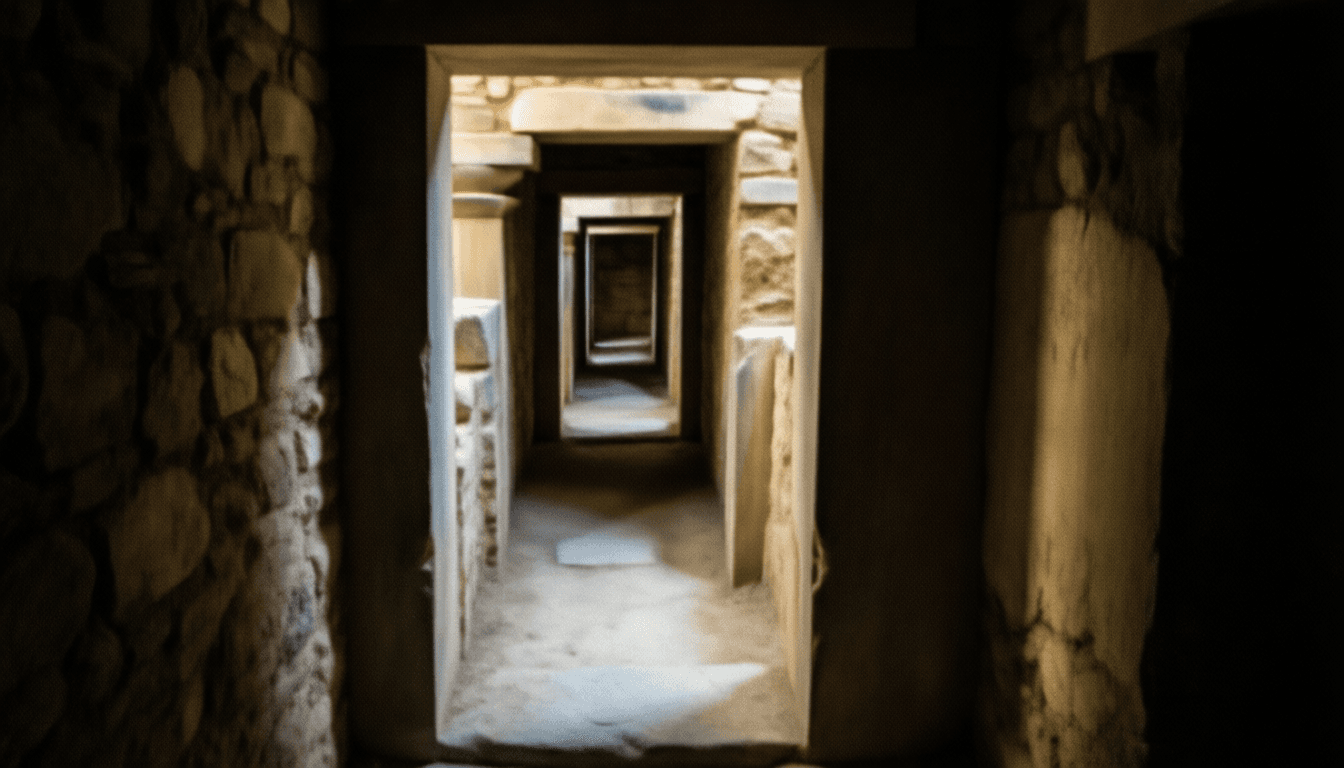
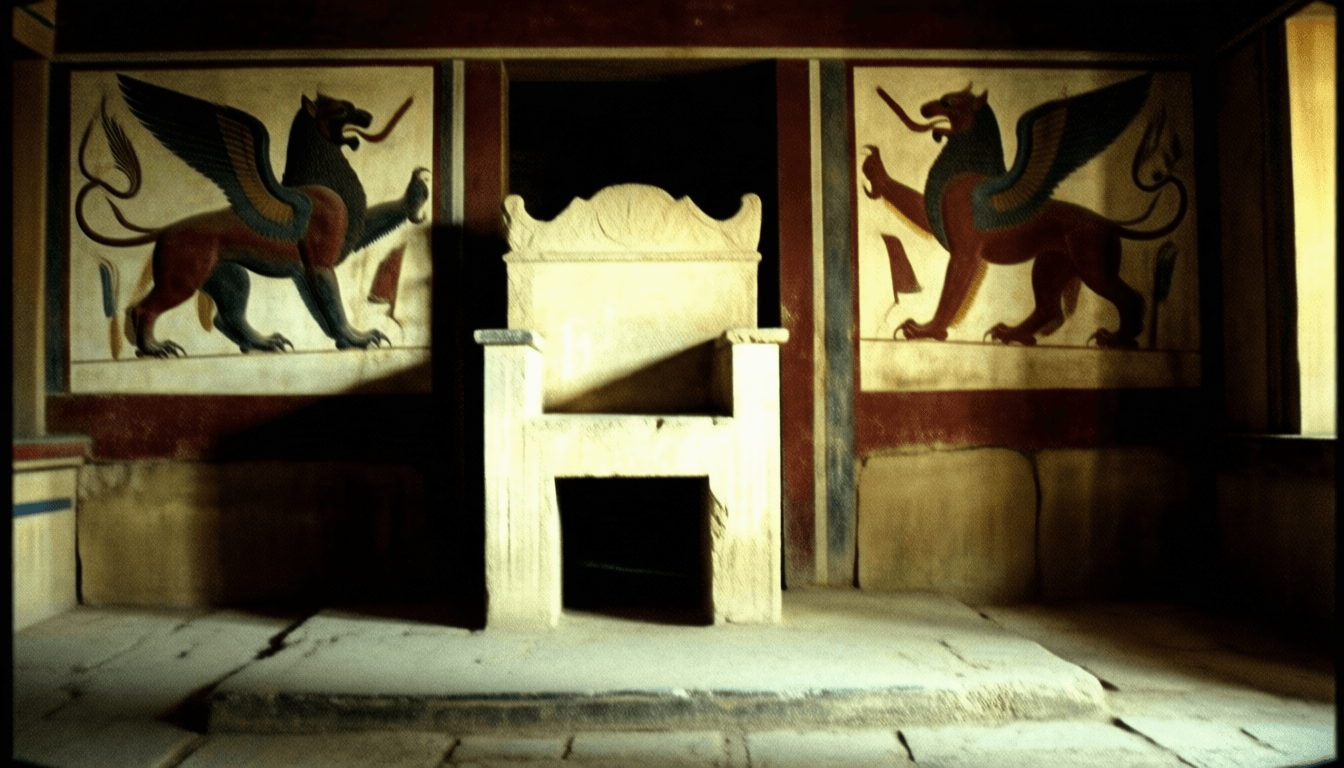
Beyond sheer scale, the practical ingenuity is astounding. Elaborate drainage systems carried away rainwater and sewage, while pipes supplied fresh water, technologies centuries ahead of their time. Vibrant frescoes depicting graceful dolphins, leaping bulls, and elaborately dressed figures hint at a life centered on ritual, nature, and perhaps leisure. The famous 'Throne Room', with its gypsum throne flanked by griffins, offers a glimpse into Minoan power, yet its purpose and the identity of its occupant remain subjects of debate.
Further clues are provided by the Linear A and Linear B tablets discovered throughout the palace. Linear B, predominantly administrative records, has been deciphered as an early form of Greek, hinting at later Mycenaean influence. However, Linear A, the earlier script unique to the pure Minoan civilization, remains undeciphered, fiercely guarding the secrets of the original inhabitants.
Despite all this prosperity and power, Knossos Palace presents a profound paradox: it was barely fortified. Unlike contemporary Bronze Age strongholds across the Aegean, built with massive Cyclopean walls, Knossos shows minimal defensive architecture, suggesting an unprecedented era of peace, perhaps thanks to naval supremacy or unique diplomatic influence. How could such a wealthy and influential state exist for centuries without robust defenses?
Then, around 1450 BCE, this magnificent civilization met a sudden and catastrophic end. Knossos, along with other Minoan palaces, was largely destroyed. Leading theories point to natural disasters. The massive eruption of the Thera volcano (modern Santorini) around 1600 BCE could have triggered tsunamis that devastated coastal settlements and subsequent earthquakes. Alternatively, it might have been a series of powerful seismic activities common to the region. However, even if these events can explain widespread destruction, they fall short of accounting for the complete societal collapse and the rapid shift in power as Mycenaean Greek culture replaced Minoan civilization across the Aegean. Was it purely natural disaster, or did unknown human conflicts play a role in the demise of a civilization whose peaceful artistic expression stood in stark contrast to the militarism of its successors? No single theory fully explains the comprehensive annihilation of this unique empire and its subsequent cultural subjugation.
Knossos's most compelling mystery lies in its very architecture: its Labyrinth-like qualities that gave birth to the Minotaur myth. The palace was not built around a clear axis or a single monumental temple. Instead, it unfolded organically, forming a sprawling, multi-story maze of rooms, corridors, and courtyards where one could easily lose their way. Was this a deliberate design, reflecting a belief system we no longer understand, or merely the result of centuries of organic growth and rebuilding? The complete absence of colossal idols or grand temples dedicated to specific deities, common in other ancient cultures, is particularly striking. Instead, sacred spaces were integrated into the very fabric of the palace, suggesting a more immanent, nature-centric spirituality.
Furthermore, the prevalence of the bull motif – in frescoes, ritual vessels (rhyta), and the depiction of the enigmatic bull-leaping ritual – raises profound questions. Was the myth of the half-man, half-bull Minotaur a folk memory of ancient, powerful rituals performed within the palace's complex spaces, or a symbolic representation? Was the 'Labyrinth' the palace itself? Did foreign envoys wander lost within its confines, encountering strange customs and potent symbols, fueling later legends? Despite its apparent wealth and administrative acumen (as suggested by the Linear A tablets detailing elaborate records), the Minoan civilization left no historical narratives or king lists. Their identity, true spiritual beliefs, and the exact nature of their relationship with the bull remain deeply hidden within their undeciphered language and symbolic art, posing profound enigmas to this day.
Centuries after its rediscovery, the stony arteries of Knossos still pulse with the heartbeat of unresolved history. We walk through its rediscovered corridors, touch ancient plaster, and glimpse fragments of a world that existed on the precipice of legend and history. Was the Minotaur myth a dark echo of bull rituals, a metaphor for the complex power structures of a forgotten empire, or merely a cautionary tale invented by later Greeks struggling to comprehend the complexity of the civilization that preceded them? Knossos Palace stands as a silent challenge, its labyrinthine paths and enigmatic art posing more questions than answers. It reminds us that even with our most advanced archaeological tools and dedicated scholarship, some of humanity's most profound stories remain beyond our complete grasp. It is a testament to the enduring awe inspired by the indelible blueprint of an existence left by a vanished civilization, builders of an ancient world wonder, and the pervasive whispers of a monstrous myth. The full story of Knossos’s true architects and their magnificent, baffling world remains trapped within the complex labyrinth they left behind, even today.
[ CLASSIFIED VERDICT ]
[ACCESS LOG - SOURCE FILE]
The ancient Knossos Palace on the island of Crete is believed to be the inspiration for the Labyrinth in the Minotaur myth. While it showcases the heart of the flourishing Minoan civilization and astounding architectural prowess, this powerful culture mysteriously vanished around 1450 BCE, leaving behind deep enigmas. Its minimal fortifications, undeciphered script, and bull-worship rituals raise many questions about the true history of this ancient empire.