The Imprint of Violence
In October 2015, the exhumation of the remains of former Burkina Faso President Thomas Sankara broke decades of official silence surrounding his death. The forensic report, later released, confirmed death by multiple gunshot wounds, a truth that directly contradicted the government's long-held narrative of a 'stray bullet' or 'accident'. However, what spurred deeper, unofficial investigation were whispers from the Burkina Faso forensic team. Instead of discussing bullet trajectories or fragment counts, they spoke of persistent, low-level atmospheric anomalies experienced at the initial burial site and, crucially, at the Conseil de l'Entente building in Ouagadougou, the capital, where the assassination was believed to have occurred. Specifically, they reported inexplicable drops in temperature, localized extreme pressure, and a continuous metallic odor 'like old blood deeply soaked in' whenever physical evidence was examined on site. These details, cleanly redacted from official reports, leaked through unofficial channels, igniting an investigation into a deeper 'resonance' of the tragedy.
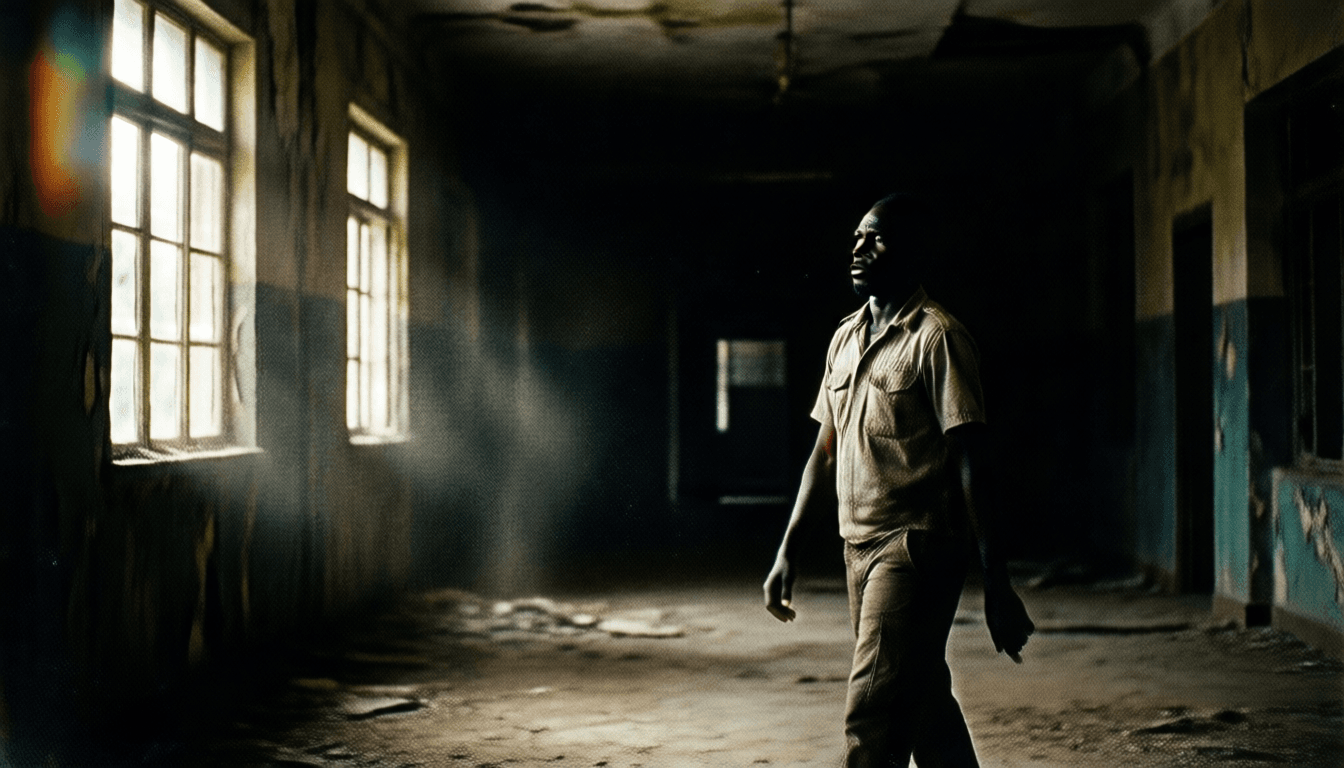
Drawn by these ambiguous testimonies, the investigation turned to the abandoned Conseil de l'Entente building in Ouagadougou. I gained access under the guise of a 'historical architectural survey,' common in the region. The building had been left largely untouched since the coup on October 15, 1987, standing as a monument to administrative neglect. Upon entering, the overwhelming reality was confirmed. The air was heavy, thick with the cloying smell of mold and decay. Sunlight filtering through stained windows illuminated dancing motes of dust, yet the interior was steeped in a deep, artificial silence. Each step creaked on floorboards, and the distant sounds of the city seemed to actively shy away from the building. The objective was to reach the specific office suite believed to be the primary site of the assassination. While the October Ouagadougou outside was scorching hot, the heat seemed to coalesce even further inside the building.
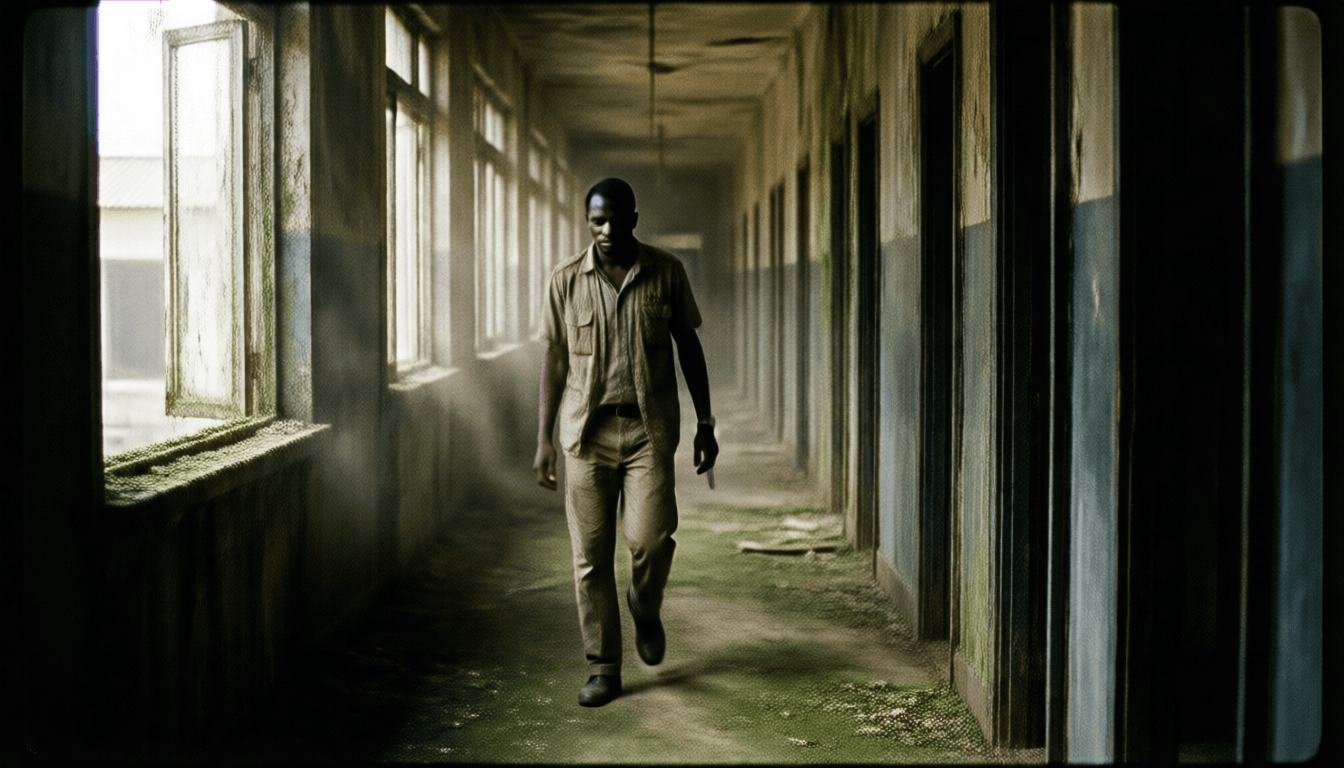
Within the targeted office suite, initial environmental scans immediately registered an anomaly. Despite the fierce heat outside and the building's general internal temperature, the room itself harbored a strangely localized chill. Within a two-meter radius of the center, thermometers consistently recorded a 12-degree Celsius drop, an inexplicable phenomenon given the lack of airflow or external cooling units. The profound silence, initially attributed to the building's dereliction, intensified within this space. Ambient sound recording equipment picked up only a deep, almost painful stillness, rather than the low-frequency hum common in urban environments. This sonic void was disorienting, making me acutely aware of my own heartbeat. A faint, acrid odor, a mix of ozone and rust, began to permeate the air, growing stronger as I neared the 'cold spot'. Over the thick layer of dust on all surfaces, peculiar linear disturbances were visible, as if an unseen something had been dragged across the floor, abruptly ceasing in the room's center. The understanding that this was not random, but a precise, localized deviation, maximized psychological pressure.
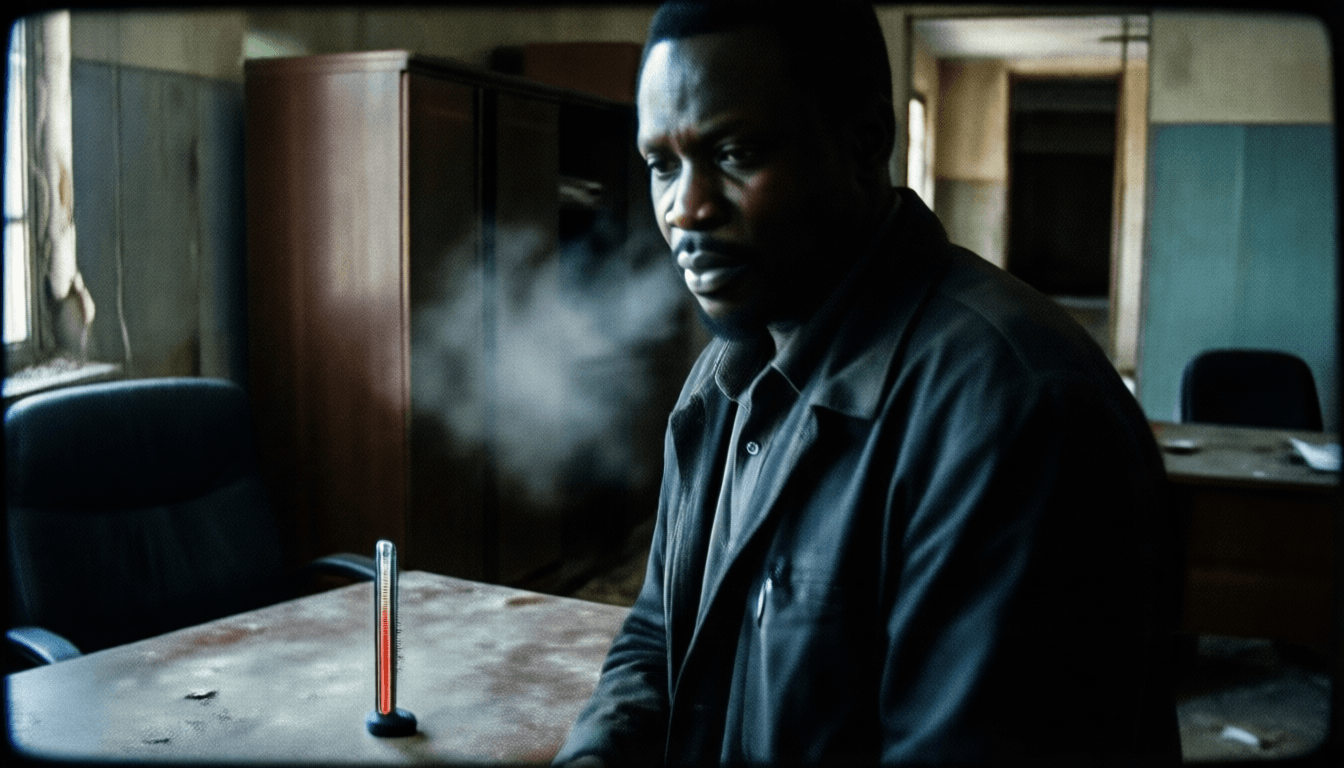
As the investigation continued, the anomalous activity grew more intense. My portable recorder, which had only captured my breathing, began to pick up faint, distorted echoes. Unexplained 'clicks' and dull 'thuds' intermittently sounded within the room. The oppressive cold from the central 'cold spot' intensified, creating a chill that felt like it started deep in the bones. Suddenly, the heavy wooden door, which had been slightly ajar and seemed fixed, slammed shut with a deafening crash. The antique lock mechanism engaged with a chilling click. I was trapped.
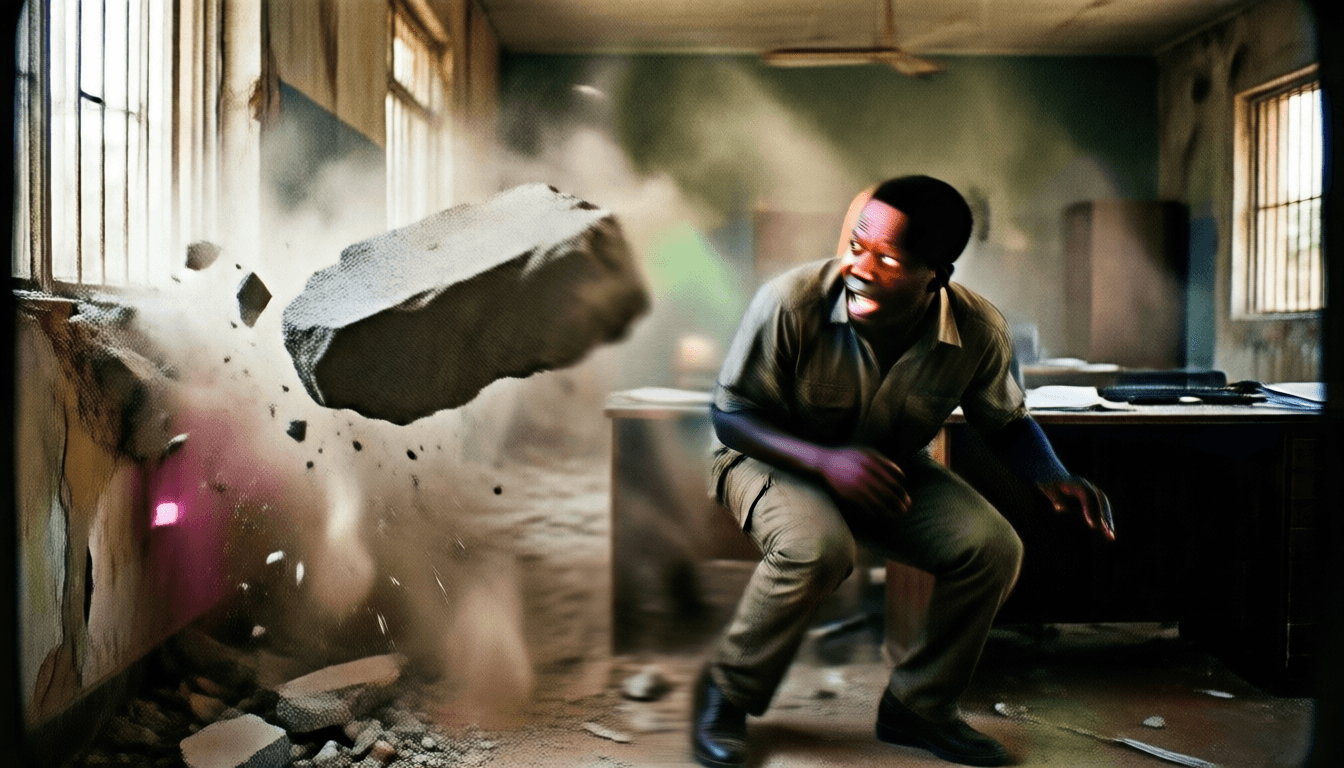
An abrupt, immense pressure descended from above. It wasn't a physical weight, but an atmospheric force that made movement slow and arduous. The air itself felt viscous and thick. In the very center of the cold spot, a section of the lime-washed wall, decades of paint and dust layered upon it, began to subtly vibrate. Without warning or cause, a large, heavy mass of lime and concrete, easily several kilograms, tore itself from the wall and hurtled with violent force. The fragment grazed my head by mere inches before embedding deeply into the opposite wall. The impact rattled the entire floorboard. Immediately, the paralyzing cold returned. In the extreme chill, a sudden, localized burst of intense heat seared my skin, a sharp, burning pain erupting across my chest. The overwhelmingly metallic odor intensified, now mixed with a faint, almost imperceptible smell of burning fabric. This was no passive residue. The violence imprinted on this space was actively and maliciously reasserting itself as an environmental rejection, a physical manifestation.
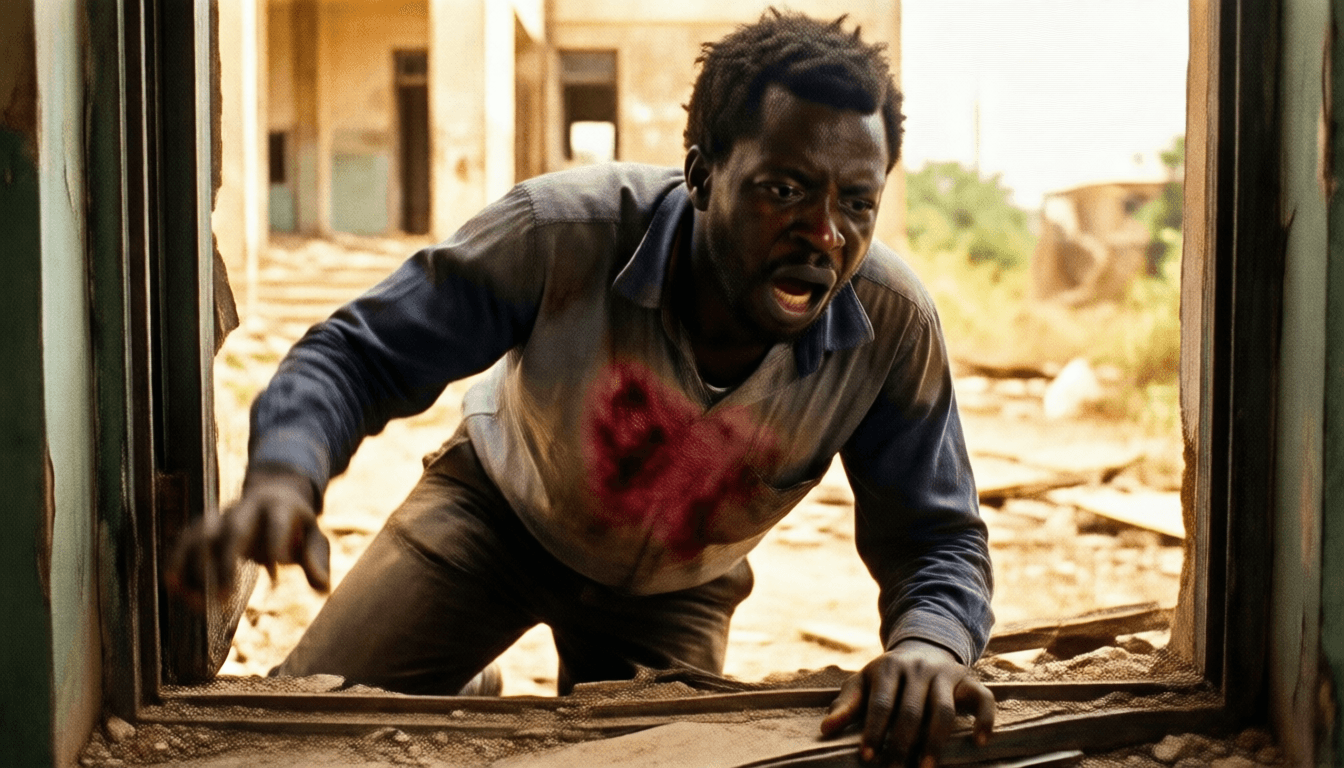
The escape from the Conseil de l'Entente building was agonizing. I exploited a structural weakness near a window, desperately clawing my way through the decaying skeleton of the building. When I finally emerged into the scorching sun of Ouagadougou, I was gasping, my body shaking uncontrollably. The physical toll was immediately apparent. On my chest, where the strange heat had struck, a deep, reddish bruise with a peculiar pattern, as if pressed by invisible fingers, rapidly bloomed. My dominant palm bore a hairline fracture, consistent with bracing against a sudden, unseen impact. My recovered recording device contained only silence and the distorted, hoarse echoes from the office, but the very end captured the sudden cutoff of an unidentifiable pressure wave. No entity was directly seen, no ghostly apparitions. Only undeniable physical evidence of a violently corrupted environment remained. What I encountered was not a ghost, but the conviction that the trauma of an assassination, the sheer force of human malice, was so deeply imprinted that it distorted the very fabric of reality within that space. Thomas Sankara's body was exhumed, its fragments examined. But the true, full nature of his violent death, the unseen energies of that day, remains unaltered, a permanent and deadly stain in the physical world, within the walls of the Conseil de l'Entente.
[ CLASSIFIED VERDICT ]
[ACCESS LOG - SOURCE FILE]
This story is based on the real-world event surrounding the assassination of Burkina Faso President Thomas Sankara in 1987. His death, long presented as an accident, was revealed to be a murder from multiple gunshot wounds after his remains were exhumed in 2015. Unofficial rumors circulated, particularly about unexplained atmospheric anomalies at the building where the assassination allegedly took place.