The Hungry Cold: Horror of Whispering Pines
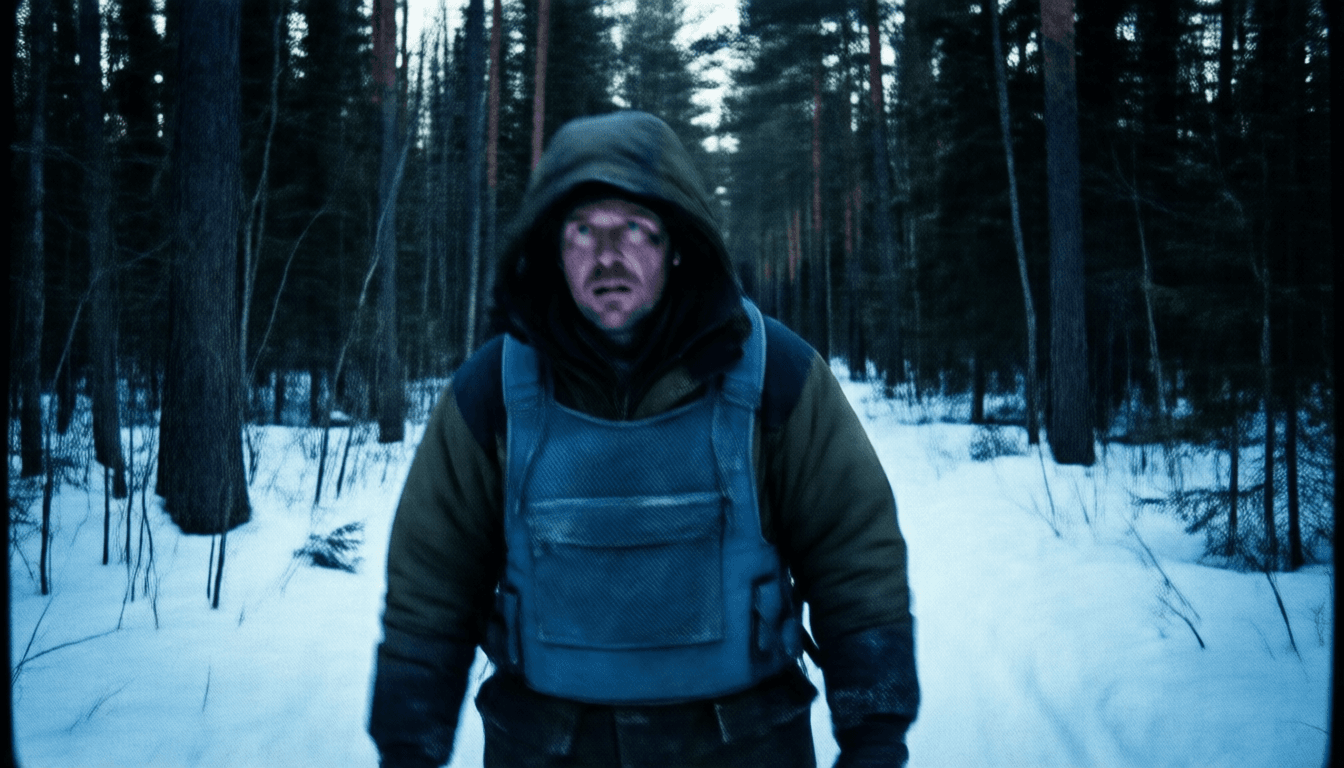
Official reports often present exposure, misjudgment, or animal attacks as cliché explanations for the inevitable tragedies of the northern wilderness. However, around the 'Whispering Pines' area of Algonquin Provincial Park, inconsistencies have accumulated. Over the past three winters, five individuals—an experienced trapper, a bush pilot, a seasoned survivalist, and two wilderness guides—have vanished within the boundaries of this region. When their gear was recovered, it bore undeniable marks of inexplicable destruction. Tents were torn from the inside, high-calorie food packs ripped open and discarded, food untouched, yet showing efforts to ward off extreme, almost irrational hunger. The most disturbing commonality wasn't the disappearances themselves, but the contents of satellite phone calls, often brief and frantic, or fragments of recovered journals. Phrases like 'The cold is inside me,' 'I can't eat but I'm starving,' 'The silence is screaming,' and, chillingly often, 'It's watching, so hungry.' One missing trapper's GPS device showed his last recorded position as a frantic, impossible dash deeper into the most inaccessible parts of the pine forest, followed by a sudden, complete loss of signal. Locals, including indigenous descendants, do not speak of animals or ill fortune. They whisper of the 'Hungry Cold,' a spirit of the barren lands that not only kills but devours the very essence of warmth and reason. My archival work led me to investigate this pattern, not as an explanation, but as a narrative.
The snow was already waist-deep as my snowmobile struggled through an old logging road. The GPS etched a skeletal map of the 'Whispering Pines' trail system. Despite layers of thermal wear, the air was sharp, almost brittle with cold. It felt as if it sought to strip the warmth from my bones. The moment I crossed the unofficial boundary into the designated 'Whispering Pines' area, the change was palpable. Familiar forest sounds—the dry rustle of leaves on the wind, the distant cry of a crow—simply ceased. An absolute, oppressive silence descended, swallowing even the roar of my snowmobile. It was as if the air itself had become too dense to carry sound. The tall, dark pines stood like sentinels, their branches heavily laden with untouched snow, casting deep, impenetrable shadows even in the harsh winter sunlight.
I set up a basic base camp near the last known coordinates of Mark Jensen, the missing survivalist. His discarded snowshoes lay half-buried in the snow, their bindings gnawed through. Nearby, an empty thermos lay uncapped, a faint, acrid scent clinging to the frozen air. It wasn't smoke, nor decay, but something sickly sweet and metallic, like burnt sugar mixed with old blood. The silence amplified every creak of my boots, every breath, making my presence feel invasive and unnaturally loud.
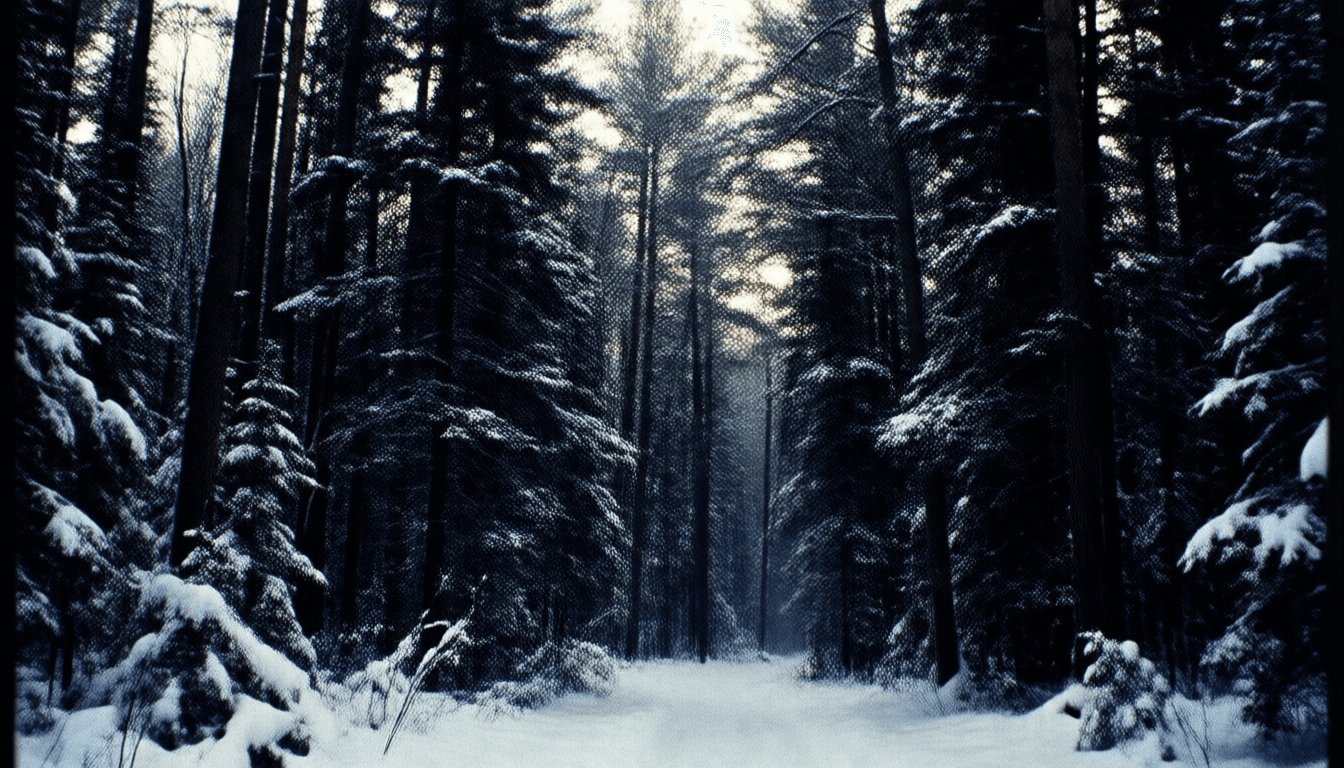
The first anomaly was sound. My own voice, when I spoke, sounded strange and flat, as if absorbed by an invisible wall. Shouting was futile; the sound simply died, consumed by the profound stillness. Then there were the echoes. A sharp strike of my axe against firewood would, not instantly, but after a delayed, impossible interval, return distorted and faint, from an impossible direction. The cold deepened. It felt like an entity. It was a pain that didn't just chill the skin through my thermals but gnawed deep into my bone marrow. My core temperature was stable, yet I found myself shivering uncontrollably.
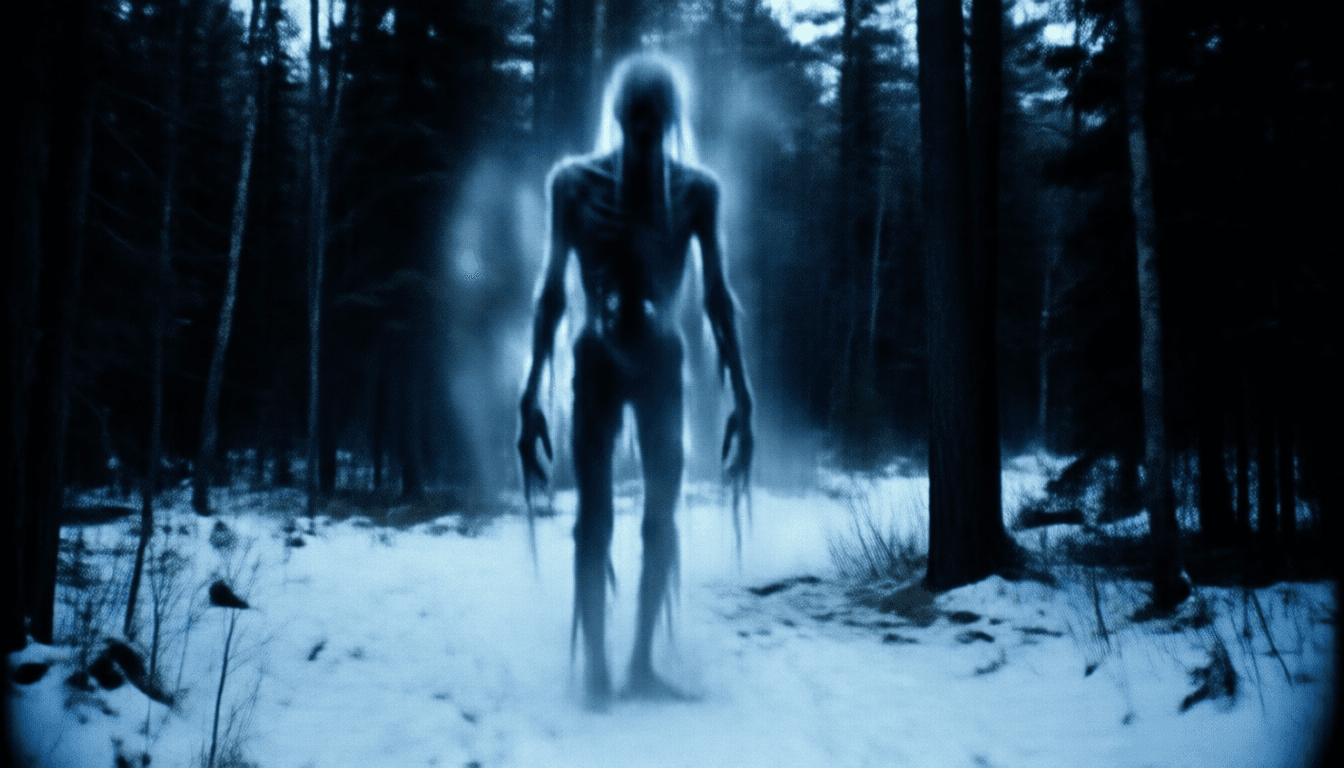
A gnawing hunger began insidiously. Despite a hearty meal just hours before, an intense, almost frantic craving emerged. A craving, specifically, for raw. It was a primal, unpleasant urge that transcended reason. Then, in the periphery of my vision, I saw it. A movement, fleeting between the pines. A figure too tall, too emaciated, that seemed to melt back into the shadows before I could properly focus. Not a bear. Its gait was wrong. A fluid, unnatural grace that covered impossible distances in a single step.
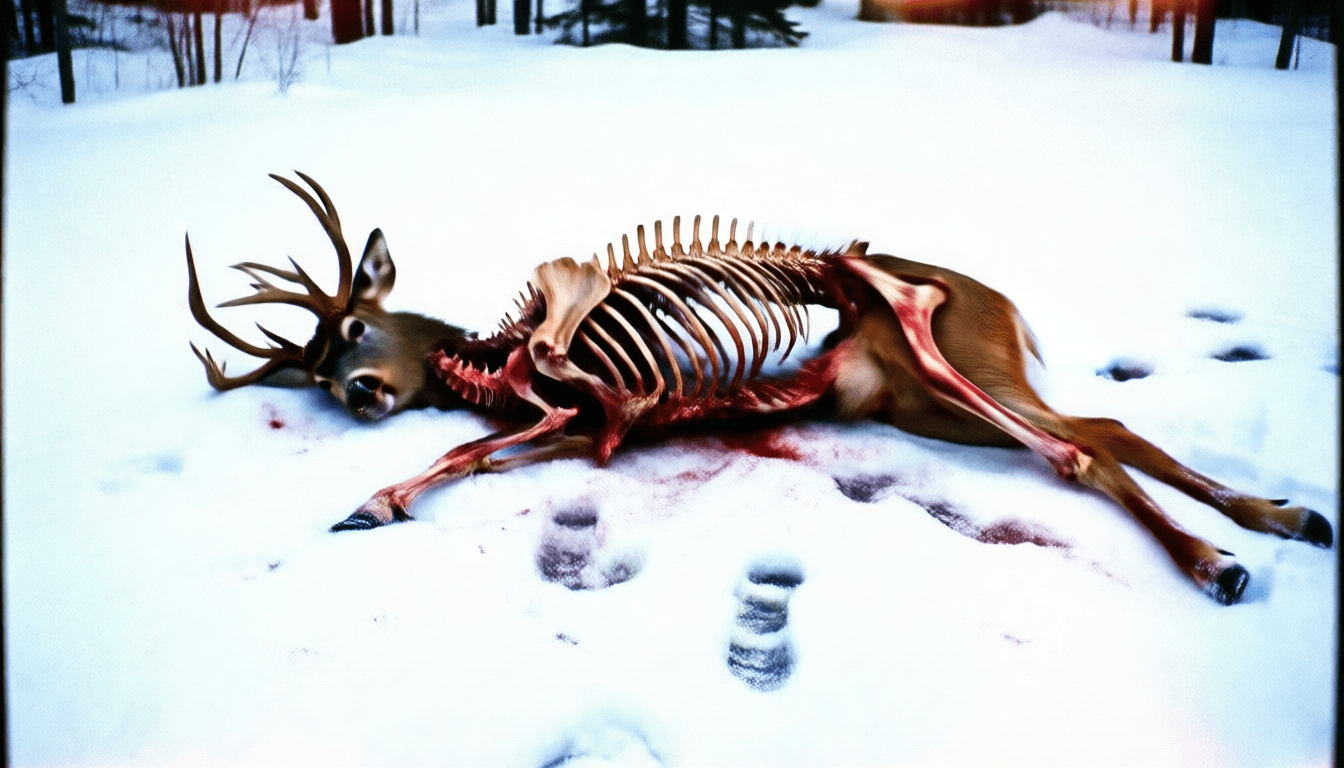
Later, I found the carcass of a freshly killed deer. Every morsel of flesh meticulously stripped. The bones were polished clean. But around it, there were no tracks. Not even my own. Only a series of irregular indentations in the snow. Impossibly long strides that seemed to begin nowhere and lead nowhere, appearing and vanishing in the deep snowdrifts. With the darkening sky, the cold intensified. It was not merely ambient temperature, but felt like a concentrated pressure. I began to hear a faint, dry rustling. Like dry leaves scuttling across frozen ground. Always just beyond the reach of my hearing, always behind me.
The rustling grew louder, closer. It seemed to emanate from the very air around me. I felt its gaze, the palpable weight on my back, the persistent scrutiny of a predator. My rational mind clamored for explanations, but my animal instincts were already in full flight. I ran. Plunging through the deepening snow, each step felt like slogging through viscous syrup. The pines closed in around me. Branches clawed at my face, the oppressive presence of the silence choking me.
I burst into a small clearing. Ahead, a ravine, deep with snow. A dead end. As I turned, despairing, it stood there. Impossibly close, having traversed the ground with a speed that defied physics. It was tall, impossibly gaunt, like a twisted, rime-etched skeleton. Its taut, grayish skin seemed to absorb even the faint light. Its eyes were sunken pits of predatory hunger, yet held an ancient, ghastly flicker of something that was once human. A profound, consuming hunger burned within me, threatening to overwhelm my sanity. A raw, animalistic craving, magnified a thousandfold by its proximity, felt both mine and not mine.
A scream, unnatural in its origin, tore through the unnatural silence. It was not a resonance of air or voice; it was pure hunger and rage vibrating through my very bones. The scream brought me to my knees. The air around it pulsed with an agonizing cold. It felt like dry ice, burning my skin. Instead of roaring, it lunged, with terrifying, silent speed. Long, impossible fingers extended, grasping my forearm. The contact was not merely cold; it was absolute zero itself. It burned through my glove, through layers of clothing, instantly to the bone. I felt the immediate, excruciating pain of flesh solidifying into frostbite, not gradually, but in an instant. A decaying, ice-cold, foul breath ghosted past my ear. And then there was the whisper. A sound like dry branches scraping together filled not my ears, but my entire mind. "So cold... so hungry..." The words were not my own, yet terrifyingly real.
With a desperate, animalistic grunt, I swung my ice axe wildly. It connected with the hard, solid feel of frozen wood, scoring a shallow wound on the impossibly taut skin of its arm. It recoiled with a short, sharp hiss of frustration, not pain—a sound like steam escaping a frozen pipe. That moment of reprieve was all I needed. I tore free, my arm already numb and burning, running blind with terror, caring only for escape from the all-consuming, hungry cold.
Two days later, I was found miles beyond the 'Whispering Pines' boundary. Delirious, frostbitten, muttering incoherently about hunger and cold. My left forearm, where it had grasped me, was severely frostbitten, but not with the clean, predictable pattern of exposure. It bore the distinct imprint of five unnaturally long fingers. The scar never quite thaws, retaining a deep, internal chill even in the warmest rooms.
I recovered, but the wilderness holds no allure for me now. The silence that once brought comfort is now a terrifying dread. I am constantly cold, constantly layering clothes, yet the chill feels implanted within me. A phantom ache, deep in my bones. And the hunger. It is always there. A bone-gnawing emptiness that no amount of food can fill. I eat voraciously, compulsively, yet the feeling persists. Sometimes it comes with a repulsive craving for something raw, something unprocessed, which I consciously have to suppress.
I completed my report. I meticulously detailed the environmental anomalies, the impossible sounds, the appearing and vanishing tracks, the profound, consuming cold, and the entity that defied explanation. I did not explicitly name it, only described the raw, horrific hunger it embodied. Sometimes, when the winter winds howl just right, I hear it again. The dry rustle, the faint, impossible echo, and the unspoken promise of an eternal, unquenchable cold. And I know with absolute, terrifying certainty: the investigation had not unearthed an old myth, but merely confronted me with a truth so profound, so ancient, and so terribly hungry. The record was complete, but the hunger, I feared, had only just begun.

[ CLASSIFIED VERDICT ]
[ACCESS LOG - SOURCE FILE]
This story delves into the mystery surrounding disappearances in Algonquin Provincial Park in northern Canada, particularly in the 'Whispering Pines' area. Local residents whisper that these aren't mere animal attacks or misfortunes, but rather the work of the 'Hungry Cold,' a spirit of barrenness that devours even warmth and sanity. This narrative is based on North American indigenous legends about beings transformed by extreme cold and starvation, who then hunt humans.