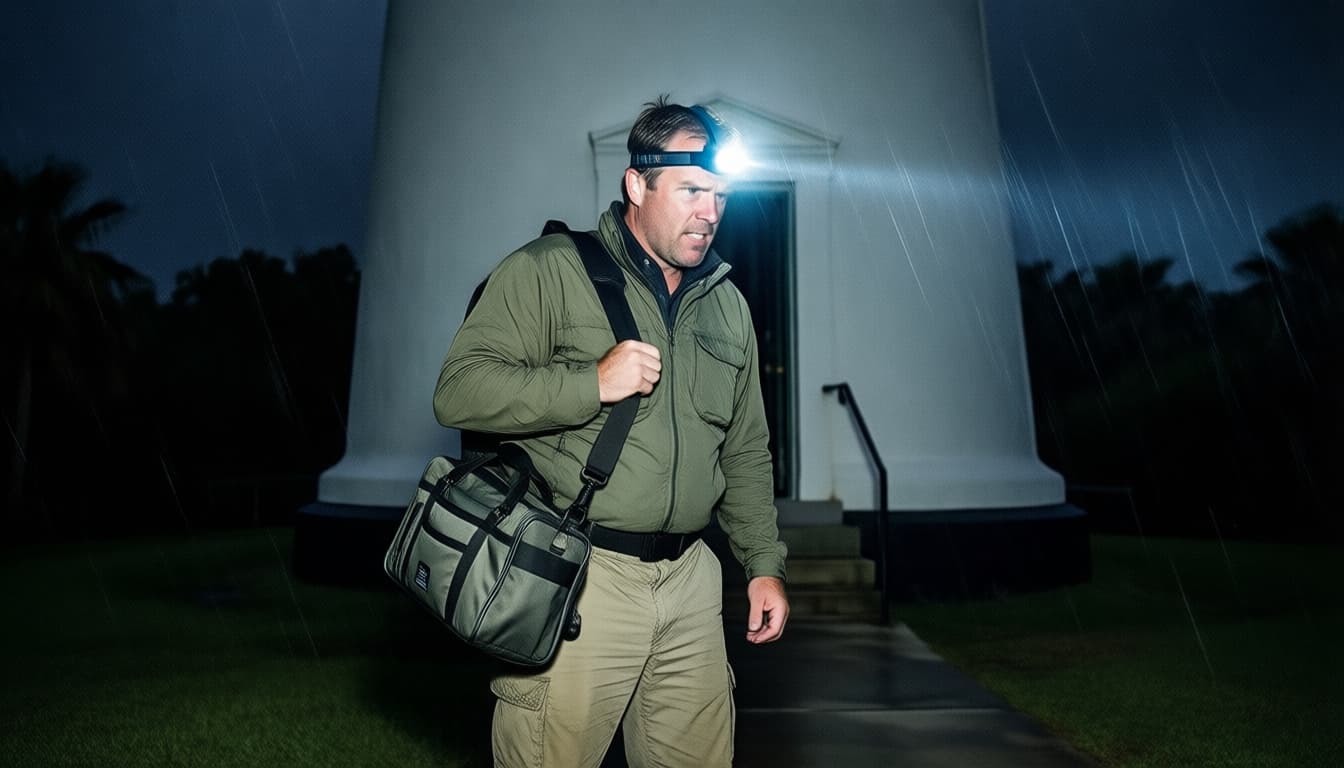
The Ghosts of St. Augustine Lighthouse
St. Augustine Lighthouse, the oldest lighthouse in Florida, is more than just a historical landmark. According to persistent local legends and countless visitor testimonies, it is a hub of paranormal activity. For decades, official tour guides and former lighthouse keepers have reported disembodied voices, flickering lights, and the chilling sounds of children’s laughter and footsteps echoing from the top of the 219 spiral stairs. Online forums are rife with blurry photos of inexplicable shadows, EVP (Electronic Voice Phenomena) recordings capturing faint whispers, and firsthand accounts of experiencing cold spots and invisible touches.
The most compelling and unsettling of these claims are linked to two historical tragedies: the drowning of two young daughters of lighthouse keeper Hezekiah Pittee in 1873 while playing near the lighthouse, and the death of assistant keeper Joseph Andreu who fell from the lighthouse in 1859. Are these merely echoes of past sorrow, or are there actual presences? I sought to move beyond mere anecdotal evidence and find verifiable proof within this structure of iron and brick. Tonight, after the lighthouse closed, I intended to spend a long night in the heart of these persistent rumors, armed with precise acoustic and thermal detection equipment.
The air inside the lighthouse was heavy with damp salt and the faint metallic tang of old machinery. My headlamp’s beam cut through the pitch-black darkness, illuminating the spiral staircase. Each of the 219 iron steps felt cold and timeless beneath my boots. The initial silence was profound, broken only by the rhythmic crash of waves against the coquina shore in the distance, a sound that, despite the proximity of the ocean, felt strangely muffled. My equipment bag, heavy with parabolic microphones, thermal cameras, and EMF detectors, bumped against my hip with every step.
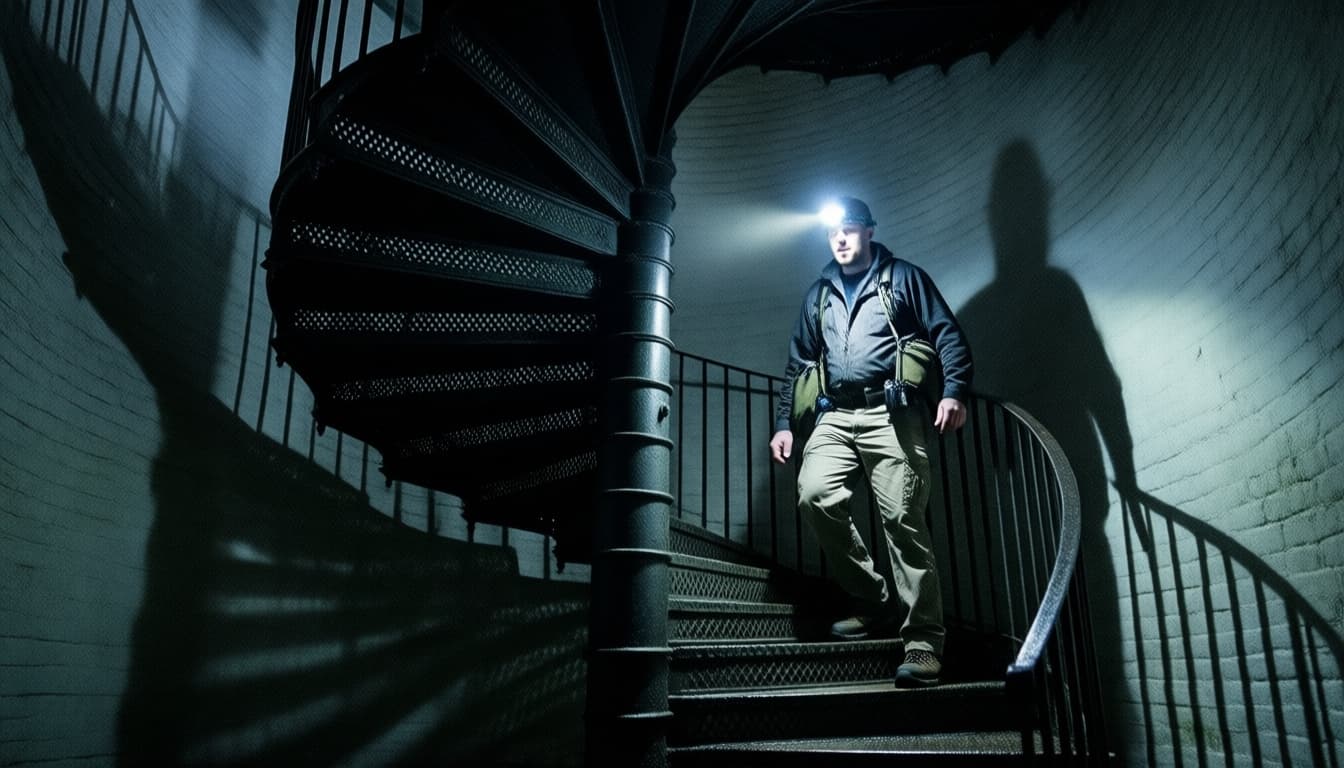
I began my systematic ascent, stopping at regular intervals to take baseline environmental readings. Temperatures were consistent, electromagnetic fields registered within normal parameters, and audio recordings captured only my breathing and the distant roar of the ocean. The lower levels of the lighthouse felt solid and monumental. But as I climbed higher, a sense of pressure intensified. The circular walls subtly narrowed, and the light filtered through the sparse windows appeared dim and submerged. I focused on the structure itself: the intricate ironwork, the peeling paint on the window frames, and the dizzying height and isolation of this sentinel rising above the vast, dark Atlantic. My objective was clear: to find anomalies – quantifiable deviations from the expected physical norms within the lighthouse environment, not just a 'spooky feeling.'
About halfway up, near the assistant keeper Andreu’s rumoured fall site, the first subtle shift was detected. The thermal camera registered a faint, almost imperceptible temperature drop—a cold spot on the brick wall the size of a child’s palm. Immediately following this, the audio recorder picked up a faint, high-pitched *clink*, like glass marbles colliding, which was then followed by absolute silence. When I replayed the recorded sound, the clink was unmistakably there, yet my conscious memory of hearing it directly was hazy, as if my brain had simply dismissed it as an echo.
Higher still, just as I rounded a particularly dark spiral section, a distinct breeze brushed past me. It carried a faint, sweet scent of lilies, entirely out of place in the salty marine environment. The EMF detector spiked briefly and sharply, then subsided. I held my breath, listening beyond the distant ocean sounds. For a moment, even the outside wind seemed to cease. Such a perfect sonic vacuum felt physically overwhelming. And then, directly above me, I heard it: a low, almost whispering giggle, followed by the distinct sound of tiny footsteps rapidly tapping on the metal steps of the final flight leading to the lantern room. Too fast, too light to be anything corporeal. I sprinted up the remaining steps, bursting into the lantern room, but it was utterly empty. The massive Fresnel lens rotated slowly, casting its silent, hypnotic beam across the dark sea. There was nothing. Only the hum of the machinery. The sounds were undeniably real, yet the space was undeniably vacant. My rational mind wrestled painfully against the evidence of my senses.
I positioned my primary recording device in the center of the lantern room, facing the massive lens. Now, the outside wind howled, a stark contrast to the unnatural silence from moments before. I was alone, fifty meters above ground, encased in glass and iron. Suddenly, the Fresnel lens’s rotation mechanism shuddered violently and then seized. The pristine beam of light that had just moments ago cut through the darkness flickered erratically, fading to a sickly amber as it struggled to maintain rotation. Directly behind me, a low, hoarse, inhuman shriek erupted. It didn’t process through my ears; it felt as if it originated within my skull, vibrating through bone and muscle. I spun around in a disoriented state, shining my headlamp, but the small circular room was empty. Yet, the temperature plummeted, sharply and violently. My breath plumed in the air.
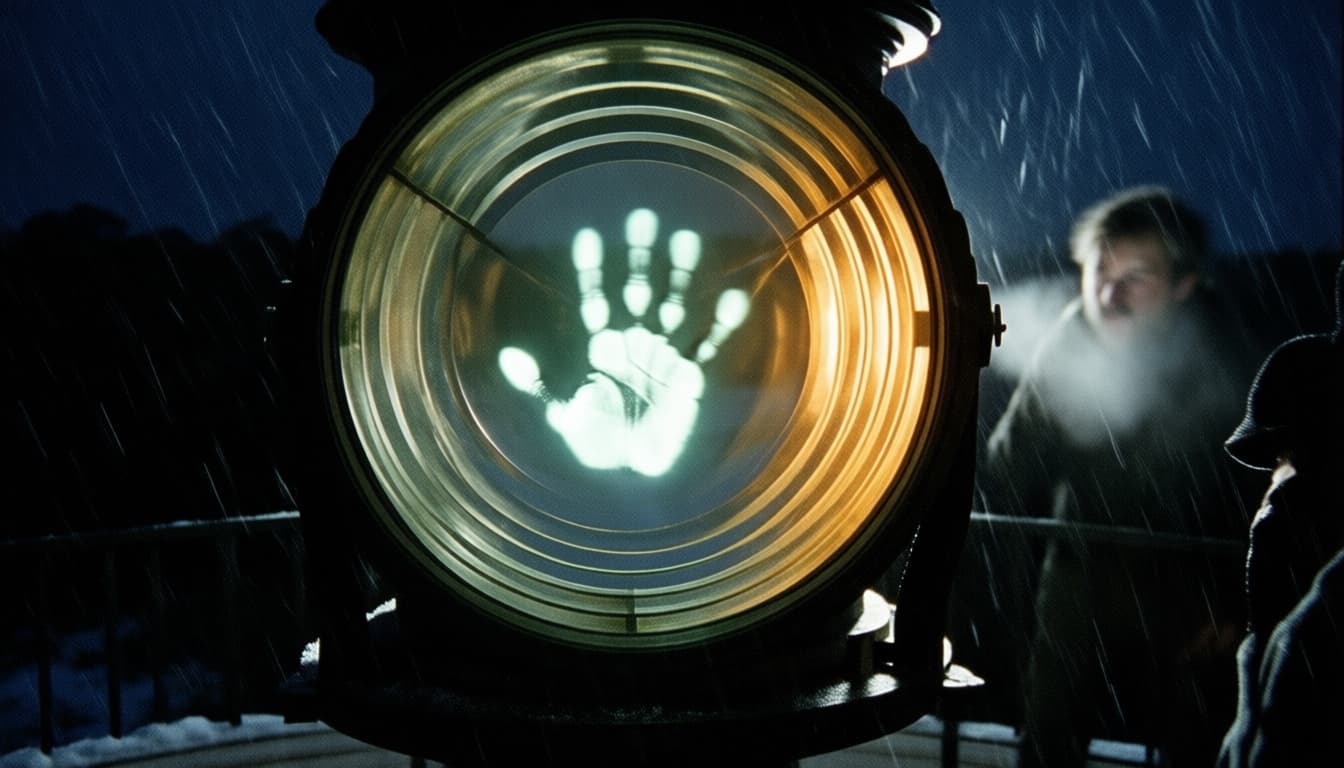
And then, on the impeccably smooth surface of the massive Fresnel lens, from the inside, a small, hazy handprint appeared. It slowly pressed outwards, distorting the light. Too small for an adult, too distinct to be mere condensation. In that instant, I knew. There was something here.
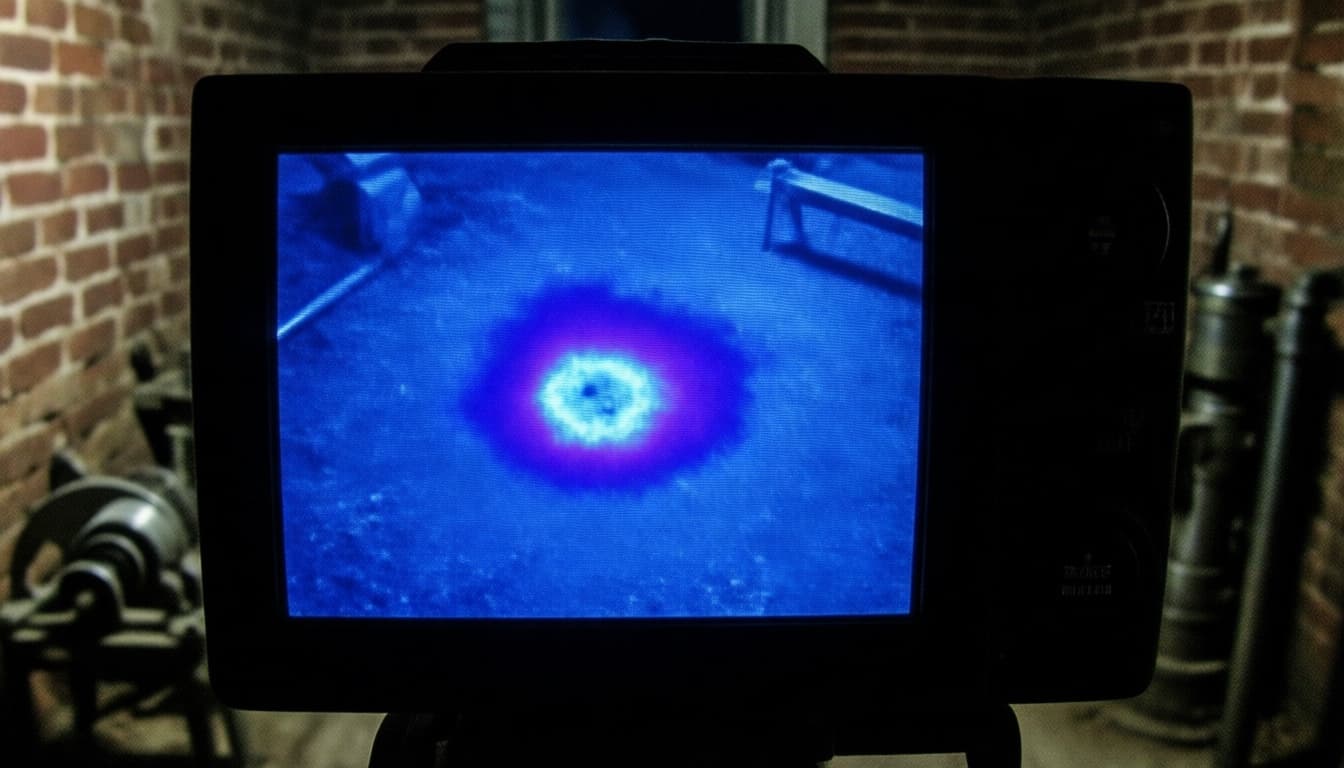
A cold, invisible force slammed me against the glass wall. My head hit the iron frame, a sharp pain blooming. The camera in my hand clattered to the floor and rolled away. My hands fumbled for my knife. The entry hatch, which I had intentionally left slightly ajar, slammed shut with a deafening bang. The entire lighthouse vibrated. I heard the distinct sound of heavy iron bolts engaging. I was trapped. The air was now agonizingly cold. My thermal camera, lying on the floor, clearly showed a swirling vortex of deep blues and purples where the handprint had been. It was slowly expanding. The beam of light struggled, dimmed further, then died completely. I was plunged into absolute, suffocating darkness, save for the sickly, pulsating glow emanating from the swirling vortex on the lens and the faint, mocking *laughter* echoing from all directions simultaneously, neither above nor below, incredibly close. Something brushed my face—cold, damp, and faintly putrid. I fought against the invisible pressure, my heart hammering against my ribs. I desperately reached for the door, knowing it was futile.
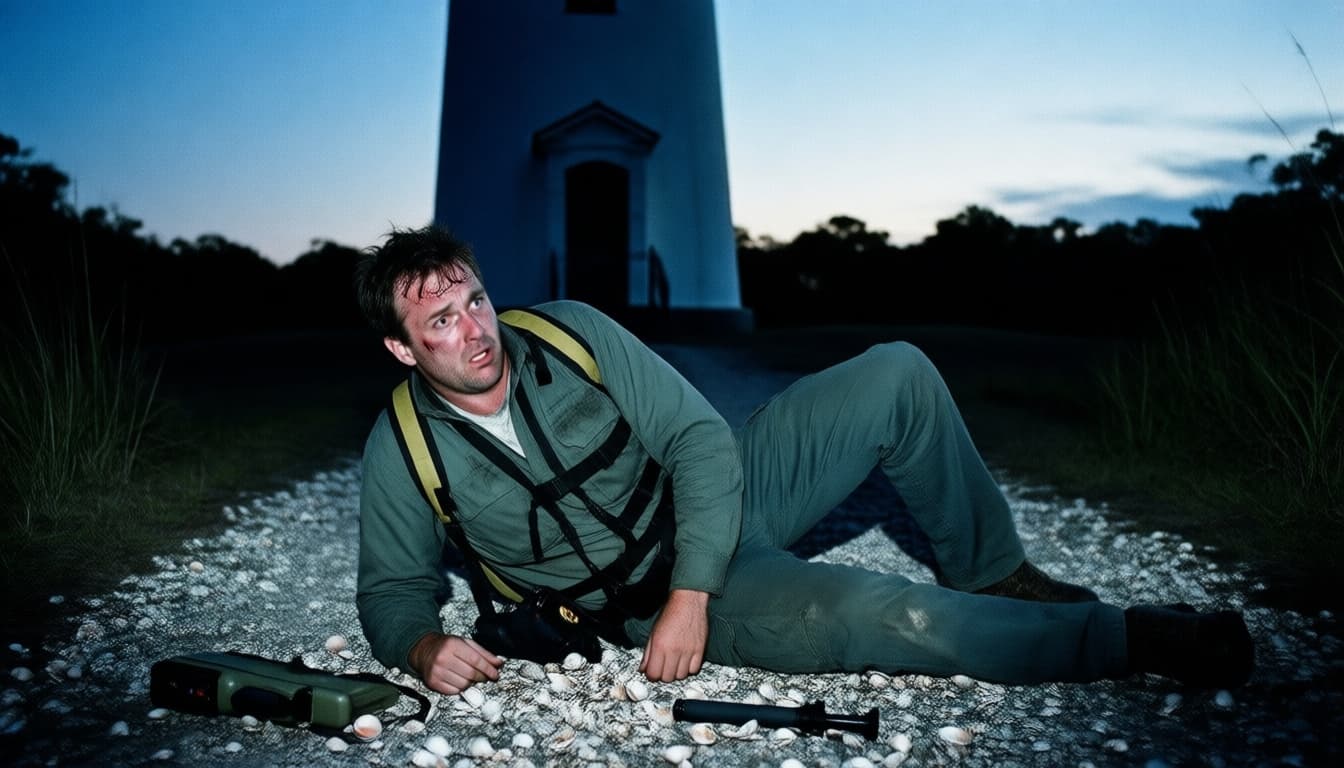
I don’t remember how I got out. The next thing I recalled was gasping for air, sprawled on the shell-rock path outside the lighthouse. Dawn light was just beginning to paint the eastern sky. My head throbbed, my ribs ached. My equipment bag was gone. I only vaguely remembered a burning pain, a crushing pressure, and then a sudden release.
Days later, back in my archives, the horror hadn't faded. The incident left no concrete physical evidence beyond a severe bruise on my temple and a chill that seemed to have permeated my bones. But the recordings… one small digital recorder, clipped to my belt, had continued to function until the end. When I isolated and amplified the audio, its content was chilling. The sound of the lens mechanism failing, my scream, the hatch slamming shut—all were clear. And clearer than all of it, a child’s voice. Clear and chillingly playful, whispering a name I couldn’t quite make out, but sounded vaguely familiar, like “Joseph” or “Josie.” This was followed by a series of tiny giggles that erupted into hysterical laughter, which then morphed into something far less innocent, almost predatory.
What truly unsettled me was the last thirty seconds of the recording. After the chaotic noise subsided, there was a low, hoarse whimpering, followed by the soft, rhythmic scratching sound of fingernails on metal. And then, just before the battery died, a final whisper. A voice colder than the currents of the deep ocean: “You’re still here, lighthouse keeper. We’re still here.”
I look at the historical photographs of the lighthouse, the faces of its keepers and their families. The structure stands firm, emitting its light. But now I know. It is more than just brick and iron. It is a sentinel, yes. But it is also a prison. And the presences within, those spectral wardens, are not mere echoes. They are active. And they remember. And they claim. And now, so do I.
[ CLASSIFIED VERDICT ]
[ACCESS LOG - SOURCE FILE]
The St. Augustine Lighthouse in Florida is widely known as one of the most haunted locations in the United States. Due to tragic events in its past, including the drowning of two young daughters of a lighthouse keeper and the fatal fall of an assistant, rumors persist of children's laughter, footsteps, and the presence of lighthouse keeper ghosts. Numerous visitors and staff have reported experiencing unexplained phenomena firsthand.