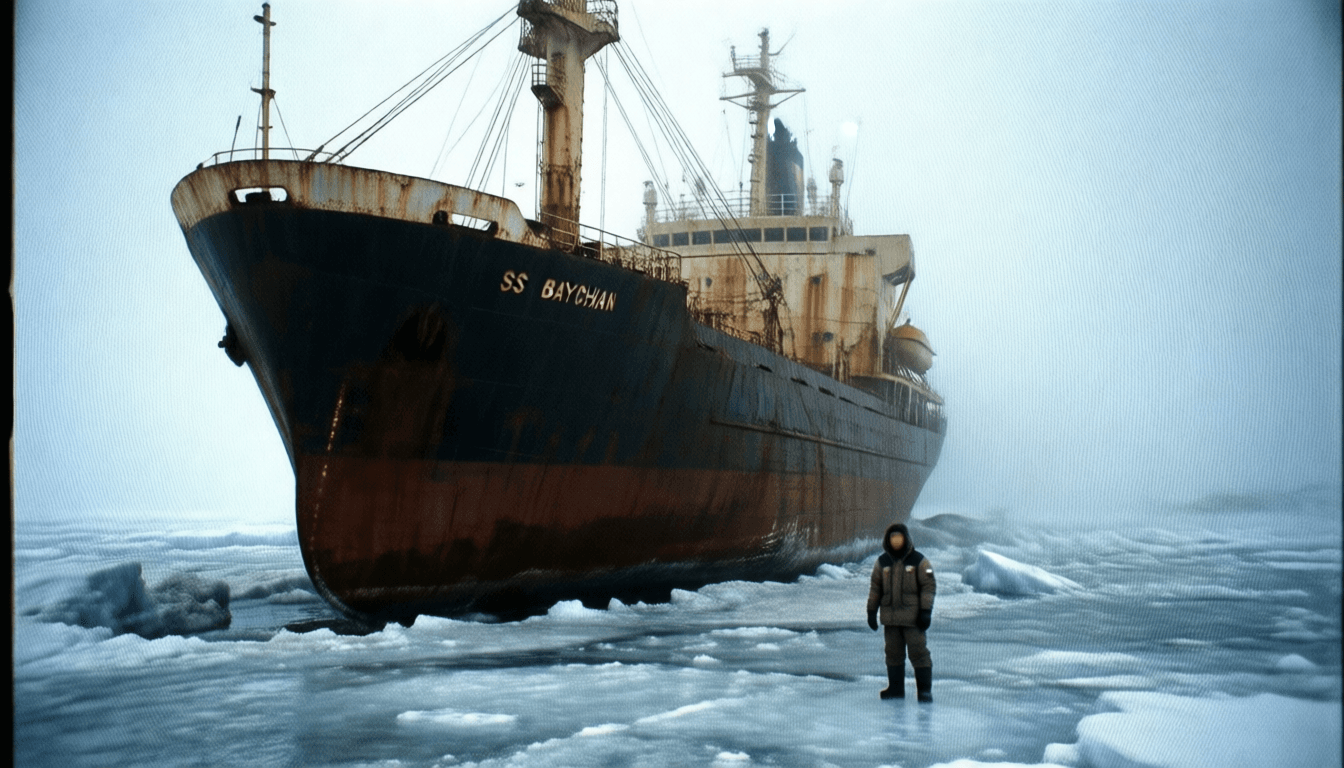
The Ghost Ship Baychimo: The Arctic's Unseen Warden
As an investigator documenting inexplicable phenomena, my work always begins with small, tangled threads of clues. These might be recurring reports, forgotten newspaper articles, or persistent whispers on the fringes of rational history. Our methodology is precise, rigorously analytical, and emotionally detached. Our objective is to strip away all embellishment, revealing the unpleasant, raw core. Thus, terror doesn't stem from exaggerated rhetoric, but from the stark, unvarnished truth.
The record we will examine now concerns the SS Baychimo.
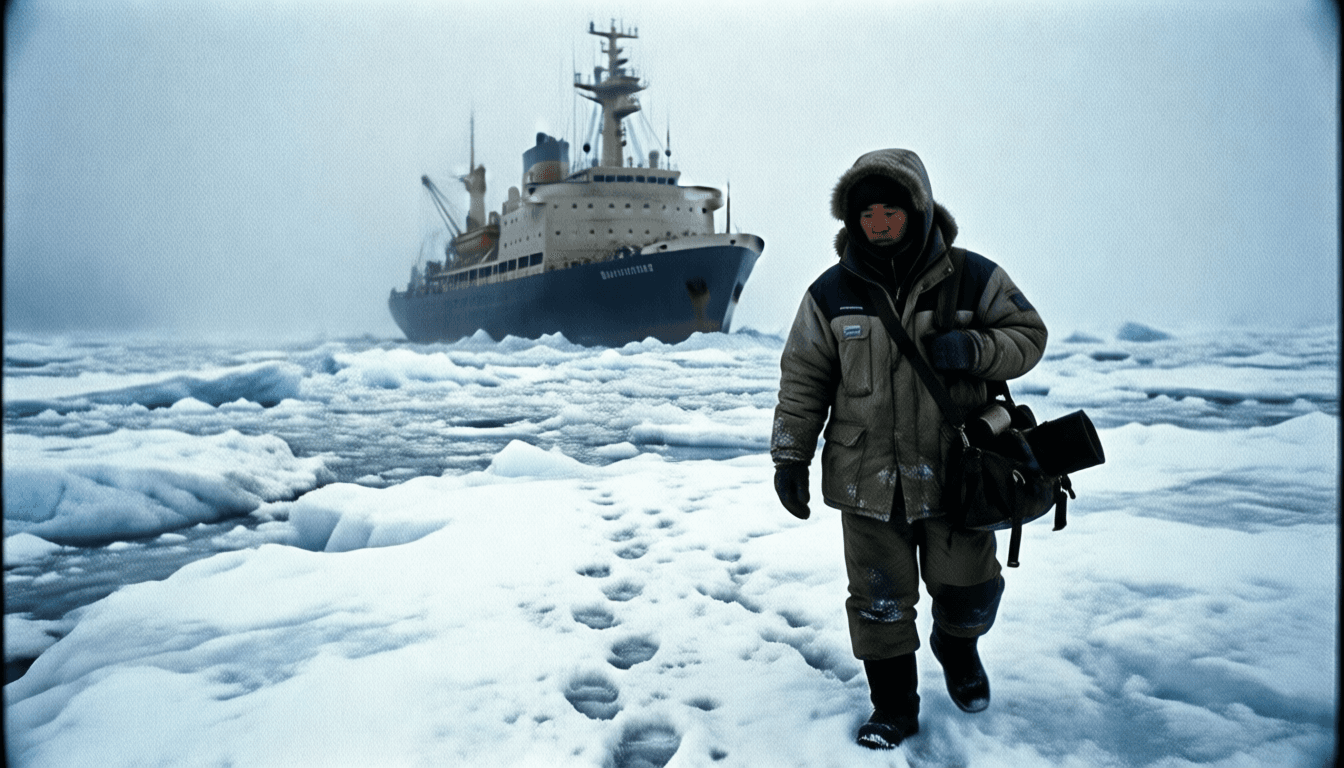
The file on the SS Baychimo is classified as a peculiar anomaly in maritime history. Officially 'missing,' it was a ship that simply refused to vanish forever. Built in 1914, this cargo steamer became known as the 'Ghost Ship of the Arctic' after being abandoned in the Bering Sea ice in 1931. Over the next 40 years, it was sighted at least 11 times by Eskimo hunters, explorers, and even Canadian government vessels. Always adrift, alone, and always empty. All salvage attempts failed due to sudden storms or shifting ice floes, only for the ship to reappear weeks or months later, hundreds of miles from its last reported position, seemingly defying currents and logic. The last confirmed sighting was in 1969, trapped in an ice floe northwest of Alaska, but unconfirmed reports from remote communities and satellite anomaly reports spoke of a massive metallic mass periodically appearing in impossible locations. This ship truly refused to be lost. My investigation began by analyzing decades of disparate and often dismissed reports: satellite images showing erratic ice movement patterns, fragmented radio communications about 'abandoned ships' from isolated outposts, and even a blurry photograph from 1975, showing its distinctive outline half-submerged. The consistent thread was that it was a presence that should not have been there.
After triangulating years of sighting records, ice floe drift predictions, and recent faint thermal anomalies detected by privately contracted satellite reconnaissance, my team and I positioned ourselves near the presumed location. The Arctic silence was immediate and profound, a physical pressure on the eardrums. We launched an icebreaker and traversed the vast, jagged expanse of sea ice. The absolute cold pierced through multiple layers of synthetic insulation, biting into the flesh. After hours of meticulous searching, its silhouette appeared on the horizon. A colossal, rust-encased leviathan, frozen deep within a gigantic pressure ridge. It was the Baychimo. Its presence felt like an insult to the quiet, hostile landscape. The air around the ship felt heavier, colder, and somehow unnatural. As we ascended the treacherous ice terrain, the creak of metal as we secured our grappling hooks was starkly audible. Stepping onto the deck, an unexpected vibration resonated underfoot – a low hum that could not be attributed to wind or currents. My breath plumed thick and white in the frigid air. The deck was littered with frost-covered wreckage of cargo and equipment. There were no signs of recent human activity, but a thick, unknown, foul odor mingled with the damp, old metallic smell.
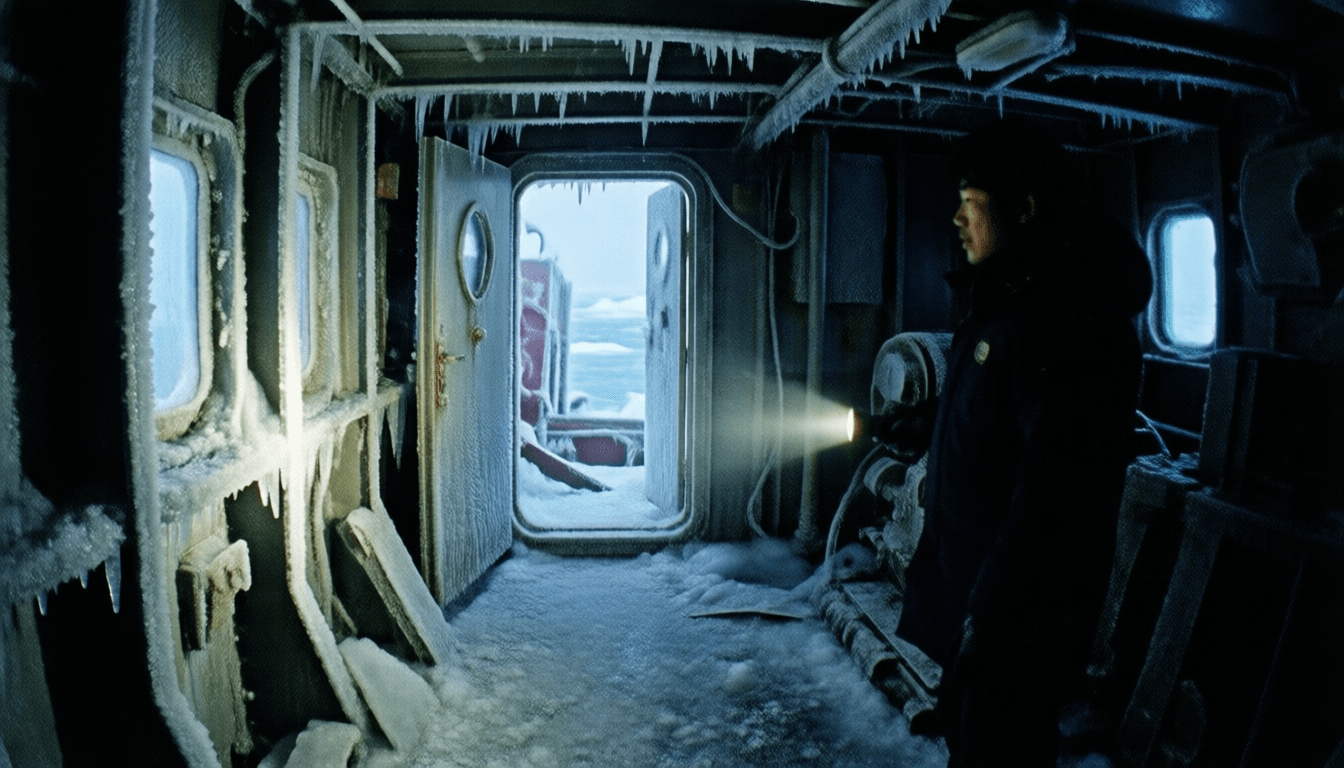
Entering the main deck housing, the ship's interior was a labyrinth of twisted metal and collapsed structures, eerily well-preserved by the deep freeze. Flashlight beams cut tunnels through the absolute darkness, revealing frosted machinery and thick layers of ice coating every surface. The silence inside was even deeper than outside, seeming to absorb all sound. My footsteps, usually sharp, echoed strangely dully. Then, the anomalies began. My usually stable compass needle suddenly swung violently, oscillating between true north and inexplicable directions. My portable communication device spat out only static, refusing a stable connection with the waiting mothership. From the cargo hold, a distant metallic 'clang' resonated sharply, but I could find no source for the sound, neither shifting ice nor wind. The resonance itself lingered for an abnormally long time. Moments later, in the crew's living quarters, a door down the corridor slammed shut with shocking force. There was no draft, no apparent disturbance to cause such movement. Specifically, the temperature in that section plummeted drastically, the air around my face, despite my balaclava, felt like razor ice. This wasn't merely Arctic cold; it was something else.
I was documenting frost-covered gauges and control panels deep in the engine room. The air here was heavy and still. A low groan resonated through the entire hull, a sound far deeper than any structural stress. Suddenly, the entire ship lurched violently. Not the gentle sway of shifting ice, but a sharp, powerful impact that threw me against a metal bulkhead. My head struck hard, and stars burst before my eyes. Disoriented, I pushed myself up as the ship began to move again. There was a sound of metal tearing through ice, grinding against it. The distant light from the upper deck faded. Thick ice floes began to block the approach, sealing off the exit. I was trapped.
A chilling breath, colder than the outside, grazed my neck. I spun around, sweeping my flashlight beam into the darkness. Nothing. But a section of the steel grating floor beneath my feet suddenly, impossibly, grew cold. A chill permeated through my thick boots, burning like supercooled metal. I stifled a scream and recoiled, a ragged gasp escaping me. Above me, a series of metallic 'thuds' began. Precise, heavy impacts, as if a colossal chain was being dragged across the deck, then a careful, weighty descent down a ladder. They were approaching my position. The only escape was deeper into the ship's flooded lower sections, a perilous path through locked bulkheads in near-total darkness, searching for an underwater exit. As I moved, the extreme cold followed, a localized pocket of lethal air gnawing at exposed skin, threatening instant frostbite. The 'thuds' grew closer, now accompanied by a low, raspy vibration that seemed to emanate from the ship's steel itself. The moment I plunged into the murky water of a lower deck, an incredibly loud, final 'CRASH' echoed directly above where I had just been. This was followed by a deafening metallic clang, as if a colossal, unseen weight had dropped. A surge of icy water erupted behind me, a powerful, deliberate current pushing me deeper into the ship, away from the surface, away from air. It wasn't the sea. It was as if the ship itself was actively trying to prevent my escape.
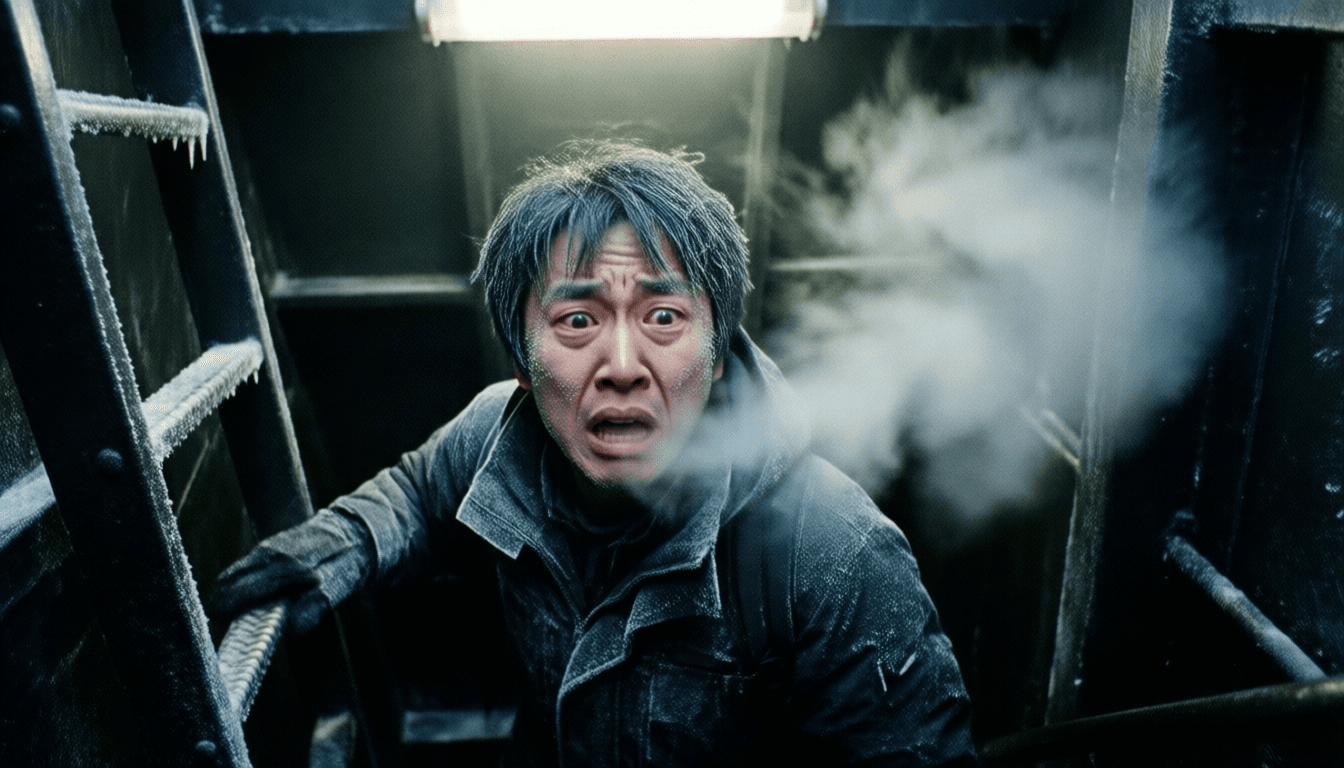
I barely escaped. Hours later, I was pulled onto a rescue vessel, scarred by hypothermia and severe frostbite on my hands and feet, my communication equipment utterly destroyed. I gave a concise, detached report on the ship's structural instability and sudden ice movement. Any mention of impossible cold, unheard sounds, or deliberate forces was carefully omitted. From a distance during the rescue, the Baychimo looked no different from any other derelict vessel.
However, upon my return, I noticed a small anomaly in the thermal scans captured during the initial satellite reconnaissance. It showed a localized heat signature, flickering faintly for a moment in the absolute zero of the Arctic, deep within the Baychimo's engine room, before vanishing. My official report simply documented severe structural degradation of the vessel and advised against further salvage attempts due to hazardous conditions. Yet, I still occasionally feel it—that distinctive, unnatural chill that precedes the feeling of being watched, and the phantom metallic sounds that echo in my ears on quiet nights. The Baychimo remains 'missing' for all official purposes, but the file in my archive is marked 'active.' And in the quiet depths of the night, I find myself checking nautical news and remote Arctic community forums, searching for new, inexplicable reports of a ship where it shouldn't be. It's not a matter of if it will reappear, but when. And on that ship, what or who will finally be found.

[ CLASSIFIED VERDICT ]
[ACCESS LOG - SOURCE FILE]
The SS Baychimo is a legendary ghost ship that was abandoned in the Arctic Sea in 1931 and subsequently sighted numerous times over 40 years but never salvaged. Defying currents and logic, it repeatedly appeared and disappeared, earning it the moniker 'Ghost Ship of the Arctic,' and its eerie presence continues to be recounted to this day.