The Empty Coffins of Wisner Road: The Melonheads of Chagrin Valley
In the Lake County Civil Defense investigation archives and the Child Welfare Division microfilms from 1974, there remains an unpublicized record of unnatural deaths. On the night of November 12, 1967, the Lakeland Convalescent Ward, tucked deep inside the forests along Wisner Road on the outskirts of Kirtland, Ohio, burned to the ground. The official report logged the casualties as fourteen institutionalized children suffering from severe hydrocephalus and congenital cranial deformities. However, the number of death certificates issued by the county coroner's office was zero. Decades later, in 2019, during utility trench excavations on the former grounds, ground-penetrating radar flagged fourteen child-sized wooden coffins. Yet, upon exhumation, they were found not to contain bones, but were instead packed heavy with slate ballast stone slabs to mimic human weight.
This bizarre discrepancy was never rectified as a simple bureaucratic blunder. In October 2021, an unreleased 911 dispatch audio log recorded a stranded driver whose car had broken down along the same deserted stretch of woods. Over the final four minutes of dead air before the line went silent, the receiver picked up the rhythmic, methodical scraping of dozens of human fingernails raking across the passenger-side window.
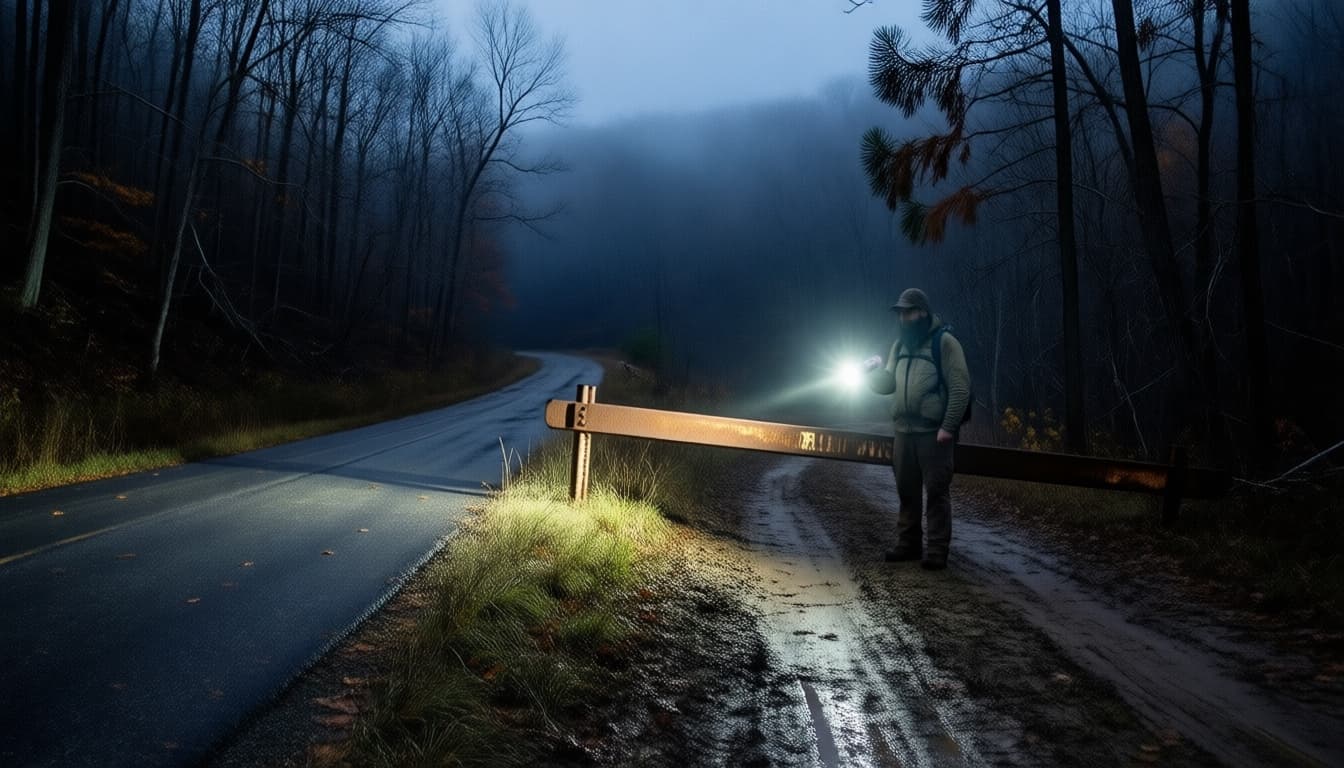
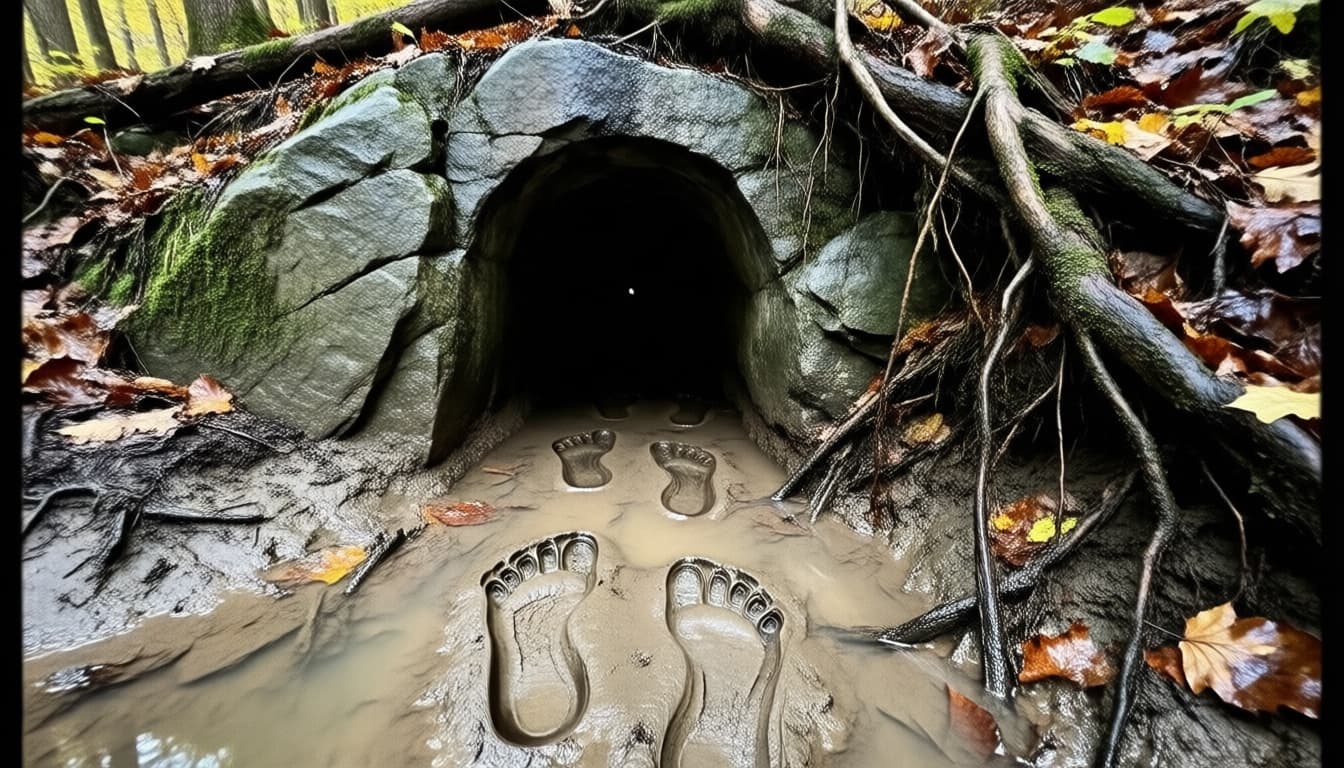
At dusk in mid-November, I stepped past the rusted barriers marking the permanently decommissioned northern offshoot of Wisner Road. The pungent, sour stench of decomposing black walnut husks and wet Chagrin shale rose from the floor of the ravine. A 1,200-lumen handheld spotlight sliced through the tangled underbrush. The exposed limestone basement of the former Morrison estate was not caved in as records had claimed. Instead, it was an artificially braced burrow, reinforced with woven green oak branches and thick Chagrin River clay, tunneling deep into the fissure of the riverside cliff face.
Perhaps due to a temperature inversion in the gorge, the air felt unnaturally oppressive. With every footstep, the crunch of dry leaves was followed seconds later by a wet, delayed echo, and the snap of a dead twig dozens of meters up the cliff sounded with terrifying clarity directly behind the rim of my ear. Sound in this valley was bending, warping all sense of distance.
Aiming the beam downward, I found semi-circular tunnels barely ninety centimeters tall, worn clean of dead leaves by relentless, dragging friction, crisscrossing like a web through the brush. Pressed deep into the wet shale mud were unmistakable tracks. The big toes curved unnaturally outward, with an extremely narrow heel strike—the tracks of something running low on all fours, dispersing its weight across four limbs rather than walking upright.
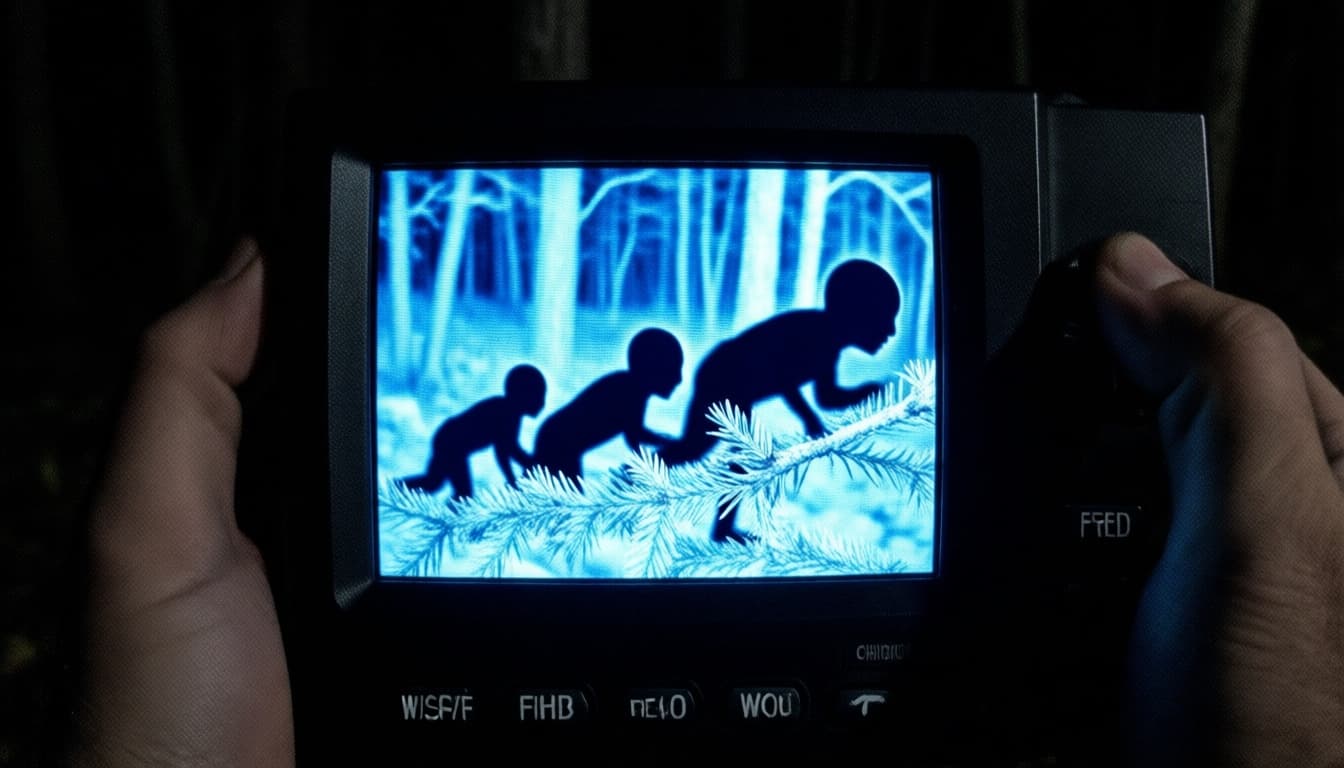
I raised a handheld thermal imager. The viewfinder refused to register conventional biological heat signatures. Against the near-freezing backdrop of the damp rock wall, it picked up cold, negative thermal anomalies—ice-cold masses colder than the ambient temperature—slithering swiftly along low-hanging hemlock limbs. At that moment, an ultrasonic vibration slipped beneath my earphones: from three separate directions in the ravine, a rhythmic, bone-chilling chatter of teeth grinding in flawless unison.
The moment I spun around to retreat toward my vehicle, my breath caught. Across the narrow dirt path I had walked only minutes earlier, dozens of jagged shale slabs had freshly collapsed, stacked into a makeshift wall as high as a grown man's chest. My escape route was cut off. Even before my mind could process the barricade, my flashlight caught the terrifying detail in the dark. Hovering above the shale wall were not the eyes of wild animals. Beneath large, glassy retinas reflecting the halogen beam, swollen, grotesquely expanded craniums and unnaturally elongated cervical spines gradually solidified out of the dark. They were parched, caked in river silt, but unmistakably human silhouettes.
With unnerving silence, two bodies dropped straight from the hemlock canopy onto the leaf litter. The speed at which they scuttled across the mud defied human spinal anatomy. Slammed into the frozen mud, I was hit with the overwhelming reek of rancid sebum and raw, coppery blood. A cranial mass as dense and unyielding as stone slammed into my collarbone, while skeletal, leathery fingers locked around my chest like a harness, dragging me violently toward the mouth of the cleft beneath the cliff.
I ripped an emergency sulfur flare from my tactical vest and struck the igniter cap against the rocks. A furious blast of blinding white phosphorus erupted into the night. Yet even as the searing light consumed the darkness, the emaciated limbs pinning my wrists cast no distinct shadows, dragging me deeper into the mud without hesitation. Only when the intense chemical flare kissed bare skin did a wet, phlegm-choked screech tear from their chests, and their grip momentarily fractured. Abandoning my dropped audio recorder and gear bag to the mud, I scrambled frantically up the crumbling shale incline.

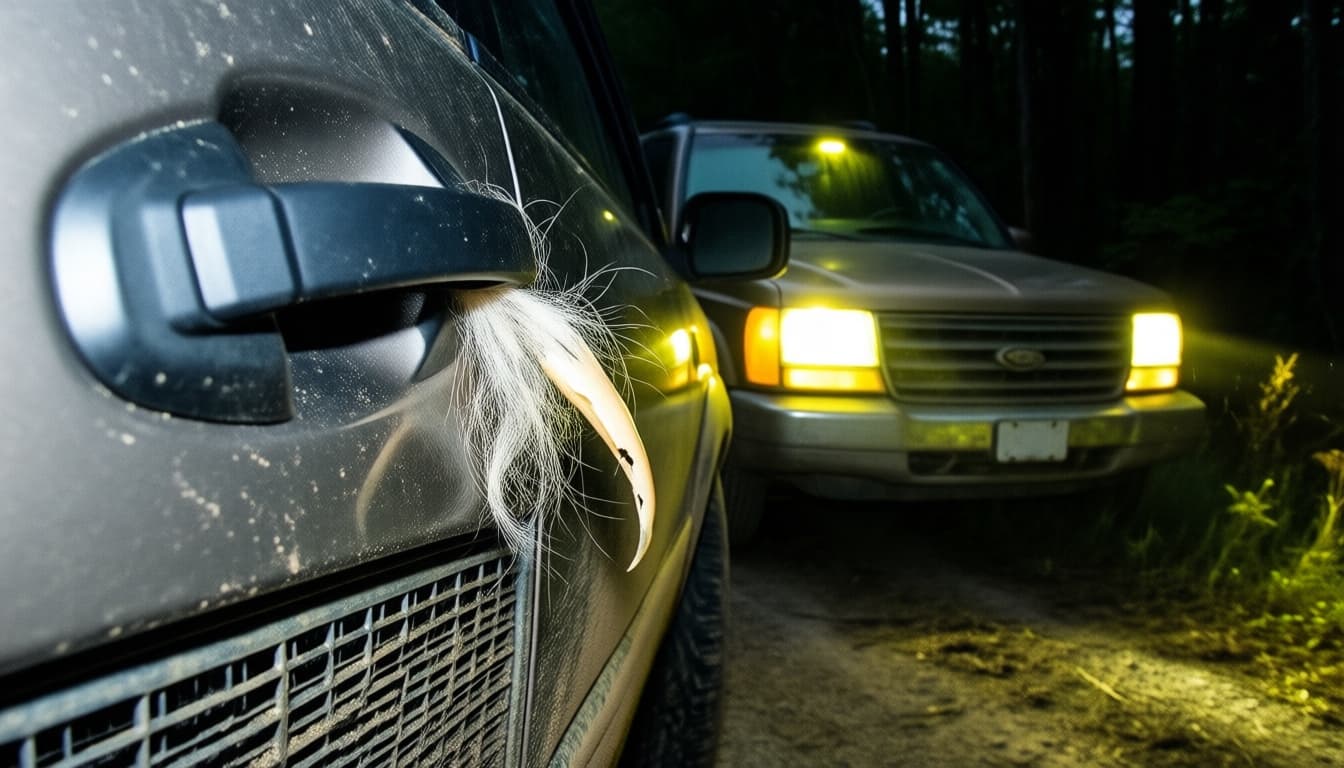
I barely managed to throw myself into the driver’s seat and slap the central lock down, cold sweat pouring down my neck. In the glare of the idling headlights, I saw something caught in the seams of the front grille and wrapped tightly around the passenger door handle: thick, coarse tufts of pigmentless, bleached-white hair, and a broken, curved fingernail so dense and heavily keratinized that it could not have belonged to modern human anatomy.
The Lake County Sheriff’s Office does not deploy patrol units to the closed section of Wisner Road past 8:00 PM. A private lab's subsequent analysis of the minuscule tissue sample recovered from my vehicle door revealed extreme chromosomal abnormalities resulting from generations of severe inbreeding and chronic heavy-metal poisoning. Yet the explosive skeletal muscle power and bone density that slammed me into the mud did not belong to a sixty-something survivor of a 1967 fire. It belonged to an adolescent, thriving in the prime of youth. Deep beneath the roots and shale banks of the Chagrin River, a feral, unregistered population continues to multiply in silence.
[ CLASSIFIED VERDICT ]
[ACCESS LOG - SOURCE FILE]
This story is inspired by the infamous Ohio urban legend of the 'Melon Heads,' centered along the abandoned trails of Wisner Road in Kirtland, Lake County. According to local folklore, institutionalized hydrocephalic children who escaped a catastrophic sanatorium fire retreated into the dense ravines along the Chagrin River, degenerating into feral, deformed cryptids that lurk in the dark woods and prey on unwary travelers.