The Emptiness of the Selene
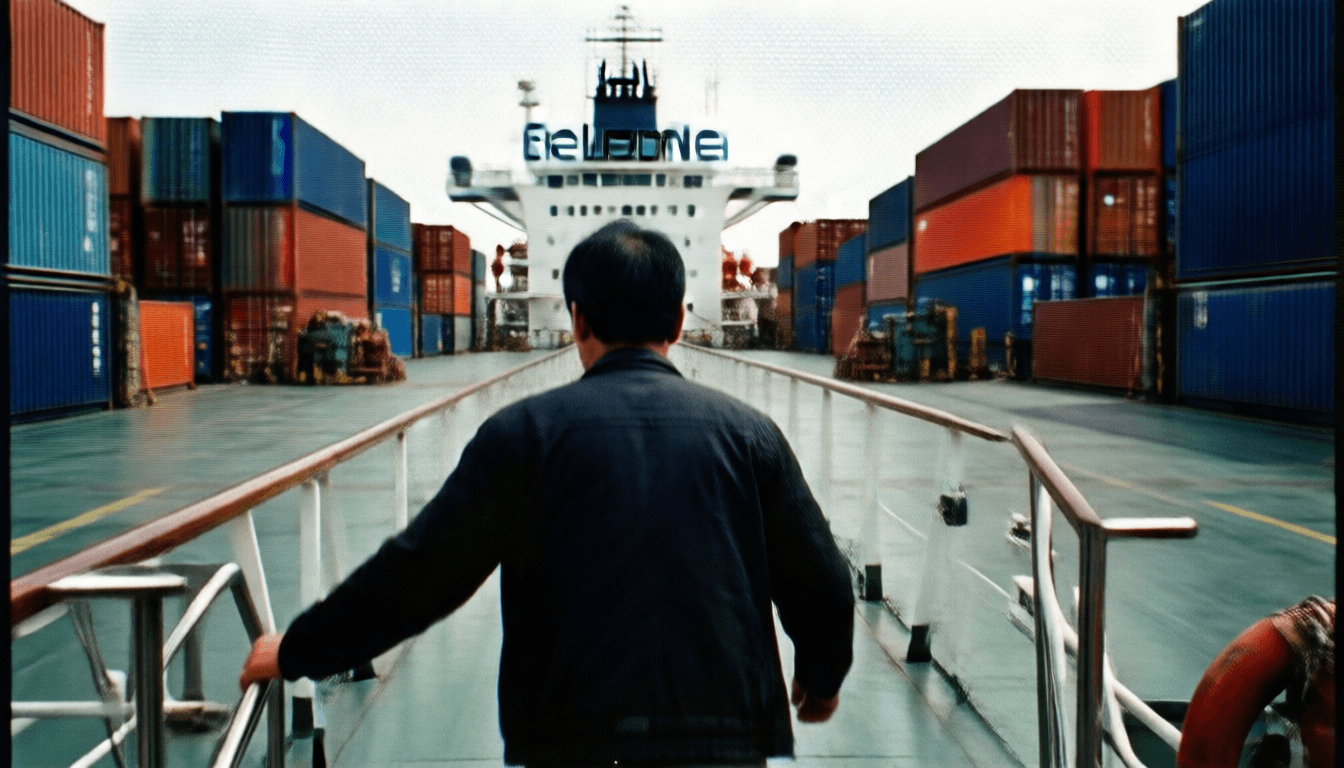
For over 150 years, the Mary Celeste has been synonymous with maritime mystery. Discovered in December 1872, adrift in the Atlantic between the Azores and Portugal, the brigantine was in perfect sailing condition. Its cargo was intact, provisions plentiful, but not a single soul remained on board. No distress signal, no signs of struggle. A half-eaten meal sat on the captain's table, his logbook lay open, and a child’s toy was neatly placed. Only a single lifeboat was missing. Yet its absence failed to explain the vanishing act of Captain Briggs, his wife, daughter, and seven crew members. Every hypothesis—mutiny, a rogue wave, pirates—was systematically refuted or found insufficient. Official records still state: “Crew vanished without a trace.” It was a void in history, a perfectly preserved snapshot where the world simply ceased to exist. But sometimes, history echoes. Sometimes, those voids seek to be filled again.
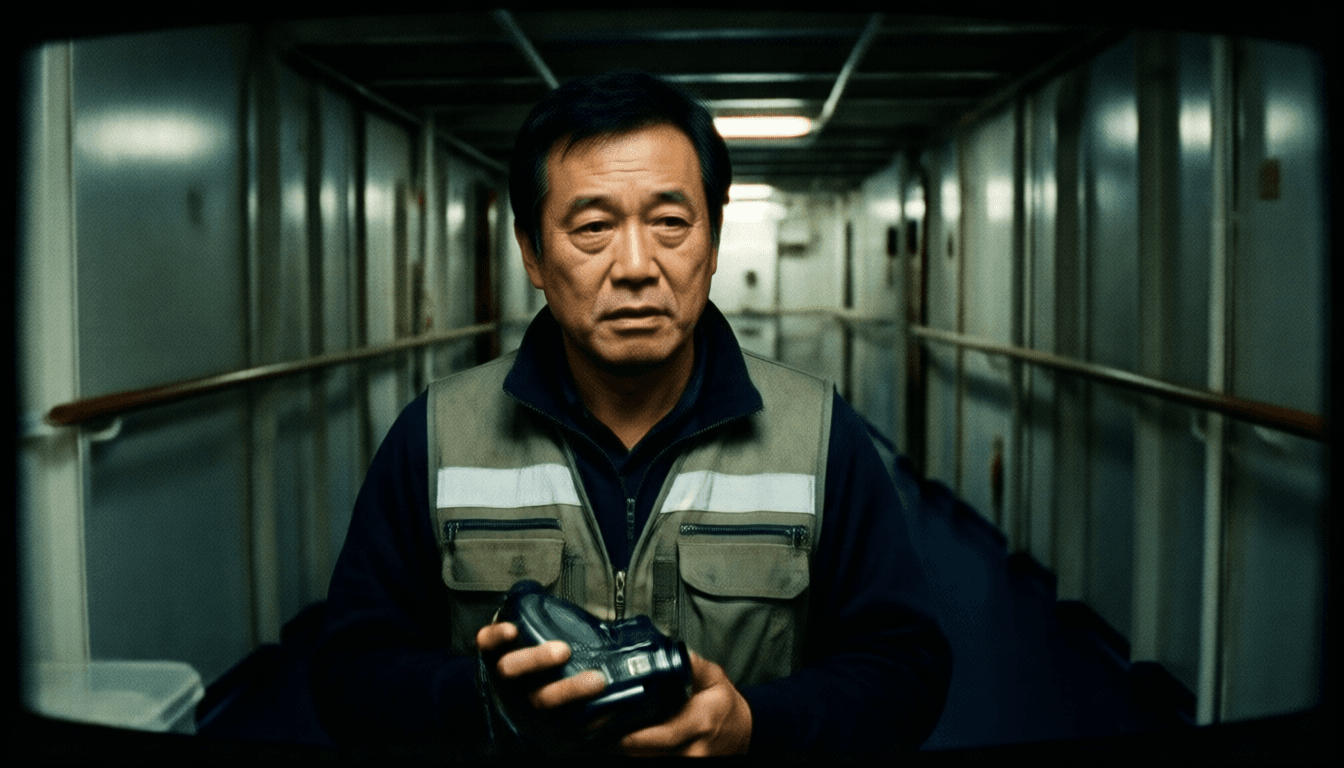
Our subject of investigation was Dr. Elias Sohn, a senior marine forensics investigator for the International Maritime Organization (IMO). He was dispatched to a remote commercial dry dock in the Canary Islands. The vessel in question: the MV Selene. A medium-sized container feeder, found perfectly adrift in the very same stretch of the Atlantic where the Mary Celeste was discovered. The circumstances were eerily similar: no distress signal, no damage, cargo undisturbed, engines fully functional. Only, its crew of twelve, including Captain Alistair Finch and his first mate, had vanished. Dr. Elias Sohn, whose career had mostly been spent finding rational explanations for the unexplainable, stepped aboard the Selene at the precise moment his rational mind could find no answers.
The first thing he noticed was the silence. A deep, unnatural stillness that seemed to swallow all ambient sound. The ship's interior was immaculate, almost sterile. A steaming cup of coffee sat on the bridge console, a paperback novel lay face down on a bunk in the crew quarters. Elias noted the absence of condensation on the metal bulkheads, despite the humidity. The air felt strangely inert, heavy. Activating his camera and digital recorder, he began a systematic search, seeking any anomaly that could account for the simple evaporation of twelve seasoned sailors.
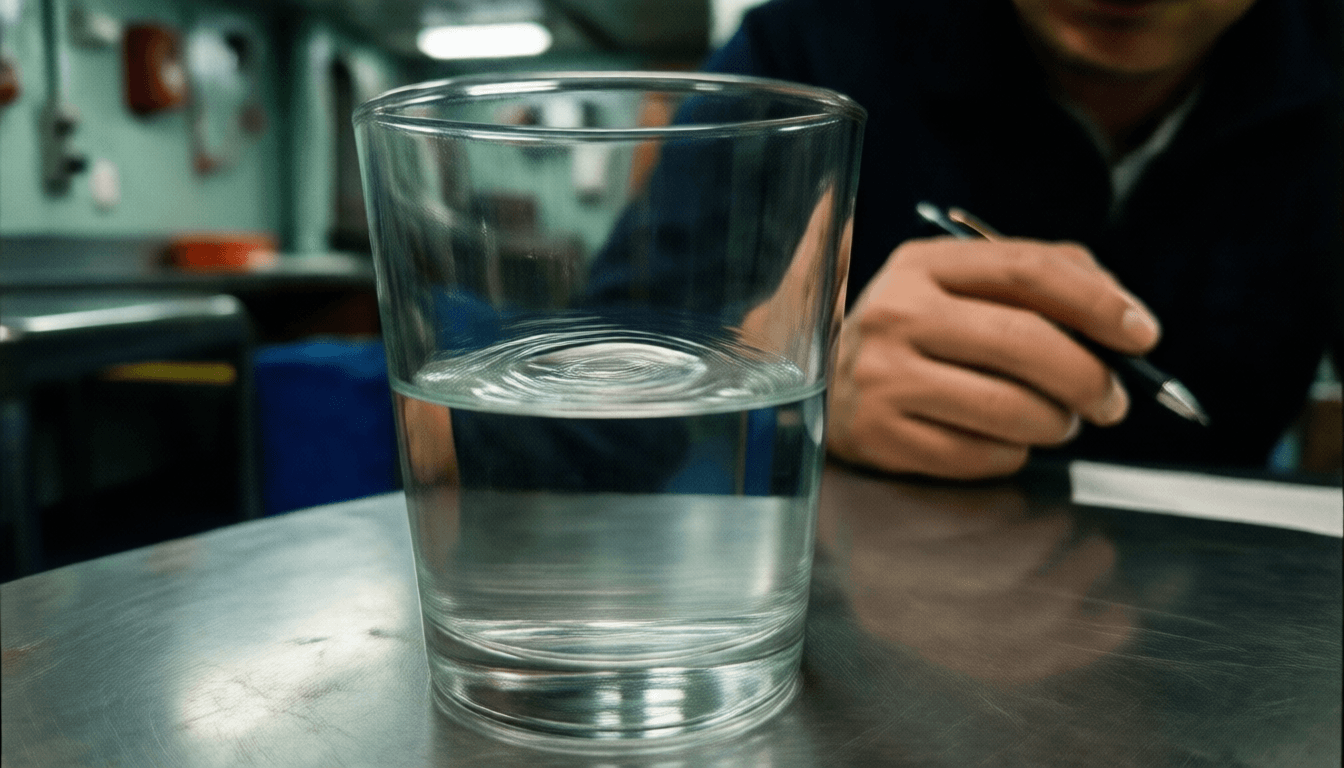
As Elias delved deeper into the Selene, subtle anomalies began to accumulate, chipping away at his professional skepticism. On a mess hall table, a half-filled glass of water. He noticed a faint, almost imperceptible tremor on the water's surface, distinct from the ship's dry-dock vibrations. He watched, mesmerized, as the water level seemed to subtly rise, then fall, as if responding to an internal pulse. Later, checking the freshwater tanks, his gauges showed impossible negative pressure readings. Pipes sounded empty, yet a low, resonant hum, like a distant, mournful chord, reverberated from within.
The engine room, a space usually cacophonous with machinery, was absolute, deafeningly silent. Elias’s recorder picked up only irregular, minute clicks, like distant Morse code, instead of engine noise. Yet there was no discernible pattern. He felt cold spots drift around him, unrelated to logical airflow. Shadows in the corner of his vision momentarily deepened, obscuring parts of the room before returning to normal. He found himself constantly looking over his shoulder, a primal unease coiling in his gut – a sensation utterly alien to his rational mind. The ship wasn't merely empty; it felt like it was holding its breath, waiting for something.
Elias descended to the lowest cargo hold. A vast space, sealed by multiple watertight doors. He cross-referenced the containers with the manifest on his tablet when, with a deafening clang, the first door slammed shut behind him, trapping him. His heart pounded, but he tried to rationalize it as a faulty latch or a gust of wind. He tried the door; it was locked. Then, another door clanged shut across the passageway. And another. He was systematically being sealed within the cargo hold.
A cold, sharp terror began to set in. He tried his radio, only static. Condensation rapidly formed on the steel walls, and small streams of water defied gravity, flowing upwards, tracing impossible paths. The ambient temperature plummeted. In the center of the cargo hold, directly above a specific cargo container, a low, guttural moan echoed. The sound wasn't just heard; it vibrated through his bones, causing an aching pain in his teeth.
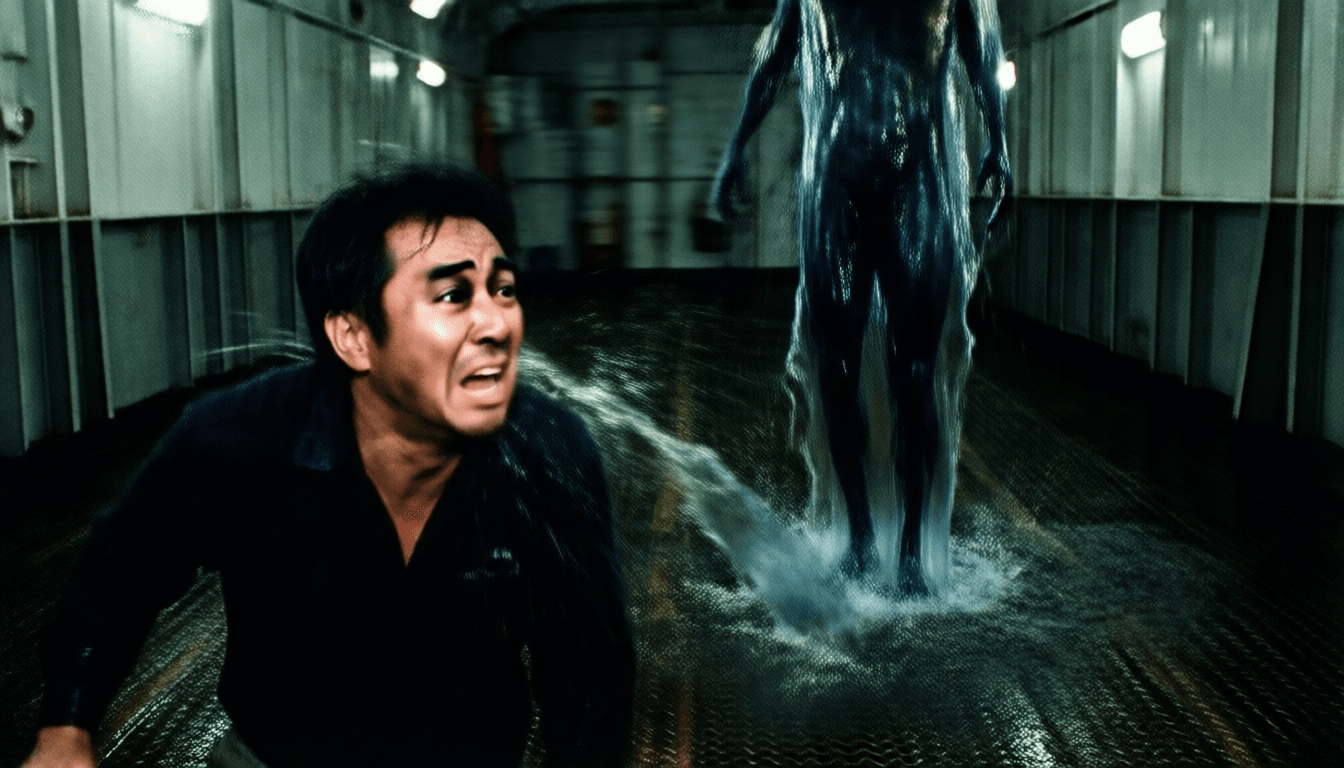
Then, the anomaly began in the water itself, which inexplicably seeped onto the deck, pooling. The water didn't splash or ripple; it coalesced. Slowly, impossibly, it rose, forming a faintly human-shaped column, dark and shimmering, directly before him. It stretched, expanded, and then, it lunged. Elias felt an intense, crushing pressure, as if being dragged into the deepest trench. His lungs seized, his vision blurred. He was being pulled, not by physical hands, but by an unseen force within the water itself, towards the center of the coalescing mass, towards the container, the epicenter of the horror.
He struggled desperately, his fingers scrabbling for purchase on the slick, wet deck. The pressure was immense, silent, and purposeful. He felt himself being consumed, his body contorting under the unseen force’s grip. A chilling sensation of being disassembled. In a last, desperate surge of adrenaline, he twisted free, tearing his arm on a sharp metal edge, barely scrambling through a newly opened maintenance hatch. He just escaped the devouring void of water and sound behind the closing hatch, bleeding and gasping on the upper deck.
Hours later, Elias was found disoriented and hypothermic. His arm was severely lacerated, but he had no other physical injuries. His colleagues dismissed his frantic accounts of a malevolent presence on the ship as stress-induced hallucinations, the result of overwork and a minor concussion sustained during his escape. They found no evidence of unusual water flow, impossible temperatures, or locked doors. The MV Selene was eventually sold for scrap, another empty shell in the long list of unexplainable maritime disappearances, with the official report citing “crew abandonment, cause unknown.”
But Elias knew. He looks at his scarred arm. Sometimes in the dead of night, he feels the cold, crushing pressure, like a phantom, a weight that briefly constricts his breath. He often stares intently at faucets, watching the water flow, convinced he sees a momentary, subtle tremor, an almost imperceptible hesitation before it descends. Sometimes when alone, he hears a faint, almost subconscious hum, like a distant, mournful chord, reverberating from the very air. The void of the Mary Celeste, he now understood, was not just a historical anecdote; it was a hunger. He escaped the MV Selene, but the experience left an indelible mark. A chilling realization that some mysteries are not solved, merely inherited. And Elias Sohn, he now carries a piece of that eternal void within him, like a silent passenger on a ship of terror.

[ CLASSIFIED VERDICT ]
[ACCESS LOG - SOURCE FILE]
The Mary Celeste is a famous ghost ship mystery discovered in the mid-Atlantic in 1872 without its crew. The ship was in perfect condition with its cargo intact, yet the captain and ten crew members vanished without a trace, sparking various speculations and fears. This story reinterprets that mystery, dealing with a similar incident in modern times.