The Dissonance of Porosenkov Log
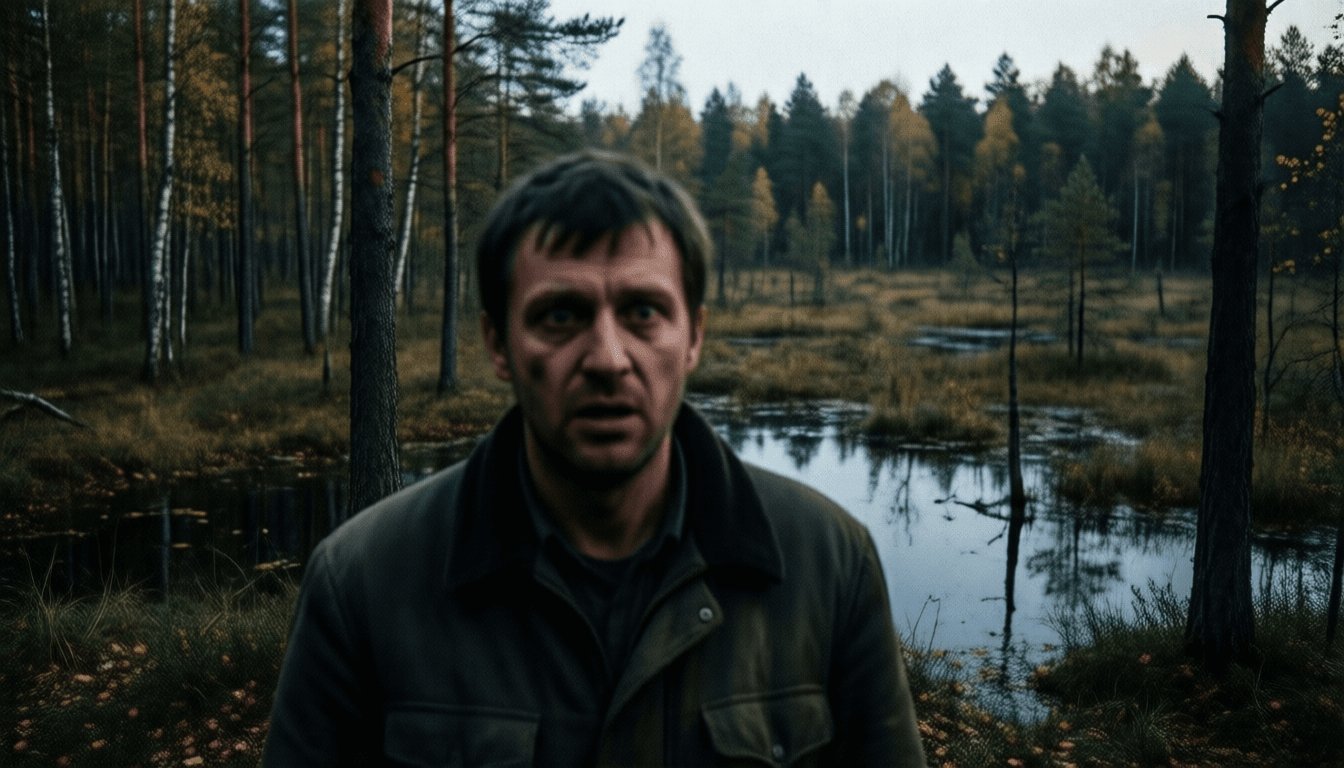
In the early 2000s, a series of records uploaded to a now-defunct Russian history forum sparked this investigation into the abyss. These threads, often dismissed as wild speculation, detailed an 'unidentified secondary report' purportedly originating from junior Red Guards involved in the initial concealment of the Romanov family's remains in July 1918. One recurring detail, consistently overlooked in official accounts, was the mention of an 'unnatural resonance' or 'dissonance' emanating from the damp earth of Porosenkov Log in the hours following the initial attempts to dispose of the bodies. It was described by one user, citing their great-grandfather's brief, quiet testimony, not as a voice, but as 'an overlay of suffering, like static from a thousand dying words trying to form at once, heard not in the ear but in the blood.' While authorities dismissed it as superstition combined with the natural eerie sounds of a peat bog, this localized phenomenon, consistently yet oppressively appearing in unofficial sources, captivated me. It was an environmental anomaly that existed even before the main burial site was discovered decades later, not merely a psychic manifestation.
Upon arriving at Porosenkov Log in late autumn, the surroundings were filled with an eerie, damp silence. The smell of decaying leaves and stagnant water hung heavy in the air. The area, once an abandoned mining pit, was now overgrown with dense birch and pine forests and countless peat bogs. My objective was to record precise atmospheric conditions and acoustic anomalies. The first few hours were uneventful, a typical isolated forest environment. I mapped out depressions and waterlogged areas, traversing the rough terrain, my footsteps heavy through thick, tangled undergrowth. In some places, the ground was deceptively firm, only to suddenly give way to sticky mud. My sensitive audio recorder and atmospheric sensors picked up only the rustling of wind through bare branches and the rare, distant caw of a crow. Yet, the historical significance of this place lent a heavy gravity to the silence. Every snap of a twig seemed amplified, every distant rustle morphed into something larger in my imagination.
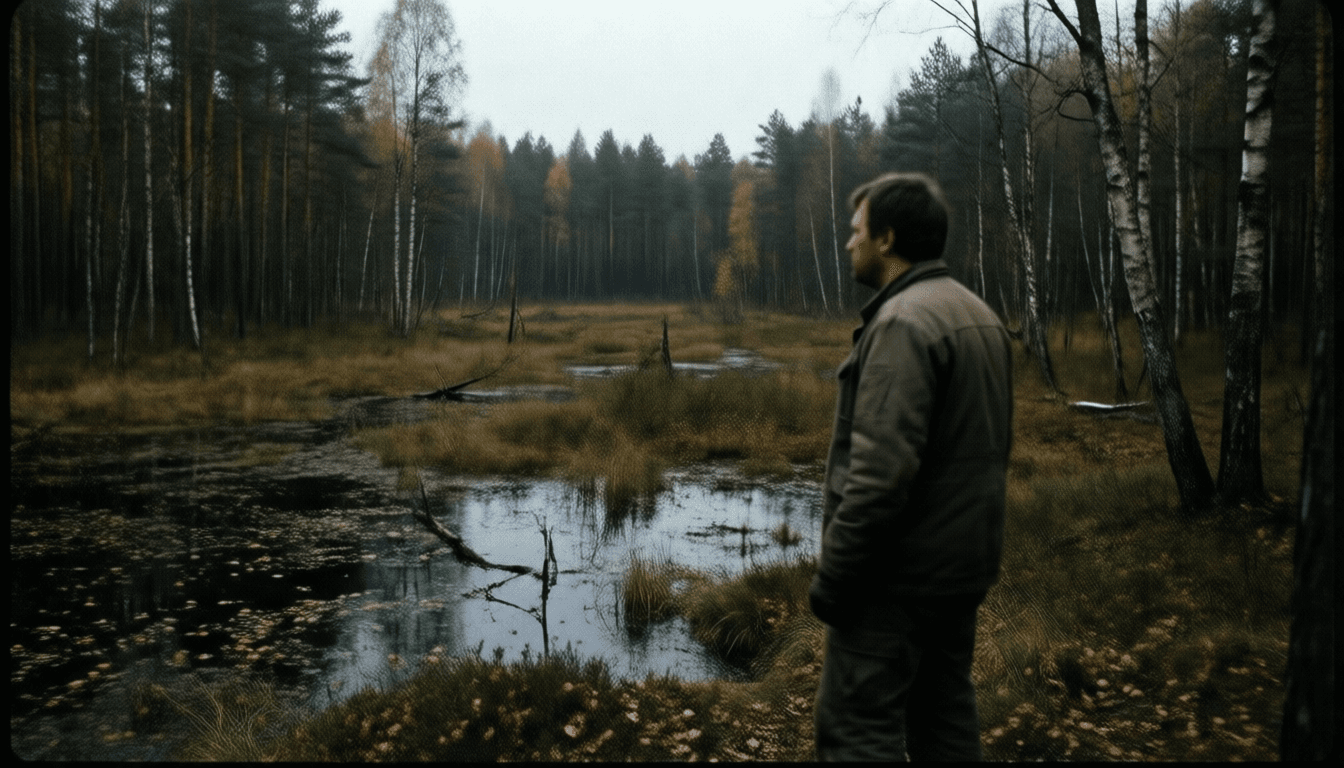
The change began subtly. It was near the deeper, overgrown sections of the former mining pits, correlating with sketches from the initial discovery in 1979. My recorder's ambient noise level registered a slight but persistent

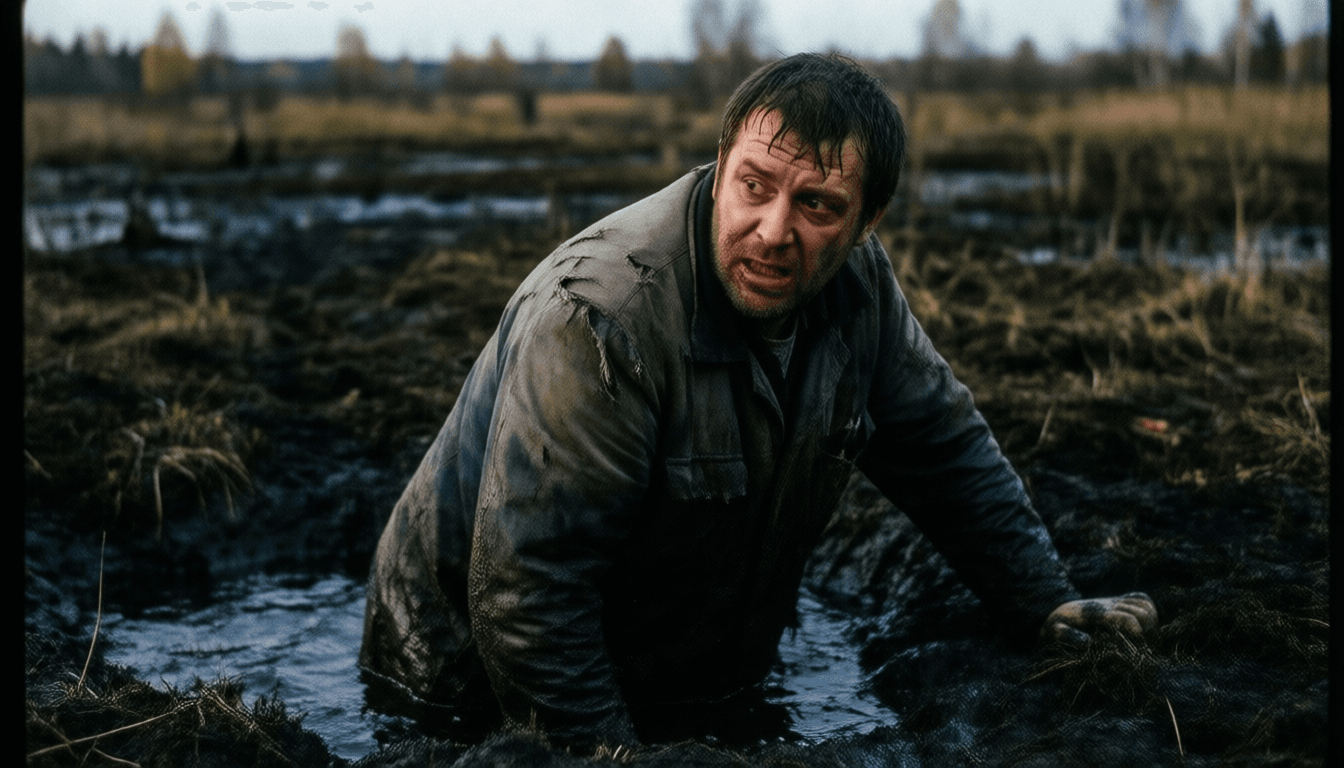
The murmurs intensified, coalescing into what felt like a collective of suffering whispers. There was no distinct form, yet it was as if multiple mouths intertwined, struggling to utter a single, agonizing sound. I dropped my sensor, trying to retrieve it, and found myself deeper in a more treacherous, water-filled hollow. The ground beneath my feet, previously firm beneath pine needles, suddenly softened, and my boots slowly but inexorably began to sink into thick, cold slurry. The whispers sharpened, becoming clearer. Suffocating cries, muffled sobs, and short, fragmented sounds like metal
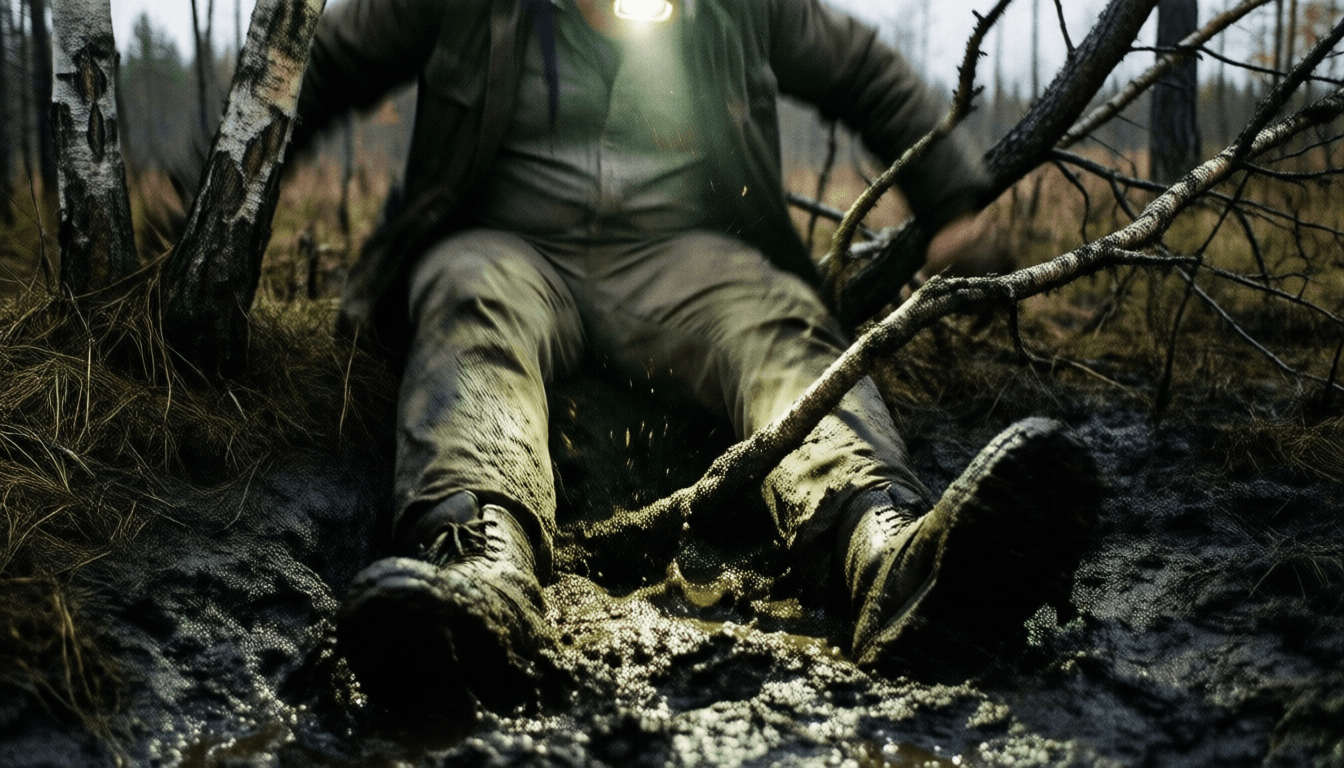
I scrambled out of the bog, abandoning my equipment, my boots lost to the grasping abyss. The escape was a frantic effort driven by a primal fear I rarely admit. I emerged trembling, mud-caked, physically unharmed, yet fundamentally changed. As I stumbled towards my car, the sounds of the forest returned to their usual rhythm, but the oppressive silence and the internal murmuring persisted. In the weeks that followed, the 'dissonance' did not fade. It became a subtle background noise to my existence. Sitting in quiet rooms, researching historical documents, the faint echo of that collective, suffering sound would resurface. Always unheard by others, but heard by me. A constant, low murmur flowing beneath my thoughts. Sometimes, when a particular archival photograph of the imperial family flickered on screen, or their names were mentioned, that cold sensation, like the echo of an unseen grip, would localize on my ankles again. The Romanov 'conspiracy' was not about survival, offering hope or resolution. It was something far more insidious: the survival of the
[ CLASSIFIED VERDICT ]
[ACCESS LOG - SOURCE FILE]
This story is based on the mystery originating from the Porosenkov Log peat bog in Russia, where the remains of the Romanov imperial family were hidden after their execution in 1918. It explores the bizarre phenomena associated with the site, drawing from unofficial accounts claiming that Red Guards involved in the initial disposal of the bodies heard an ominous resonance from the bog, described as 'an overlay of suffering, like static from a thousand dying words trying to form at once.'