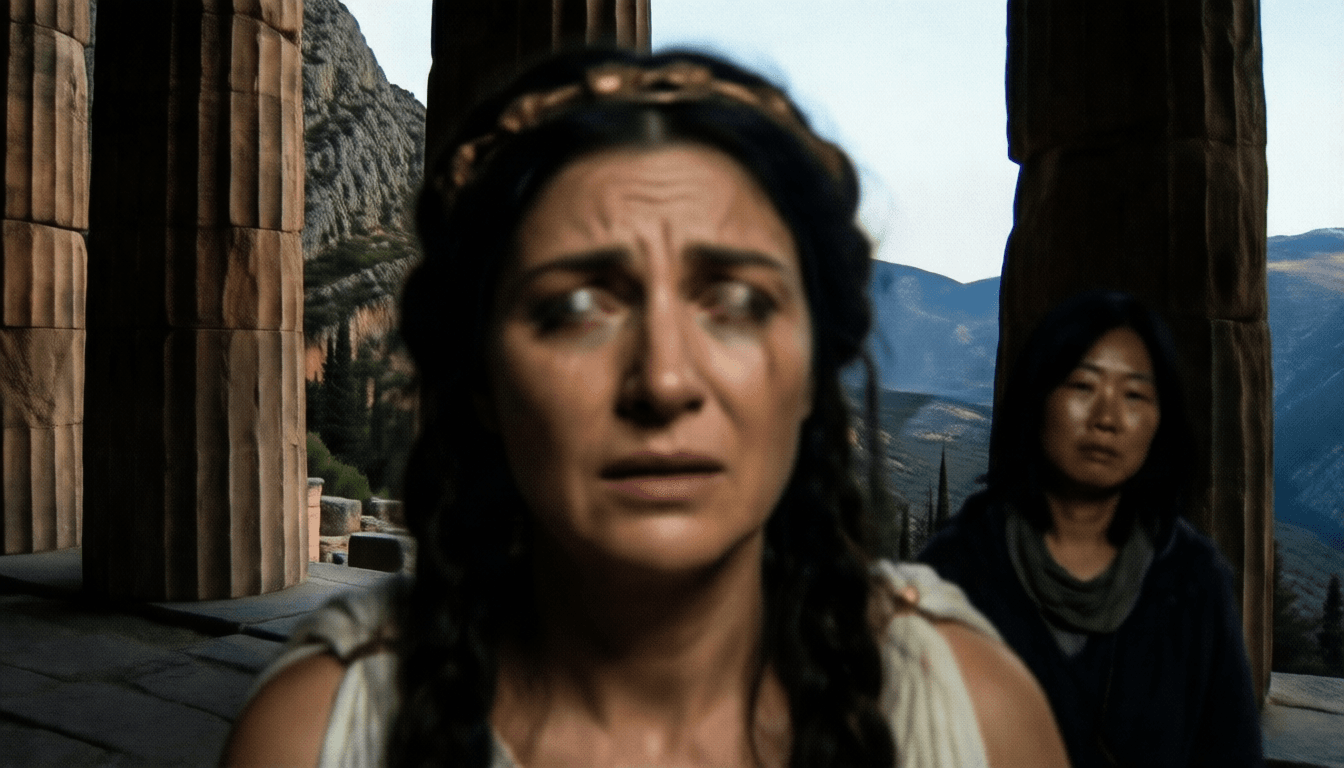
The Hidden Truth of the Delphi Oracle: Prophecy or Hallucination?
In the 5th century BCE, at a critical moment when the vast tide of the Persian Empire threatened to engulf the Greek world, an Athenian delegation embarked on an arduous journey towards a remote temple on the slopes of Mount Parnassus. The destination was the Sanctuary of Apollo at Delphi, and the priestess who delivered the oracles there was Pythia. Her ambiguous, sometimes eerie, prophecies led to the crucial strategy of strengthening Athens' naval power, which resulted in the victory at the Battle of Salamis, a turning point that changed the trajectory of Western civilization. For over a thousand years, countless individuals – kings, generals, and ordinary citizens alike – made pilgrimages to this sacred place. How could this secluded sanctuary exert such immense influence over the ancient world?
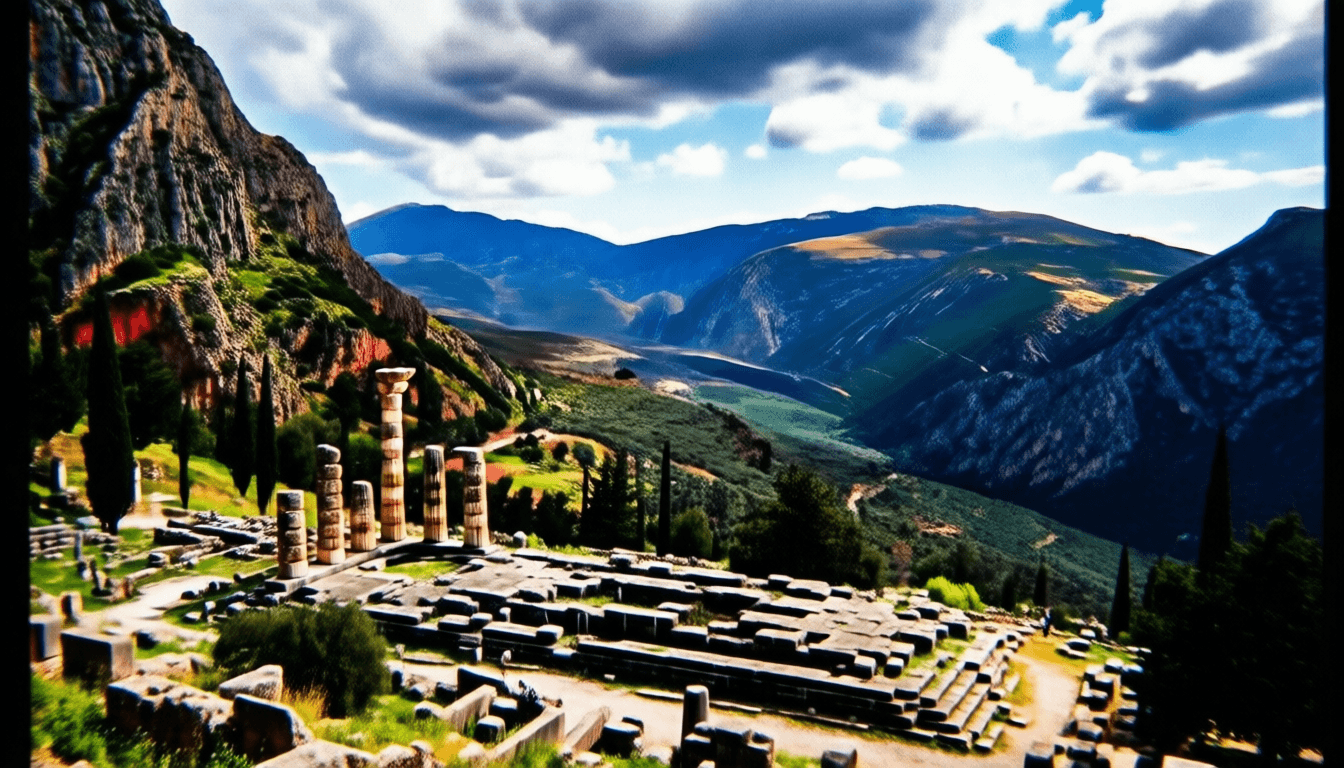
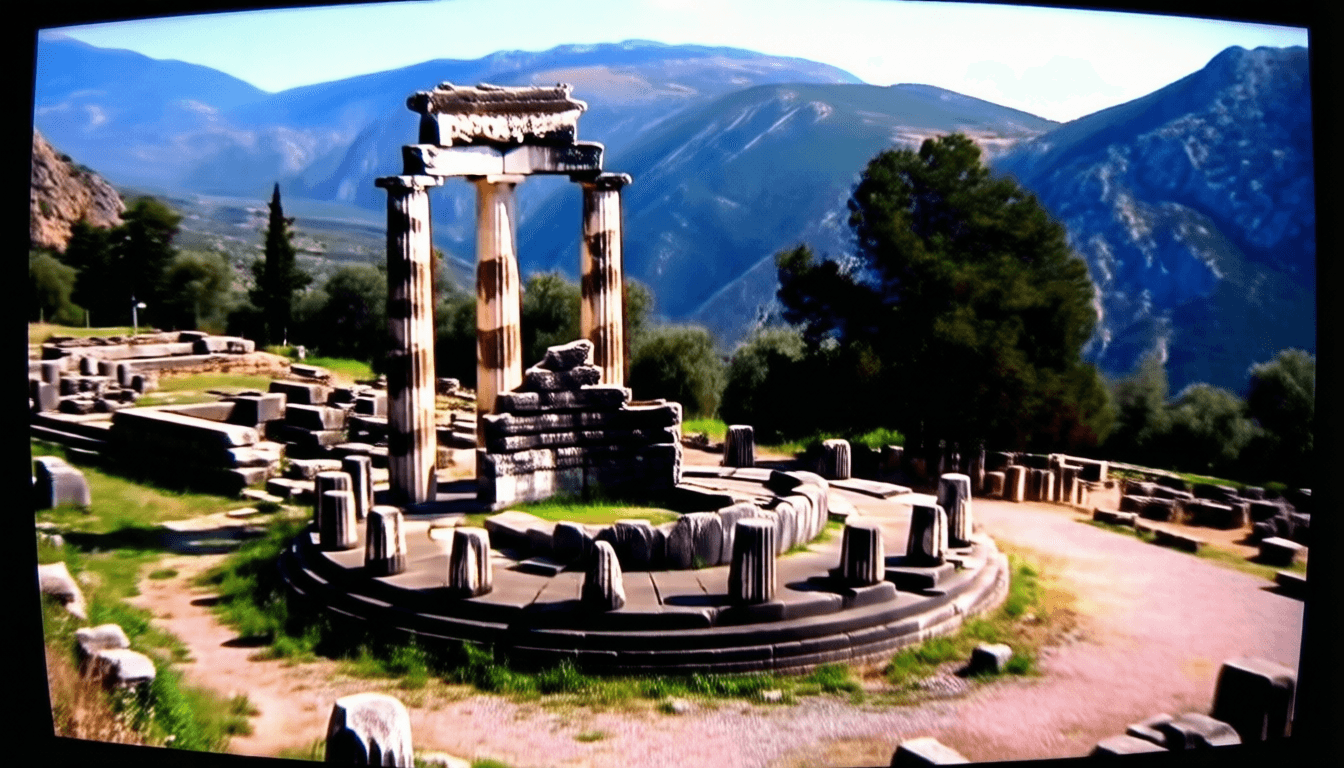
Our steps now turn to Delphi, nestled at the foot of Mount Parnassus, where rugged rocky ridges dramatically unfold. Ascending the winding path, the Omphalos stone, known as the 'Navel of the World,' comes into view. This site is replete with traces of ancient civilization: splendid treasuries where ancient city-states kept precious offerings to the gods, a magnificent theater carved into the hillside, and a stadium situated above it all.
At its heart remain the ruins of the Temple of Apollo, the core of the Delphic Oracle. Archaeological excavations have vaguely reconstructed the adyton, the holy of holies deep within the temple, where Pythia sat on a sacred tripod, channeling the voice of the god. Ancient records describe solemn rituals: burning laurel leaves, offering sacrifices, and purifying oneself with water from the Castalian Spring. The process by which an ordinary peasant woman was chosen as the priestess of the oracle and became the voice of the god is nothing short of mysterious.
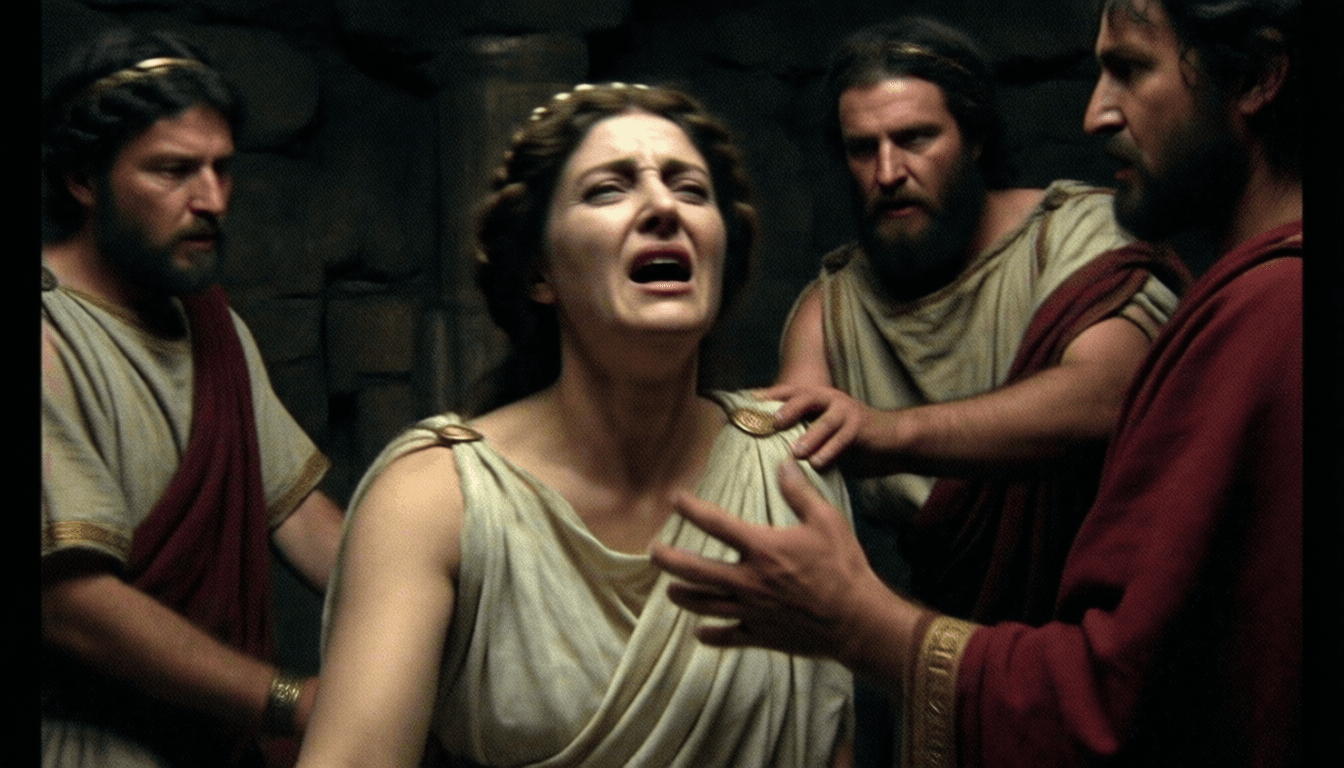
Ancient texts recount that during her prophecies, Pythia would fall into a dazed ecstasy, uttering unintelligible sounds and trembling violently. The male priests, the Prophetai, would interpret her babbling, refining it into the ambiguous poetic verses that shaped empires. This process, recorded over centuries, is difficult to comprehend through simple explanation. How could these enigmatic prophecies consistently wield such great influence, and at times, reveal astonishingly accurate insights?
For a long time, the scientific community dismissed Pythia's trance state as mere religious fervor or fraud. The idea that toxic vapors rising from the ground induced hallucinations was considered a myth. However, unexpected geological discoveries began to crack this skepticism.
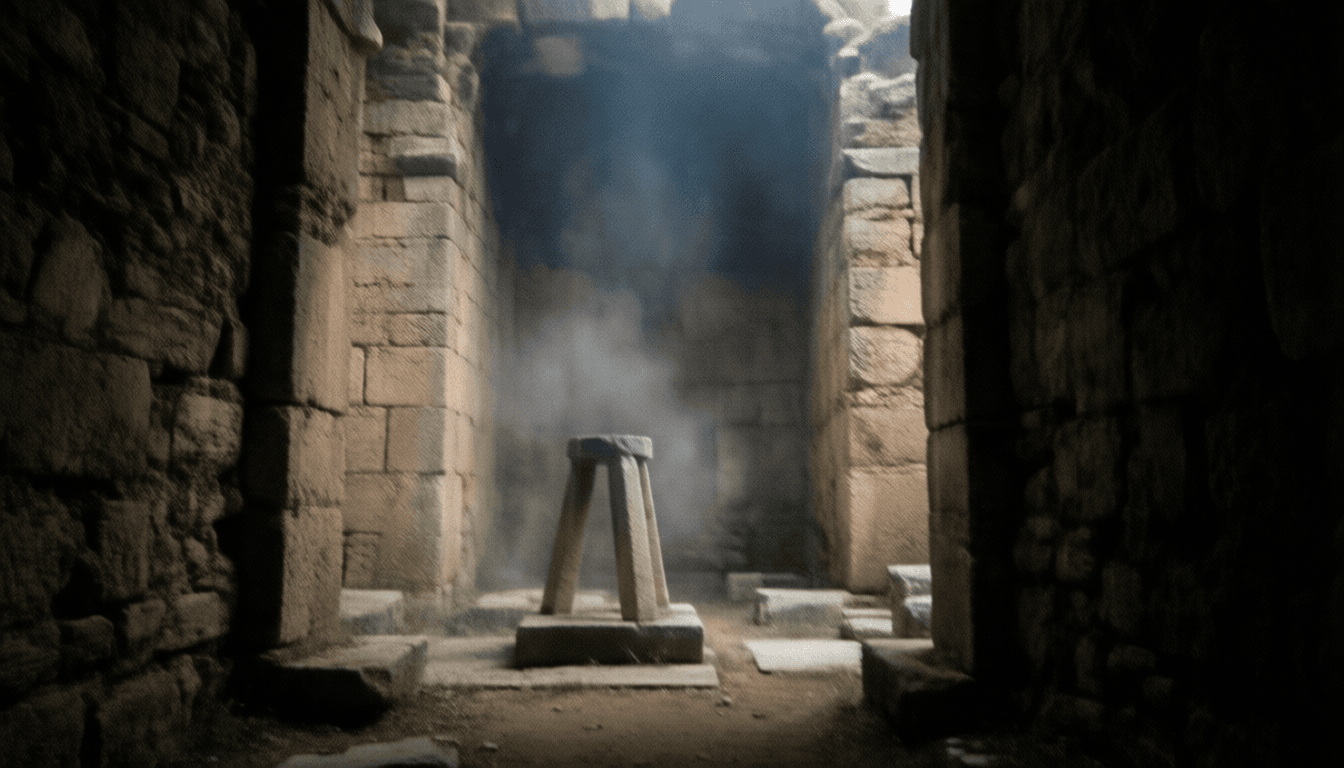
Groundbreaking research by geologists and archaeologists from the late 20th to early 21st centuries shed new light on this mystery. It was revealed that previously overlooked seismic activity caused the Kerna fault and the Delphi fault, specific fault lines, to intersect directly beneath the Temple of Apollo. More crucially, these fault lines were found to be emitting small quantities of certain gases, including ethylene, methane, and ethane. Ethylene, in particular, is known as an anesthetic that induces mild euphoria, dissociative states, and hallucinations, which aligns astonishingly well with ancient accounts of Pythia's ecstasy.
While this discovery seemed to offer a physical mechanism for Pythia's altered state of consciousness, it simultaneously sparked an even deeper mystery. How could the ancient Greeks, centuries before the advent of modern geology, have precisely identified this particular spot as sacred? Was it a remarkable coincidence where natural forces and human belief aligned, or did they possess an intuitive, perhaps even scientific, understanding of the Earth's energies and their effects that is now forgotten?
Furthermore, the oracle's historical longevity, lasting over a millennium, and its often astonishingly accurate geopolitical insights cannot be explained by mere gas inhalation alone. Was there an extensive network of informants, or was a deeper wisdom cultivated and passed down within the priesthood, enabling profound foresight?
Delphi remains a place of dualistic nature. On one hand, modern science has offered a concrete, albeit partial, explanation for Pythia's altered state of consciousness. Yet, on the other, the true genius and enduring power of the oracle remain profoundly mysterious. It is a place where the Earth's geological peculiarities met humanity's deepest yearning for meaning and prophecy.
We cannot help but wonder how an ordinary peasant woman, merely inhaling subtle vapors seeping from the ground, could become a conduit for prophecies that shaped civilizations, dictated war and peace, and influenced the rise and fall of empires for over a thousand years. Delphi is a monument to humanity's ancient quest for answers, a place where the veil between the known and the unknown grew thin. There, we contemplate the true source of wisdom, our connection to the natural world, and the immeasurable forces that have always guided and continue to mystify human destiny. The echoes of prophecy resounding from ancient stones continue to ask us: What other profound connections between the Earth and the spirit have we forgotten?
[ CLASSIFIED VERDICT ]
[ACCESS LOG - SOURCE FILE]
In the ancient Greek Temple of Delphi, there was Pythia, a priestess who channeled the power of the Earth goddess Gaia to predict the future. She delivered oracles in a trance, and these prophecies exerted immense influence, even dictating the fate of Greece. Modern interpretations suggest that hallucinogenic gases seeping from geological fault lines beneath the temple might have induced Pythia's ecstatic state, bringing a scientific explanation to an ancient mystery.