The Chill of Borehole 84-A
Centralia, Pennsylvania, in Columbia County, is a ghost town where an underground coal fire ignited in a landfill in 1962 has been burning for over half a century at temperatures exceeding 500 degrees Celsius—an established historical fact. The Pennsylvania Department of Environmental Protection (DEP) drilled vertical monitoring boreholes across the abandoned maze of underground tunnels, installing thermocouples to remotely track the subterranean inferno. However, in the early hours of November 12, 2021, telemetry reported from Borehole 84-A, located roughly 300 meters south of Saint Ignatius Cemetery, defied every known law of geology and thermodynamics.
An underground fire breathing through thick coal seams invariably vents toxic gases to the surface via a massive stack effect. Yet, at 3:14 AM that morning, the pressure gauge inside Borehole 84-A registered sudden, severe negative pressure. The borehole pipe began sucking down surface air at an alarming rate of 600 cubic feet per minute. Simultaneously, the deep sensor probe, which had steadily held at 450 degrees Celsius, plummeted to minus 0.5 degrees in under forty seconds. There were no seismic tremors indicating cave-ins or sinkholes. Instead, acoustic downhole sensors picked up a bizarre, rhythmic scraping sound—like damp, coarse canvas dragging against jagged anthracite walls, inching upward toward the surface.
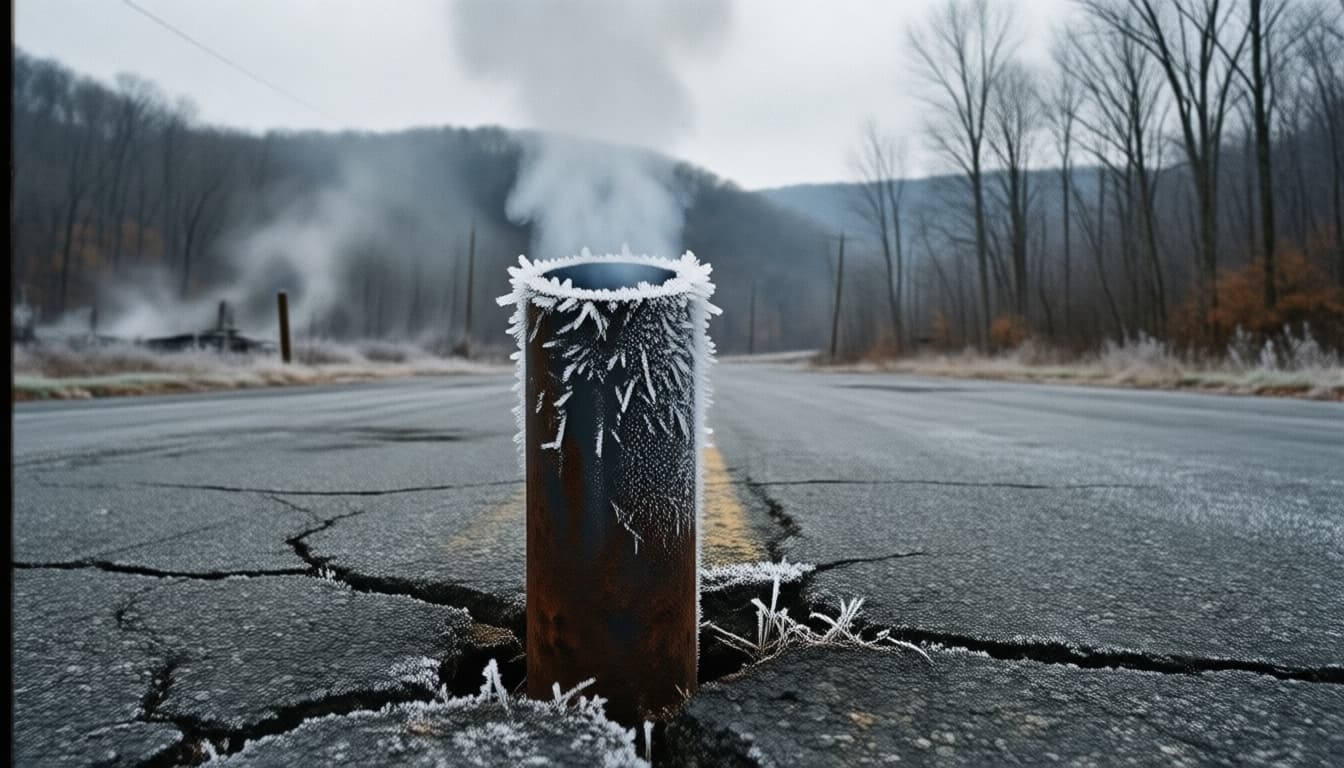
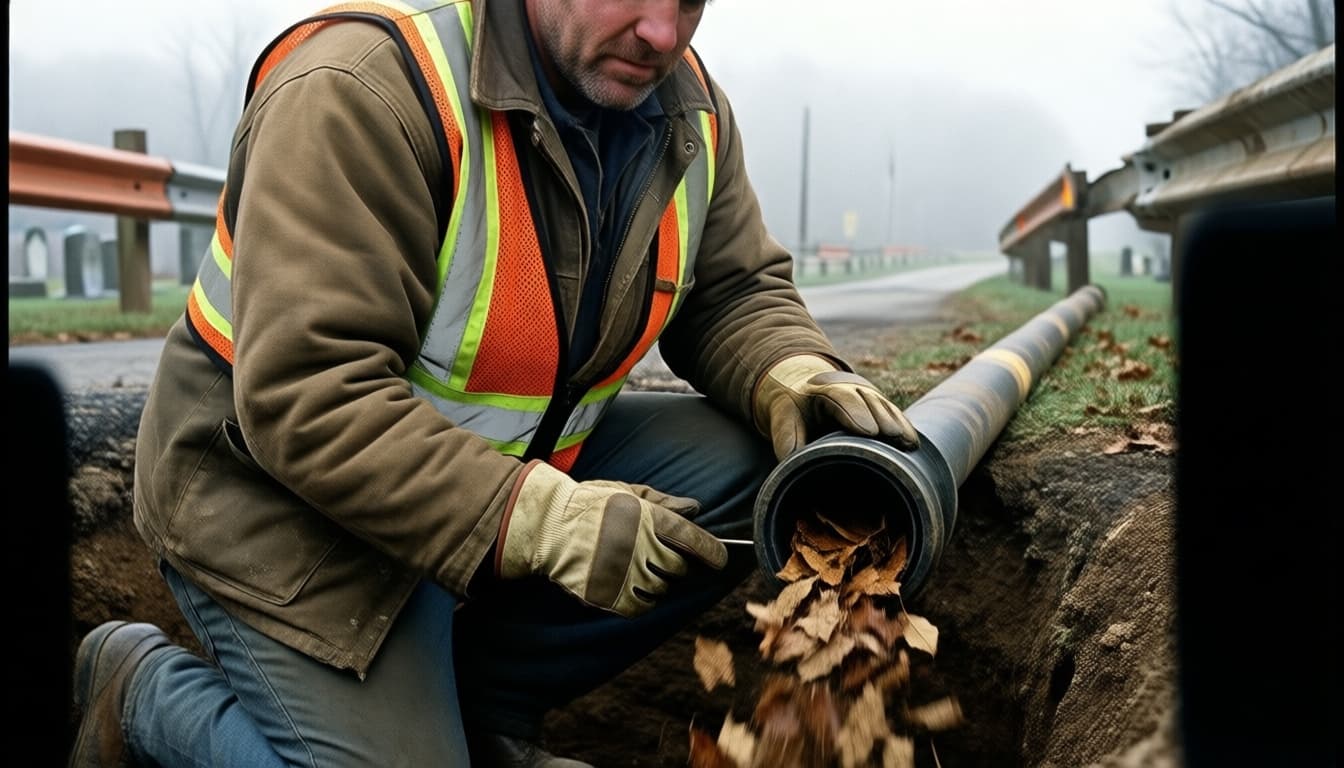
Civil geotechnical engineer Arthur Cole arrived on-site late that afternoon to retrieve an expensive infrared optical probe before the borehole was permanently sealed. The surrounding asphalt was bleached white and veined with fractures; the ground beneath his boots felt spongy and soft from decades of subterranean heat. Yet, slicing through the usual acrid stench of sulfur was an unsettling odor resembling rancid animal grease. Around the 4-inch carbon steel pipe of Borehole 84-A, everything was eerily still. There was no shimmering heat haze; instead, dry birch leaves on the ground were pinned flat against the pipe's mouth by intense downward suction.
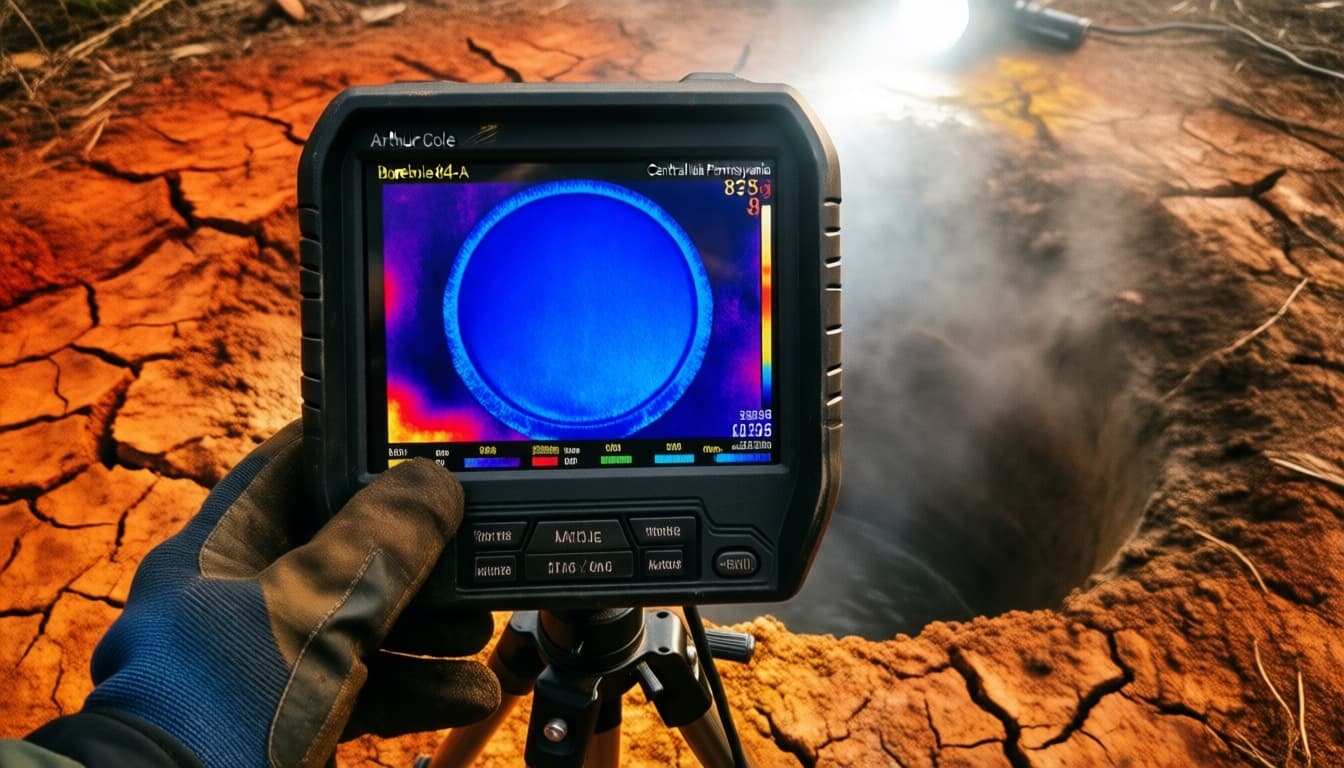
Setting up his tripod and powering on the handheld thermal monitor, Cole felt his fingers go numb. The surface heat distribution did not display a normal ambient dissipation curve. Exactly within a one-meter radius of the pipe, the soil formed a razor-sharp, perfectly circular zone measuring minus 1.6 degrees Celsius. Merely inches outside that geometric perimeter, the soil was a blistering 48 degrees. Two incompatible temperatures met along a line so crisp it looked measured with a compass.
When he held up a multi-gas detector, the carbon monoxide reading—typically off the charts near Centralia vents—read zero. In contrast, the ambient oxygen level dropped to a suffocating 7 percent. The exhaust pipe was not venting poisonous fumes; it was aggressively consuming the surface's oxygen.
Depth: 25 meters. The audio transmitted from the lowered microphone was devoid of mine noise—no roaring flames, no subterranean steam bursts. Bewildered, Cole tapped the exterior steel pipe with an adjustable wrench. A crisp metallic ring traveled down the shaft into the depths. Half a second later, what echoed back was not a vibration. Three deliberate, muffled taps—thud, thud, thud. Something coiled far down in the dark had analyzed the exact rhythm and deliberately mimicked it back to him.
At 33 meters, the winch motor shrieked and jammed. The braided steel cable, rated for 180 kilograms, snapped taut as an iron rod. The sensor had not hit the bottom. Something deep in the dark had seized the probe and was pulling it downward with steady, mechanical force.
As the tension dial slammed into the red, white hoarfrost burst across the exterior of the steel pipe. Directly connected to a burning coal seam hundreds of degrees hot, the metal pipe groaned and underwent rapid cryogenic contraction. The ground buckled beneath Cole, folding the tripod legs, and he stumbled onto his knees on the frozen rim of the depression.
Glancing at the fallen monitor screen in the mud, Cole froze. The downhole camera lens revealed no incandescent red coal. The entire frame was submerged in an absolute, light-devouring blackness. Rising up the borehole through that void was an amorphous entity. It was not fleeing the underground heat; wherever its skin grazed the glowing tunnel walls, the red thermal signatures instantly died out. It was not extinguishing the fire—it was devouring the heat itself.
The motor bracket tore off, and the entire winch mechanism was sucked down the narrow pipe. In that instant, the howling vacuum abruptly reversed. What erupted was not scorching steam, but bone-chilling cold paired with the heavy stench of rendered grease. A massive, slick mass—hard as anthracite yet rippling with life—burst toward the pipe mouth. With hydraulic force, the mass flattened the thick 4-inch carbon steel pipe like an empty aluminum can.
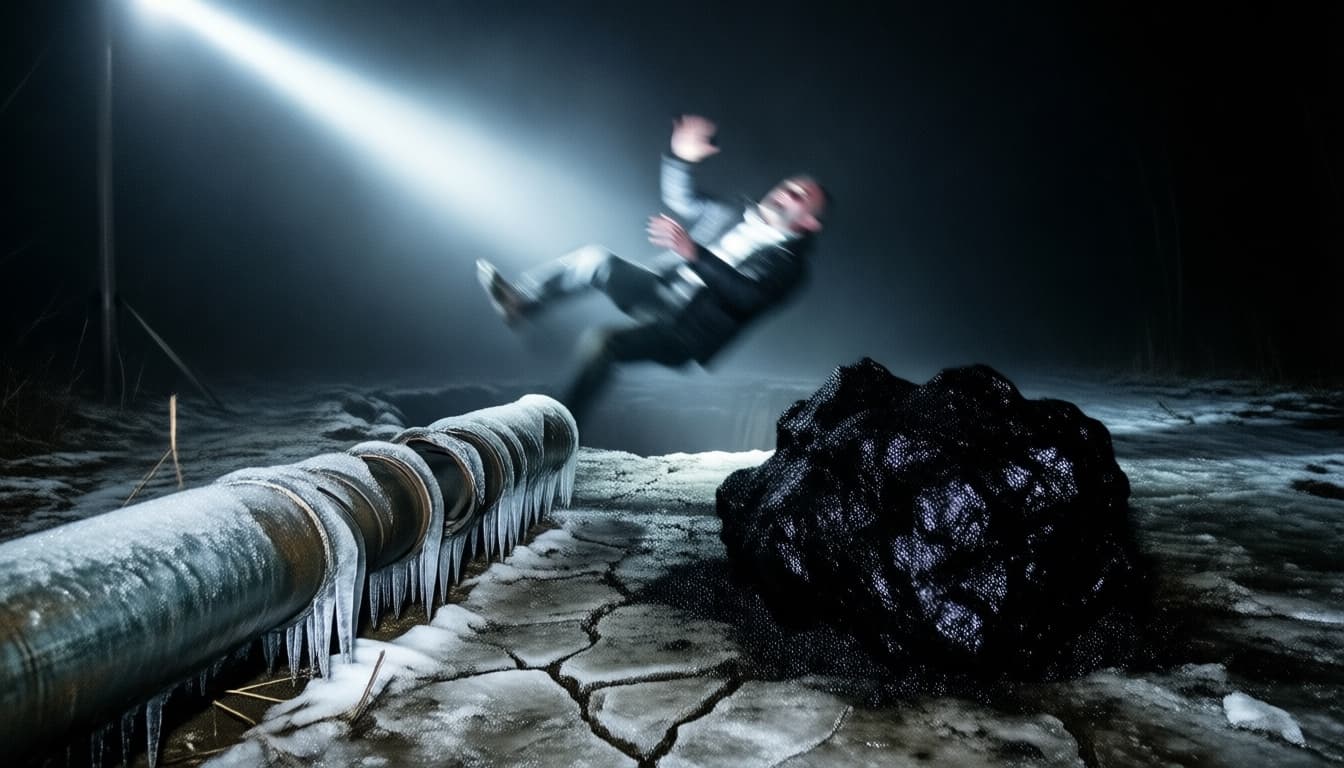
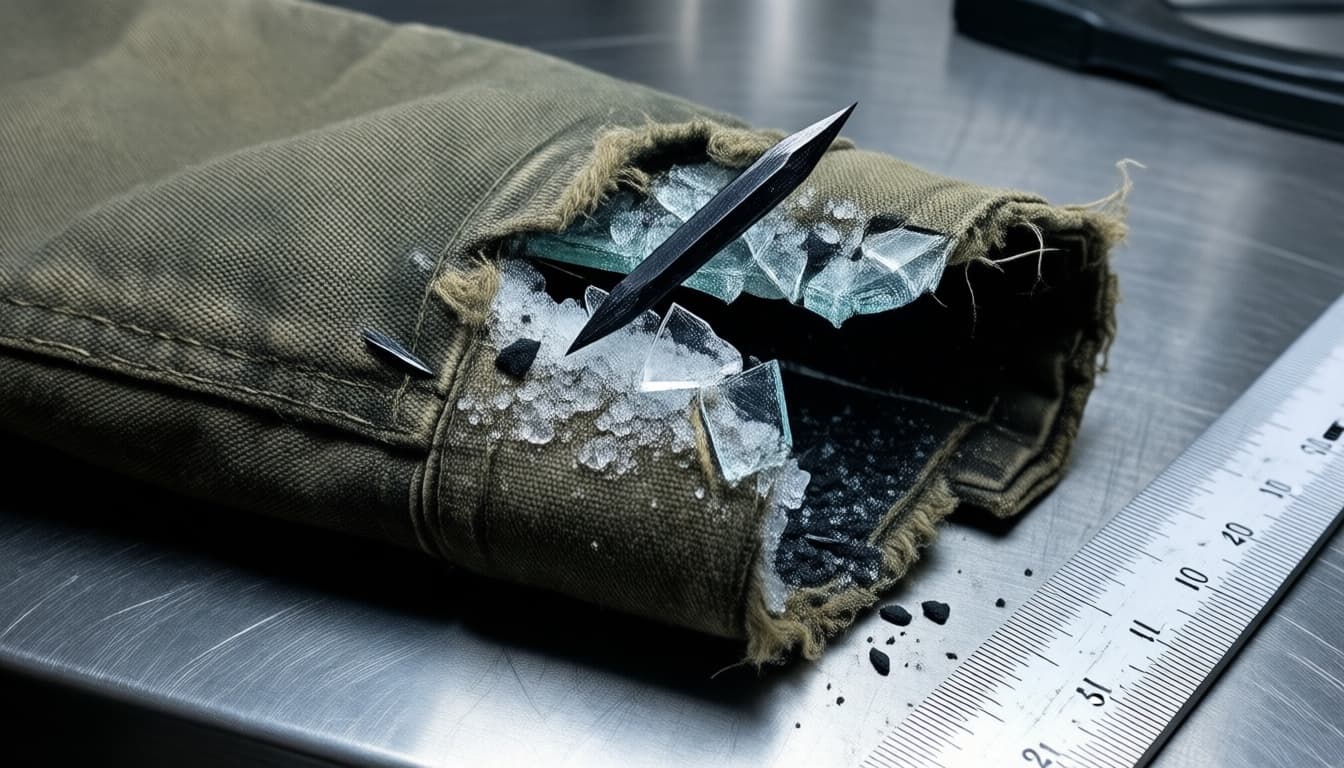
As the ground caved in, the sleeve of Cole's heavy duck jacket grazed the surface of the black substance. Before it even reached his skin, the cold flash-froze his entire arm into numbness. Screaming, he scrambled backward as thousands of tons of earth, gravel, and smoldering debris collapsed inward, completely burying Borehole 84-A in a massive sinkhole.
When recovered, the right sleeve of Cole’s heavy canvas jacket was neither burned nor shredded. The durable cotton fibers had suffered sudden cryogenic vitrification, crumbling into microscopic glass-like dust at the touch of a finger. Entangled in the shattered threads were solid, black, needle-like fragments. Under chemical analysis, these non-melting needles perfectly matched high-purity anthracite coal—yet under a microscope, they revealed dense, interconnected vascular networks of organic origin.
Since that incident, deep coal seam temperatures across the southern Centralia sector monitored by the Wilkes-Barre office have dropped steadily by 3 degrees Celsius each month. The underground fire is not running out of coal to burn. Deep within hundreds of kilometers of mine shafts still marked as red infernos on state maps, something is carving out silent, freezing tunnels, feeding endlessly on the fire.
[ CLASSIFIED VERDICT ]
[ACCESS LOG - SOURCE FILE]
Based on the real-world underground coal mine fire in Centralia, Pennsylvania, which ignited in 1962 and has been burning beneath the ghost town for over six decades. This urban legend explores the concept of a subterranean entity lurking beneath the toxic fissures, which does not run from the inferno, but actively consumes heat itself, leaving behind inexplicable freezing voids.