Island of Bleeding Trees: The Mystery of Socotra
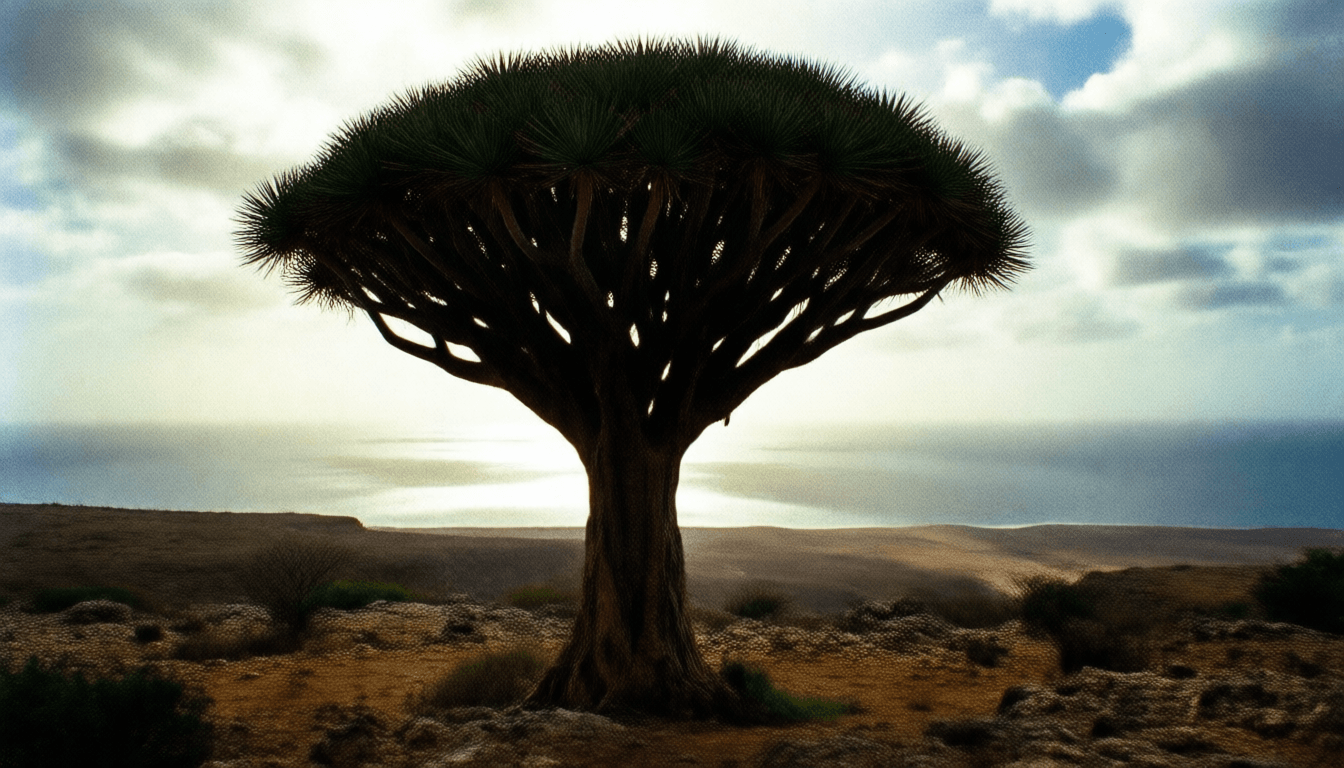
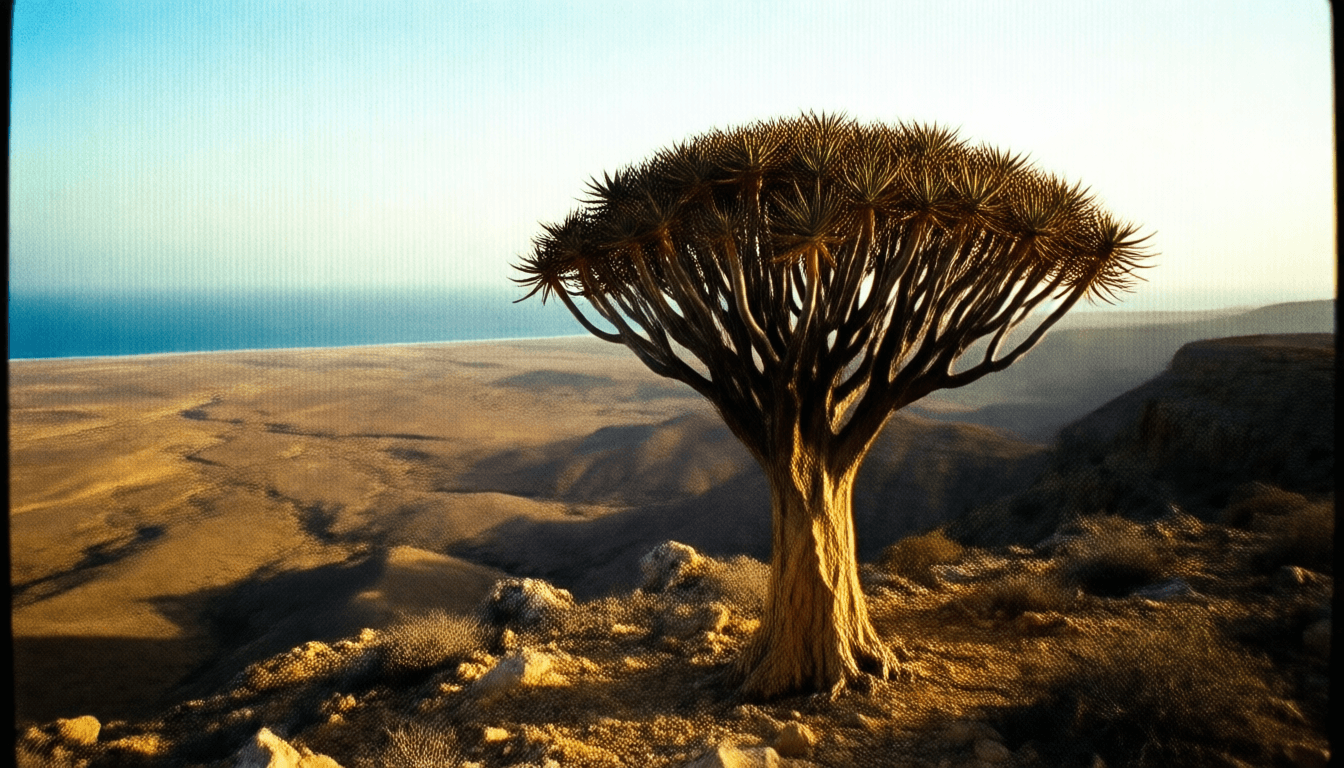
Imagine an alien landscape, like something ripped from a primordial Earth or a sci-fi epic, an island drifting on the turbulent waters of the Arabian Sea. Here, atop jagged limestone plateaus, grows a forest found nowhere else on Earth: a forest of bleeding trees. Their dense, mushroom-shaped canopies, resembling giant inverted umbrellas, stand stark against the barren sky, their branches gnarled and ancient. Cut their bark, and a thick, viscous crimson sap oozes out, known for millennia as 'dragon's blood.' This is Socotra, an island teeming with profound natural anomalies, where the very landscape seems to defy Earth's conventions, holding secrets whispered by the winds of deep time.
More than 350 kilometers off the coast of Yemen, Socotra's extreme geographic isolation has, over centuries, forged it into an ark of evolution – 'the Galapagos of the Indian Ocean.' Scientists classify it as one of the most biodiverse and unique islands on Earth. A staggering 37% of its plant species, 90% of its reptile species, and 95% of its land snail species are found nowhere else on the planet. From the peculiar, bulbous bottle trees to the desert roses that bloom directly from the rock, the island is a living museum of evolutionary divergence.
But dominating this landscape is the Dragon's Blood Tree, or Dracaena cinnabari. Perfectly adapted to capture scarce moisture from mist and humidity, its distinctive umbrella shape creates an unforgettable, almost extraterrestrial vista. In ancient trade routes, Socotra was known not for its beauty, but for the precious red resin extracted from these trees – a highly prized commodity used for dyes, medicine, and spiritual rituals across ancient Egypt, Greece, Rome, and Persia.
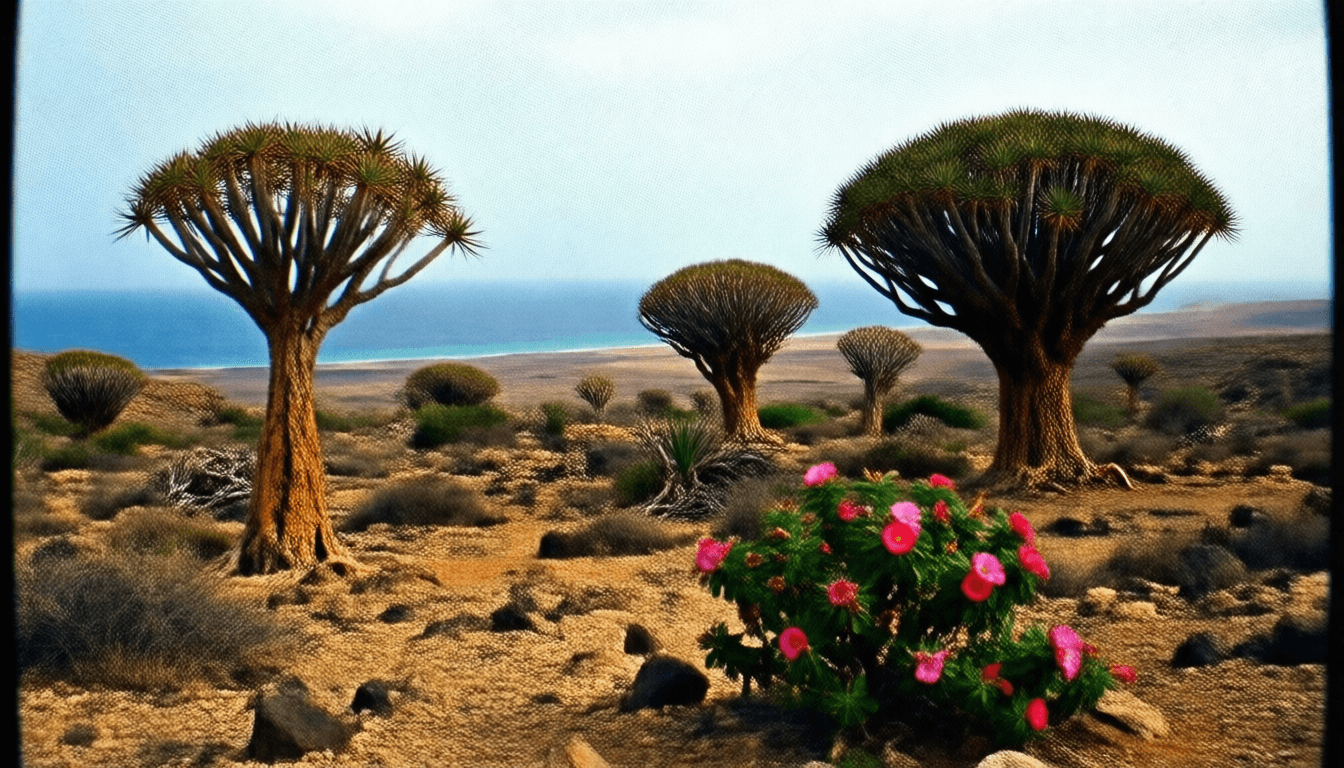
Despite centuries of human interaction and modern botanical inquiry, the Dragon's Blood Tree continues to pose profound questions. Its slow growth, extreme longevity, and specific environmental requirements make reproduction challenging even today. How did such a highly specialized and iconic species become so widespread and dominant across Socotra's arid plateaus?
Furthermore, how did an entire island ecosystem foster such unparalleled endemism, seeming to evolve in complete separation from continental influences, yet simultaneously hinting at subtle botanical connections to landmasses long since vanished?
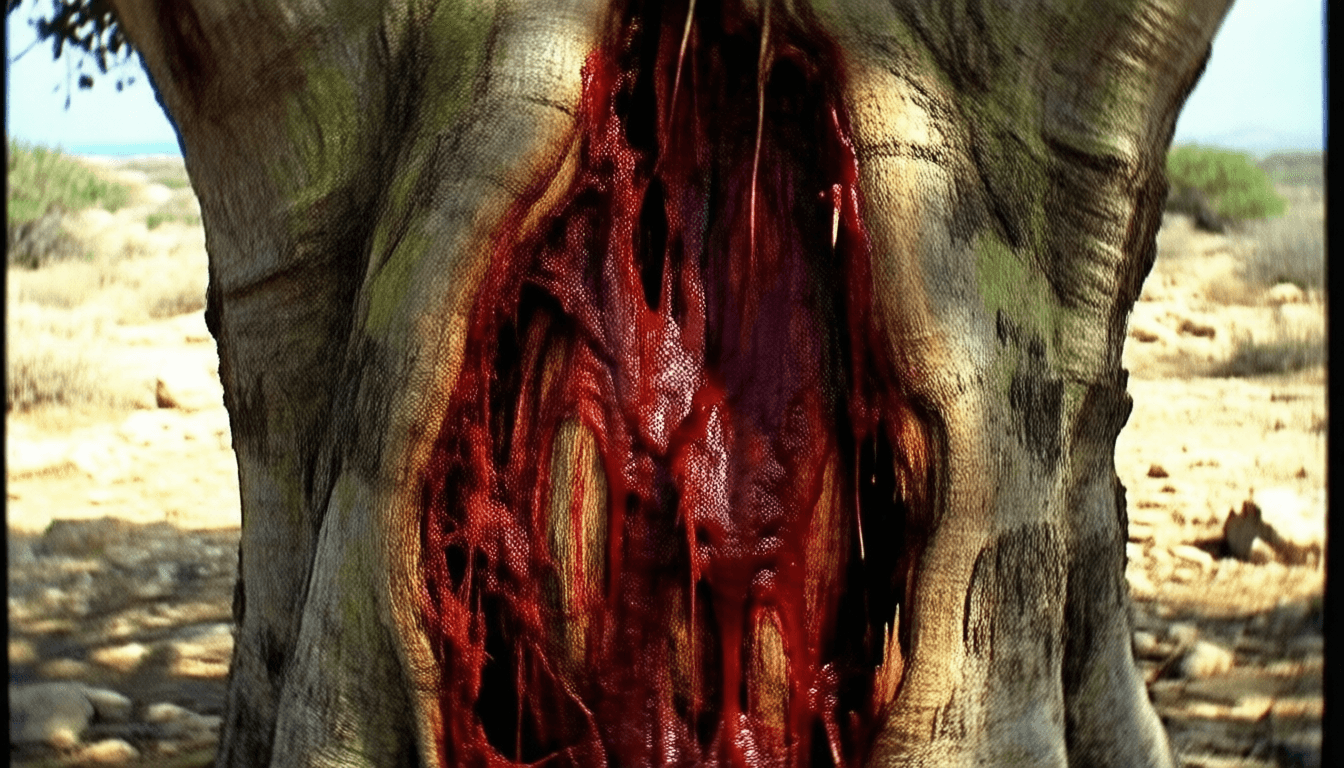
Local Socotran folklore weaves a tapestry of legends around the island and its bleeding trees. Tales of the crimson sap's birth from a fierce battle between a dragon and an elephant, whispers of Jinn guarding forgotten treasures, and the persistent belief that the island itself is a remnant of Eden – a place where time and nature diverge from the known world. These are not mere quaint stories; they are narratives woven into the very fabric of the island's human history, passed down through generations who have lived intimately with its enigmatic wonders.
The true enigma of Socotra extends beyond individual species. It is the island's collective identity as a crucible of extreme biodiversity. How did this relatively small landmass become such a concentrated hotbed of unique life, a living laboratory where evolution experimented with forms and adaptations found nowhere else?
Scientists grapple to understand the timescales, geological processes, and environmental conditions that gave rise to this botanical sanctuary of oddities. Alongside these natural anomalies, archaeological whispers remain: ancient rock carvings depicting unknown symbols, traces of settlements hinting at sophisticated ancient cultures that interacted with this strange environment. Who were these early inhabitants, and what was their relationship with such an utterly unique island?
The sheer probabilistic impossibility of this richness of unique life, combined with the island's ancient and enduring legends, positions Socotra as more than just an ecological curiosity – it's a profound question mark in our understanding of Earth's biogeographical history, as well as an untold chapter of humanity's past.
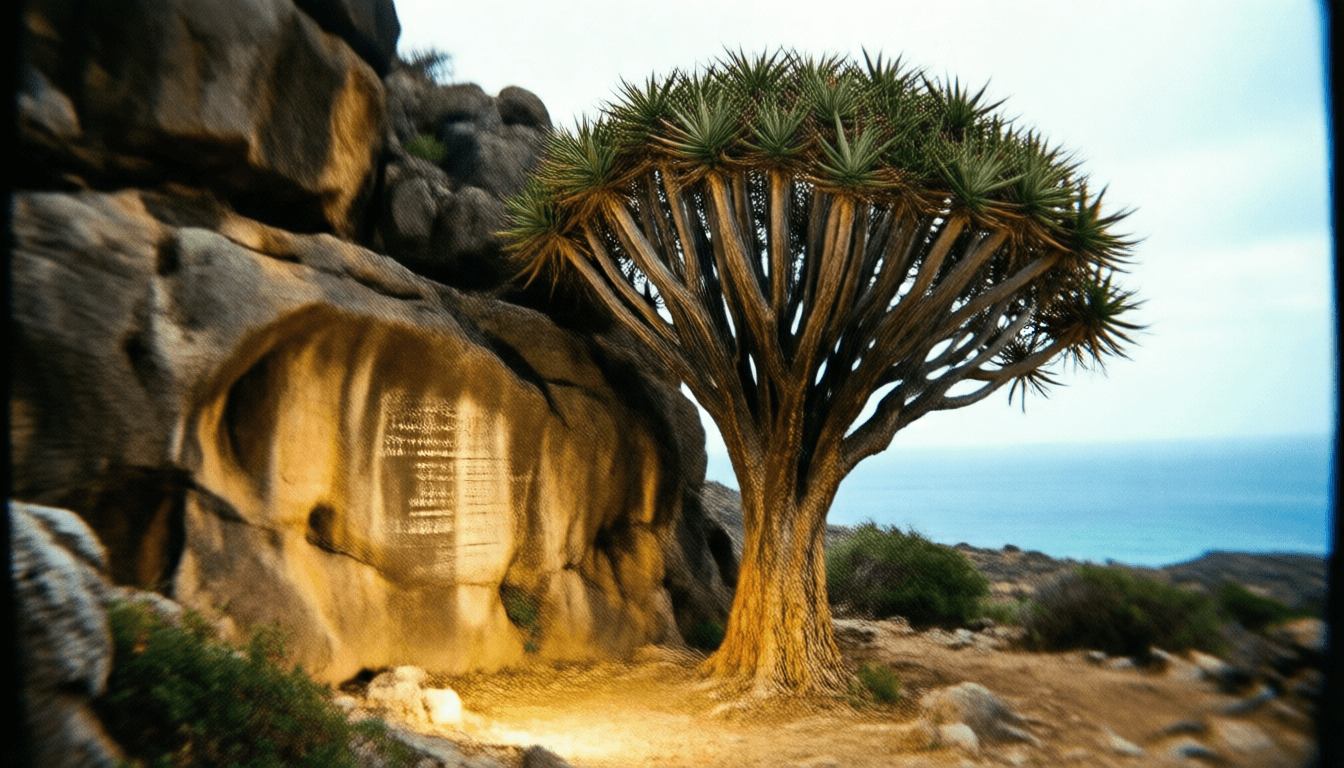
Today, thanks to its formidable isolation and rugged terrain, Socotra remains largely untouched by the outside world. As the sun sets, casting long, distinct shadows of the Dragon's Blood Trees across the dramatic landscape, the island continues to guard its secrets. It stands as a profound testament that even in an age of satellite mapping and genetic sequencing, our Earth holds wonders that defy easy categorization or complete explanation.
Socotra is not merely an island with peculiar trees; it is a living archive of evolutionary daring, a repository of ancient myths that feel imbued with truth, and a stark, beautiful monument to vast, untamed mysteries that still lie beyond the full grasp of human understanding. Its bleeding forests whisper tales of deep time, inviting us to contemplate the boundless capacity of life to find its own unique and wondrous paths.
[ CLASSIFIED VERDICT ]
[ACCESS LOG - SOURCE FILE]
Socotra Island is renowned for its unique Dragon's Blood Trees, which exude a crimson sap known as 'Dragon's Blood.' Local folklore attributes this red sap to a fierce battle between a dragon and an elephant, and the island is believed to harbor Jinn guarding forgotten treasures, and even to be a remnant of Eden. This story delves into the evolutionary enigmas and ancient legends surrounding this mystical island.