The Orchid in Silence
For years, a rumor resurfaced every now and then, just when it seemed to fade away. It wasn't a ghost story. It was about a shadow, specifically 'Project Orchid'. The first discovery was an archived page from a now-defunct geopolitics blog. It contained a blurry photographic fragment of what appeared to be an intelligence report from a non-aligned nation, dating back to the late 1970s. Though heavily redacted, the decipherable parts mentioned a 'joint advisory initiative' operating within 'remote agricultural training zones' in Democratic Kampuchea during the dark days of the Khmer Rouge regime. It also noted unusual shipments of specialized industrial chemicals and construction materials to coordinates that didn't align with any known re-education camps or military bases not in public record. The blog author, who vanished after posting, speculated it was either a clandestine, foreign-backed operational base or a highly specialized illicit facility, unrecorded in official history. Most chilling was a faint, handwritten footnote barely visible in the photograph: "In silence, the orchid bloomed."
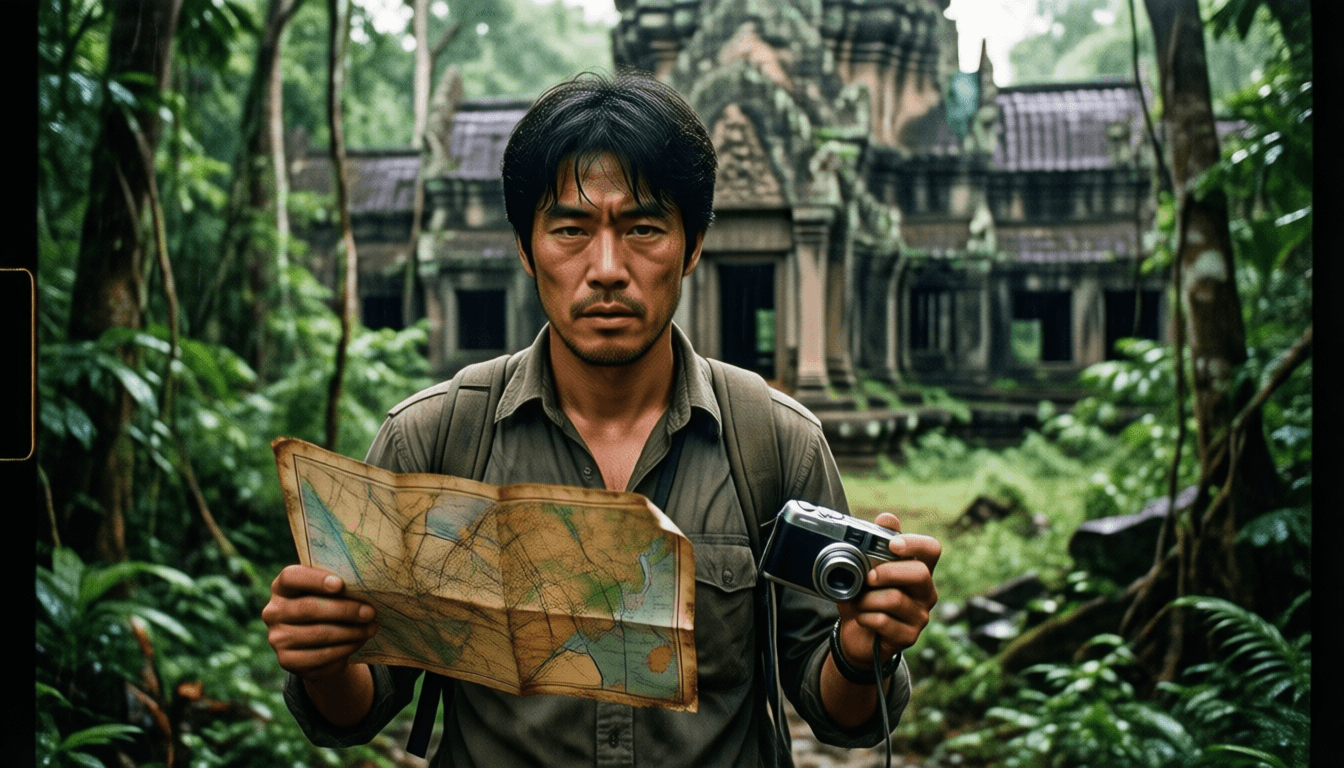
Drawn by this persistent anomaly, 'Project Orchid', and the fragment of an archived document, I, an independent historian specializing in Cold War-era conflicts in Southeast Asia, journeyed to Cambodia. Initial inquiries into the remote areas mentioned in the report were met with a wall of polite confusion or veiled hostility from locals. Scrutiny of older satellite imagery and topographical maps revealed an incongruous, man-made clearing deep within the Cardamom Mountains, a historically inaccessible and sparsely populated region.
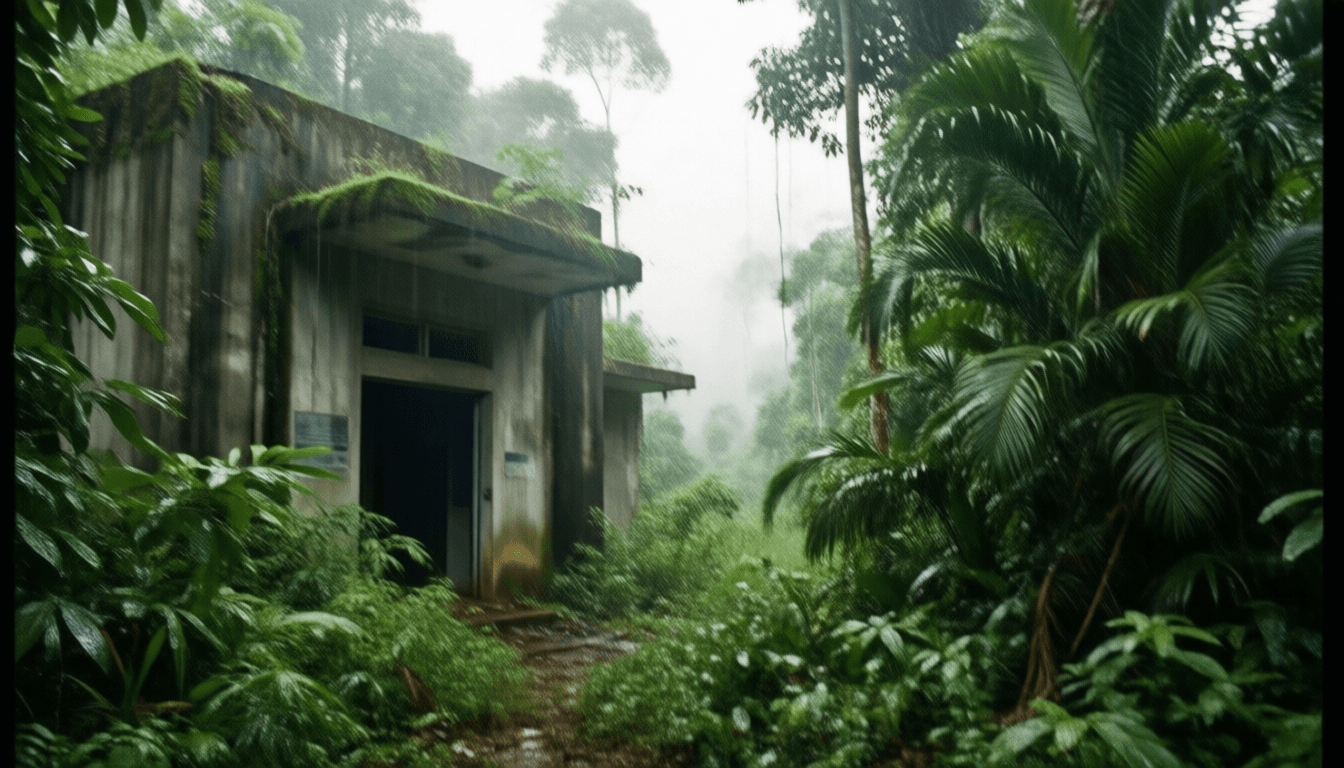
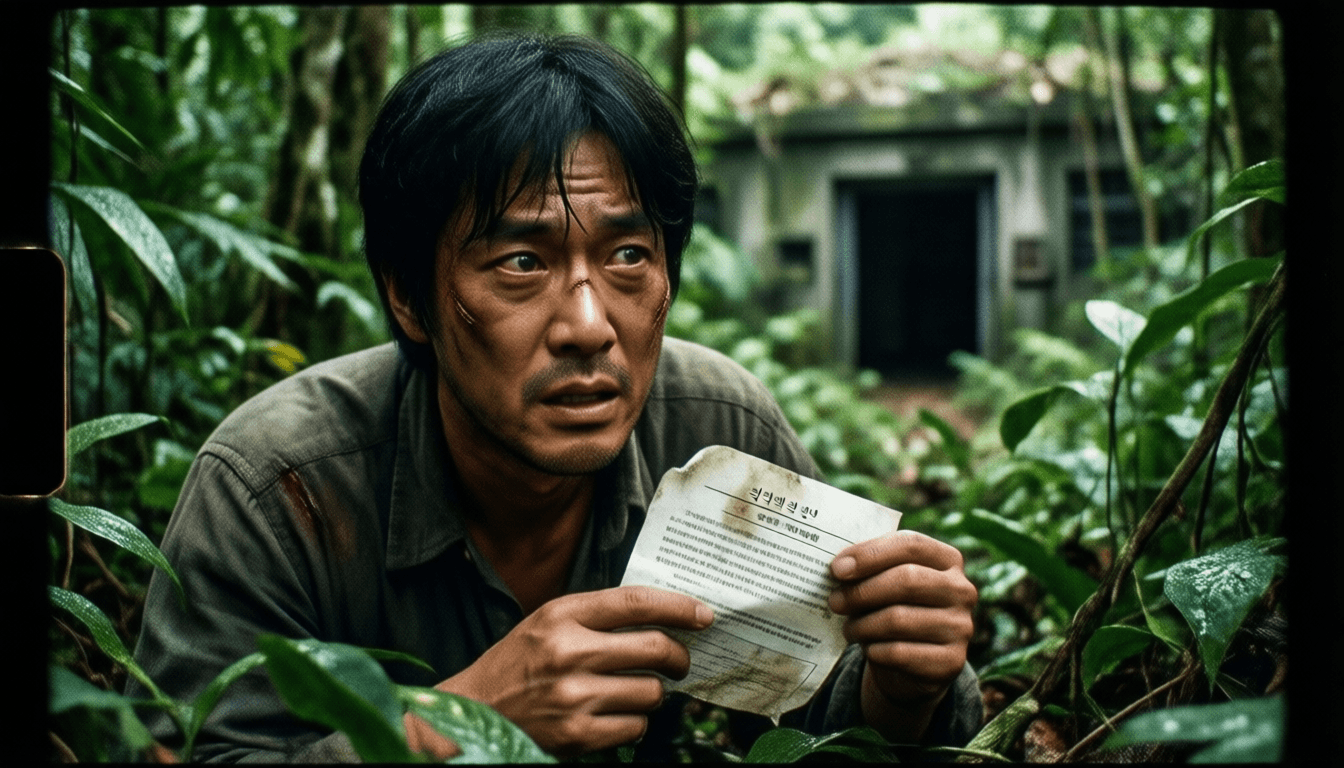
The search was grueling. The jungle was a blanket of stifling heat and noise, but as I neared the coordinates, an unsettling shift occurred. The vibrant life of the rainforest faded. An unnatural stillness descended, broken only by my ragged breath and the crunch of dry leaves. The air was heavy, stagnant. Finally, through the dense canopy, the outlines of abandoned structures emerged. Not traditional Khmer Rouge-era huts, but dilapidated, brutalist concrete buildings, partially subsumed by the jungle. Strange, powerful ventilation shafts and thick, blast-door-like entrances suggested a purpose far more significant than agricultural training.
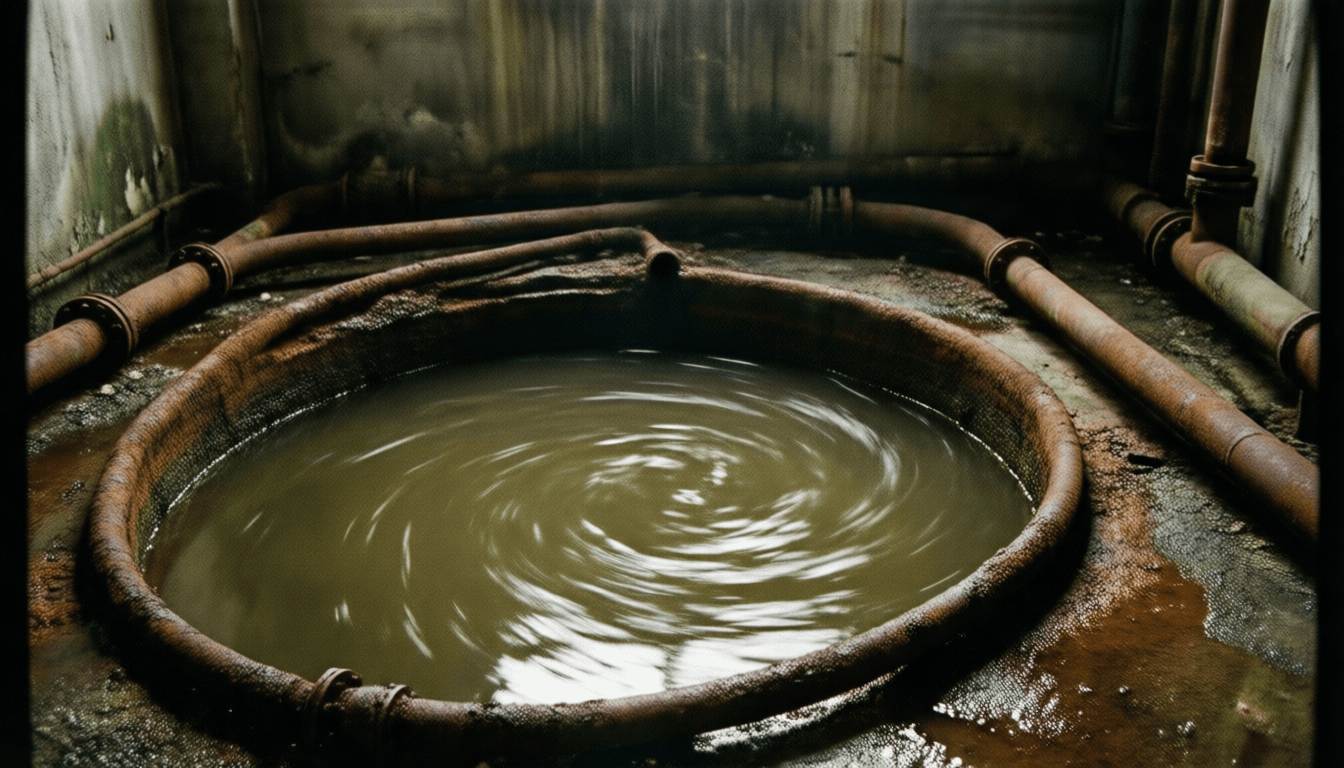
The atmosphere inside the first building I found was profoundly disorienting. Concrete walls absorbed sound, creating an almost perfect vacuum, and footsteps echoed eerily, delayed and distorted, making it difficult to gauge distance or the presence of others. Deeper, in what appeared to be a converted laboratory or industrial facility, intricate pipes and conduits snaked across the floor. In one section where corroded pipes had burst, water had pooled. I witnessed a bizarre phenomenon: without any external current, the stagnant water subtly swirled clockwise, then anti-clockwise, as if an unseen force manipulated its surface tension. A faint metallic odor permeated the air, not just of decay, but something chemical and alien.
Further exploration revealed traces of advanced foreign technology: defunct machinery with faded Cyrillic and English labels, power conduits too robust for the regional grid, and heavily shielded rooms. The ominous silence persisted, but now it felt less like an absence and more like an active, watching stillness. I felt an inexplicable unease, a certainty that I wasn't alone, yet every check yielded nothing. The sense of being observed grew, tightening like a band around my senses.
Deep beneath the main facility, accessible only through a cleverly concealed, rusted service hatch, I found the true 'Orchid'. It was a vast, subterranean complex of interconnected chambers. One room stood out: an enormous circular chamber with a heavily reinforced pedestal in the center, and sophisticated, now-defunct control panels lining the walls. Nearby, on a table, water-damaged metallic boxes lay beneath fallen ceiling debris. Documents inside revealed a horrifying truth. 'Project Orchid' was not merely a foreign advisory initiative. It was a clandestine international research facility where unethical human experimentation was conducted, disguised as 'disease eradication' or 'agricultural improvement' programs during the genocide. The documents detailed specific chemical compounds, biological agents, and chillingly, 'field tests' involving not only the Khmer Rouge but also specific foreign scientists and intelligence agencies. The swirling of the stagnant water was a remnant of decontamination procedures.
As I filmed the evidence, faint footsteps echoed from the access tunnel. Now, they weren't delayed or distorted; they were clear, precise, and approaching. These were not the footsteps of local villagers. These were deliberate, controlled movements. Without a word, a silhouette in modern, dark tactical gear appeared at the tunnel entrance, holding a suppressed weapon. I was suddenly and intensely aware of my isolation, of how deeply buried this facility was, how far beyond the reach of law and accountability. The figure said nothing. Its actions were cold, professional, utterly without hesitation.
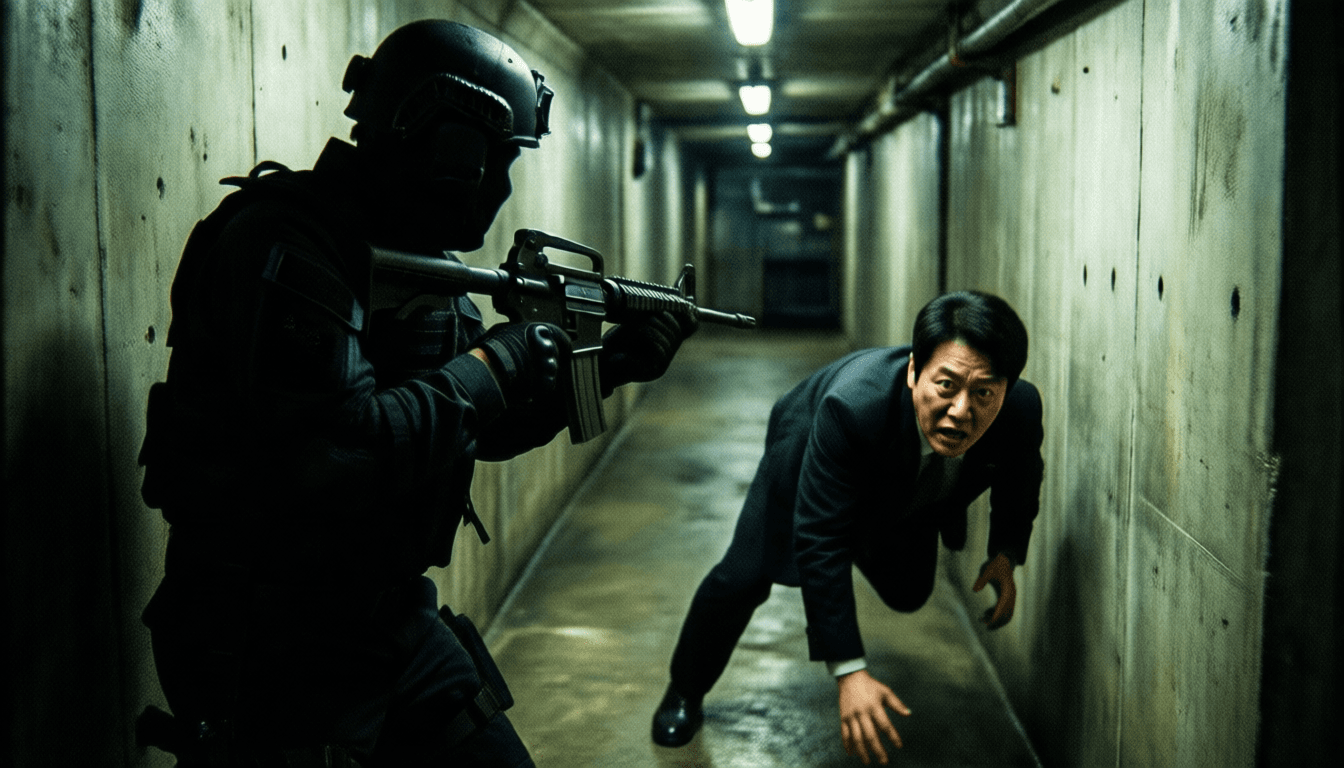
The 'presence' acted. Without a word, the figure fired, striking my communication device, the bullet ricocheting and grazing my arm. As I dove for cover, the figure moved with chilling speed and efficiency, anticipating every possible escape route. He triggered a localized collapse of a weakened section of the tunnel, effectively trapping me in the chamber. The silence that followed was not the jungle's silence, but the suffocating quiet of an executioner waiting. I was bleeding, cornered, and the weight of the evidence I held felt impossibly heavy.
I escaped, though the details of my survival are a blur of desperation and luck—perhaps a forgotten ventilation shaft or an overlooked emergency exit. I emerged wounded and shaken, but with partial evidence. I tried to release this information, but was met with a sophisticated campaign of disinformation and denial. Official sources undermined or questioned the authenticity of the documents. The story was dismissed as a conspiracy theorist's ravings or even foreign interference in Cambodian history. The true, creeping horror began here. I received subtle, untraceable threats: anonymous emails hinting at 'career suicide,' unexpected inquiries into my personal life, sudden 'loss' of digital file backups. I even heard news of a fellow historian, who had shown interest in my preliminary findings, suddenly dying in an 'unfortunate accident.' I now live with the crushing weight of a terrible truth that the world refuses to acknowledge, and with the chilling realization that the forces behind 'Project Orchid' are not a relic of a bygone era, but an actively monitoring, continuously operating, and fully impunity-enabled entity, prepared to silence anyone who gets too close. The true terror is the knowledge that the 'conspiracy' is not merely about a historical cover-up, but a living, ever-watching entity, intent on burying its secrets forever in an impenetrable silence of complicity.
[ CLASSIFIED VERDICT ]
[ACCESS LOG - SOURCE FILE]
This story is inspired by historical rumors and unverified documents concerning unethical human experimentation programs conducted under plausible pretexts like 'disease eradication' or 'agricultural improvement' during the tumultuous Cold War era in Southeast Asia. It delves into the perilous journey of those attempting to uncover the true nature of illegal and brutal projects secretly perpetrated by authoritarian regimes and foreign powers.