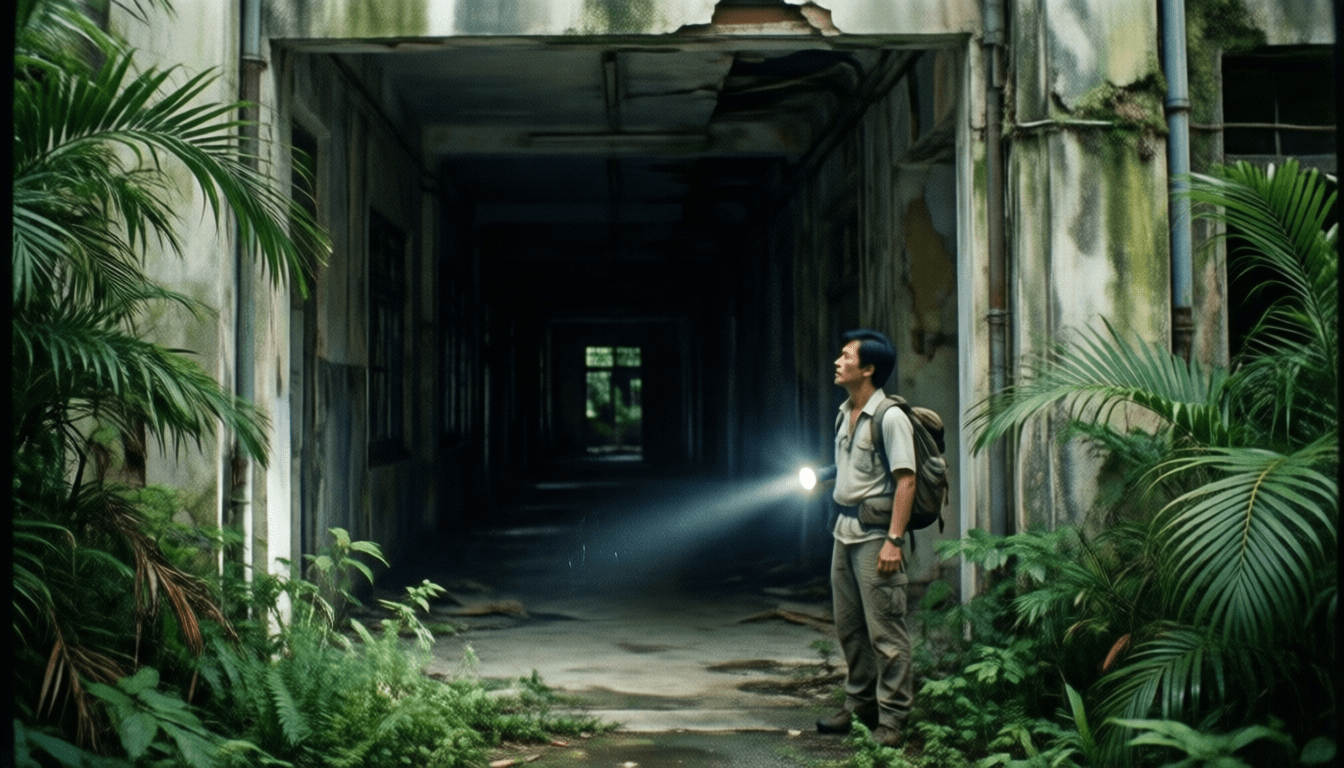
Old Changi Hospital: The Archivist's Haunting Pull
If there's one place persistently whispered about among Singapore's internet urban legends, it would be Old Changi Hospital. This colonial-era building, abandoned for decades, has magnetically drawn urban explorers, thrill-seekers, and those driven by pure curiosity. Online forums, YouTube channels, and whispers among locals are filled with recurring reports: formless whispers, the smell of decaying embalming fluid, inexplicable drops in temperature, ghosts of former patients or Japanese military police, and most chillingly, the high, eerie laughter of children echoing through empty wards. These are not isolated incidents. Over generations, hundreds of testimonies describe almost identical sensory anomalies, often leaving people fleeing in abnormal terror. As an archivist documenting these phenomena, I judged that the statistical strangeness of these consistent, unverified claims suggested something beyond mere collective imagination. There was a peculiar resonance stubbornly reverberating through the noise, and I decided to delve into its truth.
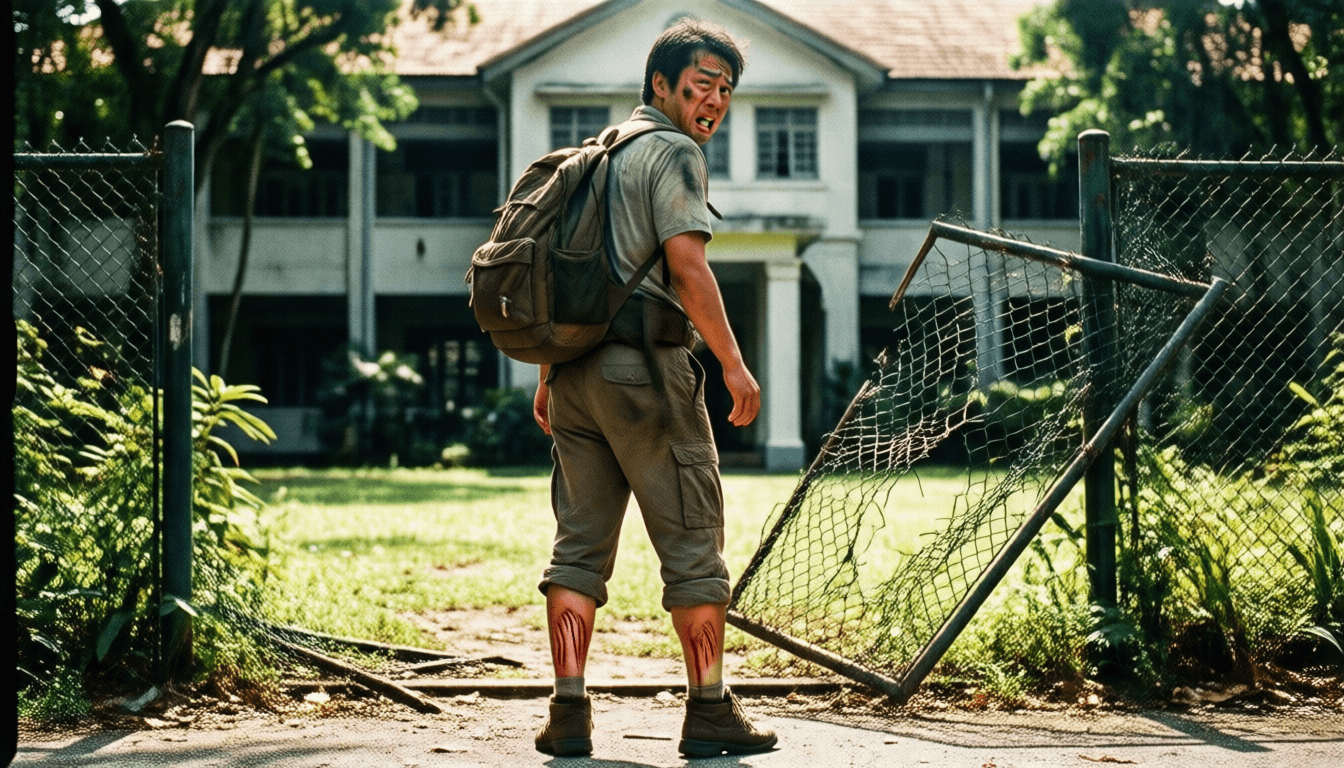
In the humid pre-dawn air, it wasn't difficult to cross the broken fence and enter the hospital. The air inside was thick and heavy, a mix of tropical humidity, mold, and the smell of decaying concrete. My equipment was simple: a high-fidelity recorder, an infrared camera, a digital thermometer, and a powerful LED flashlight. The first few hours were spent exploring the ground floor, documenting graffiti-covered walls, remnants of rusty medical equipment, and the pervasive atmosphere of ruin. The building was shrouded in suffocating silence. Sunlight, piercing through the dense foliage outside, filtered through broken windows in faint, dusty beams, illuminating only decay. Footsteps echoed with unusual clarity, yet strangely seemed to dissipate quickly, as if silence itself absorbed the sound. The digital thermometer consistently read 29.5 degrees Celsius, an unremarkable morning temperature, but the overall atmosphere itself felt... wrong. A palpable tension lingered, as if one had just entered a room immediately after a heated argument.
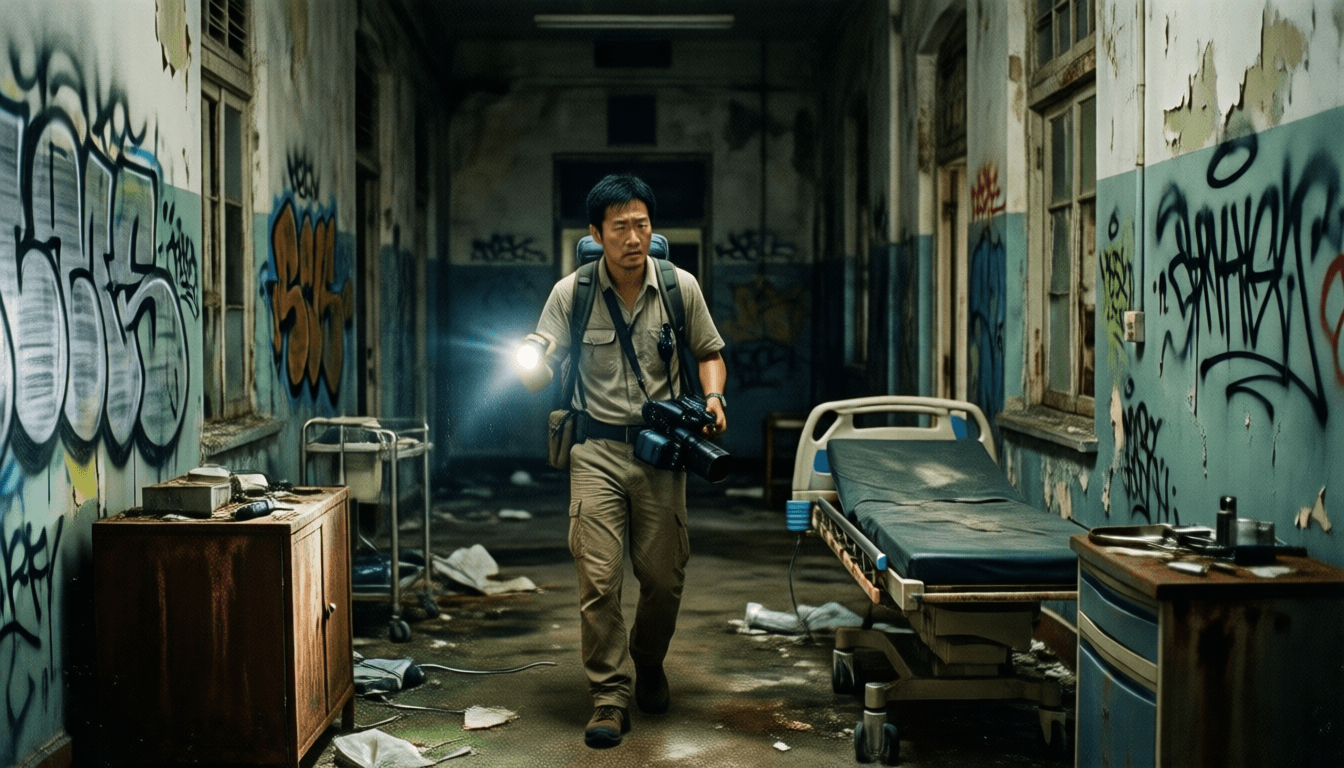
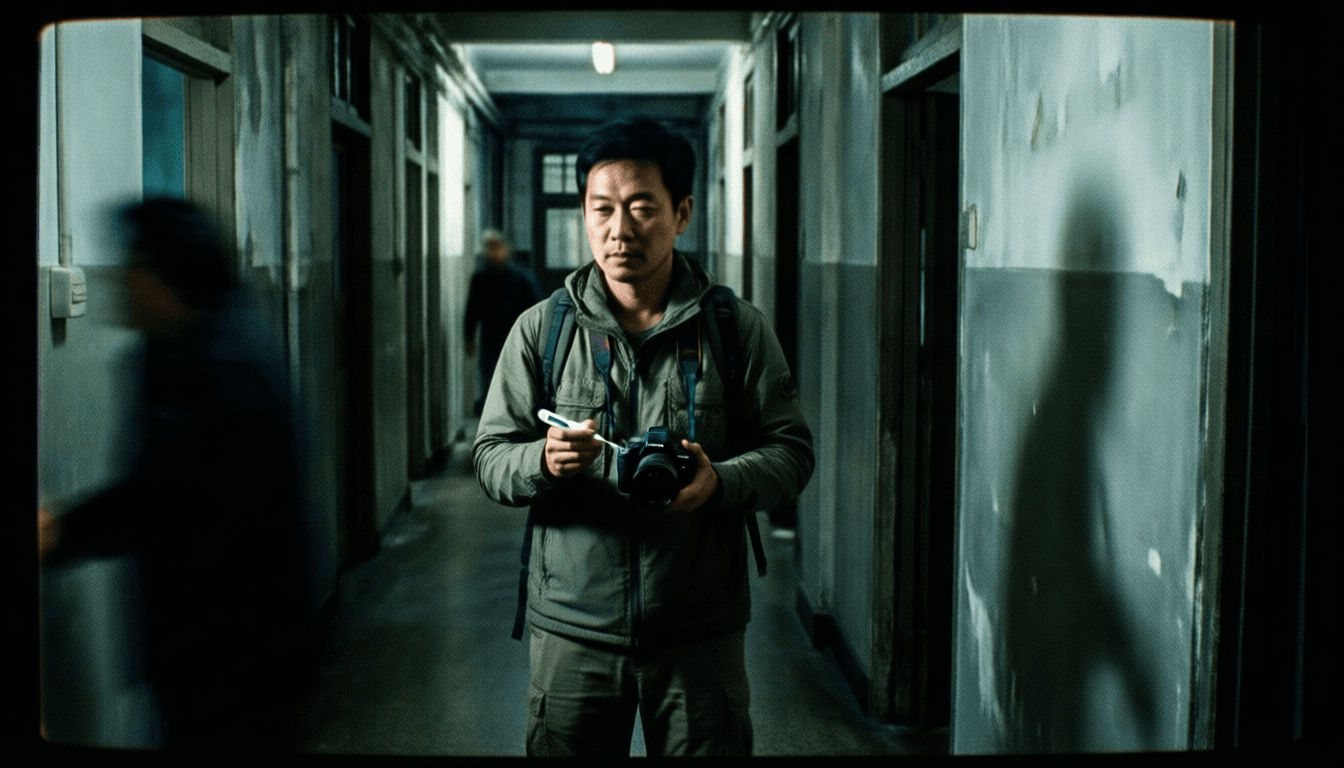
As I moved deeper into the less-traveled wards, known as the old isolation ward and morgue, subtle changes began. The air grew noticeably colder. The thermometer recorded a sudden 3-degree drop in the corridor leading to three small, windowless rooms. The distinct metallic tang of old blood was vividly palpable for a moment, then vanished. My recorder, which had previously captured faint ambient noise, now picked up momentary, profound silences – stretches where even the cicadas outside seemed to cut out. At the edge of my vision, blurry, indistinct forms flickered in the dark shadows, only to disappear when I turned my head. What truly unnerved me was the echo. My low, controlled voice seemed to bounce back from an impossibly far distance, or sometimes before I had even finished speaking. In one particularly dark room, cold, clammy air brushed against my cheek, carrying a faint, sweet scent like decaying orchids. I swept my infrared camera around, but detected no heat source other than my own body temperature. This wasn't a jump scare; it was a psychological tension escalating from the systematic breakdown of expected sensory input.
I reached the area marked as the old operating theater on my online map. It was a spacious room dominated by a raised, stained concrete dais. The air here was more than just cold; it was oppressively heavy, pressing against my chest, making breathing difficult. My flashlight beam, usually sharp, seemed to diffuse and weaken as it hit distant walls, as if the darkness itself absorbed its energy. Then, I heard it. A faint, almost imperceptible dripping sound. Not a leak from the ceiling, but coming from the center of the room, directly on that dais. There was no source of water nearby. My recording equipment emitted a high-frequency hum, then stopped recording altogether, its status light flickering erratically. I moved closer to the dais. The air grew incredibly thick. The dripping sound became more regular, then stopped, replaced by a wet, scratching sound from beneath the dais.
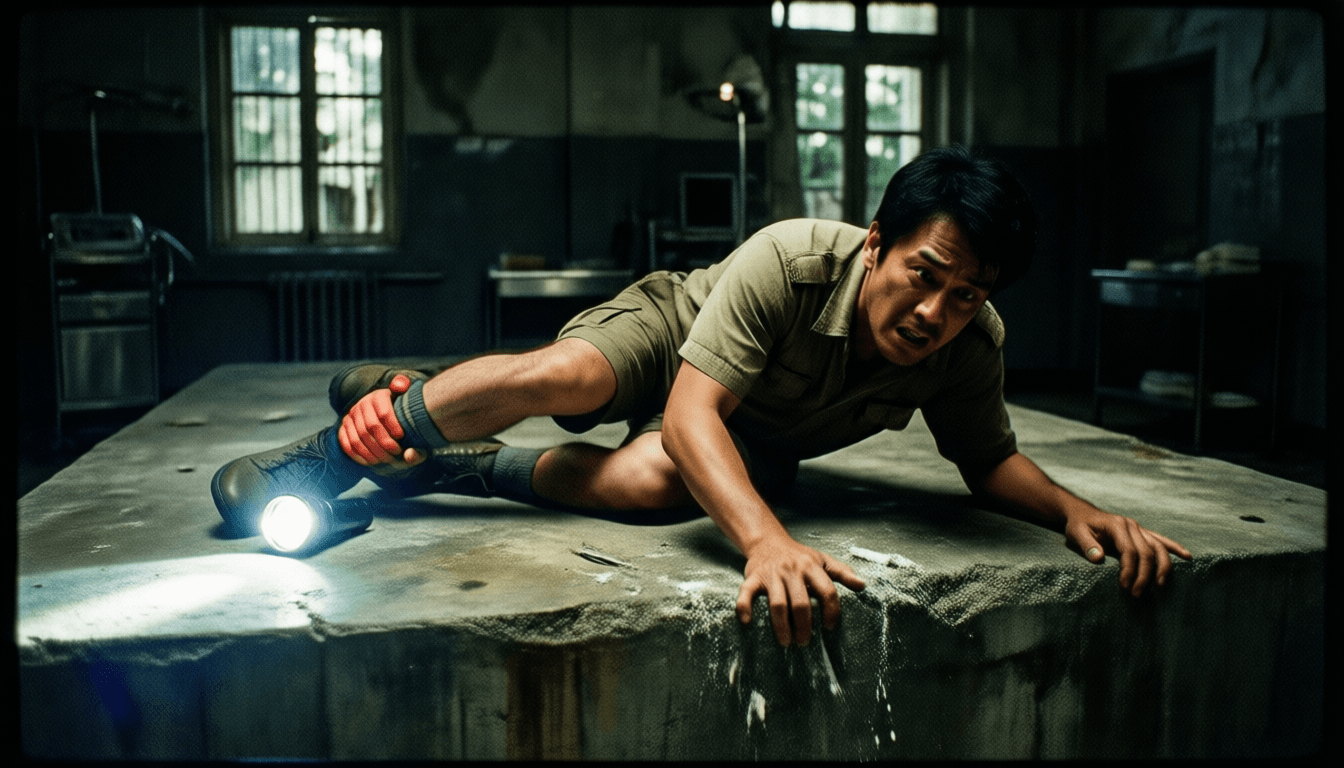
At that moment, a massive, unseen force slammed into my back. I was violently propelled forward, tumbling onto the dais. The impact knocked the breath from my lungs, and my flashlight rolled away into the darkness. I gasped, writhing. Rough, cold concrete scraped against my palms. The oppressively heavy air was now viscous, as if I were struggling through molasses. I tried to push myself up, but an invisible weight pressed down on my legs, immobilizing me. My vision blurred, and terror surged. A thin, cold, incredibly powerful pressure enveloped my left ankle. It wasn't a hand; it felt like the entire ankle was wrapped, and the pressure tightened. I struggled, adrenaline coursing through me, but the grip was absolute. I heard my own ragged breaths, strangely distorted as if coming from a small, enclosed space. A sharp, painful pull began. Slowly, I was dragged towards the edge of the dais, towards the source of that scratching sound. The physical restraint was absolute, the danger undeniable. I was being actively, fatally moved by an unseen, unyielding force. It distorted even the air around me, rendering my desperate struggles futile. As the edge of the dais approached, I scraped at the concrete, my fingers bloody. My mind screamed.
I don't remember how I escaped. The next vivid memory is stumbling out into the blinding, suffocating sunlight. My body was trembling uncontrollably, and my left ankle was a throbbing mess of bruises. The injury was consistent with a severe sprain, but it bore distinct, finger-like bruise marks. My recorder was broken. Its outer casing appeared twisted and melted, as if exposed to extreme heat, though no such conditions were present. The infrared camera was shattered. My notepad was stained with what looked like old, dried blood, despite having no open wounds other than scrapes from my escape.
Weeks passed. My ankle healed, but the vivid, visceral memory remained. I kept my distance from Old Changi Hospital. But that's when it began. A faint, yet unmistakable foul sweet scent, like decaying orchids, would occasionally waft through my apartment for a few minutes before disappearing. My usually reliable audio equipment, in standby mode, began picking up faint, almost subconscious bursts of static. Within them, though not audibly discernible, my mind perceived momentary whispers that felt 'wrong'. At night, the silence in my apartment sometimes mirrored the unnatural stillness I had experienced in the isolation ward. The patterns from the hospital's rumors hadn't stopped; they had merely subtly relocated into my personal space. The consistent testimonies about Old Changi Hospital weren't just about 'what' was there. They were about 'what it could do'. The profound horror wasn't facing something inexplicable. It was inadvertently confirming the extent of its influence by acknowledging its existence. The signal, it seemed, had followed the archivist home.
[ CLASSIFIED VERDICT ]
[ACCESS LOG - SOURCE FILE]
Old Changi Hospital in Singapore is a colonial-era building, abandoned for decades, and one of the most famous internet urban legends. It is infamous for recurring supernatural phenomena such as formless whispers, inexplicable temperature drops, ghosts of patients and Japanese soldiers, and eerie children's laughter. These consistent testimonies strongly suggest the presence of something inexplicable beyond mere collective imagination.