Nevada's Cold Legacy: Site 77-B
In the early 1950s, amidst the severely restricted logistical records of the US Army Medical Department, strange anomalies began to surface. A specific document dated November 1951 mentioned the “expeditious transfer of specialized biological research equipment and preserved tissue samples from a designated ‘Asian theater asset’ to a secure, isolated research facility within the continental US.” While most information was redacted, a partial, unclassified annotation became the seed of all suspicion: “…Contact made with originating party, ‘ISHII G.’” This fragmented name, aligning with historical contexts surrounding certain post-war Japanese scientists, particularly the infamous Dr. Shiro Ishii of Unit 731, immediately triggered an investigation. The destination was obscured as 'Site 77-B', but cross-referencing with other public land records revealed it to be a decommissioned Cold War-era biological containment facility located in the desolate high desert of Nevada. Locally, it was whispered about as 'The Cold Zone', a place where unexplained light patterns and low-frequency humming had emanated nightly for decades. My investigation began in the remnants of this name, the redacted destination, and the facility’s silence, awaiting rediscovery.
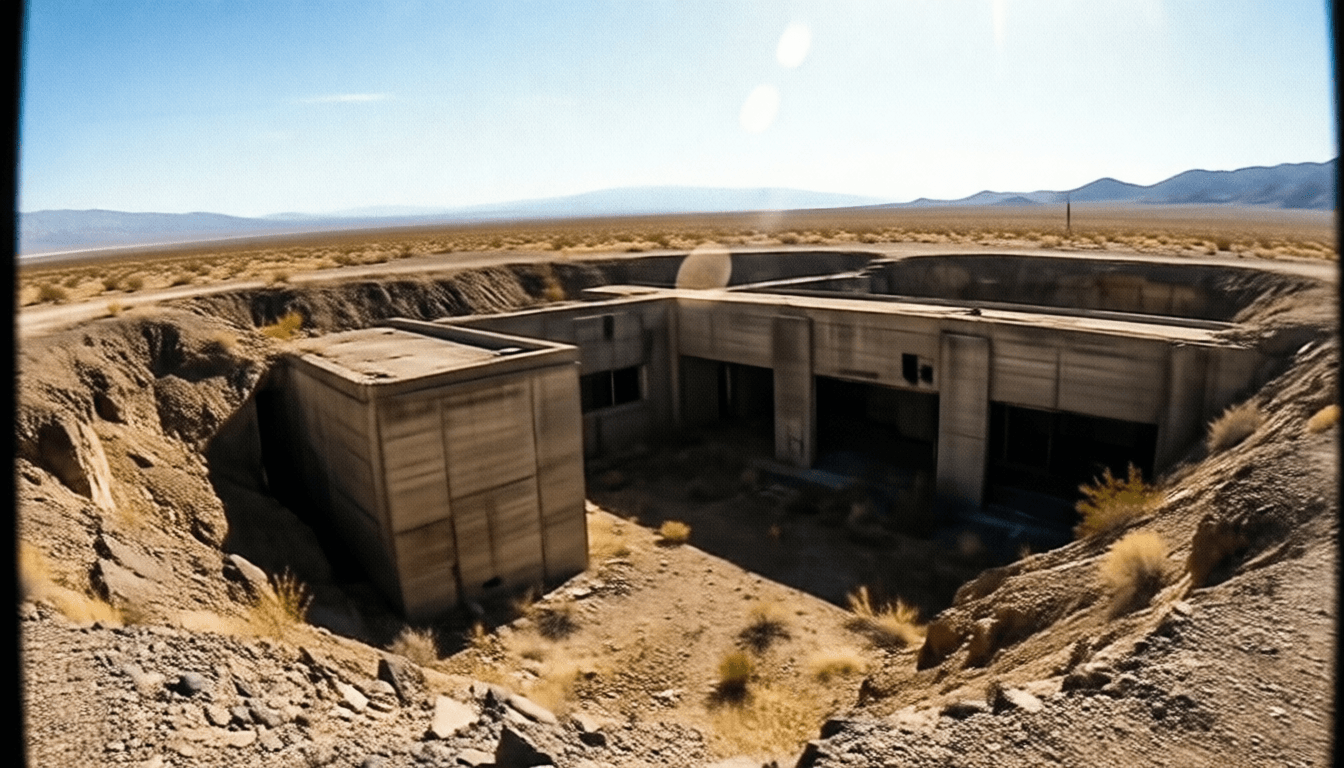
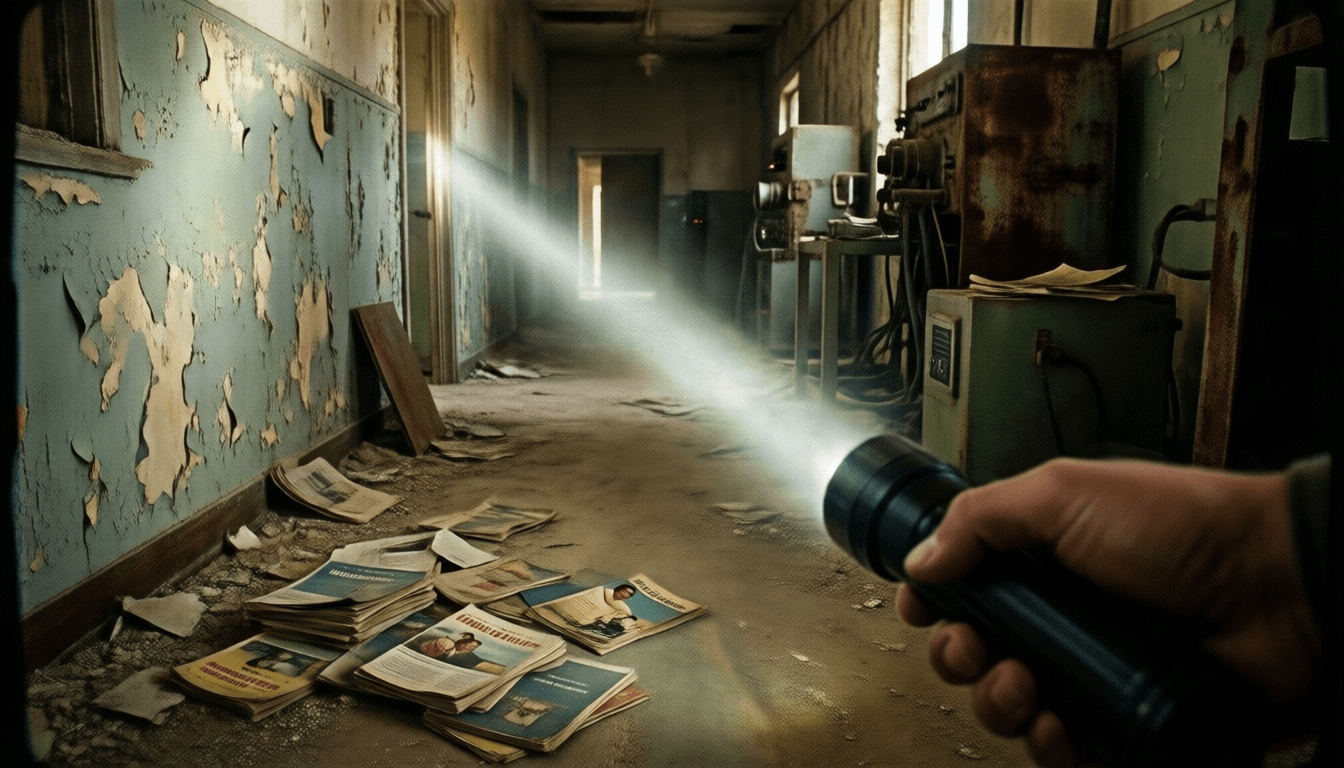
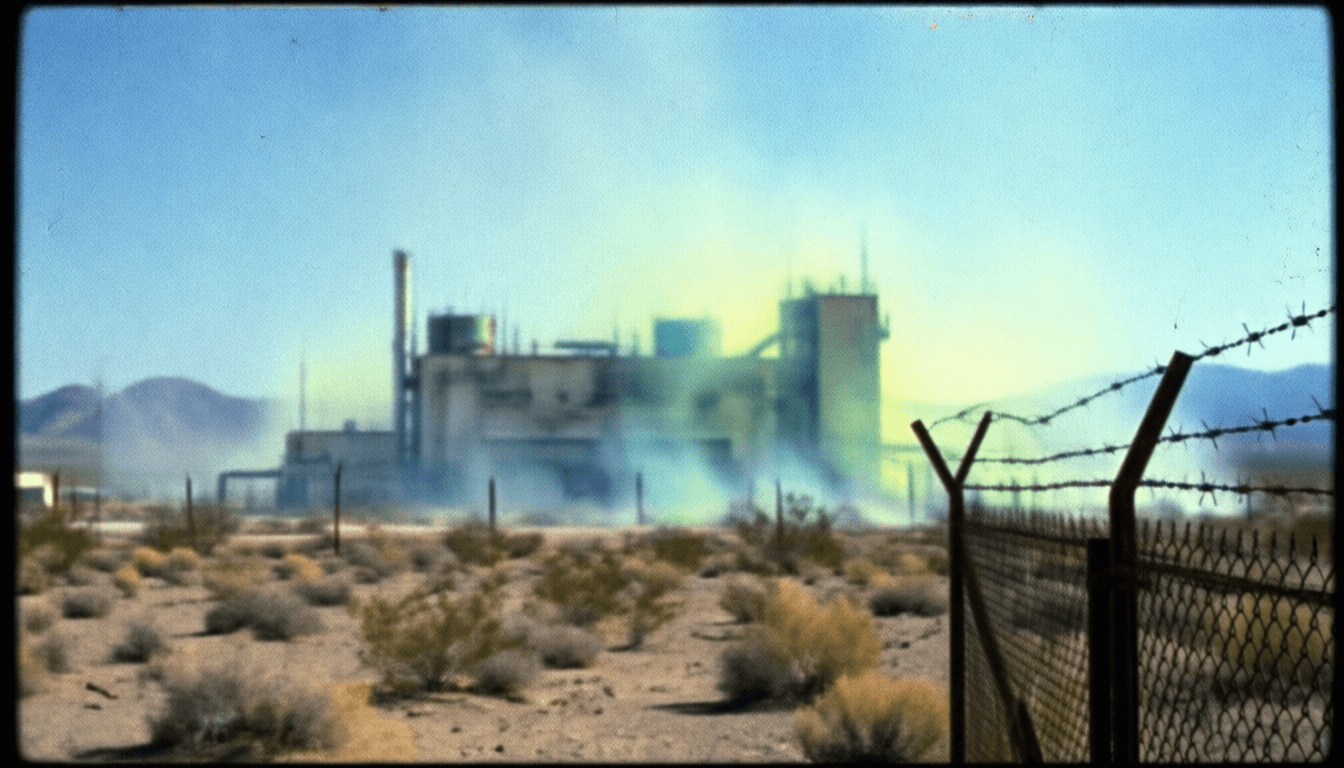
Accessing Site 77-B was easier than expected. Decades of neglect and erosion had compromised the perimeter fence. The facility itself was a series of low, robust concrete structures, partially embedded in a natural depression to blend into the vast, desolate landscape. The dry, silent outside air transformed into an eerie, heavy quiet the moment I entered the main administrative building. Dust lay thick, undisturbed for decades. The internal air carried a faint, persistent metallic odor, mingled with stale ozone and something vaguely chemical—not the smell of rot, but a synthetic decay. Following crude schematics found among a water-damaged pile of blueprints near the entrance, I navigated a labyrinth of corridors. Instead of long-dead fluorescent lights, my tactical flashlight illuminated peeling paint, discarded scientific journals dated 1954, and rusted equipment. At the end of a corridor marked 'Specimen Isolation – Sublevel Access' stood a heavy, sealed door. Its pneumatic seals had long failed, leaving a rusted gap. The unsettling nature here wasn’t the decay itself, but the skeletal remains of a stark, efficient purpose that once dominated it.
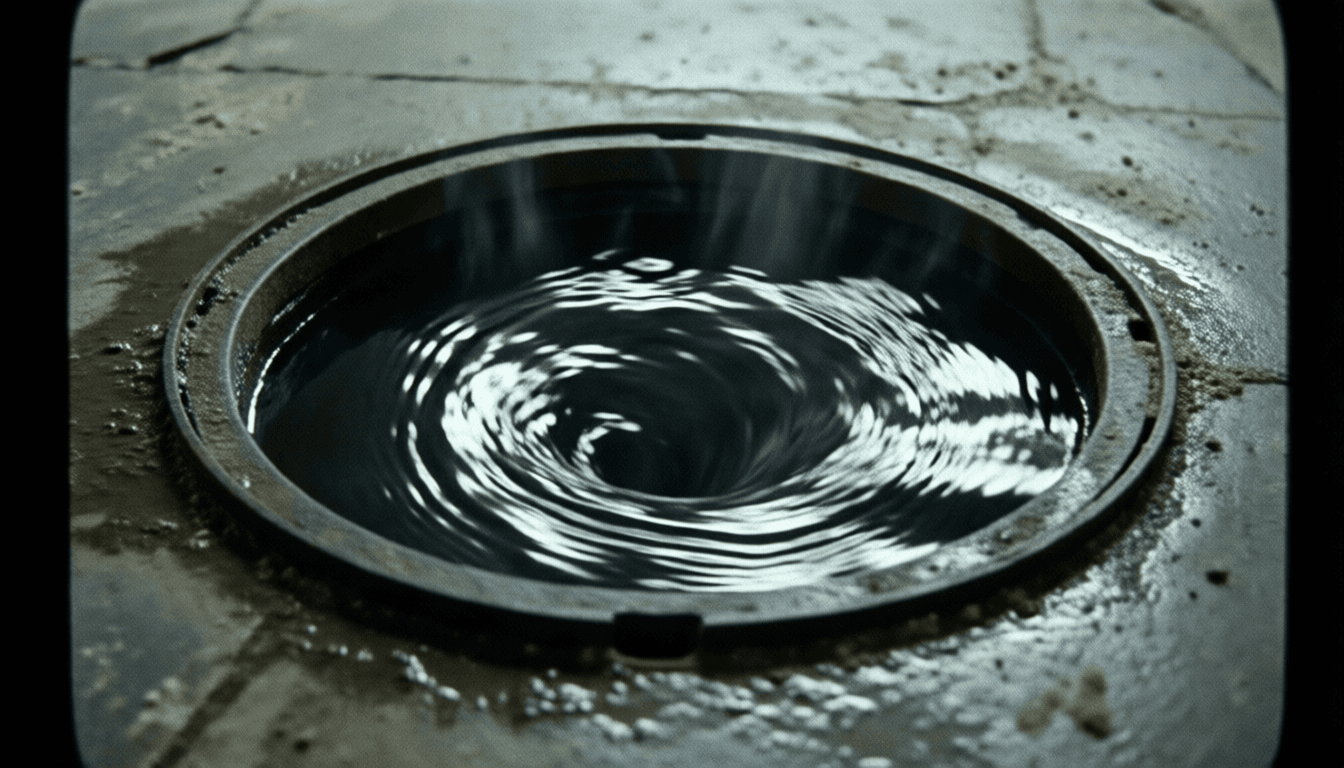
Descending to Sublevel B, the air became noticeably colder, despite the external desert heat. It wasn't the wind. This chill was localized and unwavering, penetrating the skin to the bone. The silence here intensified, becoming an overwhelming physical presence. Even the sound of my footsteps left no distinct echo, seemingly absorbed by the thick, leaden floor. This acoustic phenomenon was deeply unsettling. Several small circular drains were visible on the floor in what appeared to be former laboratory areas. The pooled water in one, likely from a ruptured pipe upstairs, oddly pulsed, creating a bizarre vortex that drew inward against gravity.
Further in, I discovered what appeared to be an isolation chamber. Its interior walls were lined with a thick, opaque material, and a heavy door was thoroughly reinforced. On the observation window, a series of symbols were deeply etched into the solid glass surface. Not English, their angular, intricate forms suggested non-Latin characters, possibly Kanji, but distorted and fragmented as if carved by trembling hands. Below these symbols, the English word 'VOID' was crudely etched. As my flashlight beam hit specific angles within this room, the light seemed to subtly bend. Pockets of absolute darkness, seemingly devouring the light, shifted uneasily, displaying an unnerving autonomy that defied the light's linear path. The psychological pressure mounted. The unnatural physical phenomena here suggested an environment deliberately designed for a purpose far beyond simple containment.
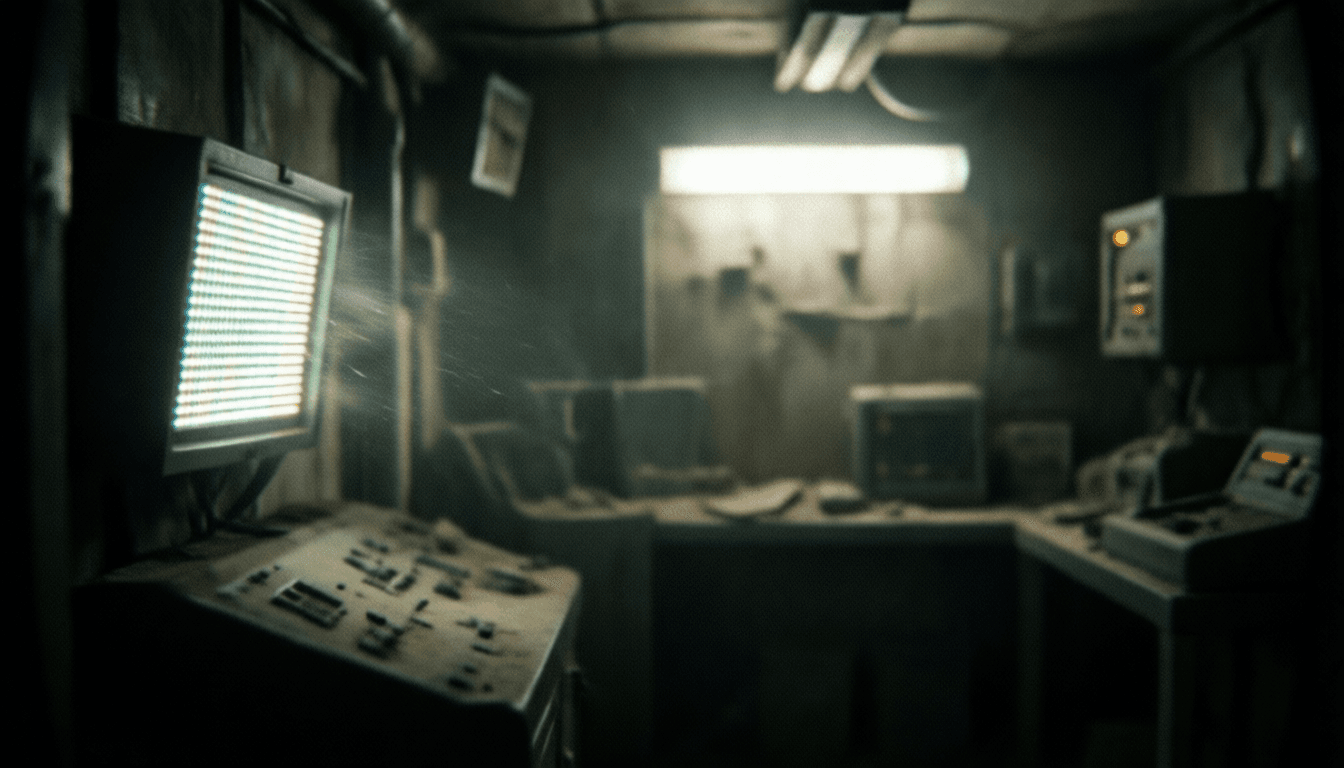
Advancing deeper into Sublevel B, a series of observation rooms, separated by thick, reinforced glass, came into view. As I stepped into the last room, the air shimmered with an inexplicable haze. The moment I entered, the heavy pneumatic door hissed shut behind me, its rusted seals firmly locking into place with a distinct, mechanical thud amidst the unnatural silence. The room’s sole illumination, a recessed LED panel, didn’t flicker; it pulsed in a way that seemed to *draw* the light into itself, deepening the shadows.
A low, guttural vibration filled the room. Not a sound, but a tactile resonance felt in my teeth and chest. Suddenly, an intense cold blossomed in my left arm. It was a cold that pierced the skin and spread inward, eerily reminiscent of Unit 731's notorious frostbite experiments—a sensation of blood draining, of pins and needles. Simultaneously, a faint metallic taste, like copper or iron, spread in my mouth, lingering even after the cold receded. The air began to feel thick and heavy, each breath a strenuous effort, as if I were breathing water. Looking at a drain in the center of the room, a small puddle of water condensed, then instead of draining, small, perfectly spherical droplets of water defied gravity, lifting into the air. They hung suspended for a moment before bursting, each distinct, silent rupture feeling like a percussive shock against my eardrums.
The threat wasn’t a specific entity. The room itself was the threat. It was actively manipulating the environment, creating isolated zones of extreme physiological distress. It was as if long-dormant protocols had reactivated, resuming an unknown experiment. Overwhelmed by sensory input and deprivation, my vision blurred. A distinct sense of *being evaluated* permeated my very being. The room wasn’t merely cold; it was *testing* the limits of my body’s cold resistance in specific areas. It wasn’t merely silent; it was generating infrasound frequencies designed to induce profound physiological anxiety. The air wasn’t thick; it was creating barometric differentials engineered to trigger internal stress responses. This was the legacy of what was reportedly transferred: a methodology, a system of calculative, intentional dehumanization. The room itself was the culmination of that knowledge, and I was now its new subject.
Gripped by primal terror, I forced the door open and stumbled out of the room’s suffocating grasp. The shock of returning to the desert air outside was profound. The sudden normalcy was as disorienting as what I had just experienced inside. I didn't retrieve any definitive physical evidence—no documents, no samples—from Site 77-B. But the encounter left an indelible mark.
My left arm, where I had experienced the inexplicable cold, now shows a bizarre, persistent discoloration of the skin—a unique, reticulated rash that no dermatologist has been able to diagnose. It's subtle, almost imperceptible, but undeniably there.
More unsettling is the recurring phantom pain in my left lung. A dull ache that intensifies with specific barometric pressure changes, eerily replicating symptoms from a report I briefly glimpsed regarding 'the effects of simulated high-altitude exposure on captive test subjects.' Following my anonymous report, the site has been 'secured' by government agencies, citing 'environmental contamination concerns.' Yet, in the months since, localized climate patterns around Site 77-B have shown unprecedented local temperature fluctuations. Certain small zones inexplicably drop by as much as 20 degrees Fahrenheit. The desert whispers, and sometimes, the cold still permeates.
[ CLASSIFIED VERDICT ]
[ACCESS LOG - SOURCE FILE]
This story is based on allegations of the post-war transfer of research and personnel associated with Japan's Unit 731 and Dr. Shiro Ishii to the United States, and rumors surrounding secret Cold War biological research facilities. It intertwines with urban legends of unexplained phenomena and experiments conducted at clandestine government sites deep within the Nevada desert.