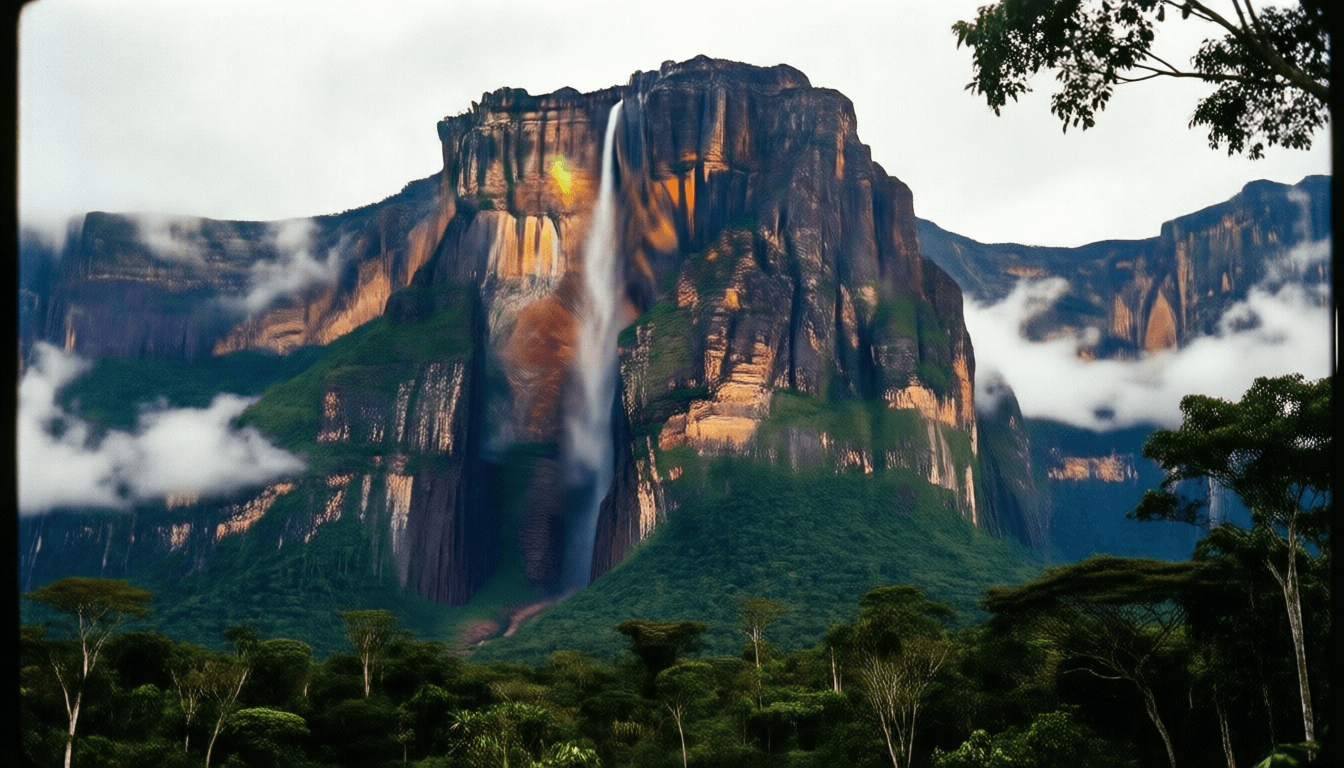
Mount Roraima: The Impossible World Where Even Time Stands Still
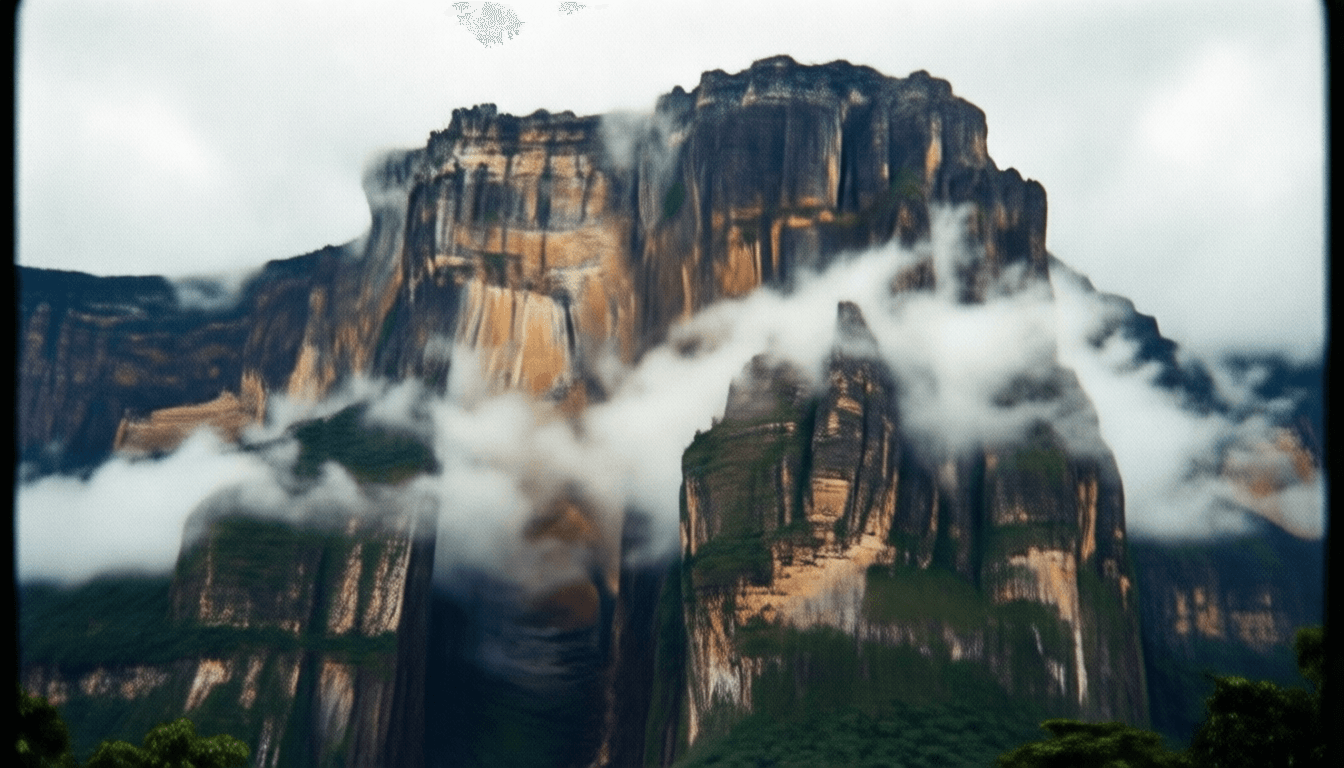
Mount Roraima, often shrouded in clouds, rises abruptly from the emerald carpet of the Amazon rainforest. This is no mere mountain. Surrounded on all sides by 400-meter-high cliffs like a screen, it is a geological marvel, a colossal table fortress holding an alien world on its 2,810-meter summit. For centuries, the indigenous Pemon people have called it "the Mother of all Waters," passing down sacred myths about it. This fantastic isolation inspired Sir Arthur Conan Doyle's 1912 novel _The Lost World_, imprinting Roraima in the world's consciousness as a real relic of prehistory, a place where time had stood still for millions of years. Yet, beyond legend and literary wonder, Roraima's physical reality presents a profound puzzle. How could nature carve out this impossible, unyielding island in the sky, and what secrets lie hidden within its unparalleled summit?
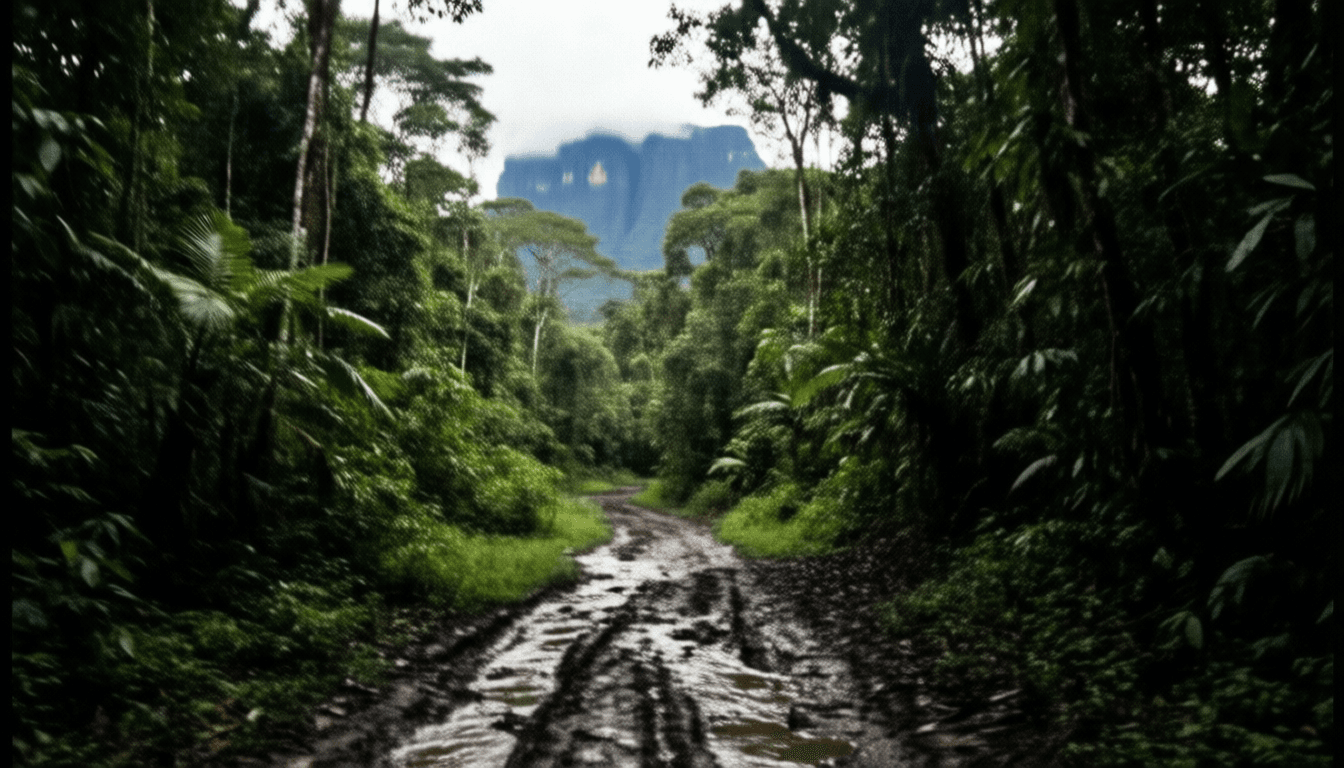
The journey to Roraima is an expedition into geological epochs. Expeditions traverse vast savannas, push through dense cloud forests, and ascend rivers that shimmer black with dissolved organic matter, a unique characteristic of ancient ecosystems. As one approaches, the mountain's immense scale is revealed. A massive flat-topped 'tepui' composed of Precambrian sandstone, formed approximately 2 billion years ago, is overwhelming in its very existence.
Ascending the only natural ramp, cascading with waterfalls and lush green vines, the air thins, and plants found nowhere else on Earth appear. Upon reaching the summit, the environment transforms dramatically. The plateau is not a flat expanse but a labyrinth of towering eroded rock formations, deep fissures, and unexpected valleys. Rivers of pure quartz sand flow across the landscape, collecting in crystal-clear pools that then plunge down as mighty waterfalls, forming the headwaters of major South American rivers like the Amazon, Orinoco, and Essequibo. The first impression is breathtakingly desolate, feeling like a lunar landscape, yet within it, pockets of seemingly impossible life breathe vibrantly.
The mystery deepens precisely on this summit. Geologists estimate Roraima's formation during the early Proterozoic Eon, making it one of the oldest landforms on Earth. However, while surrounding terrains have been continuously eroded by wind and water over millions of years into vast plains and valleys, Roraima remains steadfastly isolated, as if immune to the very erosional processes that shaped continents. How did this colossal sandstone mass escape the same fate as its ancient brethren?
Furthermore, the extreme isolation of the plateau has fostered the evolution of unparalleled endemic species. Scientists have discovered species of frogs, insects, and plants that reside only on Roraima's summit, their evolutionary paths diverging entirely from their lowland relatives over billions of years. The very air, saturated with moisture and filtered by ancient mineral compositions, seems to sustain this biological anomaly. It is, in essence, a living laboratory of evolution, a testament to profound geological stability amidst vast change.
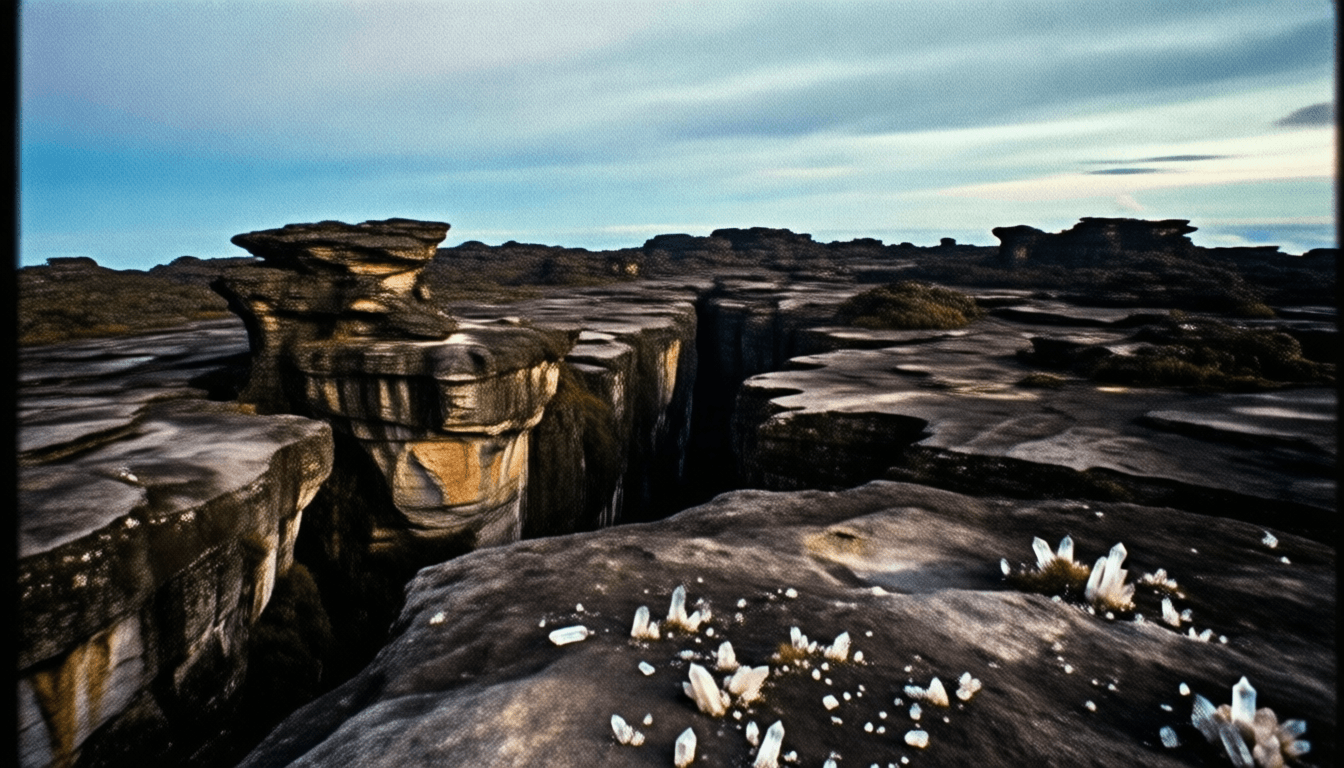
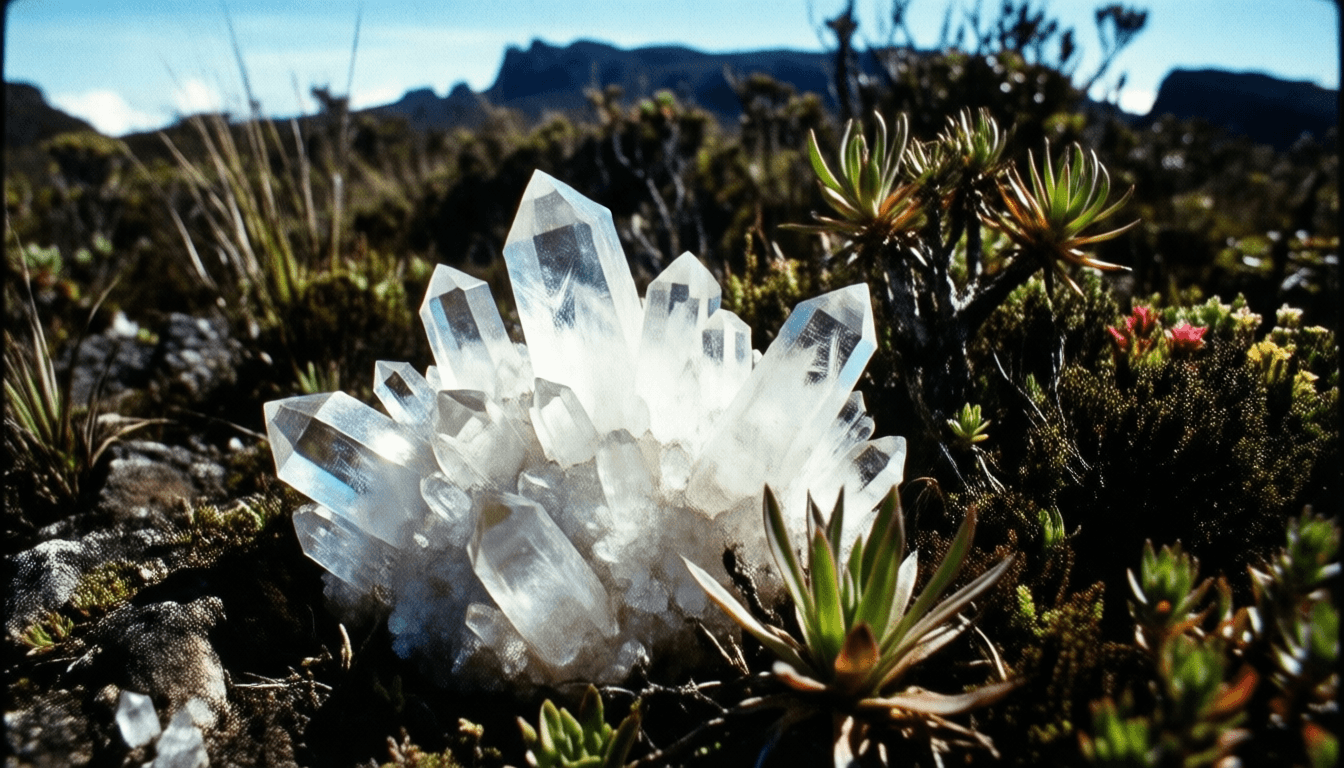
Mount Roraima's most captivating and truly inexplicable aspect lies within its structure and ecosystem: vast fields of quartz crystals and the wondrous geological sculptures on the summit. Millions of quartz crystals glitter across the plateau under the sunlight. Some are mere pebbles, while others are massive crystals protruding from the earth. Their sheer abundance is astounding. Geologists speculate that the unique mineral composition within the ancient sandstone and hydrothermal activity may have led to this abundant crystallization, but why here, so densely, unlike other exposed sandstone formations of similar age?
Beyond the crystals, the summit landscape itself presents a riddle. The bizarre and grotesque rock formations, sculpted by millions of years of relentless assault from acidic rain, wind, and temperature shifts, have created an entirely alien environment reminiscent of gigantic fossilized creatures or abstract architectural ruins. How could the precise factors of Roraima's altitude, unique atmospheric conditions, and internal geological stability combine to create such specific and enduring erosion patterns across this vast exposed summit, almost like deliberate works of art? It is a question where geology, climate science, and the enigma of profound time converge in a single, astonishing landscape.
Mount Roraima stands today as a profound geological and biological anomaly, a colossal monument forged in the crucible of Earth's ancient past. It is a place where scientific understanding reaches its limits, confronting timescales and environmental pressures beyond human comprehension. We can grasp its geology, categorize its endemic species, and marvel at its crystalline beauty, but fundamental questions persist.
What profound, slow-acting forces allowed this particular segment of the Guiana Shield to remain so intact, so elevated, and so perfectly isolated, while the surrounding world was reshaped countless times? As mist swirls around its colossal cliffs, momentarily obscuring its summit from the world below, Mount Roraima endures as a defiant sentinel of deep time, a living question mark etched into the very fabric of Earth.
It is raw, silent proof that even in an age of advanced science, some of our world's most magnificent wonders still hold secrets born of untold billions of years of natural processes, patiently awaiting answers we may never fully comprehend.
[ CLASSIFIED VERDICT ]
[ACCESS LOG - SOURCE FILE]
Mount Roraima is considered a place where a lost world exists, giving rise to legends of prehistoric life inhabiting its isolated summit. This mountain inspired Arthur Conan Doyle's novel *The Lost World*, and to the indigenous Pemon people, it is a sacred place revered as 'the Mother of all Waters'.