Lost City: Ancient Secret of Sierra Nevada
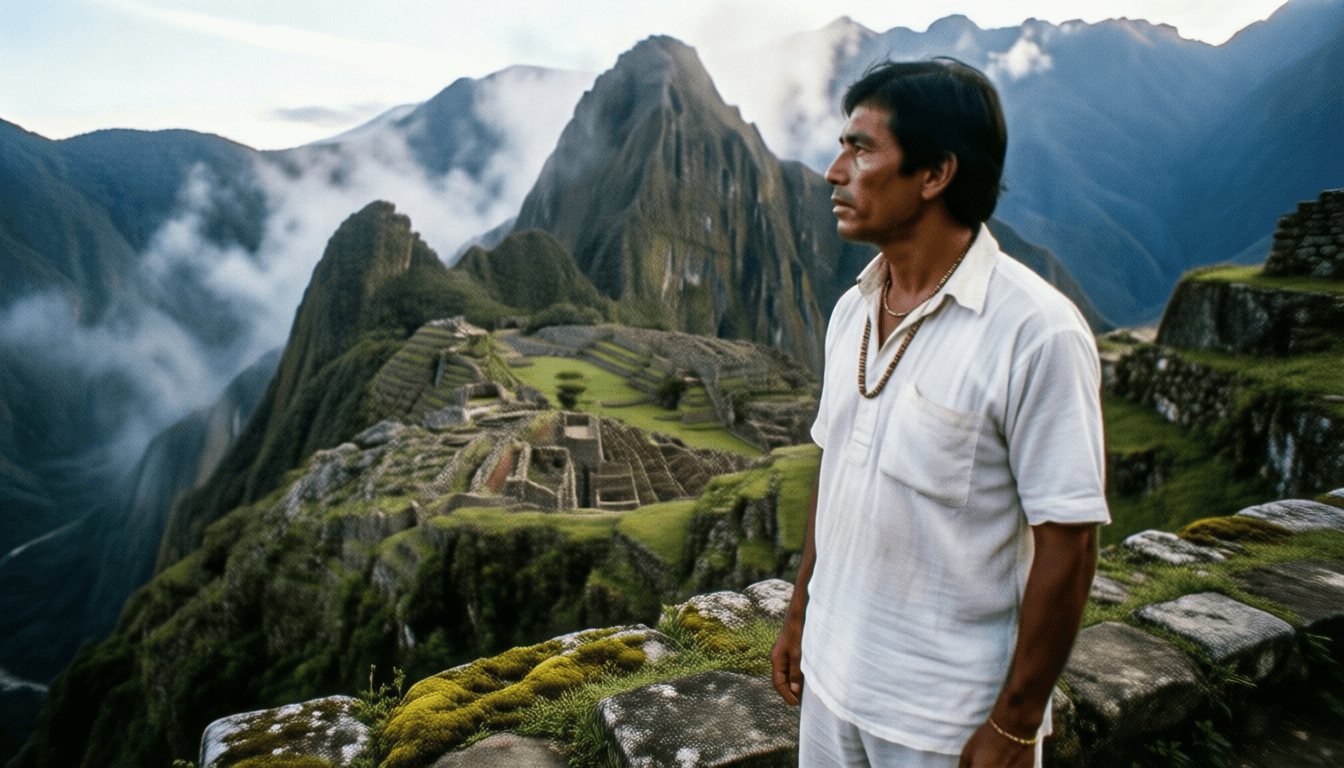
Nestled in the emerald labyrinth of Colombia's Sierra Nevada de Santa Marta mountain range, shrouded by clouds and dense forests, lies a secret city that whispered only in legend for centuries. That is, until 1972, when local treasure hunters, guaqueros, stumbled upon moss-covered stone steps. These steps, seemingly swallowed by the jungle, were not merely simple ruins but the entrance to an ancient metropolis far grander and more intricate than previously imagined. Named Ciudad Perdida – the Lost City – it unveiled its magnificent terraces, plazas, and stone paths in the heart of one of the world's most biodiverse and challenging environments, unlike other ancient wonders that rose from deserts. To this day, this monumental relic raises profound questions surrounding human ingenuity, advanced engineering, and the true scope of pre-Columbian civilizations.
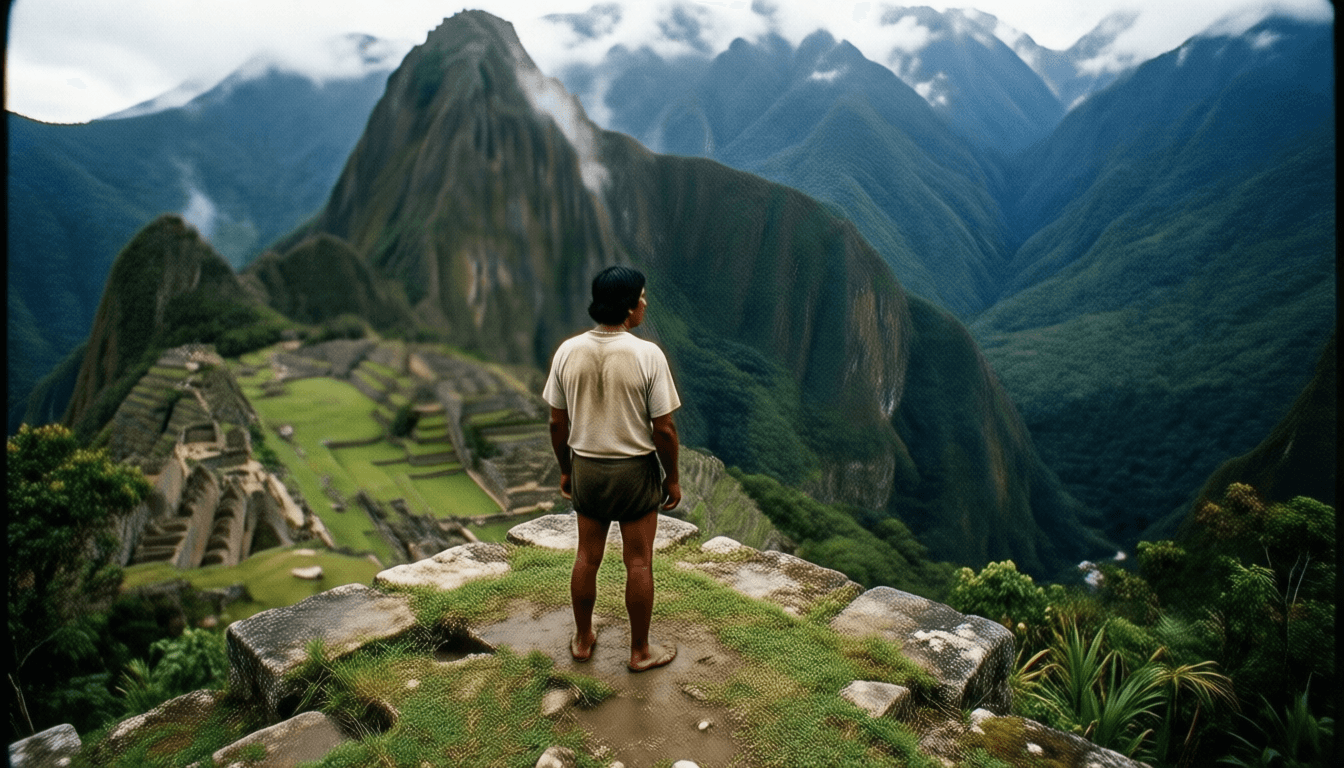
Reaching Ciudad Perdida itself is an epic journey, a testament to the overwhelming landscape that has guarded its secrets for ages. Days of hacking through dense rainforest, crossing rivers, and ascending steep mountain paths mirror the efforts of the ancients. When at last the forest recedes and the first monumental structures appear, their sheer scale takes one's breath away. Stone walls tens of meters high, intricately cut and fitted without mortar, rise from amidst the vegetation, and an elaborate network of over 160 terraces, staircases, and plazas unfolds along the mountainside. All of this was intricately connected by paved paths and drainage systems. Archaeologists quickly confirmed this to be the heart of the Tairona civilization, a highly developed society that thrived for over 800 years before mysteriously vanishing in the 16th century, post-Columbus. Every step here reveals the deliberate, intelligent hand of people who dominated their environment in ways that still inspire wonder today.
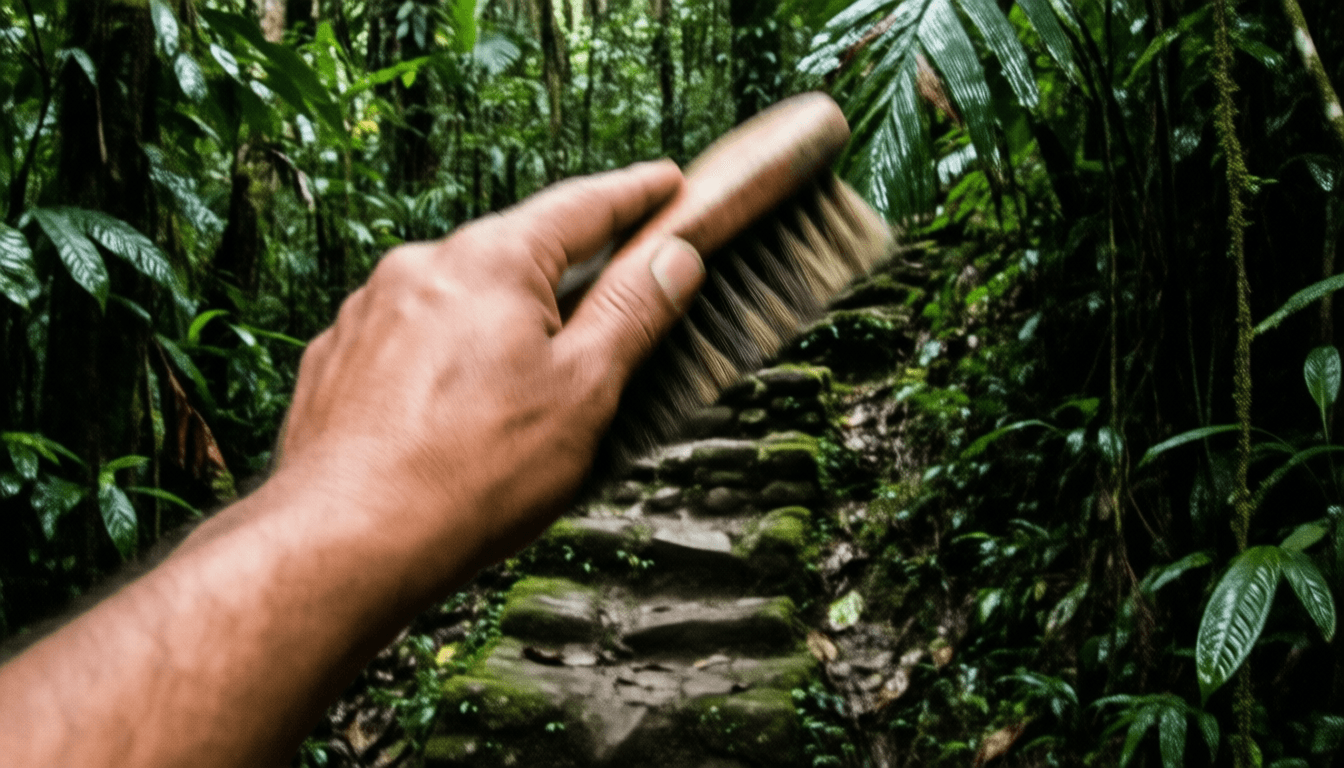
While the mere existence of such a vast Tairona city in such an isolated location is astounding, a deeper mystery lies in its construction methods. How was this monumental construction achieved without wheeled transport, beasts of burden, or even metal tools to cut and shape the massive stones? The sheer volume of earth moved to reshape entire mountainsides into habitable and functional spaces, and the amount of stone quarried, transported, and precisely placed, defy assumptions of modern engineering. The city's sophisticated water management system, comprising elaborate canals, drainage channels, and retaining walls, effectively controlled heavy rainfall and prevented erosion; its robustness means parts of it still function centuries later. Furthermore, the city's alignment with astronomical phenomena, and its complex circular dwellings and ceremonial sites, suggest that the Tairona civilization possessed deep cosmological knowledge and a spiritual integration with the natural world, implying their true purpose extended beyond mere habitation.
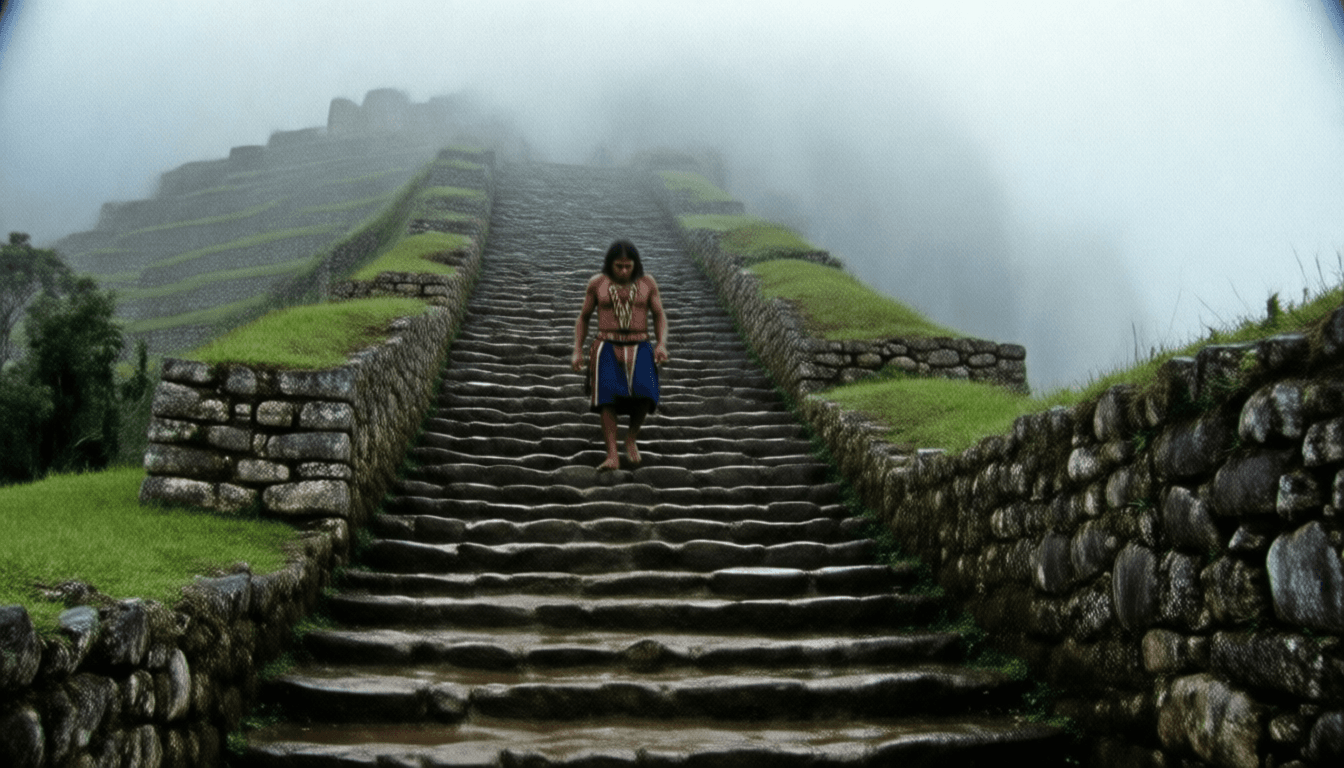
The most profound enigma of Ciudad Perdida lies in its symbiotic relationship with the mountain itself. This is not merely a city built 'on' a mountain; it is a city 'carved from' the mountain, an artificial topography that mimics and enhances the natural contours of the Sierra Nevada. Hundreds of meticulously crafted stone terraces ascend and descend in graceful curves, not just as foundations, but as an architectural expression of the earth's own undulations. The entire complex stands as a testament to an unparalleled understanding of landscape architecture, a functional and aesthetic marvel that seems less an imposition on the terrain than an organic extension of it. The sheer scale of this topographical reshaping and the precision required to integrate hundreds of individual circular dwelling platforms, interconnected plazas, and ceremonial spaces create an overwhelming sense of intentionality. It feels as if the Tairona people sought to create a living mountain, a sacred geometry inscribed into the very fabric of the earth, yet its purpose remains deeply inscrutable.
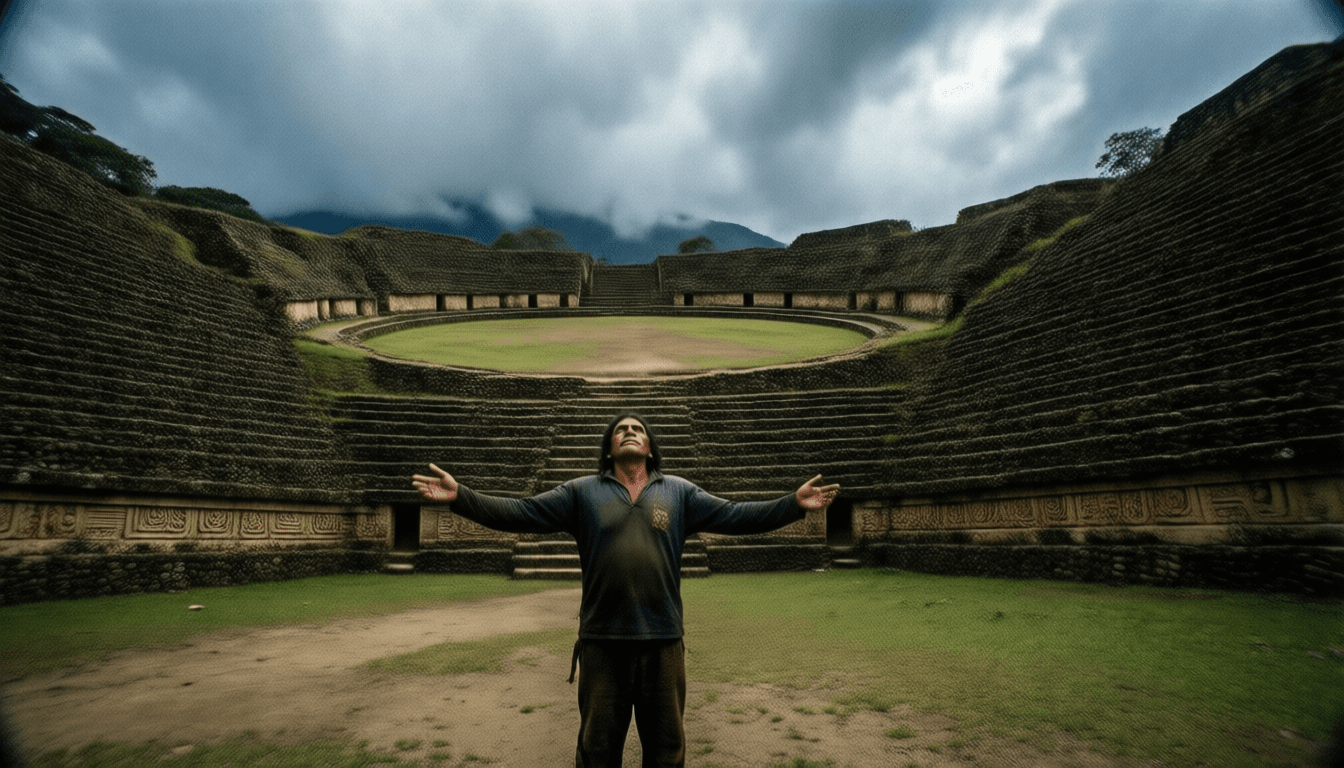
Today, as mist and clouds drift through the valleys surrounding Ciudad Perdida, revealing and obscuring its ancient stones, the city continues to guard its most profound secrets. The indigenous descendants of the Tairona civilization—the Kogi, Arhuaco, Wiwa, and Kankuamo peoples—still reside in the Sierra Nevada, continuing their ancestors' traditions, and refer to this place as "Teyuna," or "Mother City." They regard it not as a ruin, but as a vibrant spiritual heartland, a place of deep energy and knowledge where the essence of their ancestors constantly resonates. Who were these people who reshaped mountains, lived in perfect harmony with one of the world's most challenging environments, and whose advanced engineering and cosmological understanding remained largely unknown to the outside world? Ciudad Perdida stands as a silent, eternal testament to the brilliance of a civilization we are only just beginning to comprehend, a monumental question carved in stone, whispered eternally by the wind through the ancient, awe-inspiring terraces of the Lost City.
[ CLASSIFIED VERDICT ]
[ACCESS LOG - SOURCE FILE]
Located in Colombia's Sierra Nevada mountains, Ciudad Perdida (Lost City) is the ancient capital of the Tairona civilization, accidentally discovered by treasure hunters in 1972. Built without wheels or metal tools, this city showcases wondrous architectural techniques that perfectly harmonize with nature by reshaping the mountain itself, posing profound questions about the deep knowledge and purpose of a vanished civilization.