The Stones That Rewrote History: Göbekli Tepe
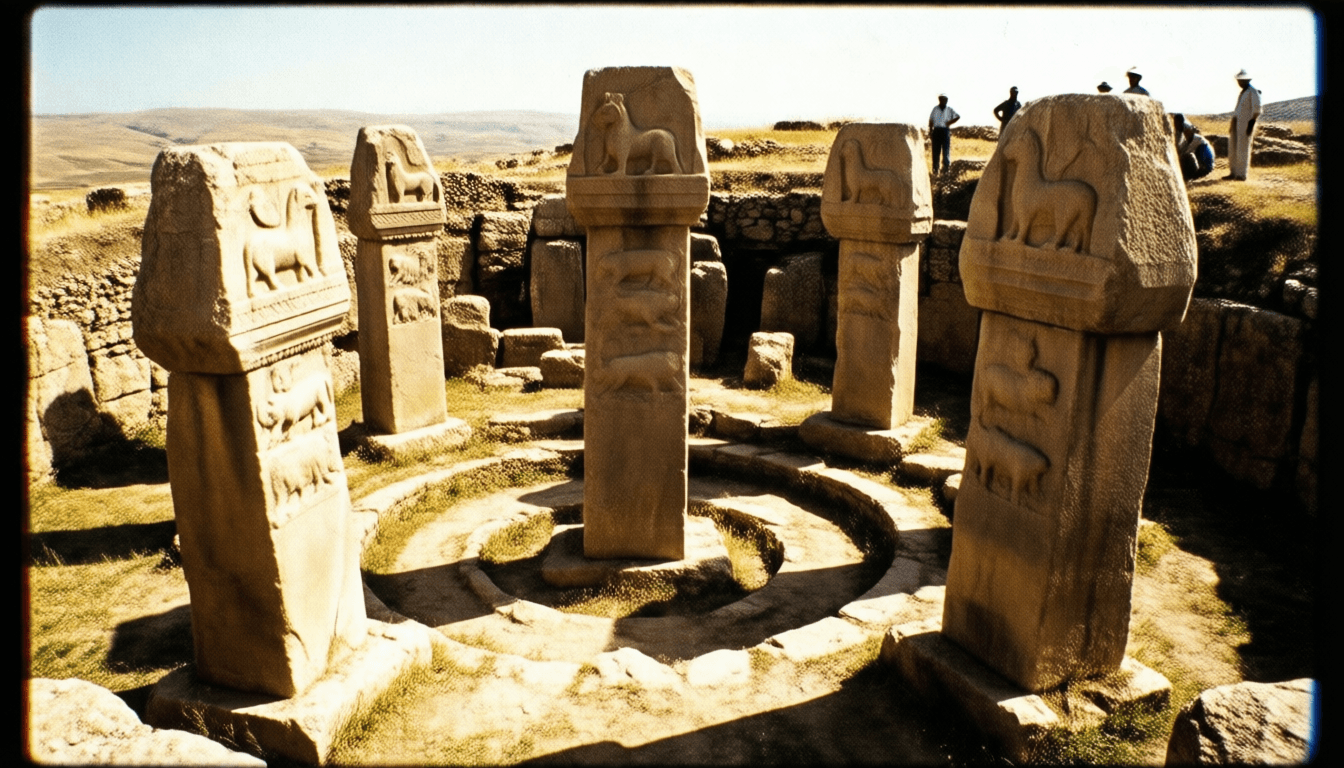
For a long time, the development of human civilization was believed to follow a clear trajectory: a linear progression where settled agriculture led to surplus, which in turn led to villages, cities, and finally monumental architecture and organized religion. However, in the mid-1990s, an unassuming hill in southeastern Turkey began to shake this cherished chronology to its roots, revealing a secret it had held for millennia. What emerged from beneath the earth and dust was Göbekli Tepe, a complex site of colossal carved stone pillars arranged in concentric circles. Remarkably, it was built not by settled farmers, as established theories suggested, but by sophisticated hunter-gatherers at least 12,000 years ago. This predates Stonehenge by 6,000 years, the Giza Pyramids by 7,000 years, and proves the existence of monumental architecture even before the invention of the wheel or pottery, and *prior* to the dawn of agriculture. This single archaeological site did more than rewrite history; it completely overturned our understanding of the origins of human civilization.
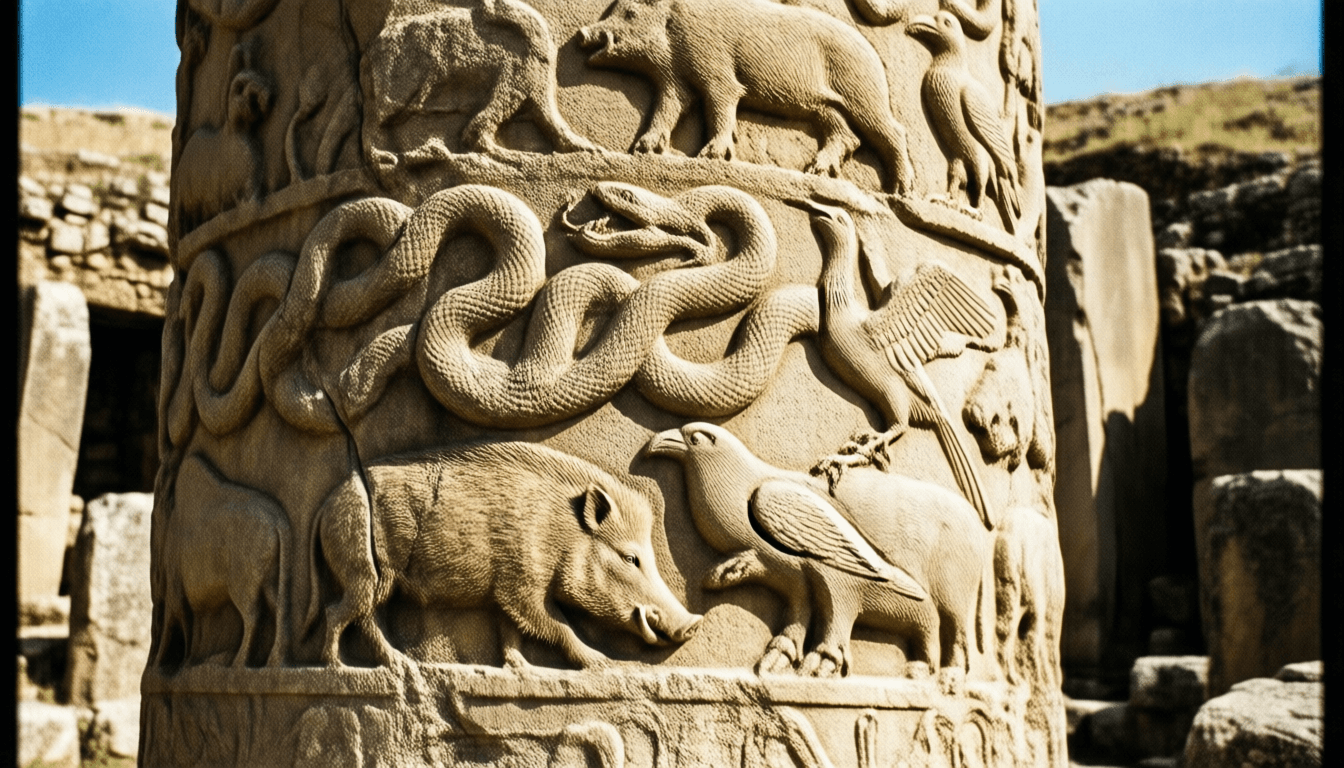
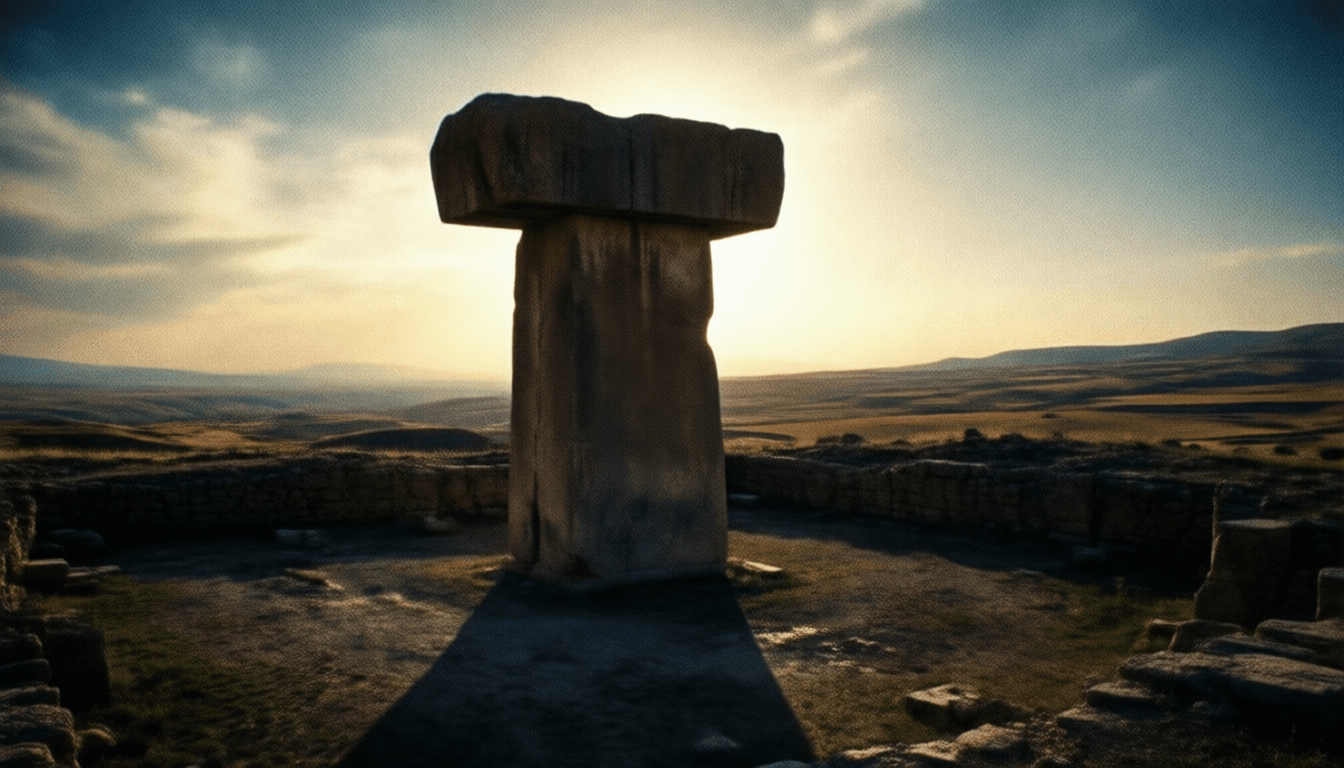
The discovery began with a simple surface survey, but full-scale excavations led by German archaeologist Klaus Schmidt soon revealed unprecedented facts. Spread across a raised plateau in the Fertile Crescent, Göbekli Tepe consists of several massive circular structures, each demarcated by towering T-shaped limestone monoliths. These pillars, some reaching 5.5 meters in height and estimated to weigh between 10 and 20 tons, were not merely roughly hewn stones. They were intricately carved with elaborate reliefs of various animals, including fierce boars, snarling foxes, venomous snakes, powerful aurochs, graceful gazelles, and birds of prey. Abstract symbols also adorned these ancient carvings, hinting at a complex symbolic language. In the center of each structure stood two larger T-pillars, facing inward as if in silent communication, depicting stylized human forms with arms, hands, and loincloths. The sheer scale of this undertaking, by people thought to live in basic hunter-gatherer societies, immediately shook all archaeological assumptions.
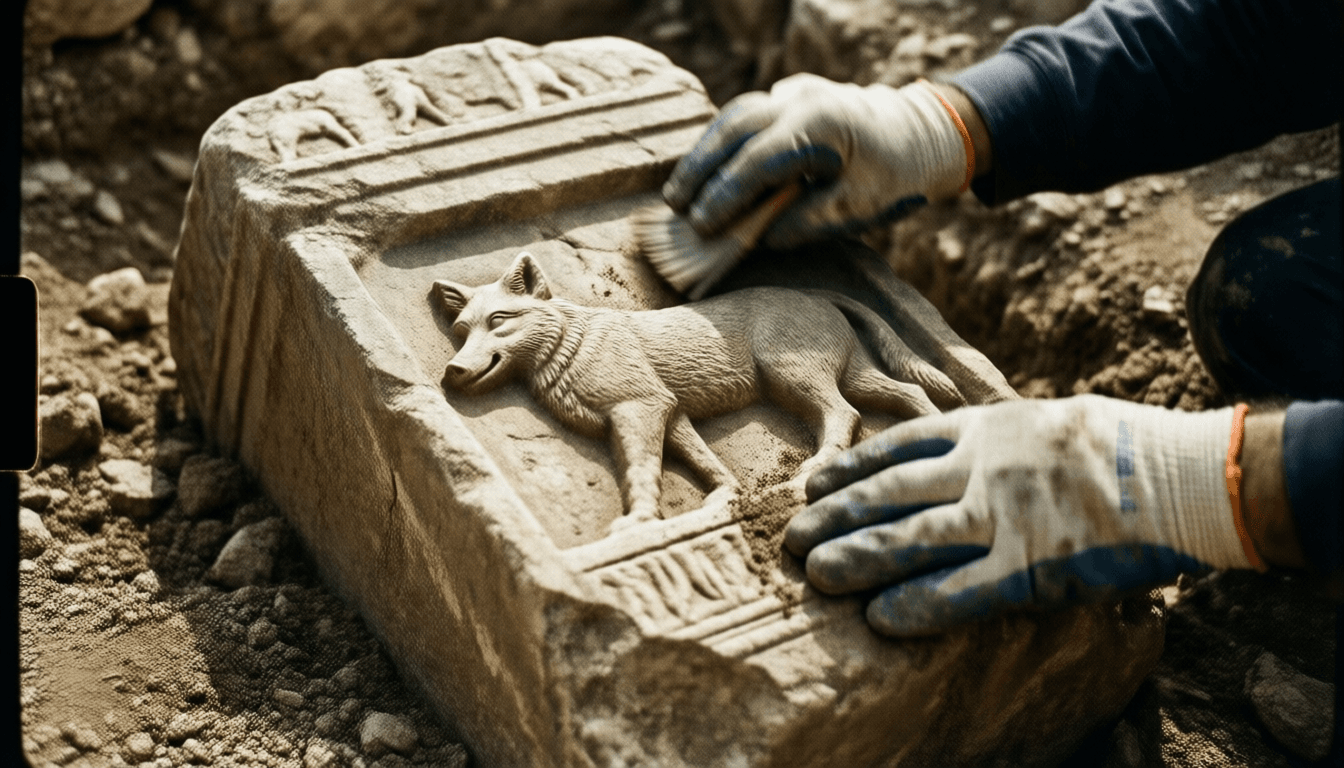
The initial shock of the dating quickly led to deeper, more unresolved questions. How did nomadic peoples, without metal tools, domesticated animals, or even a permanent food surplus, quarry massive stones from bedrock kilometers away, transport them across rugged terrain, and then meticulously erect them in sophisticated architectural arrangements? These logistical challenges would overwhelm even modern construction companies. Furthermore, at Göbekli Tepe, there are no traces of permanent dwellings, hearths, or typical waste left by settled inhabitants. It appears to have been purely a ritualistic or monumental center, a gathering place for diverse hunter-gatherer groups. But for what purpose? Was it a temple for forgotten gods, a cosmic observatory aligned with celestial phenomena, or a communal meeting place to solidify new social structures? No single explanation fully accounts for this monumental endeavor and the specific, recurring patterns of its architecture.
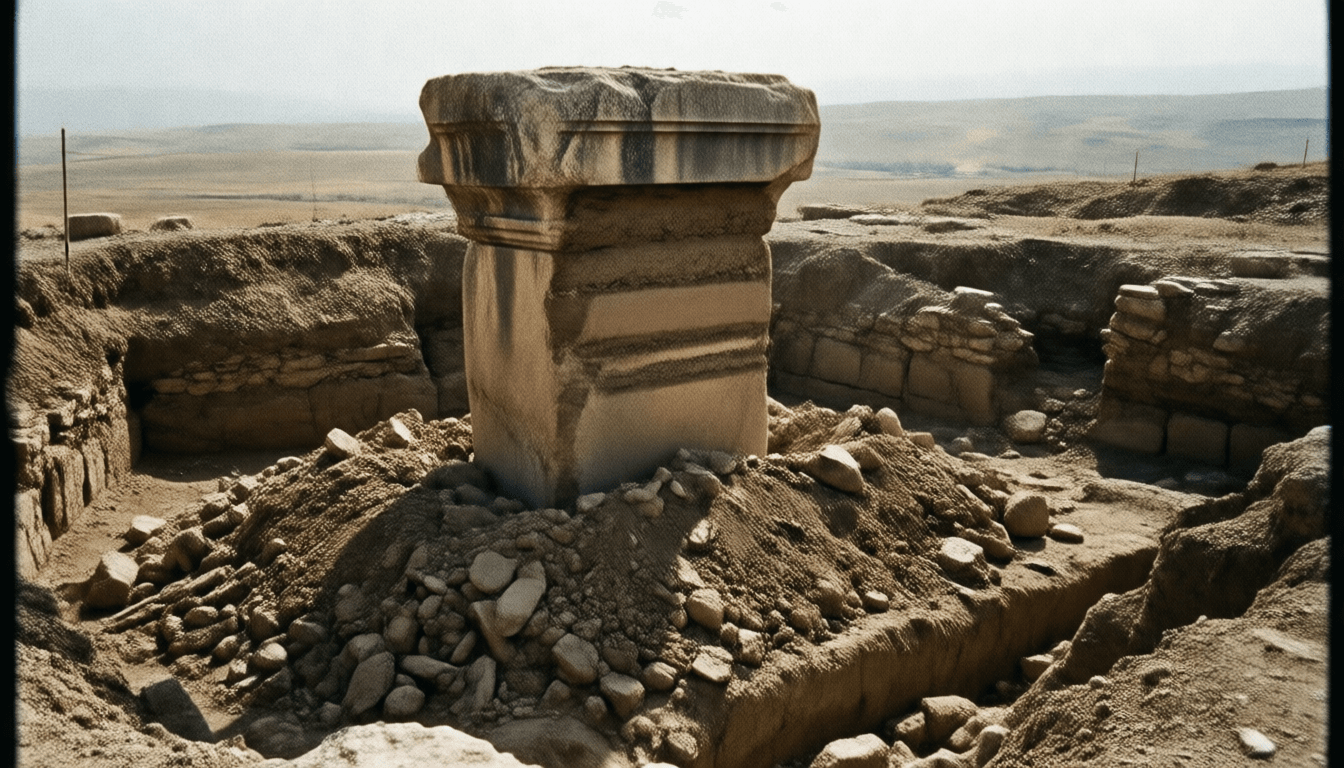
Perhaps the most perplexing aspect of Göbekli Tepe is not *how* it was built, but *why* it was built and *what happened afterward*. After millennia of continuous use and periodic reconstruction – where older structures were deliberately buried and newer, smaller ones built on top – the entire complex was systematically and intentionally buried around 8,000 BCE. Not destroyed, but carefully interred layer by layer, preserved for an unimaginable future. This act of preservation was a monumental undertaking in itself, suggesting profound reverence, a desire for concealment, or perhaps a ritualistic closing of an era. This deliberate burial implies a conscious decision by a community that understood the significance of what they had created, acknowledging its enduring power even as they chose to preserve it beyond immediate access. It suggests that these hunter-gatherers possessed not just advanced organizational skills, but a sophisticated cosmology and perhaps an evolved understanding of their place within the vastness of time.
Today, as excavations continue to peel back layers of time, Göbekli Tepe remains a profound anomaly to conventional historical narratives. It stands as undeniable proof of human ingenuity, abstract thought, and collaborative effort that existed long before the dawn of what we traditionally define as "civilization." The site forces us to confront the possibility that the impulse to create monumental sacred spaces, gather for rituals, and organize around shared beliefs was not a *result* of agriculture and settlement, but rather a *catalyst* for them. Did the communal effort to build this primeval sanctuary drive diverse groups to cooperate, innovate, and ultimately settle down and cultivate the land to sustain such a vast undertaking? We are left to ponder the echoes of those ancient hands, the silent conversation of the T-pillars, and the profound realization that the origins of our most fundamental human traits – religion, society, and the yearning to create something eternal – remain deeply, tantalizingly beyond our comprehension. Göbekli Tepe stands as a silent, monumental question mark at the very beginning of human history.
[ CLASSIFIED VERDICT ]
[ACCESS LOG - SOURCE FILE]
Göbekli Tepe is an archaeological site that completely overturns our understanding of the origins of human civilization. The fact that hunter-gatherers constructed monumental architecture even before the dawn of agriculture shatters conventional notions of linear civilizational development. This ancient sanctuary suggests that humanity may have possessed complex social structures and religious rituals even before settling down, forcing us to redefine the very starting point of history as we knew it.