Engineered Fire: Horror Beneath the Reichstag
In 1933, the Reichstag fire in Germany was officially concluded as the sole act of Marinus van der Lubbe. However, even after that decision, an enduring shadow hung over the incident. In online forums dedicated to historical mysteries, obscure academic papers, and even hushed conversations in Berlin's old town, the same question constantly echoed: Was van der Lubbe truly alone? For decades, whispers of a 'self-inflicted act' to consolidate power persisted. The most compelling evidence for these counter-narratives often pointed to architectural anomalies: sealed basements, tunnels beneath the building not on blueprints, and ventilation shafts in peculiar, undocumented locations. These rumors, often dismissed as mere speculation, suggested not just opportunistic actions but a precisely planned architectural design – a colder mechanism that official history refused to acknowledge.
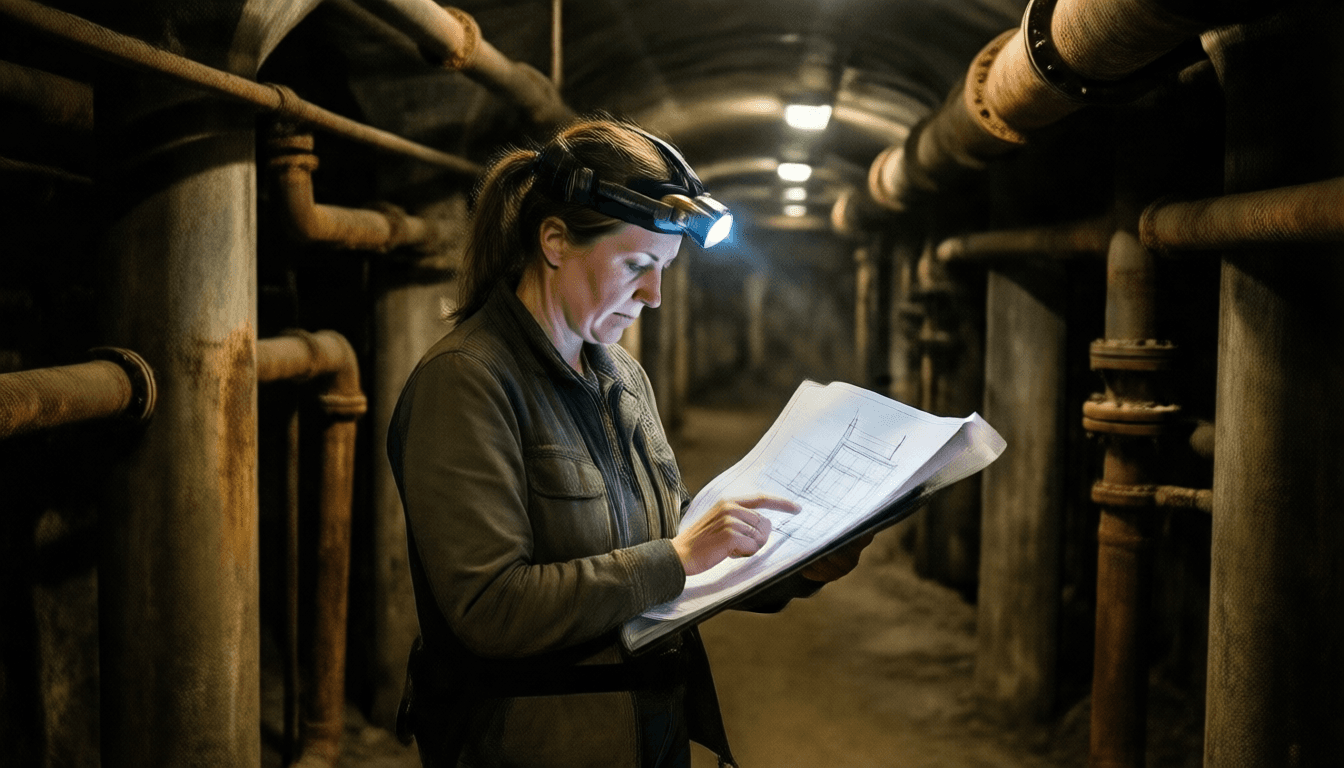
Dr. Elara Vance, an architectural historian specializing in early 20th-century German public buildings, gained access to the Reichstag building under the pretext of examining its structural integrity after unification. Her true objective, however, lay in the building's deeper foundations. Armed with architectural drawings from various eras, infrared scanners, and precisely calibrated acoustic imaging equipment, she focused on the oldest sections rumored to extend far beneath the main assembly hall: forgotten utility passages and service tunnels. The air in these subterranean levels was thick with the scent of old concrete mixed with a metallic mustiness, a smell that clung to her clothes long after she left.
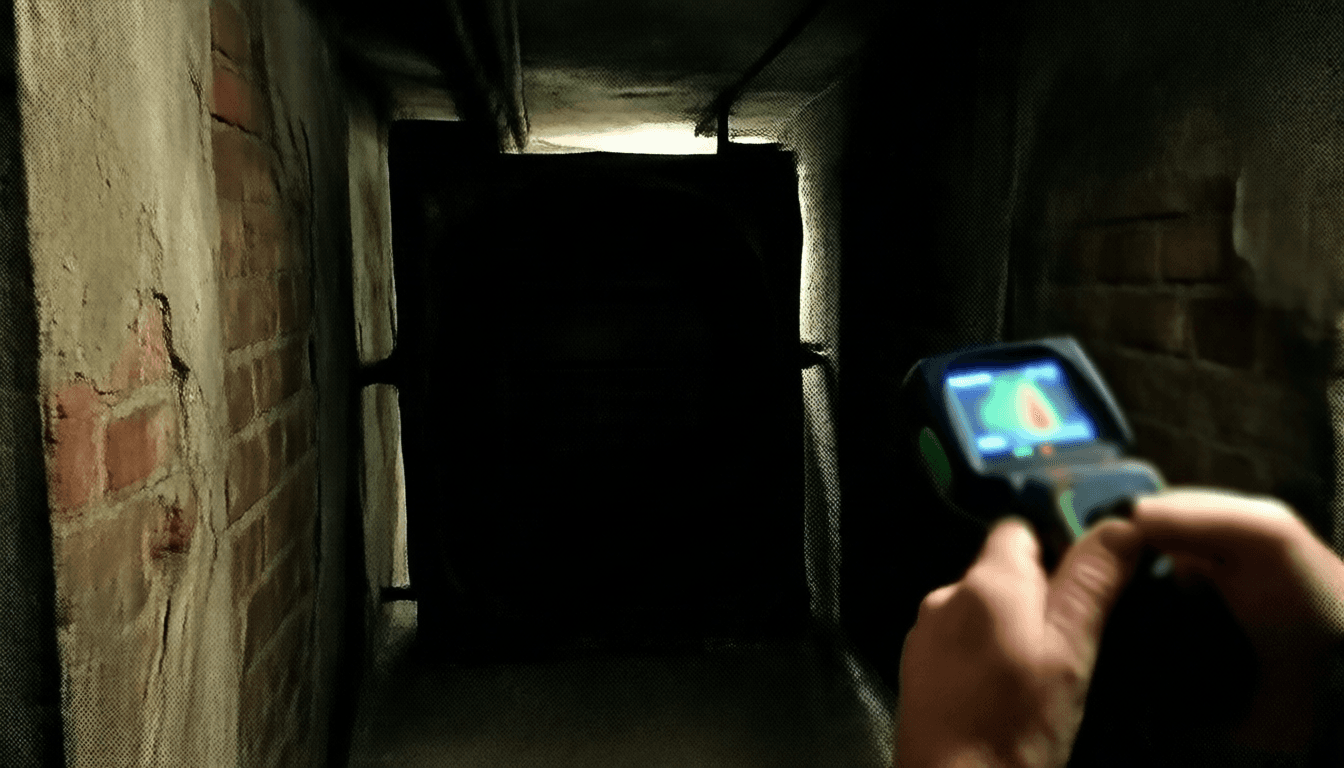
Initial scans revealed unexpected findings: reinforced brickwork not indicated on any blueprints, and faint, almost imperceptible echoes suggesting empty spaces beyond known walls. Specifically, one sealed ventilation shaft, excessively large for its apparent purpose, led away from the fire's origin point and extended much deeper underground than officially documented.
Following the anomaly of the ventilation shaft, Elara entered a narrow, unmapped passage. Here, subtle changes began. Her acoustic imaging equipment recorded echoes at irregular, staggered intervals, as if the space itself warped sound propagation. At certain points, the air was unnaturally still and cold, defying the constant temperature of the surrounding subterranean environment. It was like standing in the lingering breath of a vacuum.
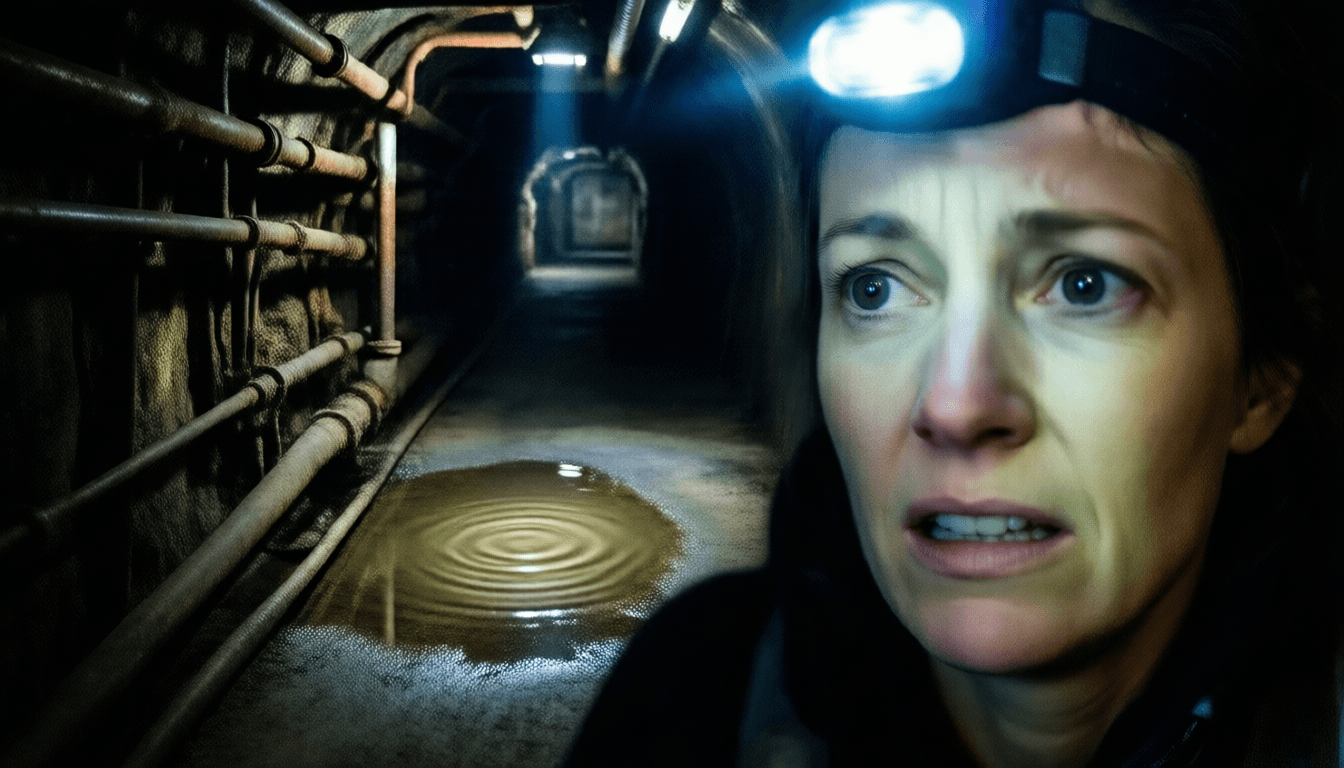
Deeper still, in a section with old maintenance pipes, she observed faint, regular ripples in stagnant puddles. These ripples did not move away from a source of disturbance but subtly *towards* it, traveling along the pipes themselves, defying a slight incline. Her handheld anemometer registered minute, intermittent gusts of air, not flowing in a consistent direction but vibrating as if air was being drawn into and expelled from hidden cavities within the walls. The overwhelming silence of this passage was absolute, swallowing even the low hum of her equipment, leaving only the sound of her own heartbeat, which seemed to echo louder with each step.
Elara's infrared scanner picked up a faint heat signature behind a rusted metal plate. Not residual heat, but an unusual density. As she pried the plate open, it revealed a passage leading to a small, cylindrical chamber. The air inside was distinctly different: thinner, with a faint, pungent smell, almost reminiscent of something long forgotten. The chamber was empty, yet its floor and walls were embedded with intricate, rusted machinery: thick, anachronistic wiring, several pressure plates connected to a network of pipes, and a massive insulated exhaust vent leading upwards. This was no storage room. It was a control system, designed for a specific, precise purpose.
As Elara bent down to photograph a schematic faintly etched into a corroded panel, a low, grating 'thunk' resonated through the chamber. The heavy metal plate she had removed *slid shut* with impossible force, sealing off the entrance. There were no visible motors, no hydraulic arms. It moved with an intentional, unyielding certainty, as if her presence, or a long-dormant timer, had finally completed its cycle. A soft, continuous 'hiss' began from the overhead vent, and the air rapidly grew colder and denser, the pungent smell intensifying, stinging her nostrils and eyes. The machinery in the floor began to emit a low, resonant hum. Elara stumbled. The surrounding air felt like a physical weight, pressing down on her, robbing her of oxygen.
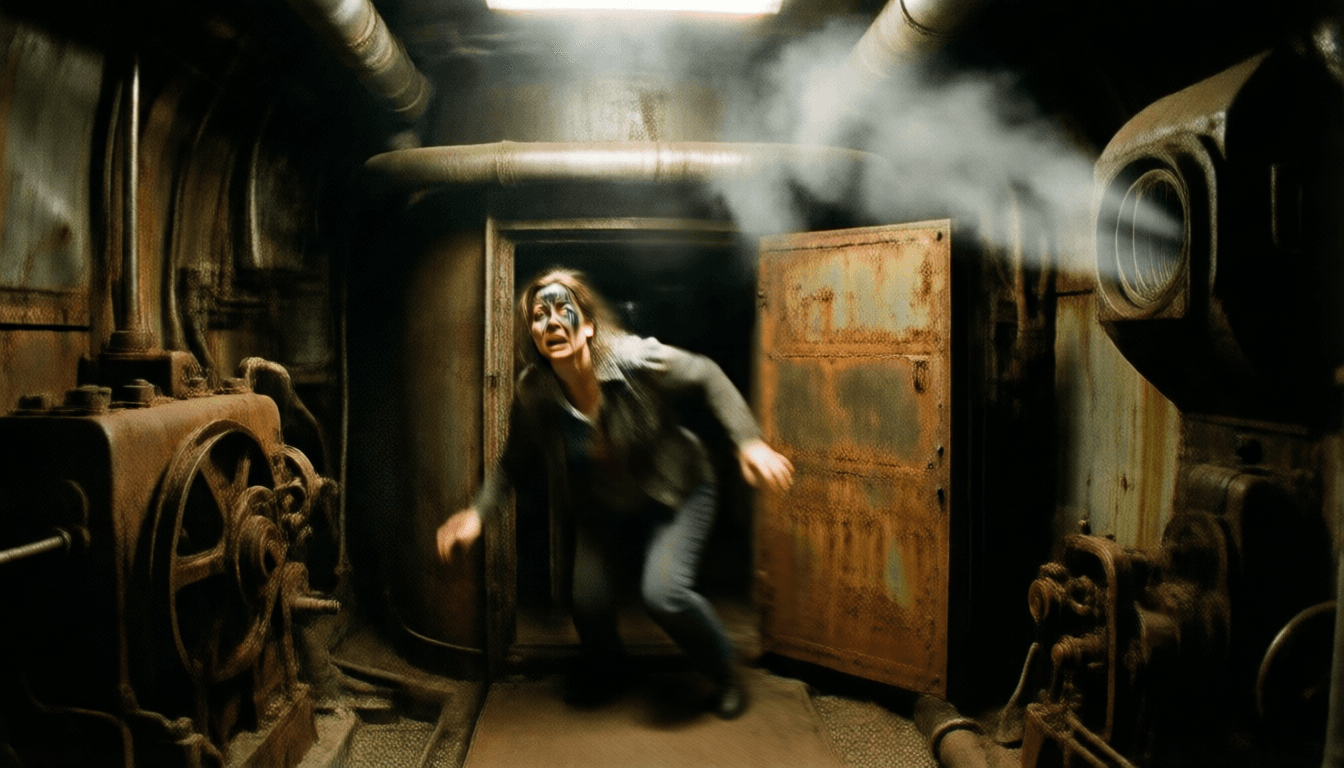
She clawed at the unyielding metal plate, her vision blurring. The silence of the precisely engineered room was absolute, save for her own ragged breathing and the methodical hiss of the gas. The truly impersonal horror was not a ghost, but the calculated mechanical efficiency of a long-prepared trap, designed to contain this very curiosity, activated by her presence.
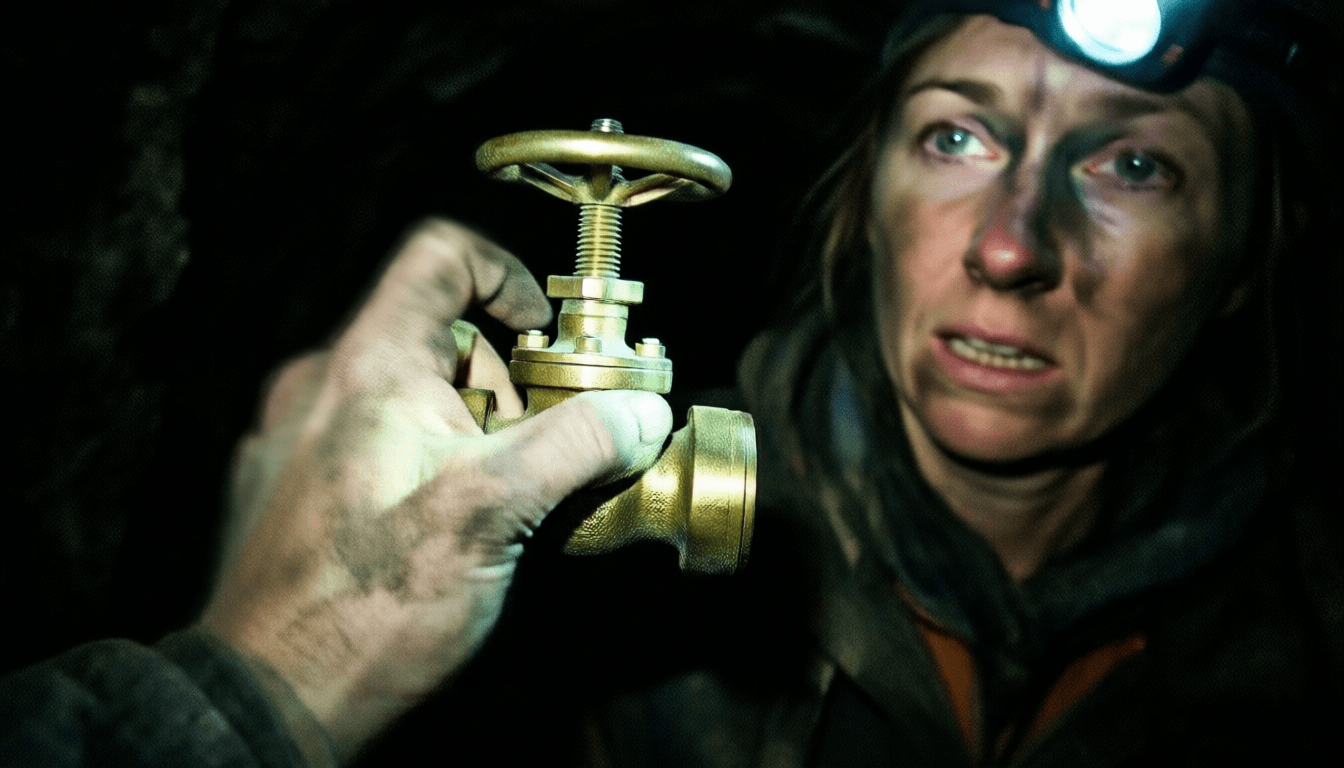
Hours later, Elara stumbled and crawled out into a lower maintenance tunnel she hadn't known existed, disoriented and gasping for breath. Most of her equipment was lost, abandoned in the rapidly collapsing passage. Her lungs ached, and a persistent tremor ran through her hands. All she managed to salvage was a small, intricately designed brass valve, dislodged from the machinery on the sealed chamber's floor. It was unlike any she had ever seen. Heavy and precisely machined, yet bearing no manufacturer's mark. It was not a weapon, nor a direct confession. But as she clutched it, its cold precision, coupled with the metallic taste of the gas that still lingered in her memory, spoke volumes. It was an artifact of an unseen architect, evidence of a meticulous, cold intelligence that had designed a profound system of concealment, still operating decades beyond the fire. The valve hummed with a quiet, eerie implication. The fire had been a performance, and the stage was manipulated not by chance, but by design. The true terror was not the flames themselves, but the chilling realization that some structures, once built to hide a truth, continue to operate silently and lethally, long after their original purpose is believed to be fulfilled.
[ CLASSIFIED VERDICT ]
[ACCESS LOG - SOURCE FILE]
The 1933 Reichstag fire in Germany was officially attributed to Marinus van der Lubbe's sole act, yet for decades, conspiracy theories have suggested it was a false flag operation orchestrated by the Nazi regime to consolidate power. This story explores an architectural mystery added to this historical conspiracy, postulating the existence of a meticulously designed subterranean system intended to conceal the truth.