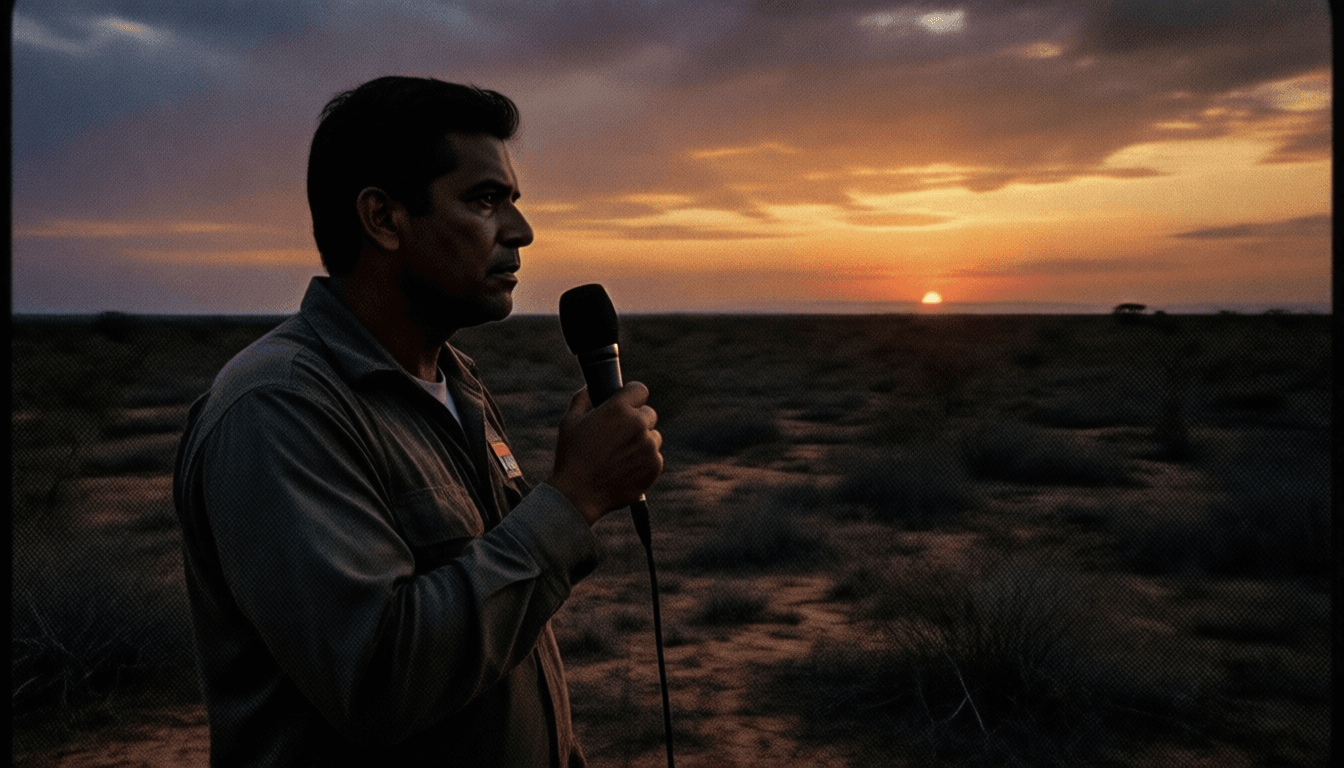
El Silbón: The Paradoxical Whistle
An archived article from the June 12, 1968, edition of the
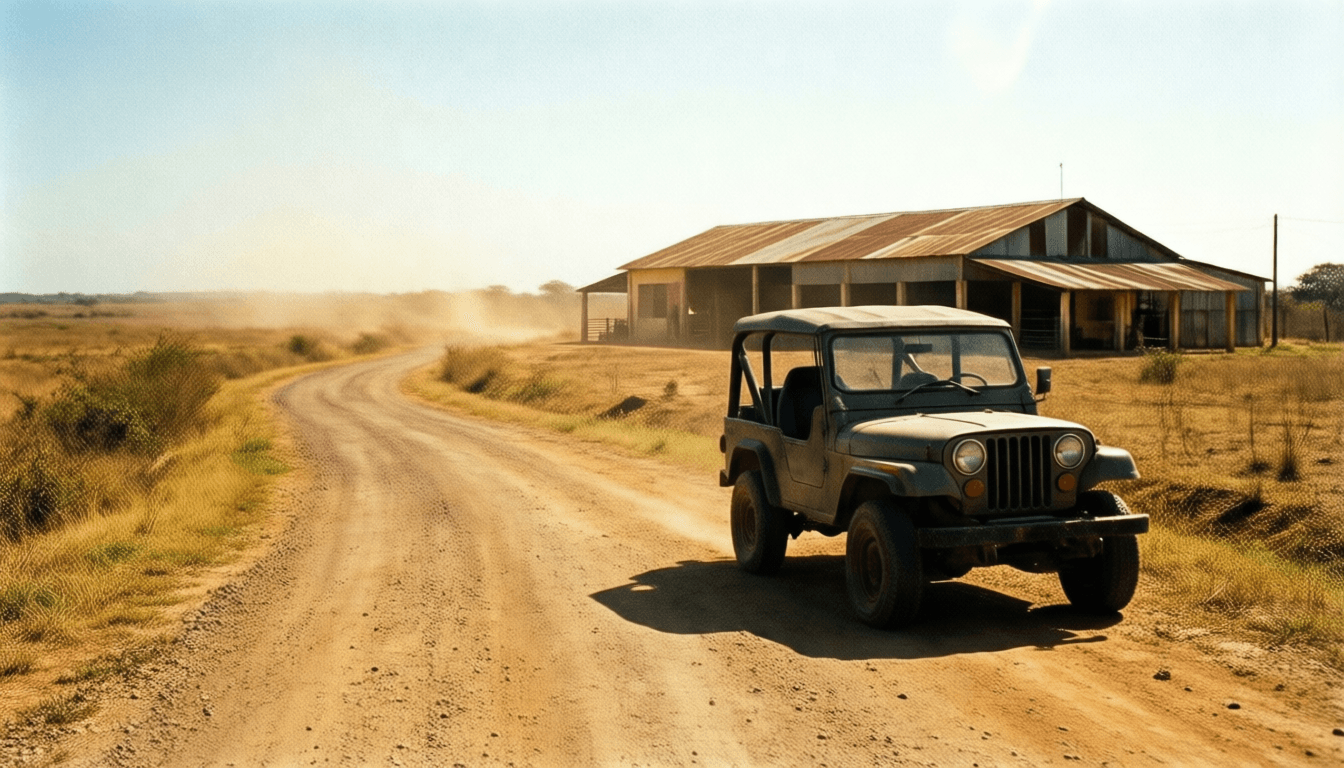
My jeep, borrowed through a cautious contact in San Fernando de Apure, pushed through the dry season dust towards a remote hato (ranch) near the Apure-Barinas border. This was the site of a recent, well-documented disappearance. Three weeks prior, a young field manager had vanished without a trace, leaving behind only a half-eaten meal and his colleagues' desperate testimonies about "the damn whistling." The air was thick, heavy with the scent of sun-baked earth and distant cattle. The horizon stretched featureless and endless, an oppressive vastness under a harsh sky. My equipment – a high-sensitivity directional microphone array, a drone for aerial mapping, a sturdy DSLR camera – felt woefully inadequate against this immense scale. The silence, broken only by the hum of unseen insects and the occasional cry of a distant raptor, was profound. It wasn't a silence of peace, but one pregnant with an unknown anticipation. The sole remaining farmhand, visibly terrified, warned me to "stay close to the light" and "do not answer the whistle." His bloodshot eyes held a deeper horror than his words. I focused on the abandoned camp of the field manager, the last point of contact. The ground was hard and dry, devoid of clear tracks. An unnatural stillness hung in the air, a profound absence of the rustling and chirping that usually characterized the living plains.
As dusk began to bleed across the horizon, painting the sky in violent oranges and purples, the first anomaly struck. My normally reliable compass spun wildly, then settled on a consistent bearing a few degrees off true north. I double-checked with my GPS unit – accurate, confirming the compass's malfunction was a localized phenomenon, not atmospheric distortion. Then, the sound. Faint at first, a high-pitched, almost melodic whistle ascended a full octave scale: Do-Re-Mi-Fa-Sol-La-Ti-Do. It seemed to carry on the faintest breeze across the vast plains, coming from somewhere impossibly far away. My directional microphone struggled to pinpoint its origin, the faint signal wavering as if the sound itself was shifting miles in an instant. This was it. The sound described in historical records and internet whispers. According to the legend, if the sound was distant, it meant danger was perilously close. A cold dread, far more potent than the cooling air, washed over me. I tried to dismiss it as wind or birdsong, but its precise, musical quality was unmistakable. The whistle faded, then reappeared. This time, it seemed closer – which, by the twisted logic of the myth, meant it had receded further. The psychological tension was immense. Every perception became a lie, every instinct untrustworthy. I constantly scanned my surroundings, convinced something was hidden just beyond the limits of my vision, secreted within the deepening shadows of the brush. The once vast, empty plains now felt like a suffocating space, pressing in on me.
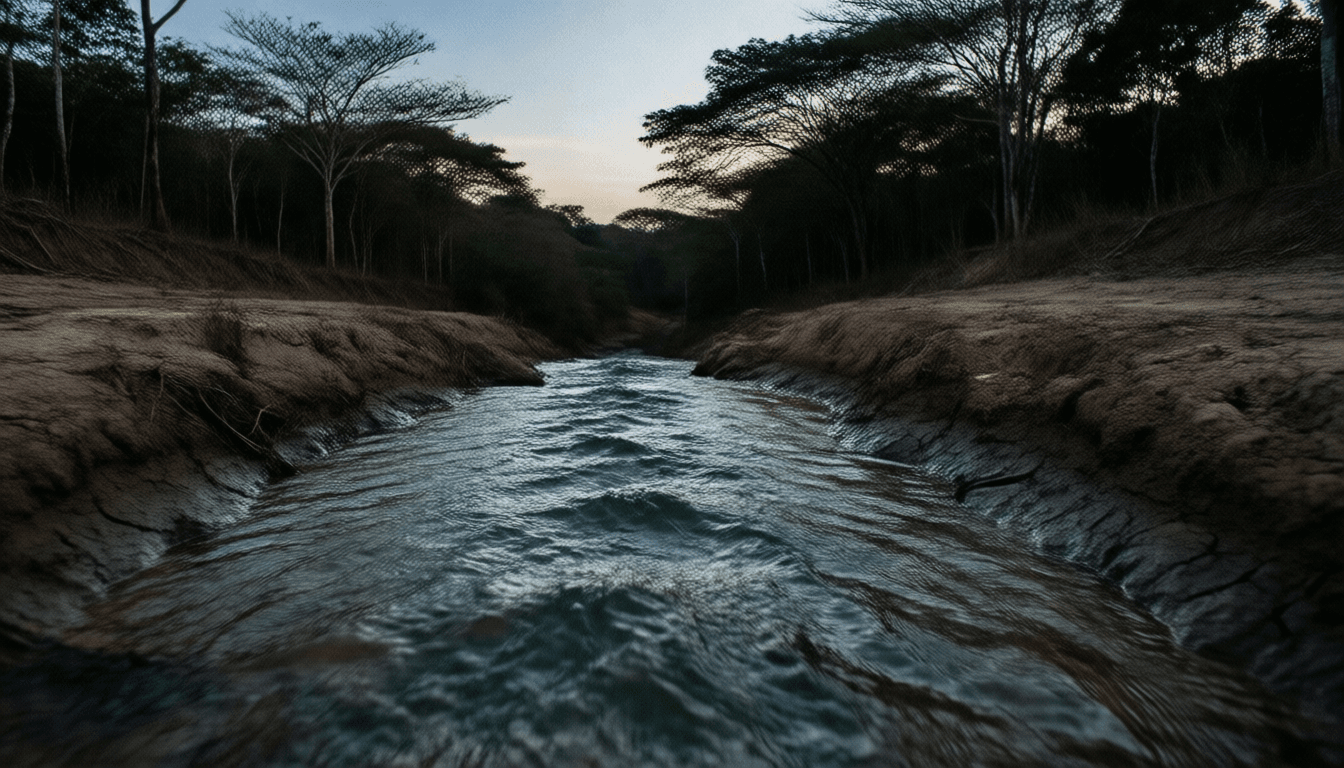
The whistle returned. This time, it was ear-splittingly loud, as if echoing right over my head. My ears ached. By the legend's rules, it should have been miles away, an illusion of proximity. But the sheer volume was physically jarring. I froze, my heart hammering. Then, the world around me subtly shifted. I was near a shallow, dry riverbed, a mere parched ditch, a caño. But as I watched, a stream of clear, cold water began to flow into the ditch. It was flowing uphill. Against the natural gradient, the water pushed against gravity, creating small, impossible ripples. The whistle was now a multi-directional assault, echoing sickeningly everywhere and nowhere, shifting between presence and absence. My recording equipment shrieked, then died, its display shattering.
A sudden, intense cold descended. Not the refreshing coolness of evening, but an unnatural, oppressive chill that pierced to the bone. The air around me was heavy and still, carrying a faint, putrid smell – like damp earth and something long dead. At the edge of my vision, a long, impossibly gaunt shadow detached itself from a clump of chaparro trees. It was a faint, flickering distortion in the twilight, yet its presence was absolute. I didn't so much hear words as feel the whisper of a deep, ancient hunger, a resonance of emptiness that vibrated in my very teeth.
It moved with terrifying speed. Not running, but gliding, an instantaneous translocation that defied the physics of the plains. Suddenly,
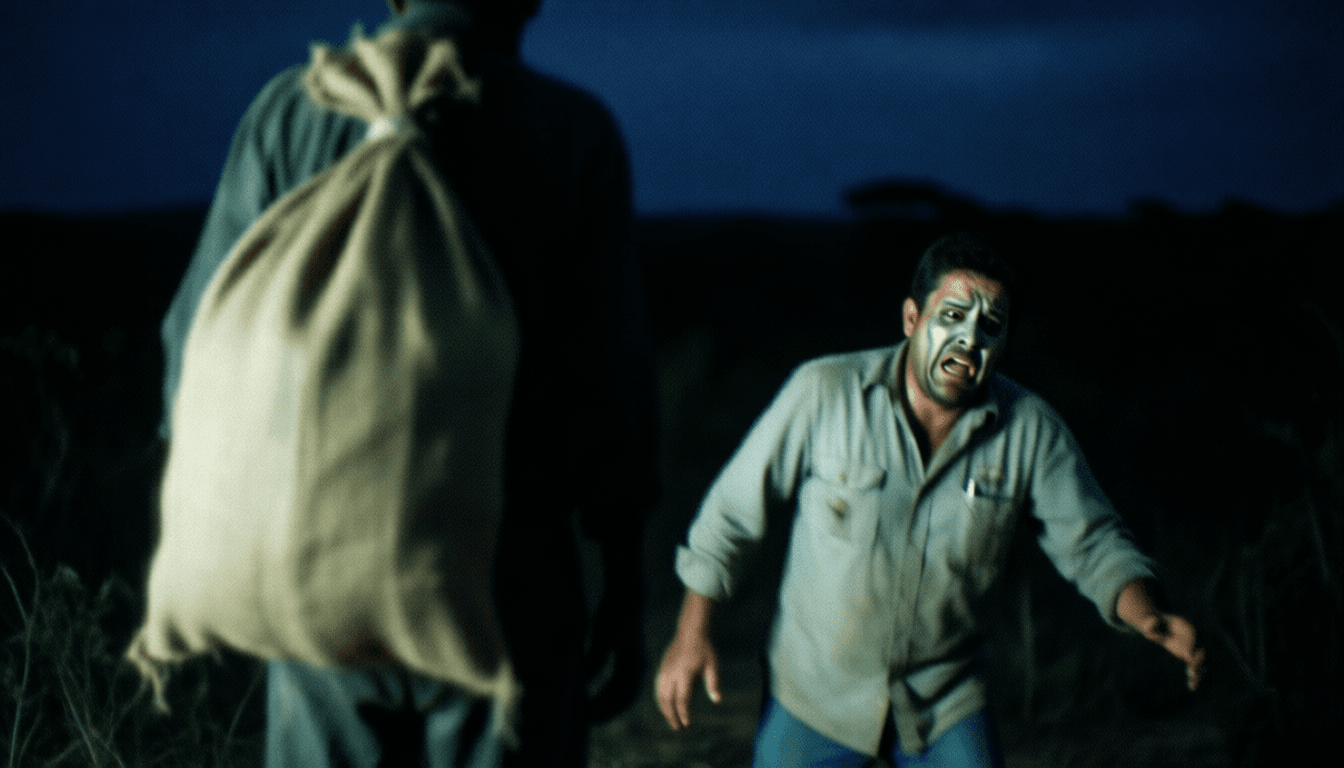
it was there. Less than ten feet away. I saw no distinct features, just a colossal, impossibly gaunt silhouette. A burlap sack hung over one shoulder, its contents shifting with a faint, dry rattling. The whistle stopped, replaced by an absolute, profound silence that felt like a physical blow. Then, the contact. Not a grab or a strike, but a sudden, chilling pressure on the nape of my neck. The sensation of something cold and brittle brushing my skin. A severe weakness overwhelmed me, my vision blurred, and my knees buckled. It felt like my energy was draining, my very life force being siphoned away. I stumbled backward, tripping over my feet, desperately trying to brace myself and gasp for air. The ground beneath me seemed to shift and writhe, trying to swallow me. I lunged forward in a desperate, animalistic rush, breaking free from the unseen grip. Driven by primal terror, I ran without looking back. The impossible uphill flow of the caño remained a vivid, chilling reality burned into my mind. I did not look back.
I made it back to the jeep. How, I’m still not sure. My clothes were torn, my skin scraped from falls, my lungs burning, but my body was physically intact. The engine roared to life, and I drove, never looking in the rearview mirror. I kept driving until the oppressive silence of the plains gave way to the comforting hum of distant power lines.
Days later, in the relative safety of my city apartment, the incident replayed in fragments. A medical check-up found nothing unusual beyond severe fatigue and minor superficial abrasions. My recording equipment, however, was irrevocably destroyed – a melted mess of plastic and circuits. But one thing remained.
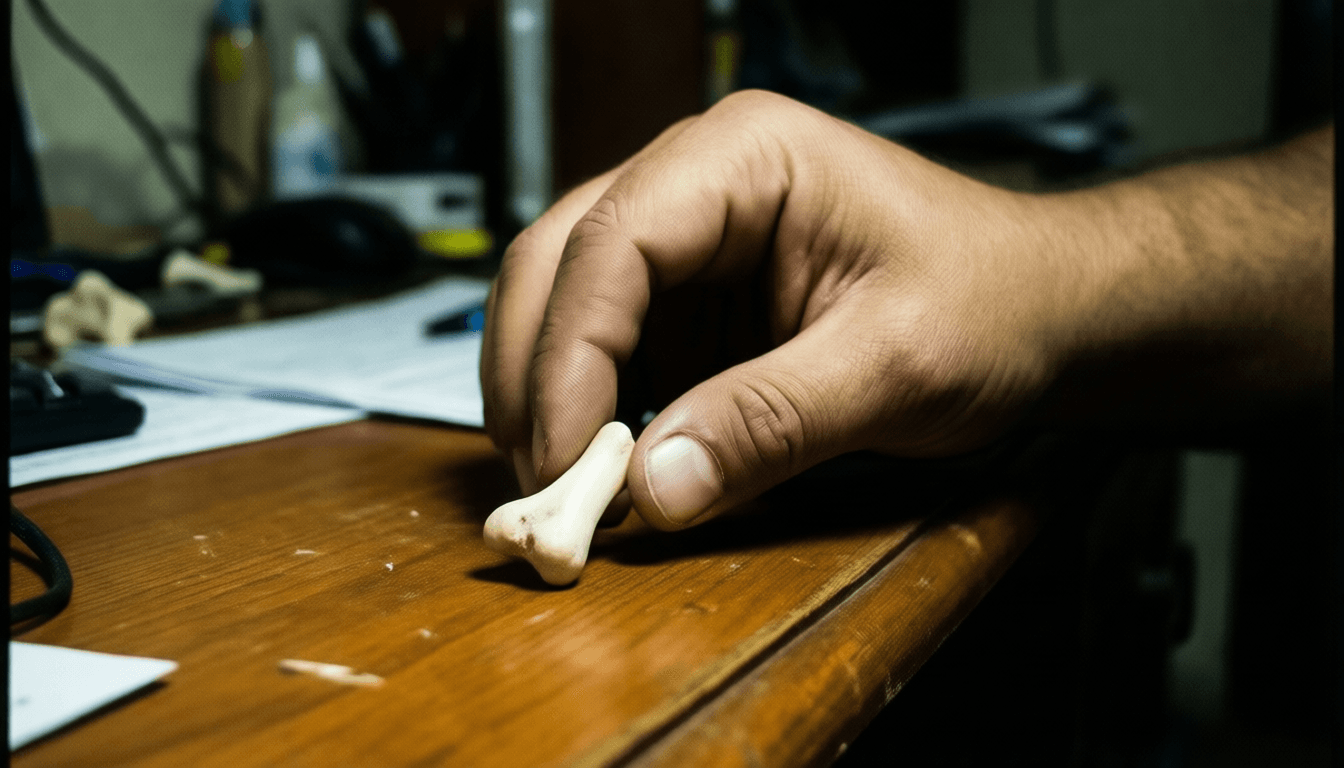
As I showered, rinsing the last of the plains' dust from my hair, I felt an odd sensation. I found it caught in the knot of my shirt, still clinging to the fabric. A small, smooth piece of bone. No larger than my thumbnail, off-white, and strangely dense. Too old, too clean, to be from any recent animal. I placed it on my desk. Silent evidence.
That night, lying in bed, the faint city hum drifting through my window, I heard it. Faintly, almost imperceptibly above the distant traffic and occasional siren – the fluctuating whistle. Do-Re-Mi-Fa-Sol-La-Ti-Do. It sounded far away, almost a whisper on the wind, a trick of acoustics. But now, I know. I know what "far" means. And I know what "near" means. The small, smooth piece of bone on my desk seems to hum with the silent, chilling truth. It wasn't over. It had simply followed me home. The silence after the whistle was the heaviest I'd ever known.
[ CLASSIFIED VERDICT ]
[ACCESS LOG - SOURCE FILE]
El Silbón (The Whistler) is a renowned urban legend from the Venezuelan Llanos region, describing a gaunt phantom who appears carrying a sack of bones, luring people to their doom. His most distinctive feature is a paradoxical whistle: if the sound is heard far away, it means he is near; if it sounds close, he is far. He is said to primarily target drunkards and unfaithful men.