Echoes of Concrete
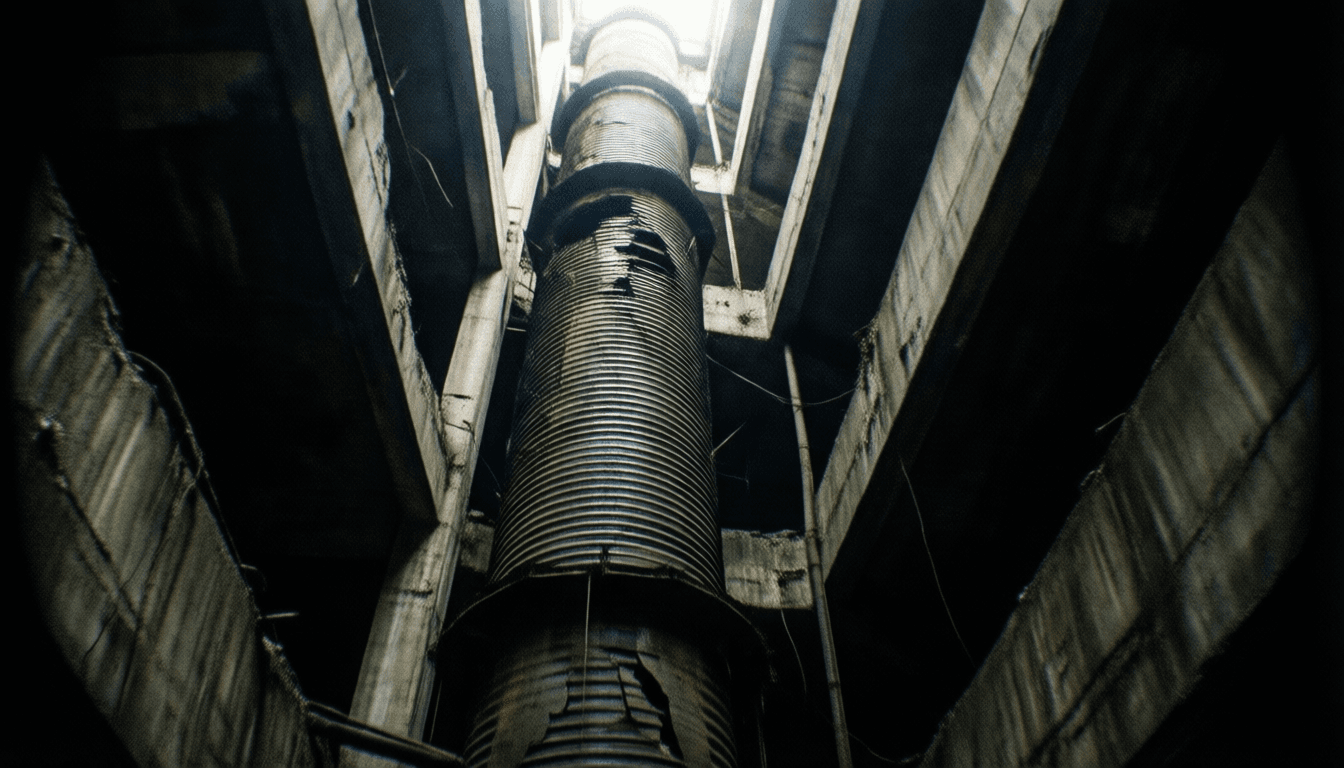
The digital footprint of "Investigator_K" vanished completely after December 2nd. His last recorded activity was an encrypted post on a deep web forum dedicated to historical anomalies and government interventions. Extensively archived before its deletion, the post contained only a blurry photograph of a ventilation shaft in a dilapidated building and the cryptic phrase: "Ryazan drill. Not a drill. It echoes in the concrete." Despite his anonymity, K had been relentlessly active for years, meticulously gathering data and cross-referencing testimonies related to the 1999 apartment bombings and the controversial Ryazan incident. What had been dismissed as paranoid speculation, his work recently intensified, focusing on an undemolished structure in a specific forgotten industrial district—a building rumored to have been used for 'drills' prior to the tragic events. His disappearance was not merely a cessation of activity, but a complete and ominous digital erasure.
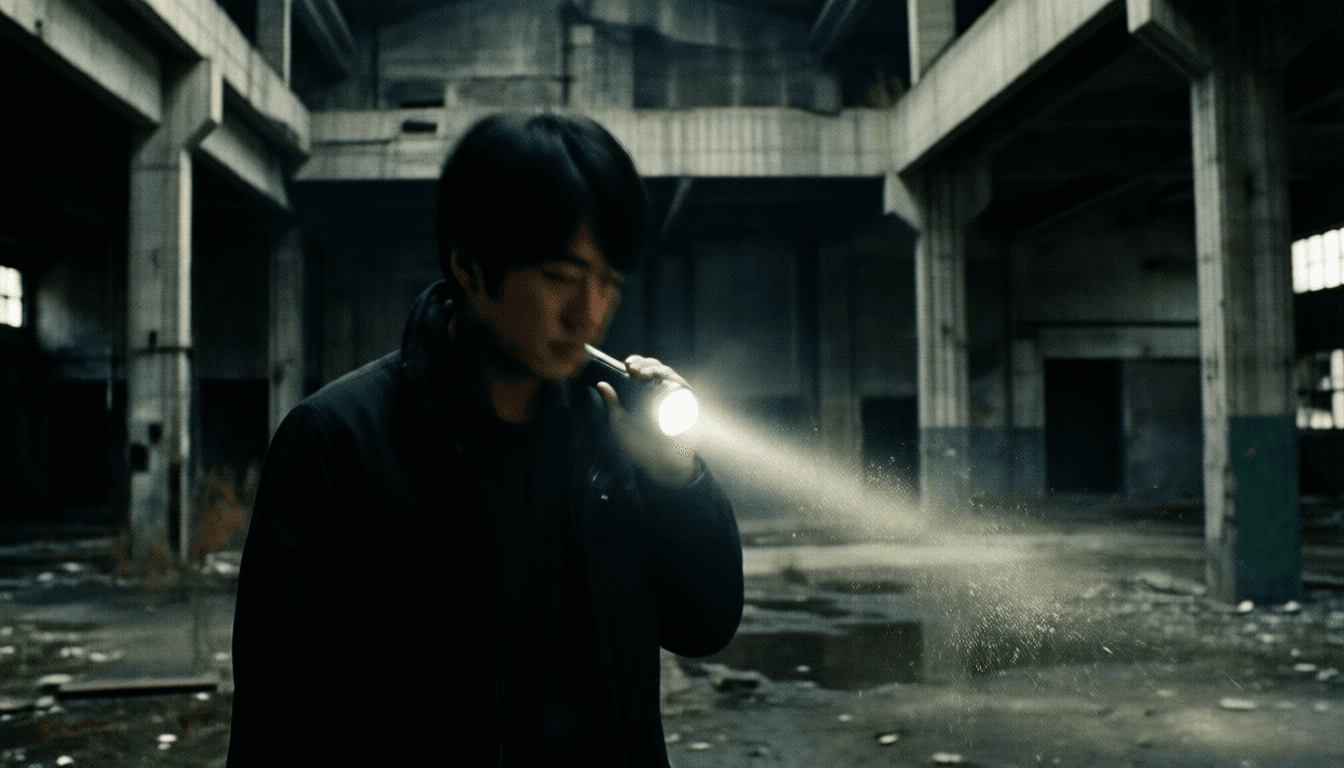
A former archivist, obsessed with long-forgotten details, began to follow the clues left by Investigator_K. His journey led him to the very building in the photograph. The brutalist concrete structure was officially abandoned, its windows dark, its entrances boarded up. It was a forgotten shell, not subject to public memory or historical preservation. Initial entry was difficult, requiring passage through a choked service tunnel and a precarious crawl through a broken ventilation system, much like K's last photographic clue. The air inside the building was heavy and cold, carrying a faint, pungent smell of old concrete and metal, or perhaps ozone. The stillness within was immediately overwhelming, an oppressive, deep quiet that seemed to absorb all sound.
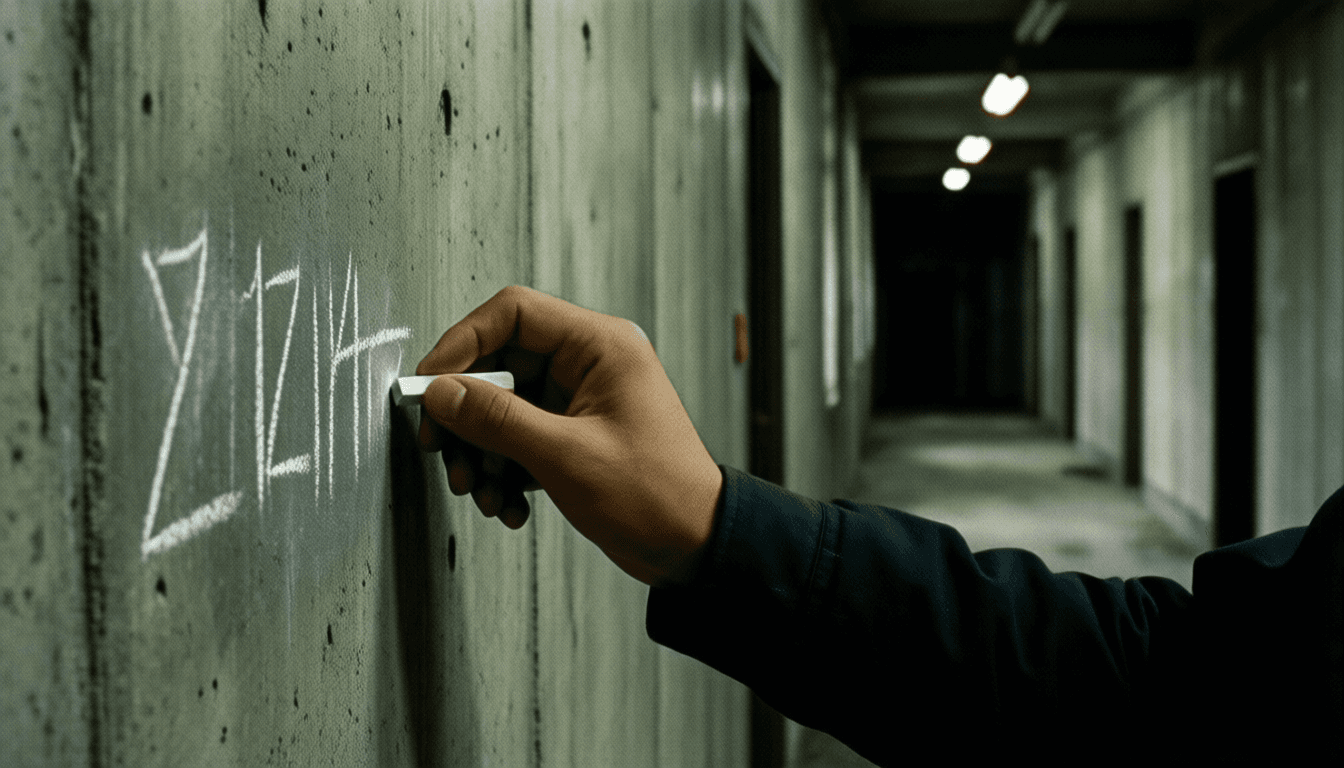
Deeper within, the environmental anomalies began. The pervasive stillness persisted, making his own footsteps sound unnaturally loud, then unnaturally faint, as if the building's acoustics were shifting. He turned on his recorder, but the device only captured static, interspersed with an almost imperceptible, regular hum that seemed to emanate from the walls themselves. Water dripped from pipes overhead, but the sound failed to echo, swallowed whole. A strange auditory blind spot formed. In a long, identical corridor, he marked the wall with chalk; moments later, turning back, the marks had inexplicably faded, almost gone. Shadows seemed to deepen or recede independently of any light source. Subtly, the air pressure felt strange, intermittently popping his ears. A distinct feeling of being watched solidified, not by hidden cameras, but as if the building itself, with its concrete skin, was an observing entity. Each unexpected sound—a distant clang, a groaning as metal settled—evoked a disproportionate sense of dread. The stillness itself became a weapon.
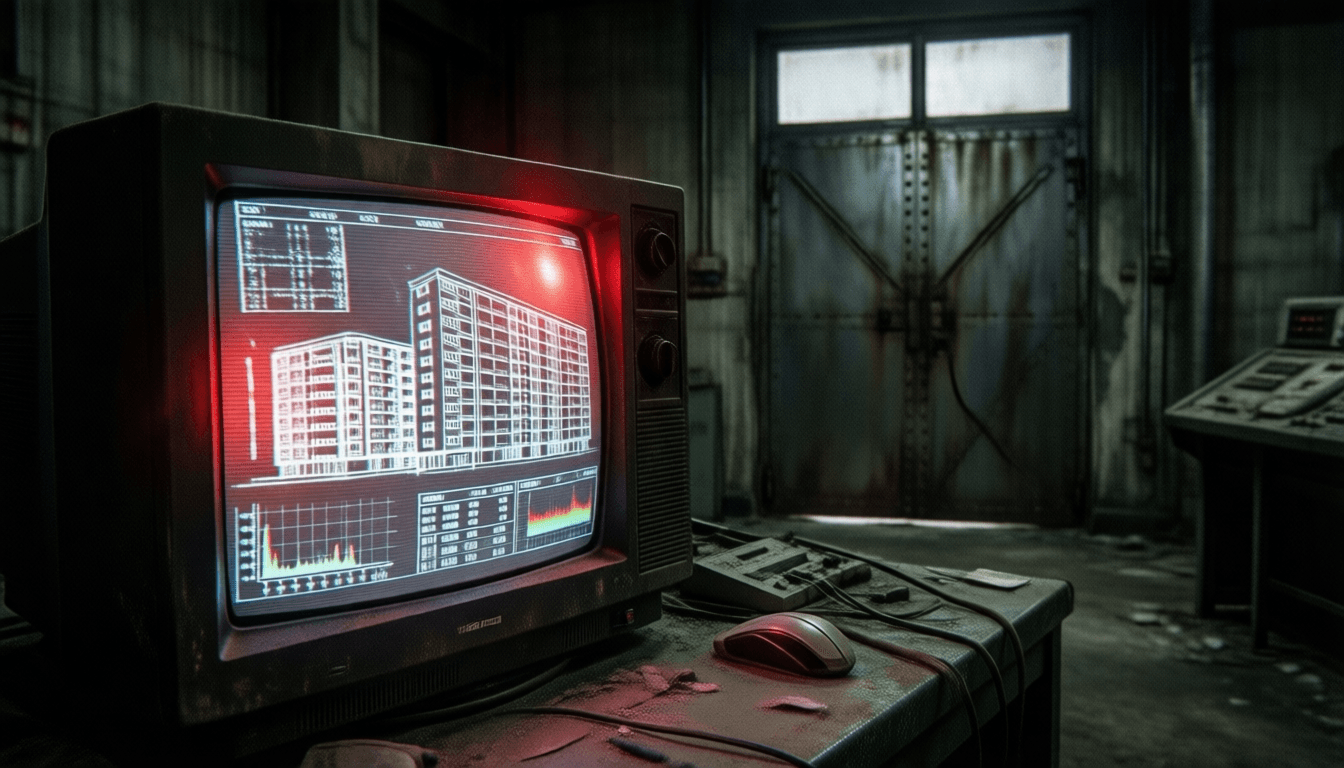
Eventually, the protagonist located a sealed-off section, hinted at in K's archived notes. Behind reinforced doors, there was no explosives cache or blueprints, but a meticulously preserved control room, somehow still powered after decades. Monitors displayed old circuit grid diagrams, one of which precisely showed the apartment buildings targeted in 1999. On a central console, a single flickering CRT screen displayed a series of precise pressure readings and seismic graphs from the time of the bombings, with data collected from this abandoned building overlaid. It wasn't a smoking gun, but undeniable evidence that this derelict location had been actively involved—monitoring, perhaps even coordinating.
With this discovery, the surrounding environment shifted. A heavy steel door behind him slammed shut with impossible force, creating an immediate, deafening noise that shattered the building's previous silence. All lights in the control room died, plunging the space into absolute darkness save for the eerie glow of the CRT monitors. A low, throbbing hum began, vibrating through the floor and walls, inducing extreme nausea and disorientation. The protagonist stumbled, finding it hard to breathe, his vision blurring. The air itself seemed to thicken. From the darkness outside the control room, a distinct, rhythmic 'thump' of something heavy moving began. It approached with abnormal precision, too uniform to be human footsteps. The CRT monitor flickered a final message. It scrolled too fast to read entirely, but at the end, a unique identifier—a chilling combination of numbers and letters, likely K's—and a single final word clearly appeared: "Compromised."
The protagonist tried to escape, but as he fumbled for an exit, the walls themselves seemed to tighten. The door he entered through now felt like a solid, unmoving metal plate, completely flush. He was physically trapped. The rhythmic thumping grew louder, closer, now accompanied by a sharp, scraping whine that seemed to reverberate inside his skull. He was absolutely certain that whatever was outside was not merely human, but an extension of the system designed to bury this secret. The air grew incredibly cold, then incredibly hot—rapid temperature shifts designed to incapacitate. Just as the protagonist felt himself succumbing to the overwhelming sensory assault, a section of the control room wall, previously solid concrete, silently slid inwards, revealing a pitch-black vertical shaft. And a violent gust of wind swept through the room, dragging him irrevocably into the abyss.
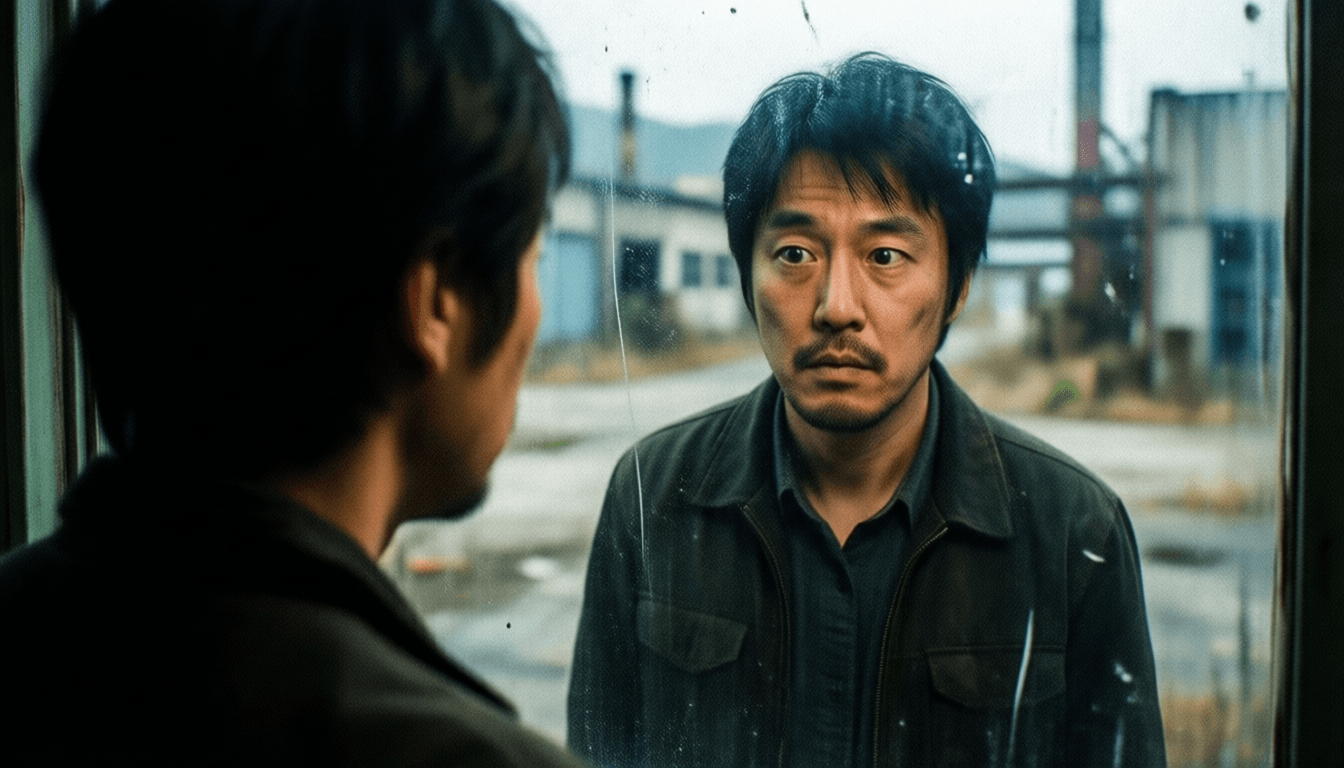
Weeks later, the protagonist was found miles away from the industrial district, confused and disoriented. He had no memory of escaping the concrete building. Physically unharmed, his mind was a shattered landscape. No specific recollections of the control room, the schematics, or the eerie data remained. Yet, his internal clock was irrevocably broken; he perceived time in strange, elongated fragments, and often experienced startling shifts in his perception of reality. He developed an intense, almost phobic reaction to certain frequencies of ambient noise, particularly a low, humming sound similar to what he'd heard in the building. His digital devices were inexplicably corrupted; every attempt to access his old research files resulted in distorted images of concrete walls and static. Most disturbing was his own reflection in any glossy surface, particularly glass windows, which appeared with a faint, almost imperceptible delay. As if his image lagged a fraction of a second behind his movements, staring back at him with an unfeeling, unnatural stillness. The Ryazan drill, it seemed, echoed not just in the concrete, but in the core of his very being.
[ CLASSIFIED VERDICT ]
[ACCESS LOG - SOURCE FILE]
This story is inspired by the controversial 'Ryazan sugar' incident that occurred in Russia in 1999. At the time, an attempted apartment bombing was officially declared a government anti-terrorist training exercise, but some suspected it was a false-flag operation by the Federal Security Service (FSB). Based on these suspicions, this story explores the mystery and horror unfolding in an abandoned training facility linked to the incident.