Annex Gamma: The Scream of the Buried Truth
Official records state that India's second Prime Minister, Lal Bahadur Shastri, died of a heart attack in Tashkent, Uzbekistan, on January 11, 1966. This was just hours after he signed a peace agreement with Pakistan. For decades, this narrative has been held as an sacrosanct truth.
Yet, persistent whispers refused to be silenced. No autopsy was performed in India. When his body arrived, his family, and even the public, noted shocking blue discoloration, a swollen face, and inexplicable cuts that were entirely inconsistent with a heart attack. His personal physician, Dr. R.N. Chugh, who was with him in Tashkent, died years later in a mysterious car accident, his testimony never properly heard. The central government, despite repeated requests, kept key documents sealed, citing national security. To many, especially the Shastri family, this isn't just a state secret; it's a festering wound, a truth deliberately buried. What happened in Tashkent remains an unresolved question for a significant portion of the populace, a discordant hum beneath the fabric of history. And as if to prove the power of such unresolved questions, some spaces, even decades later, seem to retain the echo of that intended silence.
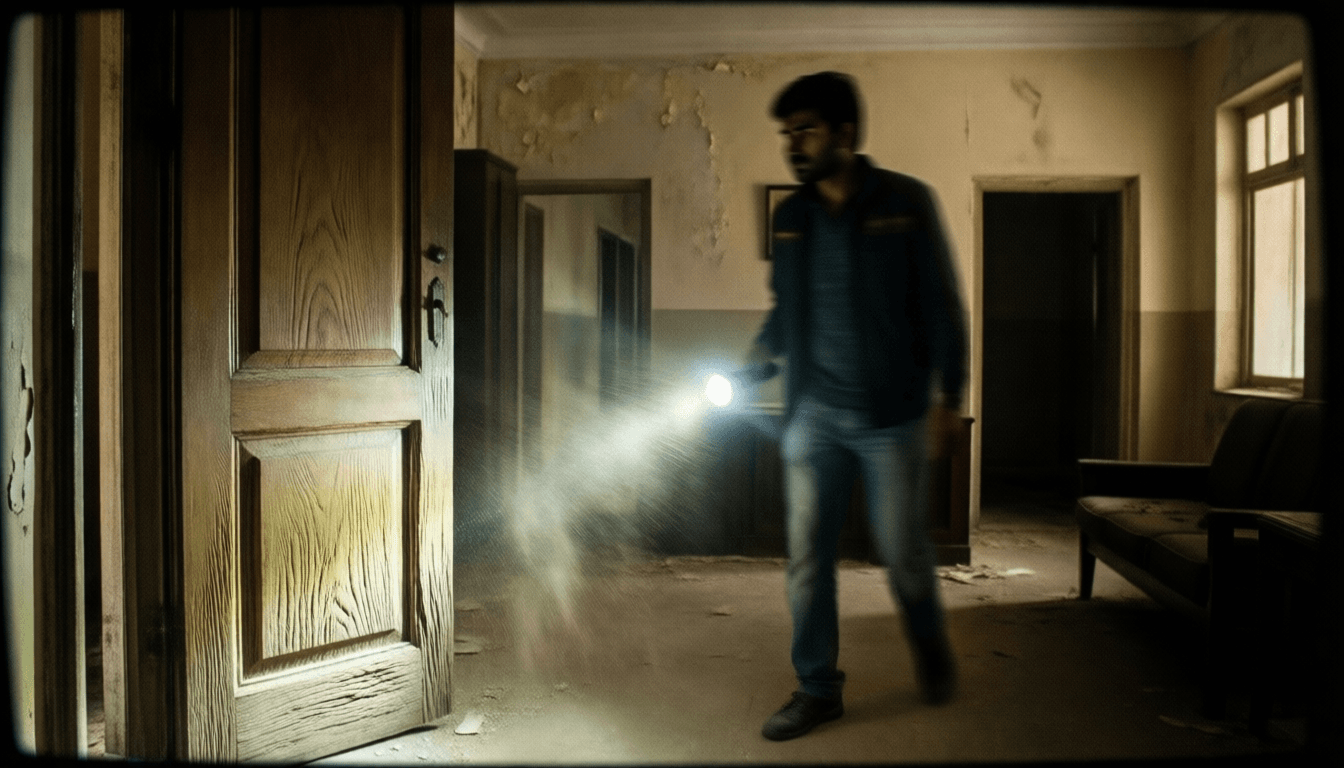
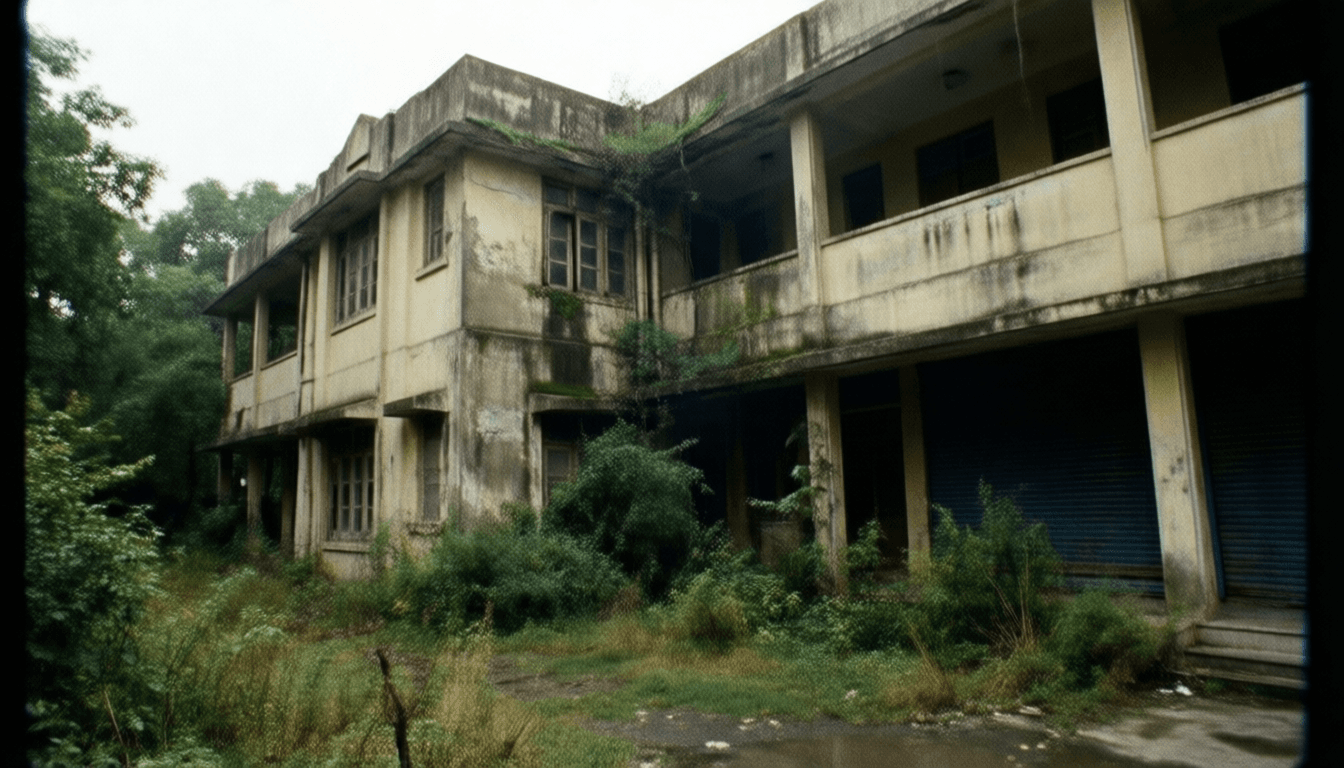
My task was seemingly mundane: to conduct a preliminary assessment and inventory of 'Annex Gamma,' a retired government guesthouse nestled in the foothills outside Delhi. Officially, the building was closed due to structural instability and rampant mold. Unofficially, it had served as a convenient and quiet staging ground for sensitive operations and discussions during the turbulent post-independence years. My mission was to retrieve any remaining records, personal effects, or forgotten sundries before its demolition. The moment I stepped through its warped teak doors, an odd silence swallowed me, replacing the familiar din of the distant city. It wasn't just the quiet of an empty building; it was an *absence* of sound, a vacuum.
The air inside was thick with the scent of mold and aged paper, a familiar combination to any archivist. My flashlight beam cut through motes of dust, dancing in the stagnant air. I systematically documented and bagged items room by room. Furniture was sparse, draped in yellowed dust covers, frozen in the austerity of a 1960s public institution. In a faded ledger from a small, cramped office, beneath several official entries concerning agricultural plans and minor diplomatic meetings, a single handwritten line caught my eye: "Jan 13-15, 1966. Emergency respite - Subject: *Tashkent Aftermath*." No name, just the cryptic subject. The Prime Minister was already dead, so it wasn't him. But a significant figure, connected to the immediate aftermath, had stayed here. A strange chill snaked down my spine.
The discovery of that ledger entry shifted my focus. I began to feel the weight of the history the building had absorbed. The silence deepened, pressing against my eardrums. My own heartbeat seemed deafening in the oppressive quiet. As I continued through the corridors directly connected to that ledger entry, subtle anomalies began to appear. On a shelf I had meticulously cleared, a thick parliamentary report, previously laid flat, now lay slightly ajar, its spine cracked. A faint, sour, almost metallic smell, like old coins or dried blood, occasionally ghosted through the stagnant air, vanishing as quickly as it appeared.
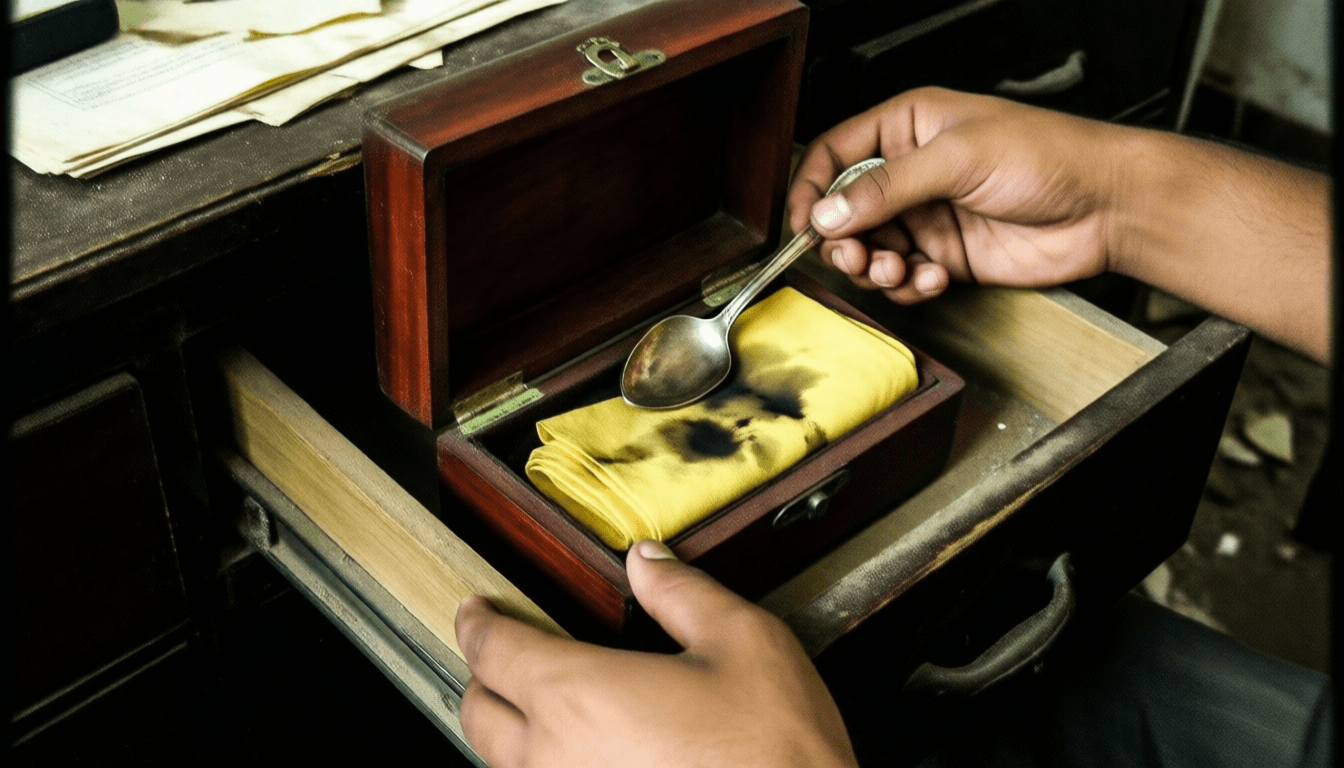
I found a small, locked mahogany box in a drawer that seemed to have been overlooked during earlier clear-outs. The lock was rusted, but with a little leverage, it gave way. Inside, nestled between dry, brittle cotton fabric, were two items: a surprisingly heavy, tarnished silver spoon and a carefully folded handkerchief. The handkerchief was yellowed with age, bearing an old, dark stain, almost black. As I unfolded it, the metallic scent intensified, and for a fleeting moment, I imagined a faint, almost subconscious, crimson afterimage blooming across the fabric. The air around me grew cold, despite the warm, humid weather outside, and I saw my breath mist faintly. The silence was no longer empty; it felt as though something was watching, waiting. I tried to dismiss it as the thrill of an unexpected find or the power of suggestion, but a cold knot solidified in my gut. Every shadow seemed to lengthen, holding something unseen.
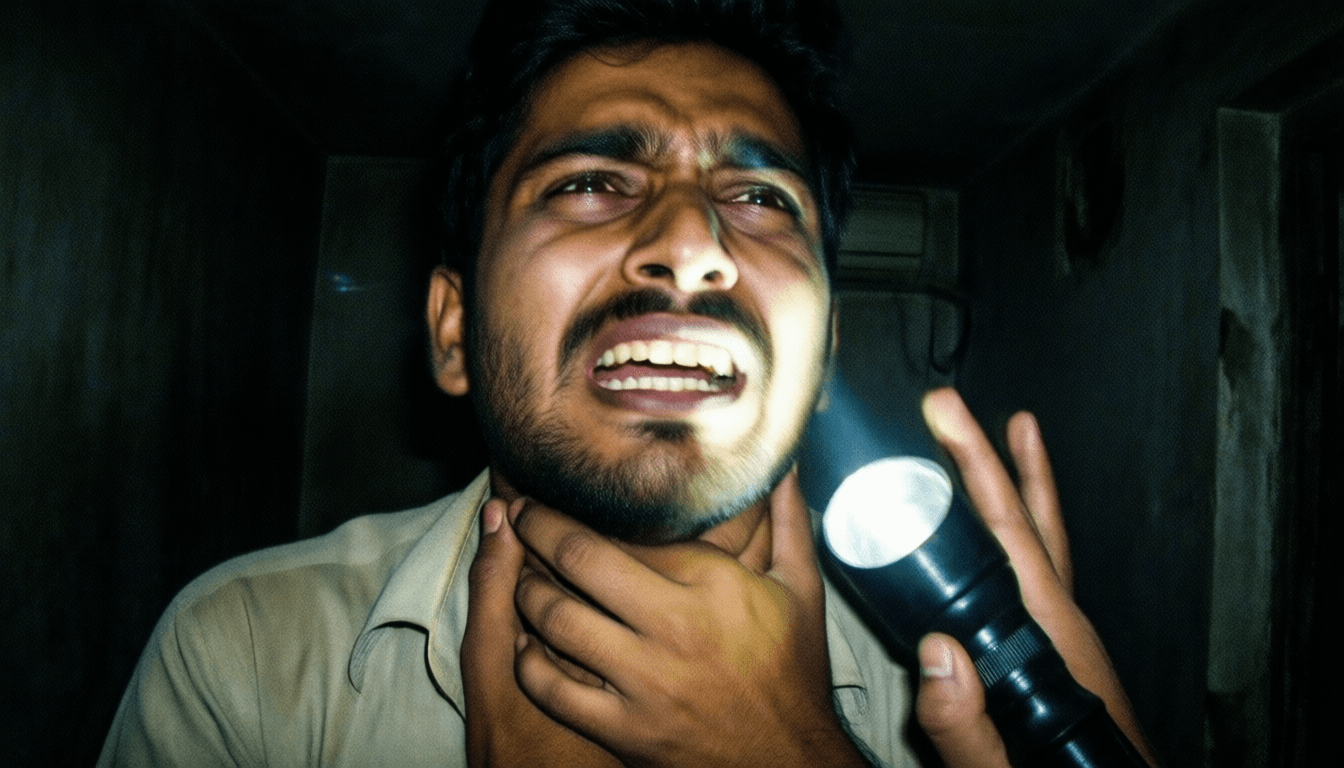
As I refolded the handkerchief, a low, guttural thrum resonated through the floorboards. It emanated directly beneath my feet. It wasn't a structural sound; it felt organic, vibrating through my bones. I was in a small, self-contained study, directly above what must have been an isolated cellar storage. The study door, which I had left ajar, slammed shut with a resounding thud, rattling the ancient windows. The air instantly grew thick and viscous, breathing felt like a struggle against an invisible weight. My lungs burned. The metallic scent was now overpowering, choking me.
Panic seized me. I threw my weight against the door, but it was sealed tight, as if welded. The light from my headlamp began to flicker erratically. Not a short circuit, but pulsing with an uneven beat, in sync with an unseen pressure. In the sudden, near-total darkness, I felt an intense pain as a suffocating pressure bore down on my chest. My body reeled backward, hitting the wall. Fragmented sounds erupted in the oppressive silence—a heavy cough, a gasp for air, followed by faint whispers in a language I couldn't understand, yet filled with unbearable anguish.
My vision blurred. I gasped, feeling an invisible, cold grip tightening around my throat. The silver spoon I had found clattered to the floor, and in the dim, flickering light, I realized a viscous, black liquid was seeping from beneath the mahogany box, slowly spreading across the dusty floorboards. It was the same color as the dark stain on the handkerchief, but fresh and glistening. A sharp, burning pain shot through my arm. It felt as if something razor-thin had raked across my skin. I realized something had touched me. I screamed, but no sound escaped the suffocating pressure. I felt myself being dragged down, the air growing thin, the cold turning into an unbearable chill. My mind screamed one word: POISON.
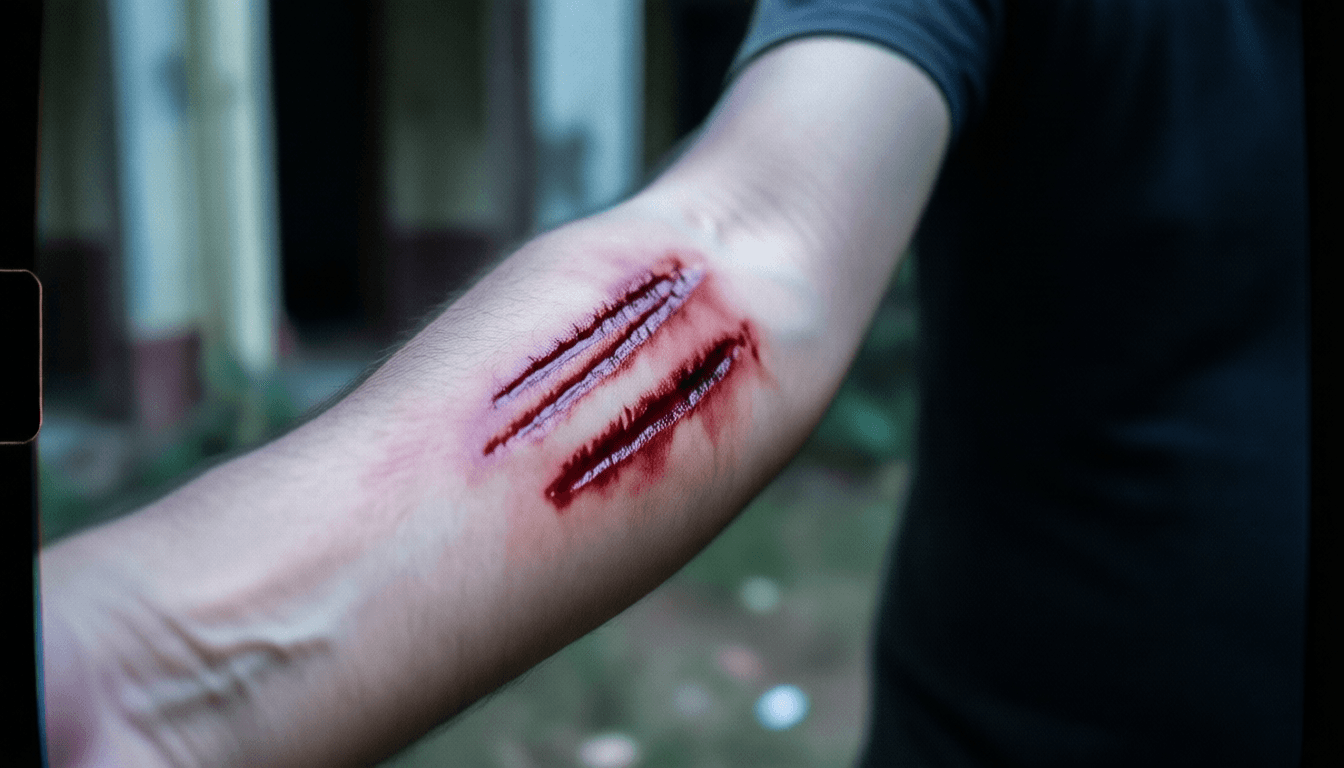
I don't know how I escaped. Whether the door simply gave way, or if I lost consciousness and awoke outside, gasping for air. My lungs ached, my throat raw. On my arm were three distinct, unnaturally deep red wounds, perfectly parallel, as if drawn by something incredibly sharp. No blood flowed, yet they burned with a constant, cold fire.
I never returned to Annex Gamma. It was demolished weeks later, reduced to rubble and dust. But the silver spoon and the handkerchief remain with me. I keep them locked away in a sealed container, not out of fear of their power, but out of a desperate need to contain what they represent. The metallic scent occasionally reappears, faint but undeniable, especially when I am tired or stressed. I constantly check mirrors, meticulously searching for any sign of discoloration on my skin. My once-reliable heart now skips beats irregularly, punctuated by sharp pains that doctors dismiss as anxiety.
I haven't publicly shared what happened in that room. Who would believe me? The event offered no direct answers to 'who' or 'how,' yet it left me with a profound, chilling certainty. The official narrative is but a fragile screen. Some truths are not meant to be known, not because they are too complex, but because they are too potent, too painful. They were not ghosts, but imprints, wounds etched into the fabric of reality. And they could reveal that pain to those who dared to peel back the layers. Shastri's final, gasping breath, the inexplicable marks on his returned body—they were not mere historical footnotes. They were indelible stains, a poison that had seeped into the very foundation of certain places, a truth that refused to be buried, choosing instead to find new victims to witness its silent agony. The silence I felt in Annex Gamma was not emptiness. It was a scream, trapped for half a century. A scream that had finally found its voice.
[ CLASSIFIED VERDICT ]
[ACCESS LOG - SOURCE FILE]
The death of Indian Prime Minister Lal Bahadur Shastri was officially recorded as a heart attack in Tashkent in 1966, but the blue discoloration and injuries found on his body, the absence of an autopsy, and the sealing of key related documents fueled suspicions that it was not a simple heart attack. This incident has remained an unsolved mystery for the Indian people for decades, with persistent rumors of a truth concealed by the government.