Uluru's Dual Face: Science and Dreamtime
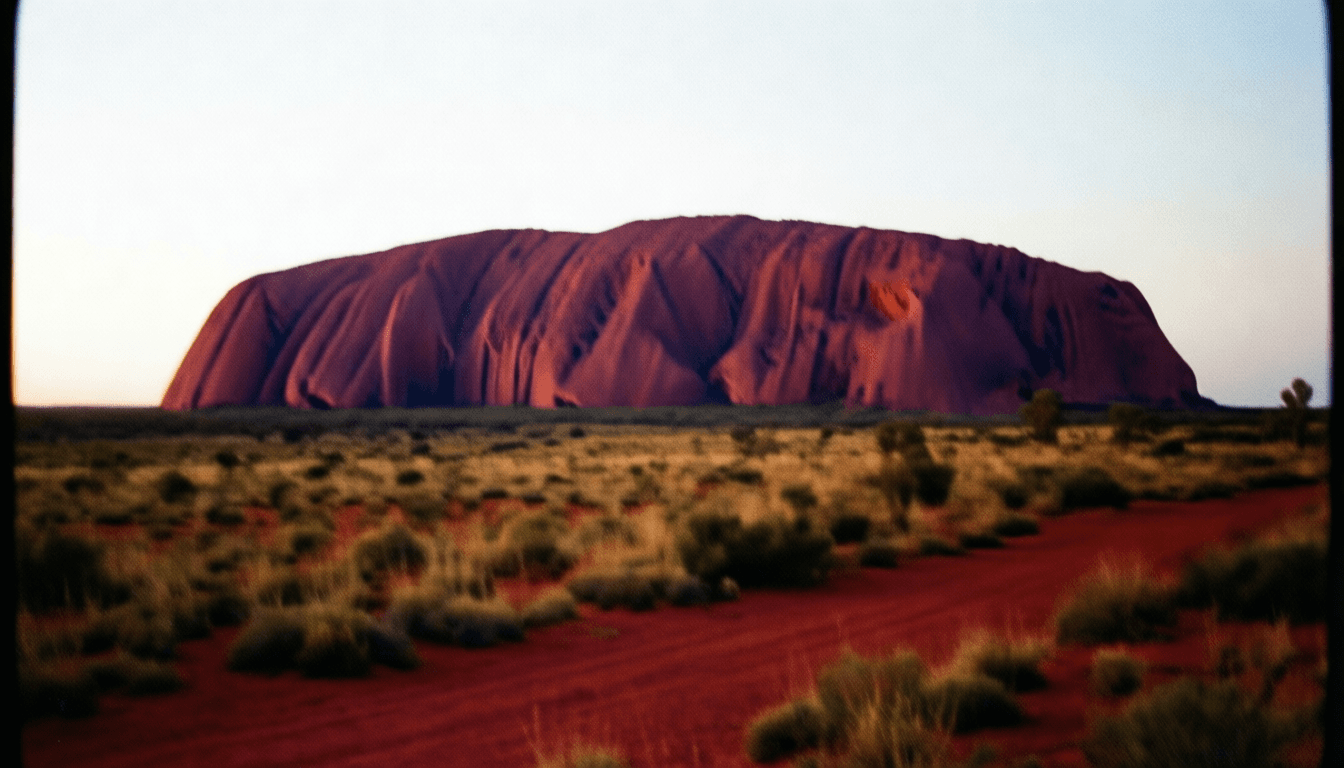
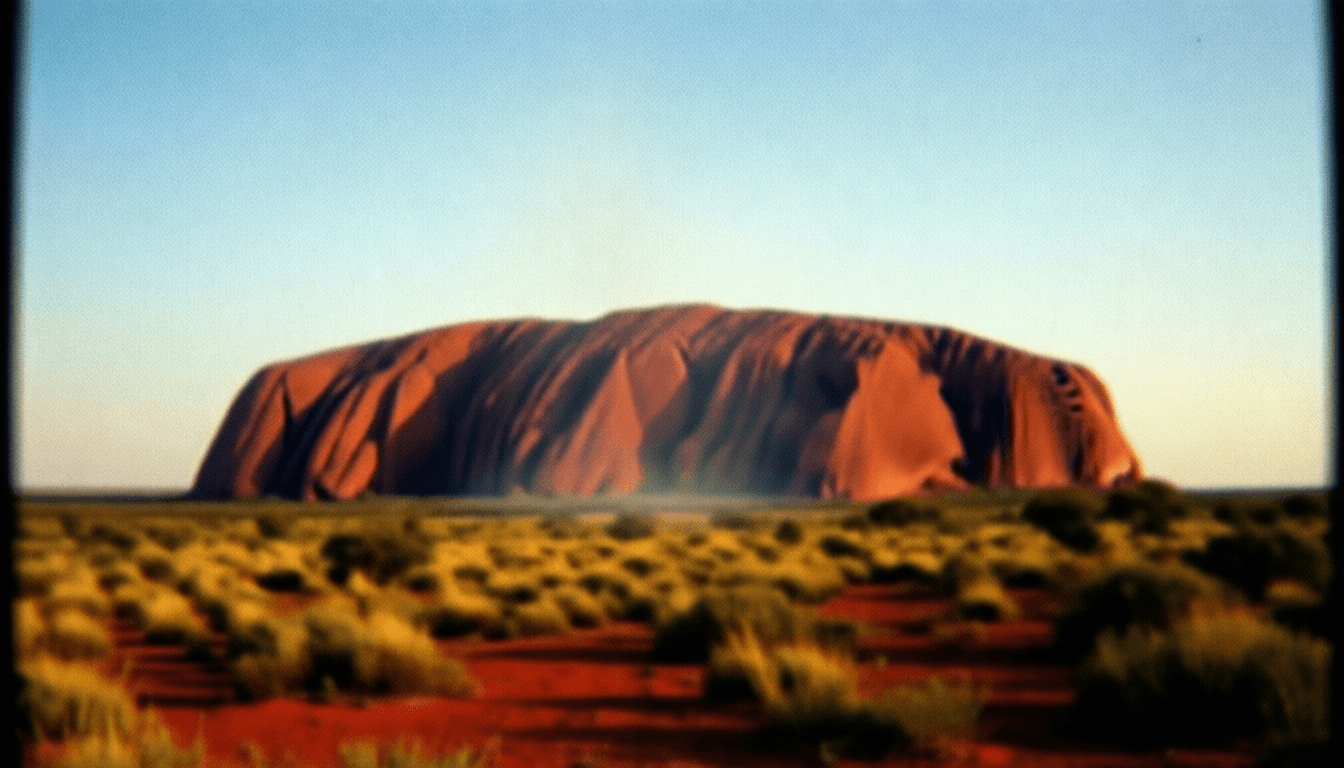
In the heart of Australia's Northern Territory, where the vast red earth stretches endlessly into a shimmering horizon, an improbable structure rises from the flat plains. This monumental sandstone monolith soars 348 meters into the sky, its circumference stretching 9.4 kilometers. Known to the world as Uluru, or Ayers Rock, this colossal geological formation shifts in color with the sun's trajectory. From a muted ochre at dawn to a fiery russet at midday, and transforming into a deep, luminous violet as twilight descends. In a landscape that numbs all else, Uluru stands alone in unparalleled solitude, a silent sentinel. To stand before it is to confront a presence profoundly ancient, so immense it seems to breathe, challenging our very understanding of geology and time.
Approaching Uluru reveals its true scale, dwarfing all else. What appears smooth from a distance transforms into a landscape of deep gullies, hidden caves, and sheer vertical faces, sculpted by millennia of wind and water. Geological surveys confirm Uluru is the remnant of feldspathic sandstone tilted nearly 90 degrees from its original horizontal bedding, part of a much larger, mostly subterranean rock layer. Yet its stark independence, rising abruptly from the Pimba Plain, has long baffled geologists. The prevailing scientific consensus attributes Uluru’s formation to immense geological forces over hundreds of millions of years, evidence of Earth's violent, tumultuous past. To its traditional custodians, the Anangu people, however, Uluru is more than just an ancient rock. It is a living, sacred archive, the visible manifestation of their ancestral beings, and the very foundation of their world. For over 30,000 years, they have walked its periphery, lived in its shadows, and woven its features into an intricate, unbroken narrative.
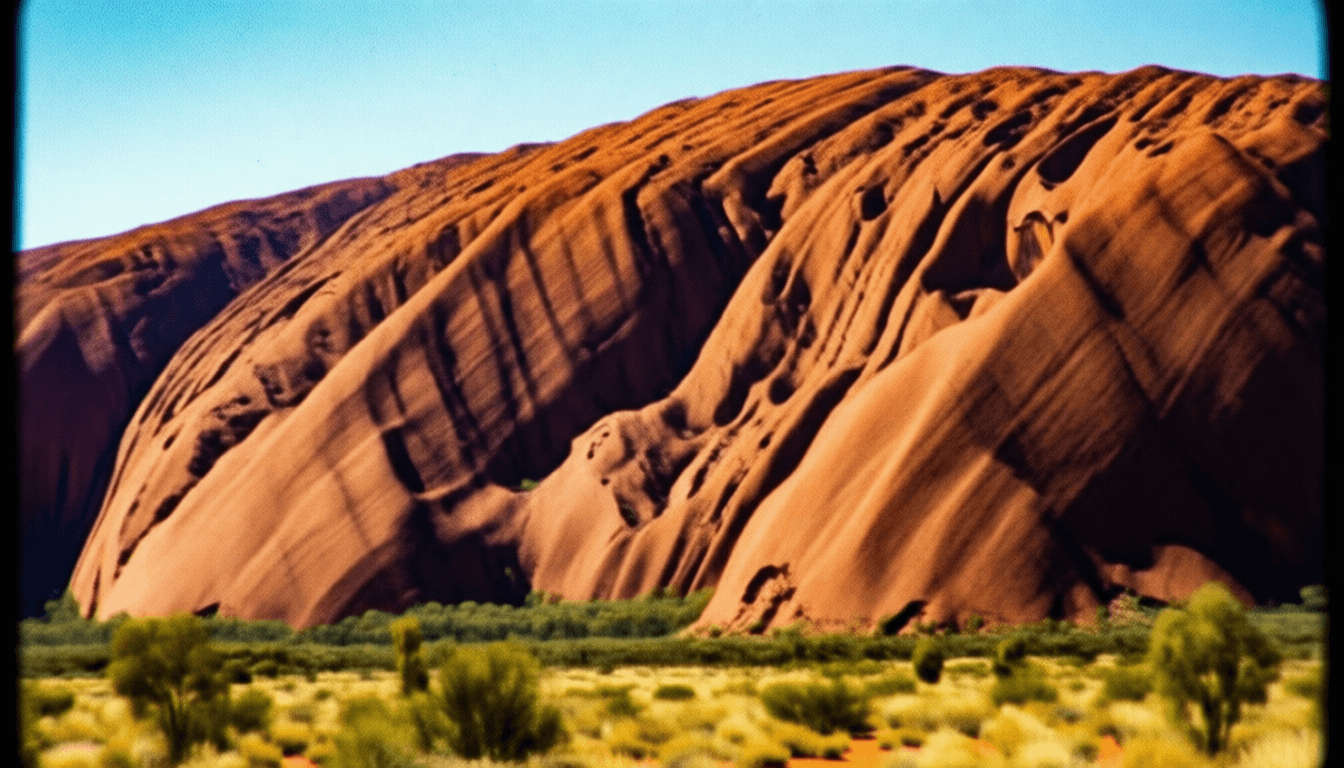
Where scientific explanation falters in accounting for the 'why' of Uluru's profound significance, the Anangu people’s 'Tjukurpa' – or Dreamtime – offers a parallel yet distinctly different understanding. Tjukurpa is not mere mythology; it is ancestral law, creation story, and a moral framework that explains the world. Every crack, every cave, every unique pattern on Uluru's surface is attributed to the actions of ancestral beings during the primordial creation period. Where geologists see erosion, the Anangu see the wounds inflicted by warring ancestors, the body of a coiled python woman, or the imprint of a wallaby's tail. How could an oral tradition, passed down with meticulous precision for tens of thousands of years, be so elaborately mapped onto the physical landscape with such consistent detail? This deep, almost symbiotic relationship between narrative and geography transcends simple storytelling; it suggests a profound, integrated system of knowledge that modern science struggles to categorize or fully comprehend.
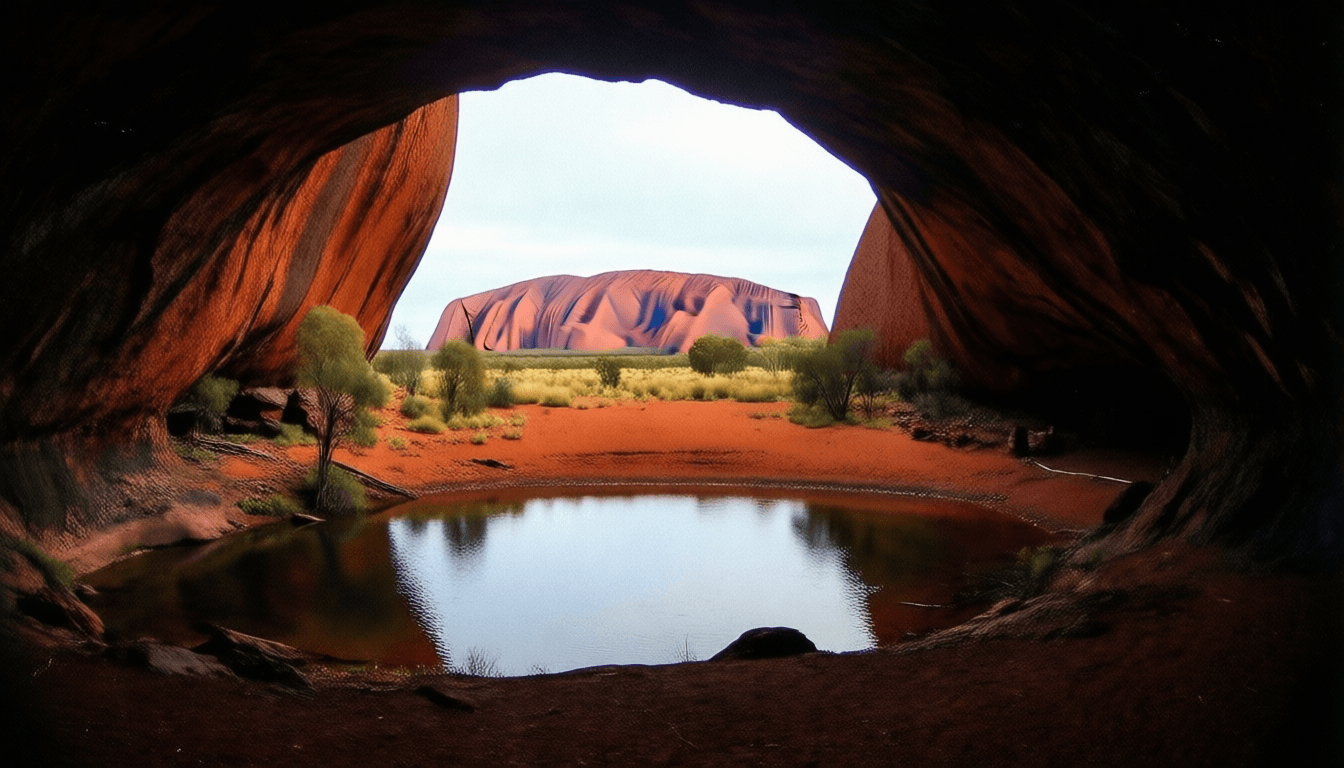
Uluru’s true anomaly lies not in its largely scientifically explainable geological formation, but in the persistent, literal truth the Anangu people ascribe to its every part. The rock is a physical manifestation of creation, its features direct evidence of events that transpired in the Tjukurpa. Consider the deep vertical fluting on its sides, which Western observers might attribute to water erosion. To the Anangu, these are the scars left by the epic battle between Kuniya (the python woman) and Liru (the venomous snake man) for justice. The shallow waterholes, which remarkably retain water even in the harsh desert, are considered vital spiritual pools, directly connected to ancestral beings. The precision with which these narratives align with distinct physical features, and the consistency with which these stories have been transmitted across generations without a written language, point to an incredibly ancient and astonishingly accurate system of knowledge. Here, story is landscape, and landscape is history, inscribed in stone and preserved in ceremony for longer than any other known human civilization. This parallel, ancient mode of understanding the world, directly integrated with the physical environment, challenges the very notion of how history and reality are recorded and comprehended.
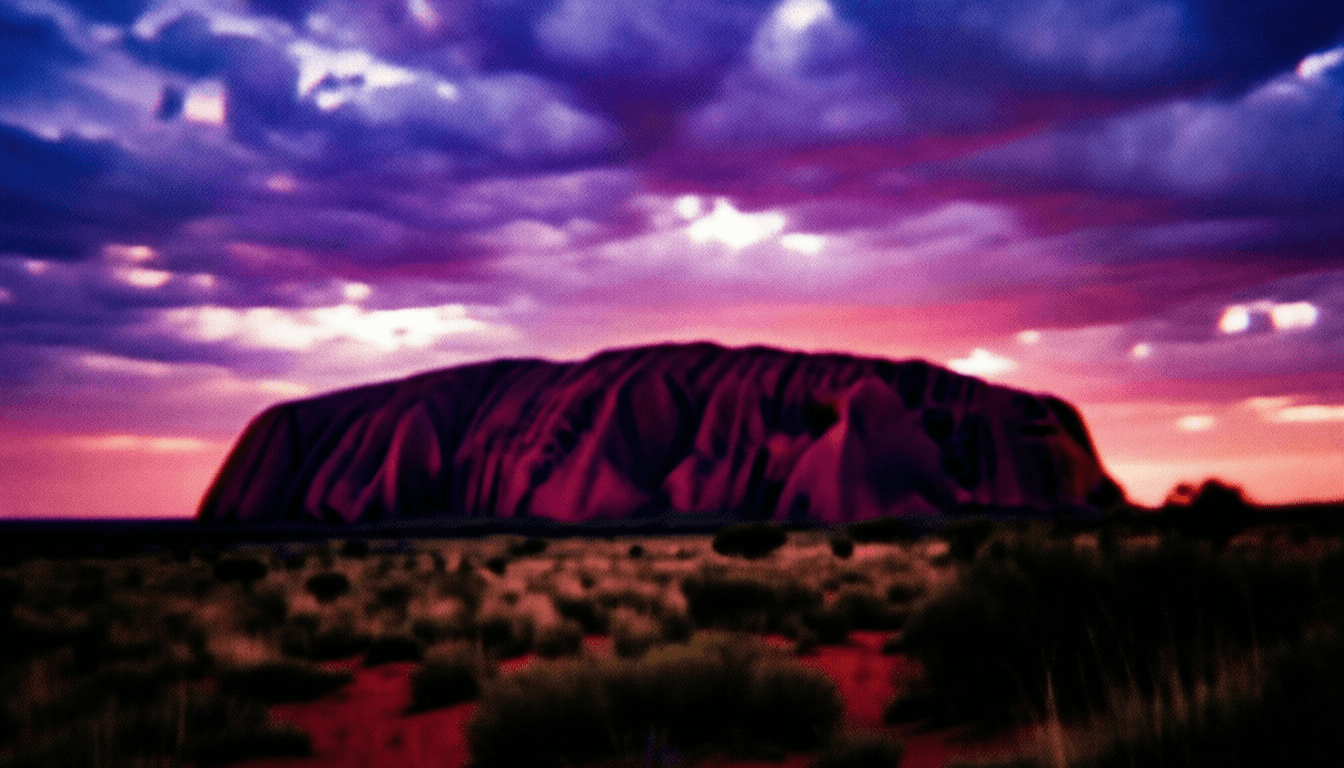
As the day's last light paints Uluru in hues of violet and rose, its monumental form once again melts into the silhouette of eternity. The geological marvel stands resolute, a testament to Earth's colossal, slowly churning processes. Yet, superimposed upon this observable reality is the profound, unbroken narrative of the Anangu people, preceding and transcending Western scientific interpretation. Uluru remains a colossal enigma, not just for its physical grandeur, but for its profound duality: a rock of ancient geological secrets and a sacred, sentient landscape imbued with the spirit of creation. We are left to ponder whether our modern empirical lens is truly sufficient to grasp such a phenomenon, or if Uluru, as the Anangu believe, truly echoes with the living stories of ancestral beings, forever imprinted in its colossal form, whispering secrets to those who truly listen. Some wonders choose to reside beyond the full scope of human comprehension, forever inspiring awe and humility.
[ CLASSIFIED VERDICT ]
[ACCESS LOG - SOURCE FILE]
This story is about Uluru, a monumental sandstone monolith located in Australia's Northern Territory. While scientifically explained as a geological formation spanning hundreds of millions of years, to its traditional custodians, the Anangu people, Uluru is a visible manifestation of ancestral beings and a living sacred archive etched with their 'Dreamtime (Tjukurpa).' The narrative explores the contrast between scientific explanations and the Anangu people's sacred interpretations, revealing Uluru's profound duality and the challenge it poses to how we understand the world.