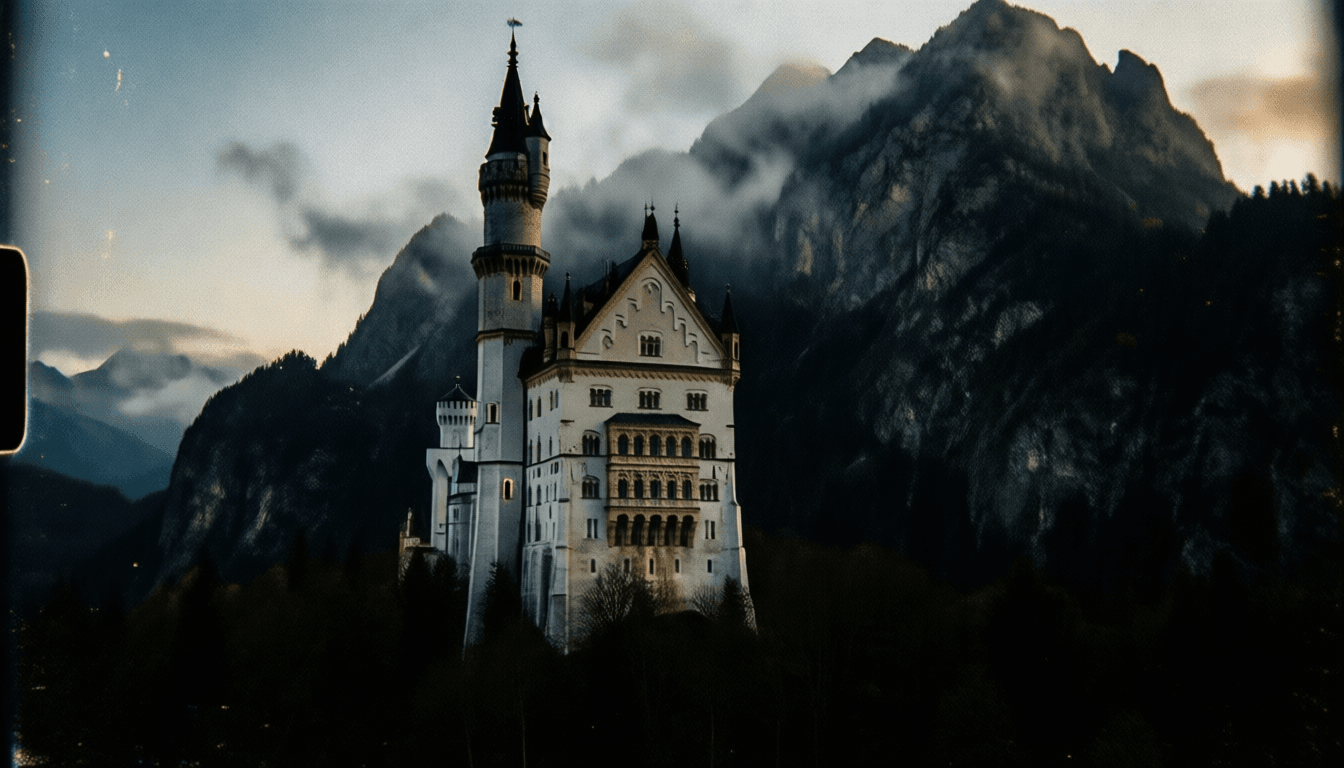
Castle of Dreams, King of Madness: The Neuschwanstein Mystery
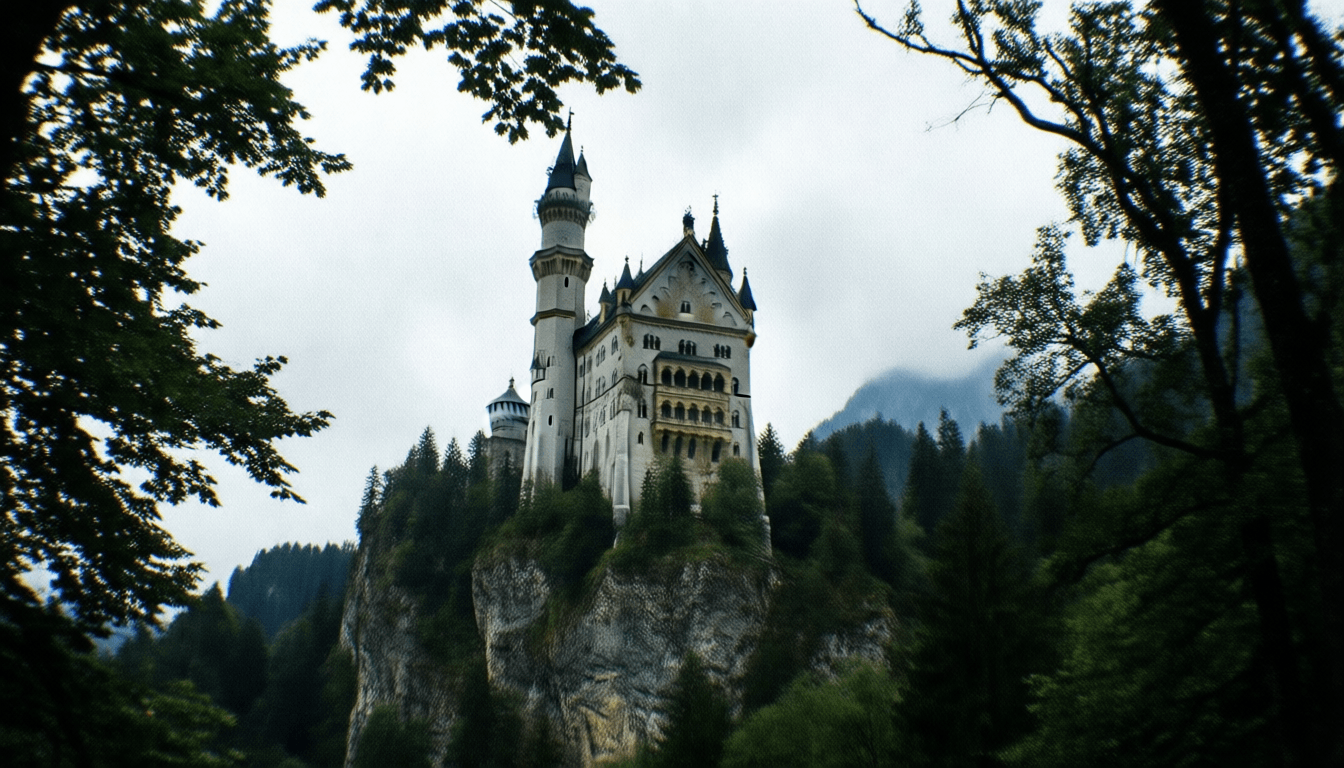
High on a rugged rocky pinnacle in the Bavarian Alps of Germany, a structure defies both the landscape and the currents of its era. With its fantastical silhouette of limestone-carved towers and spires, Neuschwanstein Castle is not a medieval stronghold of formidable power, but a monument erected in the late 19th century, precisely when the tides of industrialization and modernity were just beginning to surge. Famed worldwide and even inspiring the emblem of a global fantasy corporation, the castle draws millions of visitors annually. Yet, behind its picturesque perfection lies a profound historical paradox: the unprecedented personal dream of a monarch obsessed with myth and solitude, a dream that ultimately led to his downfall, leaving behind a magnificent, yet enigmatic, testament to human imagination.
To approach Neuschwanstein is to confront a marvel of logistical prowess and an enigma of intent. Initiated in 1869 by King Ludwig II of Bavaria, the castle was a colossal undertaking. Hundreds of skilled artisans, engineers, and laborers toiled for over a decade, transporting thousands of tons of building materials – marble, sandstone, bricks – up treacherous mountain paths. Steam cranes and even a dedicated narrow-gauge railway were employed. The very location, an isolated rocky peak 200 meters above the valley, necessitated massive excavations to level the pinnacle and lay new foundations. While its exterior embraced medieval aesthetics, its interior boasted astonishingly advanced features for its time, including central heating, flush toilets, and even a telephone system powered by its own generated electricity. Yet, this was no defensive fortress, nor a hub of political power. It was purely a private sanctuary and a stage for one man's complex inner world, a romantic homage to the operas of his fervent patron, Richard Wagner, and to German mythology.
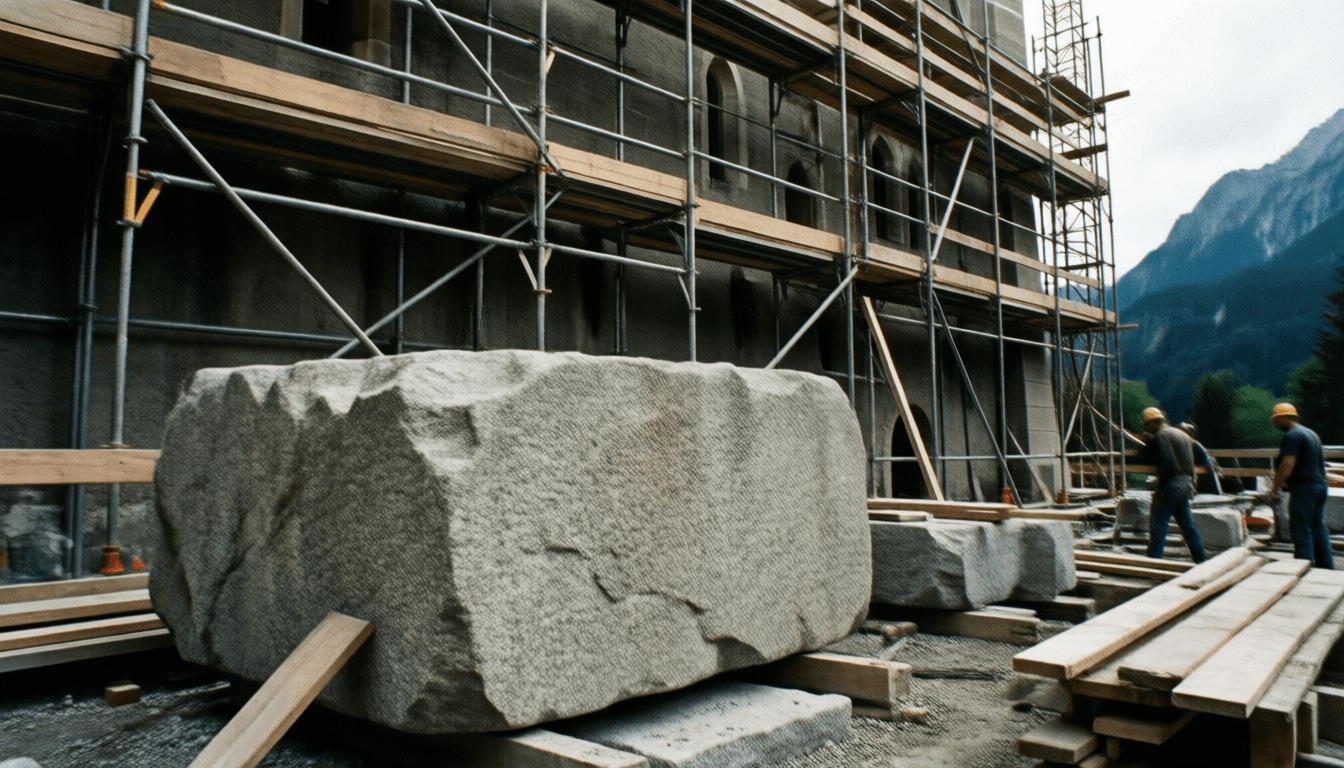
Rational thought struggles to reconcile the immense effort and staggering cost – today amounting to hundreds of millions of dollars – with the castle's ultimate purpose: near-perfect reclusion. Neuschwanstein was never fully completed, and Ludwig II himself spent a mere 172 days within its opulent, often unfinished, walls. It was a project pursued with almost feverish intensity, even as it drained royal coffers and escalated Bavaria's national debt to alarming levels. While his ministers grappled with the realities of statecraft and the encroaching industrial age, Ludwig retreated ever deeper into his architectural fantasies, not only Neuschwanstein but also Linderhof and Herrenchiemsee. His increasing seclusion and irrational spending on palace construction over the welfare of his kingdom reached a critical turning point. A medical report, perhaps politically motivated, declared him insane and unfit to rule, leading to his deposition in June 1886. The logic of governance and national responsibility seems to dissolve before the singular, unwavering vision that birthed Neuschwanstein.
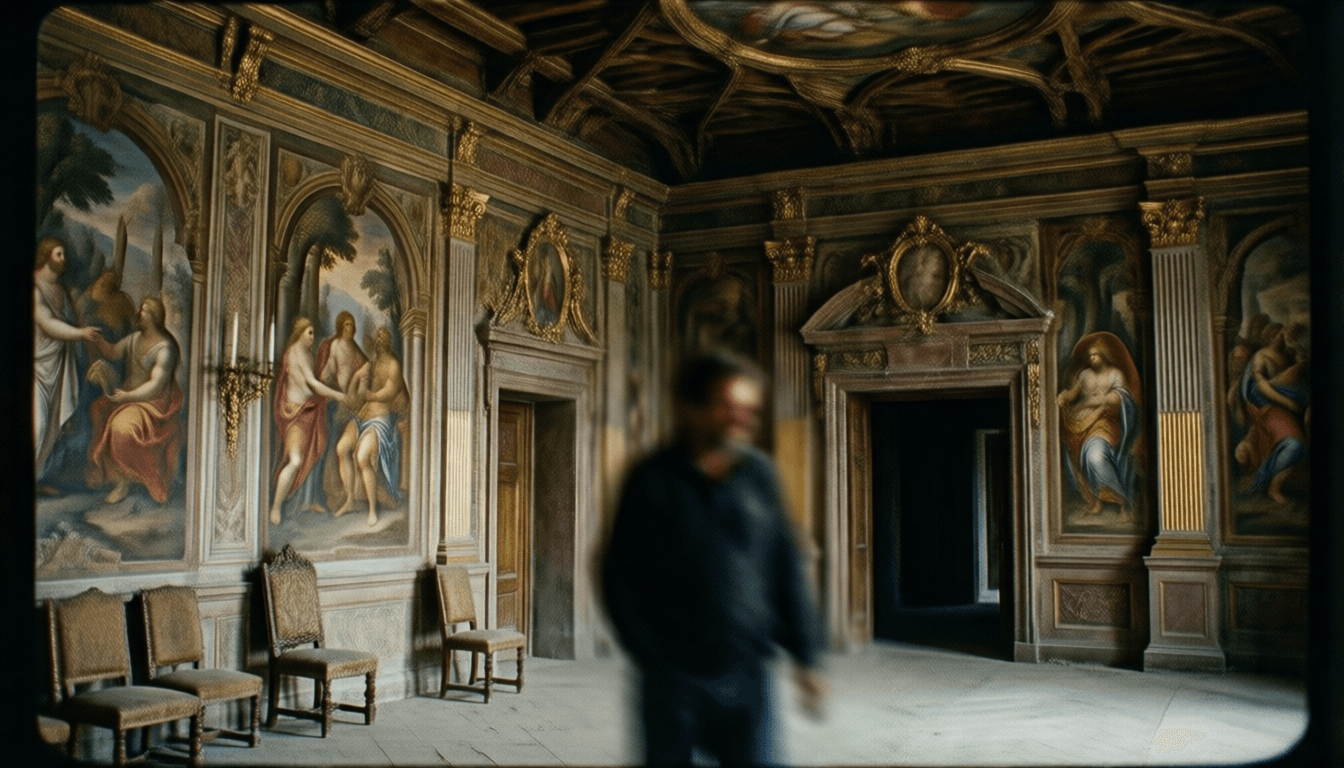
The enduring mystery of Neuschwanstein lies not in its well-documented construction methods, but in the psychological landscape that gave it birth. It is a physical embodiment of a profound and unparalleled disconnect between a monarch and the world he inhabited. It is a meticulously crafted escape, a monumental act of withdrawal, and the outcome of an almost pathological obsession with an idealized past in an era hurtling towards the future. Ludwig II did not merely build a castle; he sought to construct a sanctuary where his operatic fantasies could unfold, free from the duties and disillusionments of reality. The sheer scale of this personal delusion, or perhaps artistic genius, is without parallel in architectural history. The castle itself, with its 'Throne Room' devoid of a throne, and its elaborate frescoes depicting scenes from mythical German epics, is a mirror to the mind of a man who chose myth over reality, beauty over practicality, and solitude over society. It is a dream rendered in stone, a testament to the colossal power of human will when unshackled from conventional constraints.
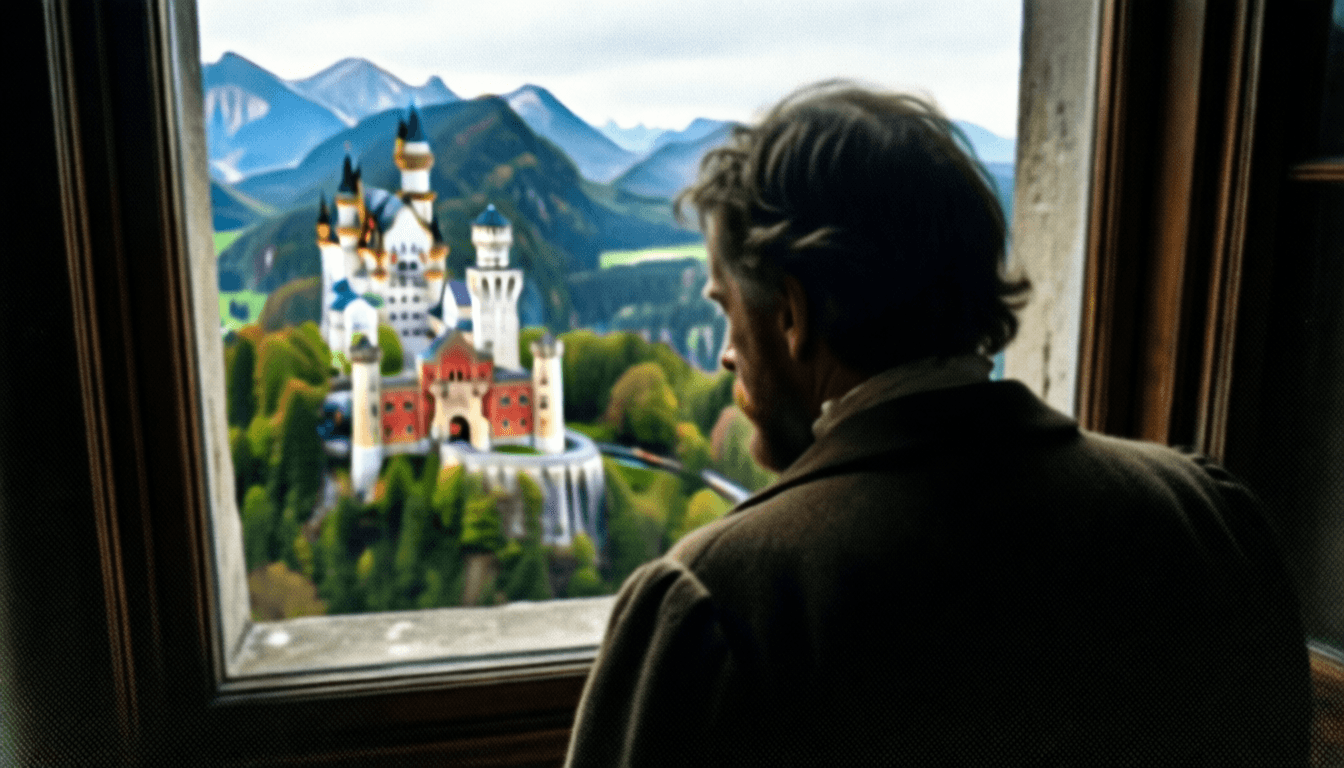
Today, Neuschwanstein stands silently above the Pöllat Gorge, its spires piercing the Bavarian sky. Millions walk its halls, marveling at its artistry and grandeur, yet the true essence of its genesis remains elusive. Was it the creation of a mad king, lost in his own fantasies, or the work of a prescient artist who, despite the strictures of his crown, sought to manifest an unparalleled personal vision against the grain of his era? The records tell us what was built and how it was built, but the underlying why that drove such an impractical, beautiful, and ultimately ruinous endeavor does not yield to full comprehension. As shadows lengthen over Hohenschwangau, the castle stands as a majestic, unresolved question, a testament to the profound and often inexplicable depths of human aspiration, inviting contemplation on the blurred line between genius and folly, and the enduring power of a singular great dream etched forever onto the bedrock of history.
[ CLASSIFIED VERDICT ]
[ACCESS LOG - SOURCE FILE]
Neuschwanstein Castle is an ethereal palace built by Bavaria's "Mad King" Ludwig II in the 19th century, driven by personal dreams and an obsession with German mythology. His architectural fervor, a means of escaping reality, ultimately bankrupted the royal treasury and led to his deposition and mysterious death. This entire narrative remains a tragic legend widely retold to this day.