Nature's Self-Building Wonder: Plitvice Lakes National Park
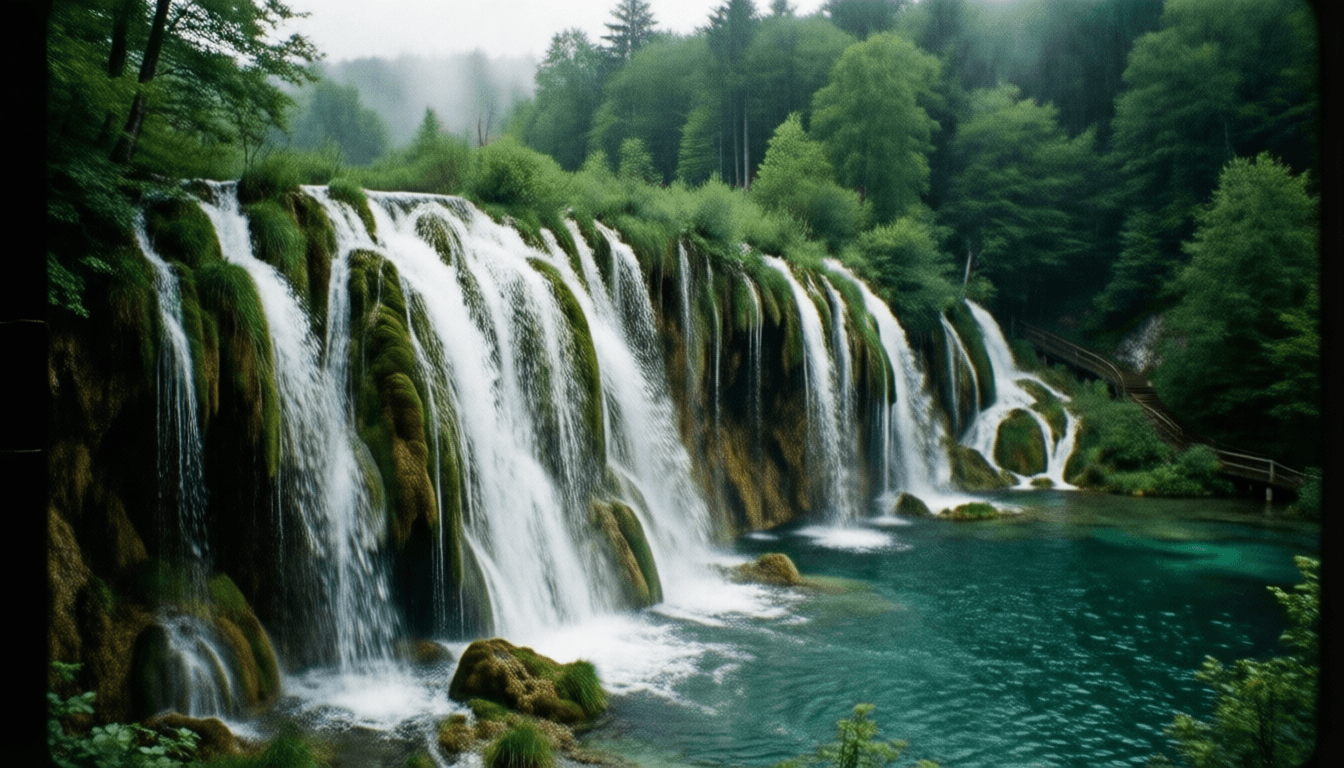
Deep within the ancient forests in the heart of Croatia lies a landscape that seems born from a dream, yet is astonishingly real. Sixteen terraced lakes connect endlessly, forming an emerald tapestry, and water cascading over travertine barriers creates a mutable spectacle of blues and greens that defy simple geological explanation. Designated a UNESCO World Heritage site since 1979, Plitvice Lakes National Park is celebrated not only for its breathtaking beauty but also for the unique and perpetually dynamic hydrological and geological processes that make it one of Earth's most captivating natural mysteries.
Beyond admiring the waterfalls plummeting into liquid jewels, visitors are left to wonder: how can such a dynamic, perfect, almost sculpted system construct itself, day after day, year after year? To truly comprehend Plitvice, one must delve deeper into its intricate network. While the park spans nearly 300 square kilometers, its soul lies in the system of upper and lower lakes, interconnected by countless streams, caves, and, most notably, its unique geological structures: the travertine barriers.
These barriers are the architects of the lakes themselves. They are not merely static stone but living, calcifying structures built by micro-organisms, algae, and mosses interacting with highly mineralized water. Standing at the edge of Veliki Slap, the park’s highest waterfall, the sheer volume of water pouring over barriers that appear both ancient and perpetually new immediately provokes the fundamental question of how such a mutable masterpiece is formed and maintained.
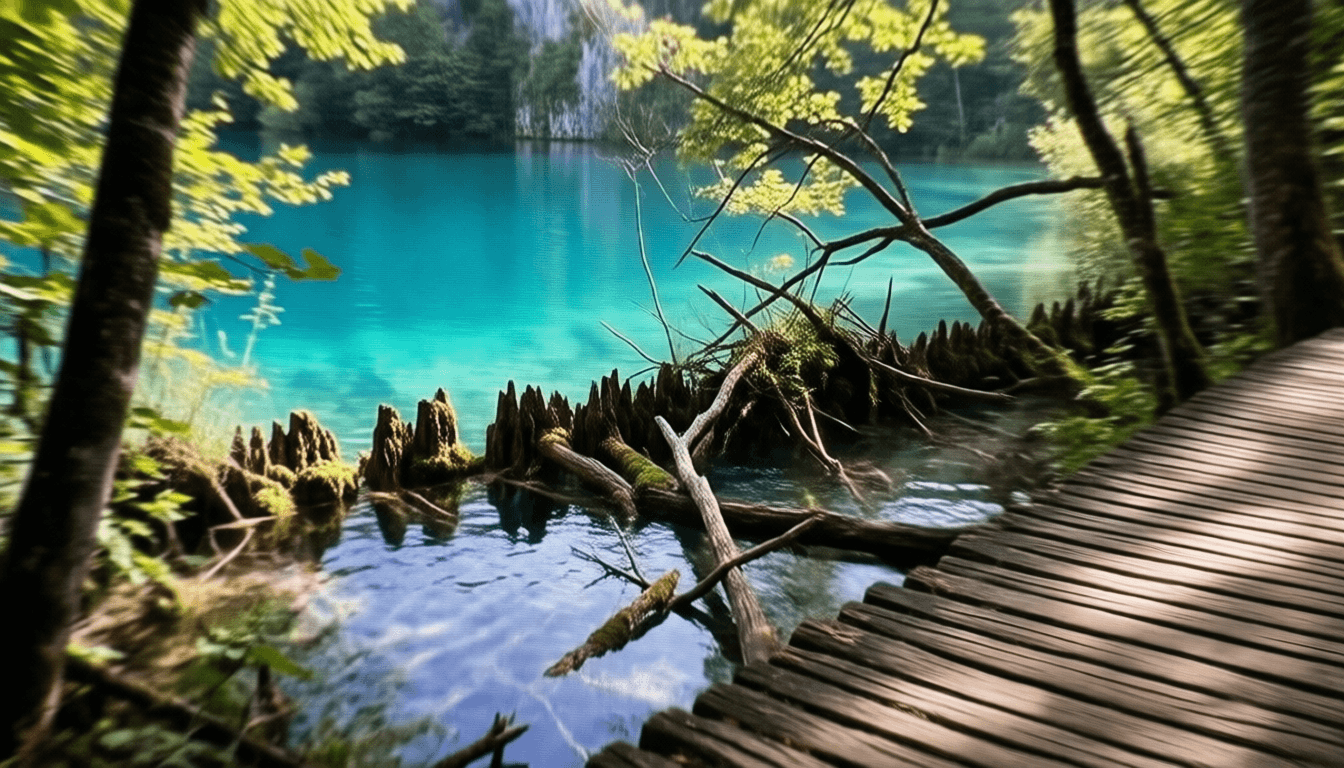
Scientists have long studied Plitvice, uncovering key hydrogeological conditions: the highly porous karst topography, the surrounding dense forests that purify the water, and above all, the precise balance of calcium carbonate saturation. Yet, the rate and precision of travertine formation remain a profound subject of study. These barriers grow several millimeters annually, undergoing a delicate bio-mineralization process that forms dams, terraces, and waterfalls with an almost intelligent design.
Why here, and perhaps nowhere else on Earth to such a rich and intricately organized degree, does this occur? Early accounts invoke mythical figures like the "Black Queen" or "Emerald Queen," whose tears of sorrow or joy are said to have created the lakes and their ever-changing colors. This enchanting legend illustrates humanity's age-old attempts to rationalize the profound self-organizing capabilities of this natural system.
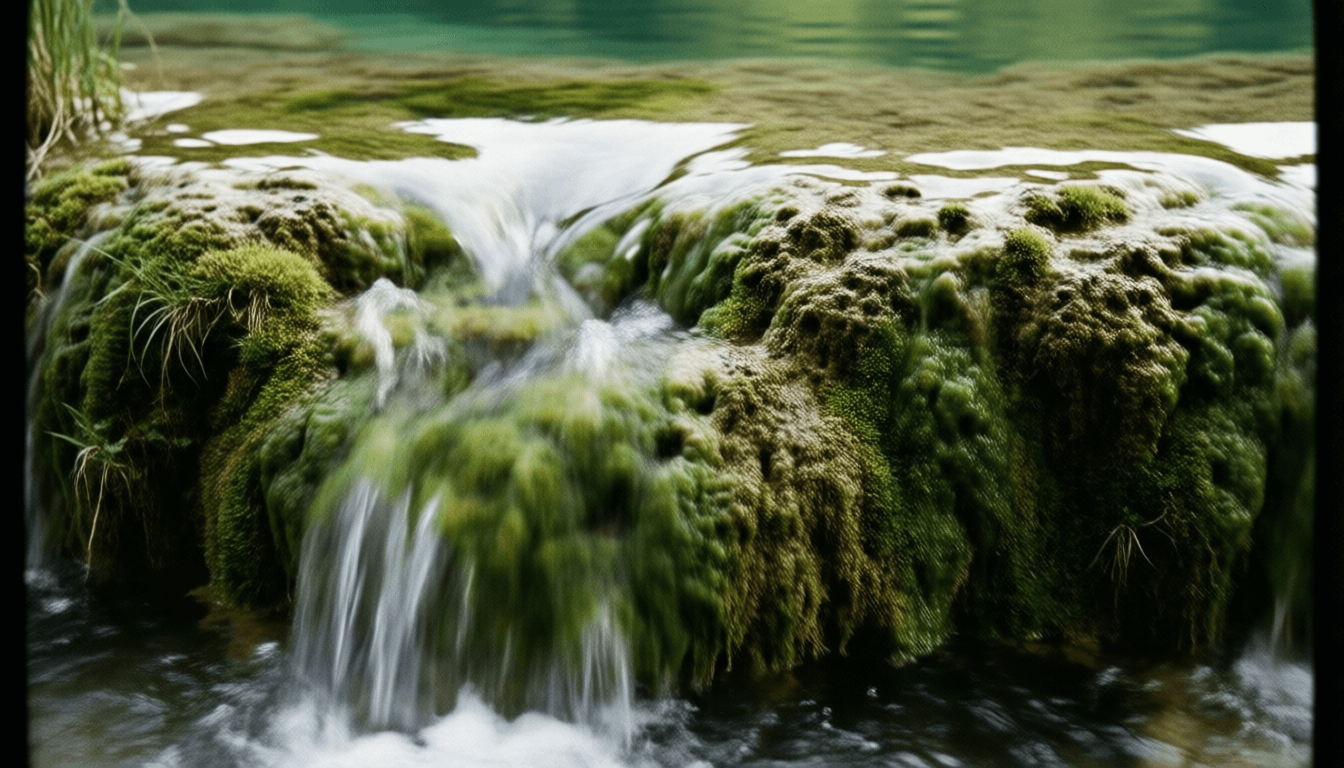
And those capabilities still challenge our most sophisticated models today. The true marvel of Plitvice, its core anomaly, lies in its perpetually self-constructing process. These are not static dams. Travertine is not merely deposited as sediment; it is a dynamic, growing organism of stone and water.
It slowly turns to stone, often forming porous structures resembling intricate moss gardens. This creates new channels, alters water flow, and even changes the course of existing waterfalls. The lakes themselves are a testament to this ceaseless transformation. Their vivid colors—from azure to emerald to deep blue—shift constantly with mineral content, the angle of the sun, and the microorganisms thriving within the water.
Plitvice is a landscape that builds itself. Its geological timeframe for tearing down old structures and erecting new ones is astonishingly fast. It is a process of incessant creation and recreation that humanity can observe but not fully replicate or even perfectly predict.
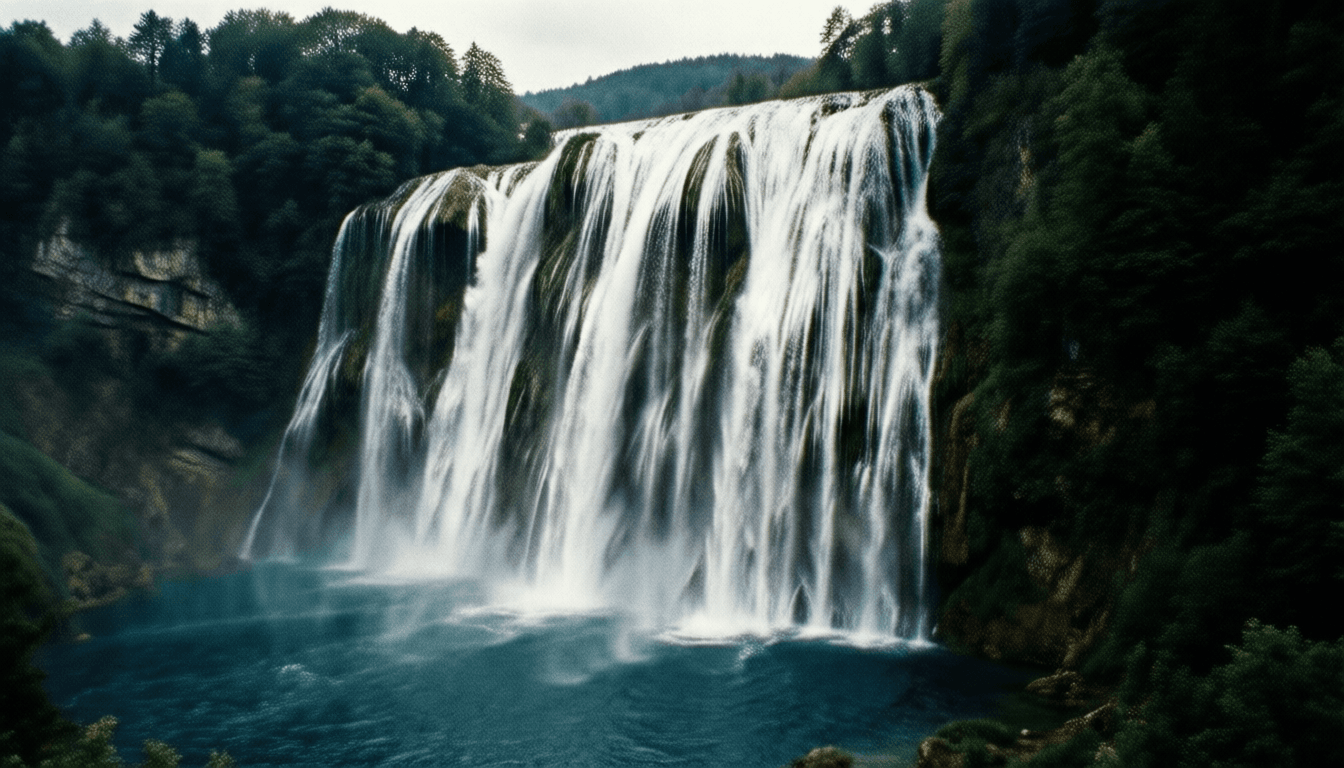
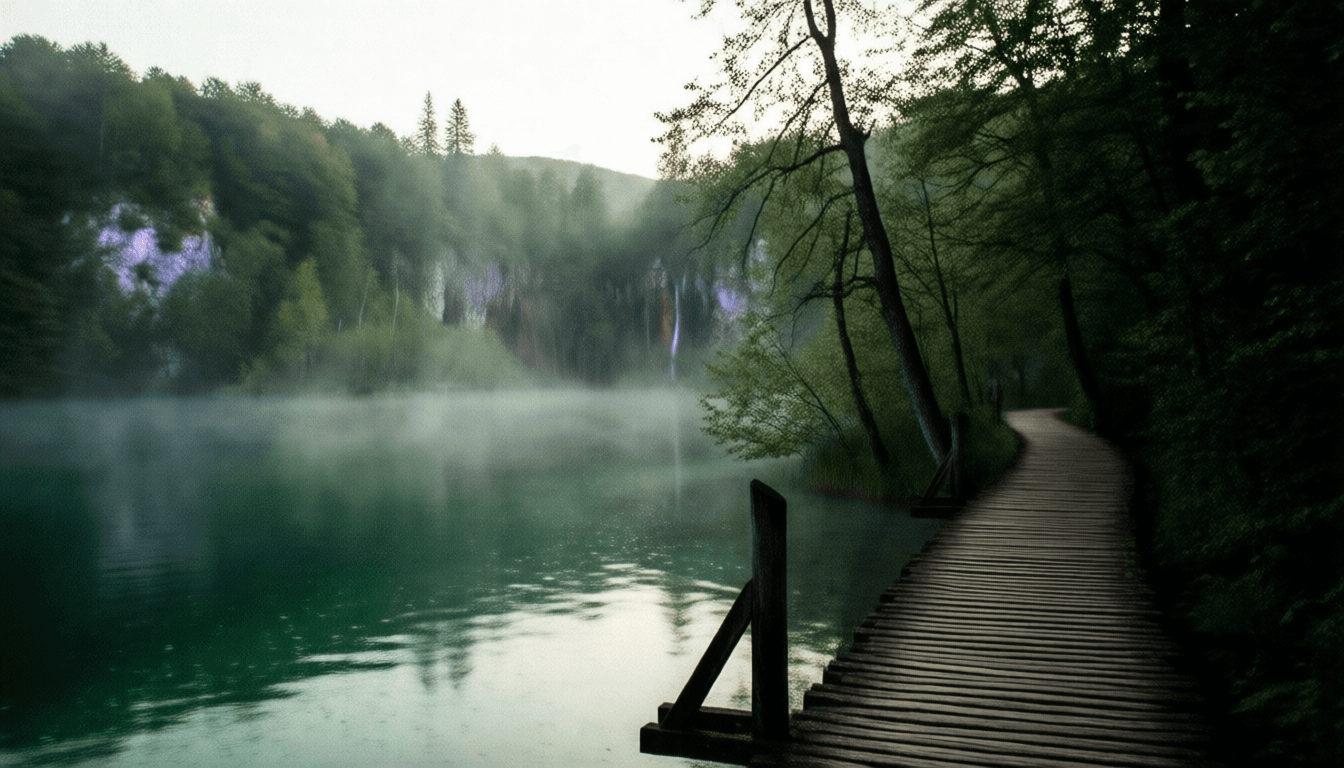
Walking the wooden pathways of Plitvice is to witness Earth's living architecture in its most sublime form. The roar of newly formed waterfalls, the whisper of water flowing over ancient moss-covered barriers, the kaleidoscopic shift in lake colors—all tell a story of constant, subtle yet powerful transformation.
Plitvice is not merely a collection of beautiful lakes and waterfalls; it is a profound testament to nature's complex and self-organizing power. It is a living entity, constantly rebuilding, redefining, and reshaping itself, its inherent intelligence still beyond our complete understanding. As mists rise over its emerald depths, we cannot help but feel awe, recognizing that some of Earth's greatest wonders operate on principles so elegant, so intricate, and so grand that they remain a magnificent mystery, enduring forever.
[ CLASSIFIED VERDICT ]
[ACCESS LOG - SOURCE FILE]
This story delves into the mystery surrounding the unique travertine barrier formation process at Plitvice Lakes National Park in Croatia. Specifically, it references ancient legends of the "Black Queen" or "Emerald Queen," whose tears are said to have created the lakes and their vibrant colors, symbolizing humanity's age-old attempts to comprehend nature's marvelous self-organizing capabilities.