Great Zimbabwe: The Silent Mystery Carved in Stone
In the late 19th century, European explorers and miners venturing into the South African highveld encountered a marvel of architecture they believed impossible for the region. Massive granite walls, rising dramatically from the savanna, were intricately stacked without mortar, forming extensive enclosures and towers. Early reports spoke of an 'immemorial ancient city,' immediately fueling sensational speculation that these ruins must be the work of ancient Phoenicians, Egyptians, or even the Queen of Sheba – anyone, it seemed, but the indigenous peoples who had inhabited these lands for millennia. This now widely criticized colonial skepticism paradoxically poses our first deep mystery: Who built this remarkable complex, and why were their achievements so incomprehensible to outsiders?
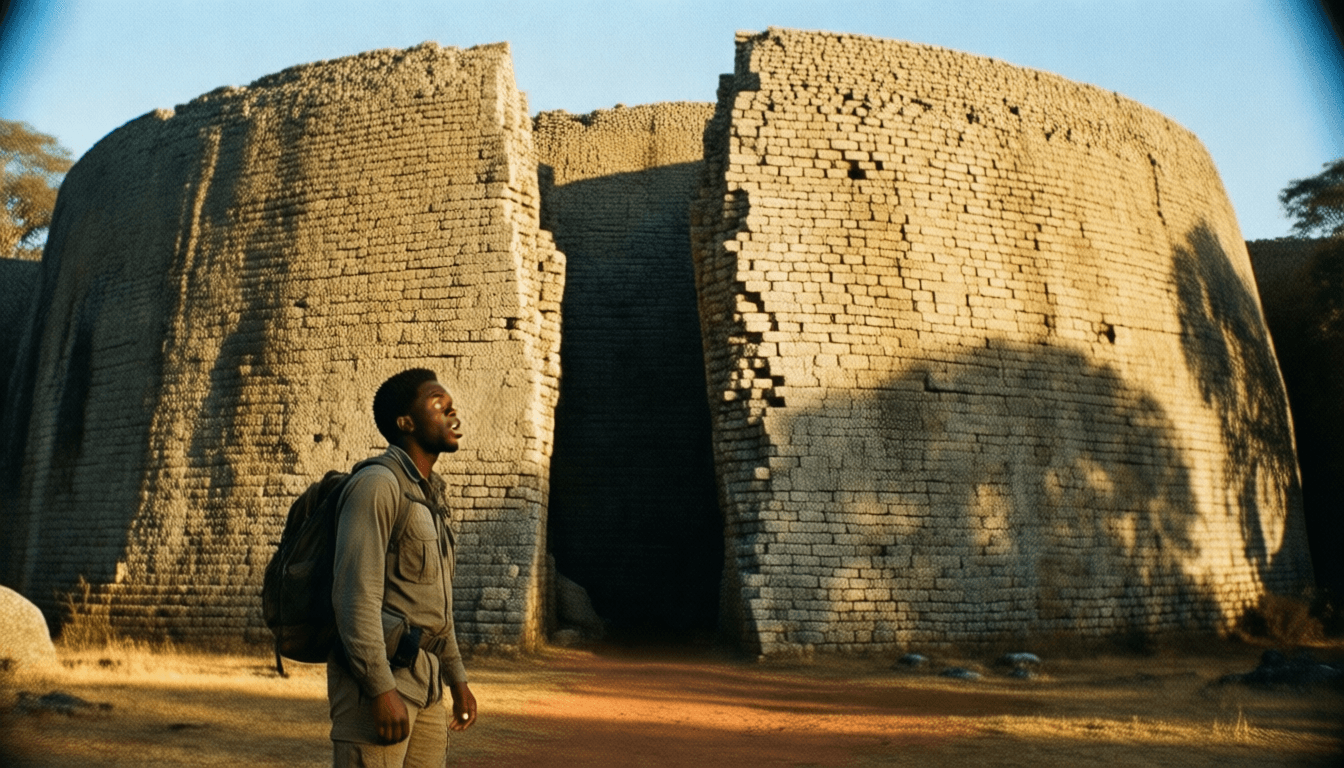
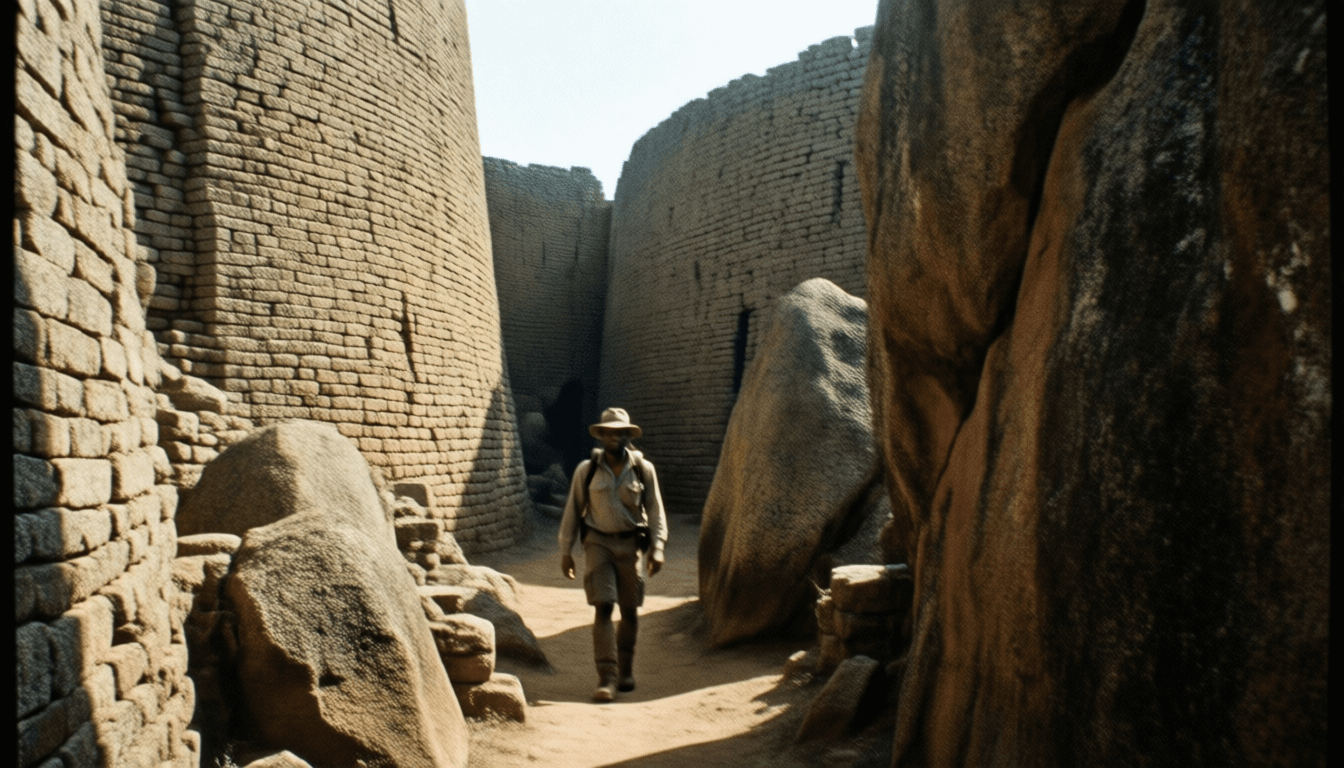
Our journey begins at the foot of these colossal structures, specifically the ‘Great Enclosure.’ Its walls, reaching 11 meters high and 5 meters thick at the base, form a massive elliptical structure. The dry-stone masonry, where granite blocks are meticulously cut and fitted without mortar, has stood firm against natural erosion for over seven centuries. Defying gravity and logic without any binding agent, this architecture is a marvel in itself. As we pass through narrow, winding passages, we note the organic architectural style, devoid of right angles, as if mimicking the natural rock formations of the surrounding landscape.

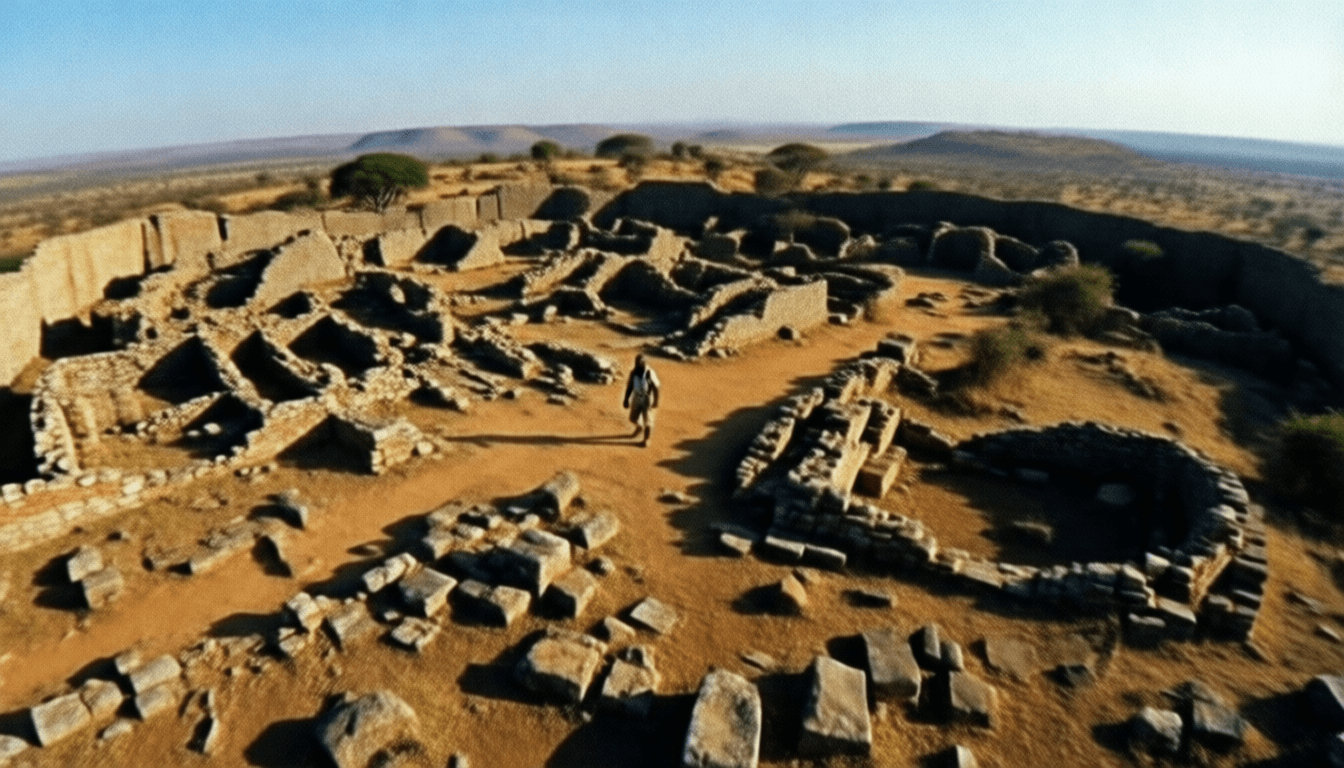
Next, we ascend to the ‘Hill Complex,’ perched atop a granite outcrop. Here, walls integrate seamlessly with natural boulders, forming a labyrinth of rooms and ritual spaces. The immense human effort, geological understanding, and organizational capacity required for such construction are difficult to reconcile with simple explanations.
Delving deeper, the mystery only intensifies. Today, undeniable archaeological evidence overwhelmingly points to the Shona people and their ancestors, active from the 11th to the 15th centuries, as the builders of these structures. This dispels early colonial myths but replaces them with an even more profound question: How did they do it? How could a civilization, leaving no records of building techniques or blueprints, achieve such monumental and sophisticated engineering? There's no trace of wheeled transport to move massive granite blocks weighing tons from distant quarries, nor evidence of large-scale ramps or complex scaffolding.
The sheer volume of material, the precise shaping, and the intricate stacking without mortar represent an enormous engineering and labor achievement. Yet, the methods of construction remain largely unknown, relying only on inference. The stones themselves offer no direct answers, only silent testimony to an extraordinary and forgotten technology.
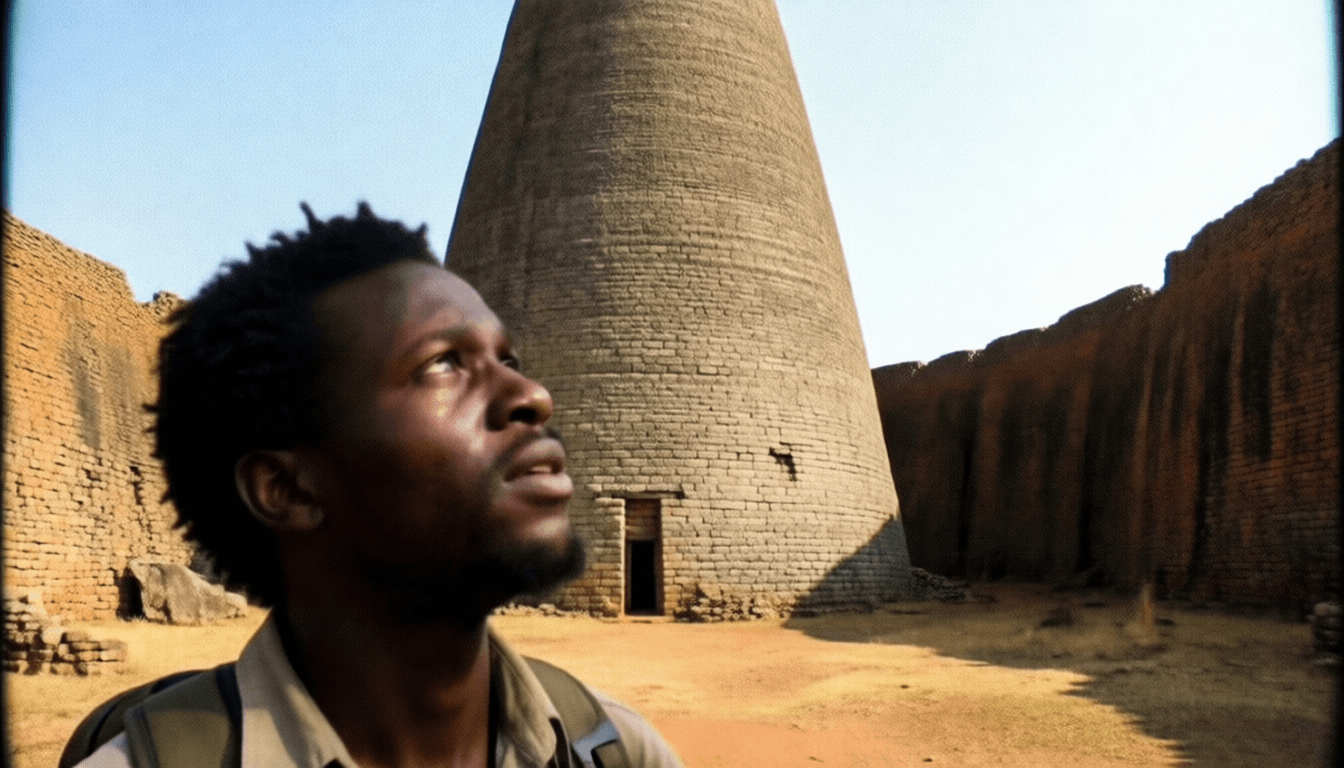
Within the Great Enclosure, we encounter one of Great Zimbabwe’s most enigmatic features: the ‘Conical Tower.’ Standing over 5 meters high with a base circumference of 5.5 meters, this solid, mortarless granite structure rises perfectly from the ground. With no steps, no interior space, and no apparent defensive role, its function remains a question. Was it a granary, a symbol of fertility, an astronomical marker, or something entirely different? Its presence within a sacred enclosure implies profound symbolic importance, but its true meaning is lost to time and remains a subject of debate.
Adding to these enigmas are the ‘Zimbabwe Birds.’ Eight soapstone sculptures found within the ruins depict stylized birds perched on columns. With their unique artistry and symbolism, these sculptures are presumed to have held immense spiritual and totemic significance, perhaps representing ancestral spirits or deities. Some fragments were broken, and some were looted during the colonial era, only recently being repatriated. These richly symbolic artifacts further underscore a complex belief system and cultural identity that we can only glimpse, never fully comprehend. They stand as silent artistic emissaries from a forgotten era.
As the sun casts long shadows over the ancient walls, Great Zimbabwe leaves us with an enduring sense of awe and profound curiosity. A UNESCO World Heritage site, it stands as testament to a powerful, wealthy, and sophisticated kingdom that once dominated vast trade routes across Southern Africa, exchanging gold and ivory for exotic goods from as far away as China. Yet, the reasons for its eventual abandonment around the 15th century are only conjectured, attributed to complex factors such as environmental degradation, resource depletion, and shifts in trade routes.
What remains for us are the stones themselves: an eternal monument to human ingenuity, a silent epic of a highly organized society whose methods and motivations for construction on such a colossal scale still elude our complete understanding. Great Zimbabwe, despite relentless archaeological investigation, reminds us that some monumental achievements of the past still retain their enigmatic power, standing as enduring symbols of forgotten knowledge and the vast, unwritten chapters of human history. The true story of its builders, both intricate and awe-inspiring, is etched forever into the very fabric of the landscape, inviting endless contemplation.
[ CLASSIFIED VERDICT ]
[ACCESS LOG - SOURCE FILE]
The Great Zimbabwe ruins, located in the South African highveld, have been an object of awe and mystery since their discovery by European explorers in the late 19th century. The massive granite structures, meticulously stacked without mortar, were deemed too sophisticated to be the work of indigenous peoples by the Europeans of that era, leaving profound questions about who built this monumental city and how. Although now confirmed to be the work of the Shona people, the construction techniques used to transport and stack tons of stone remain an unsolved enigma.