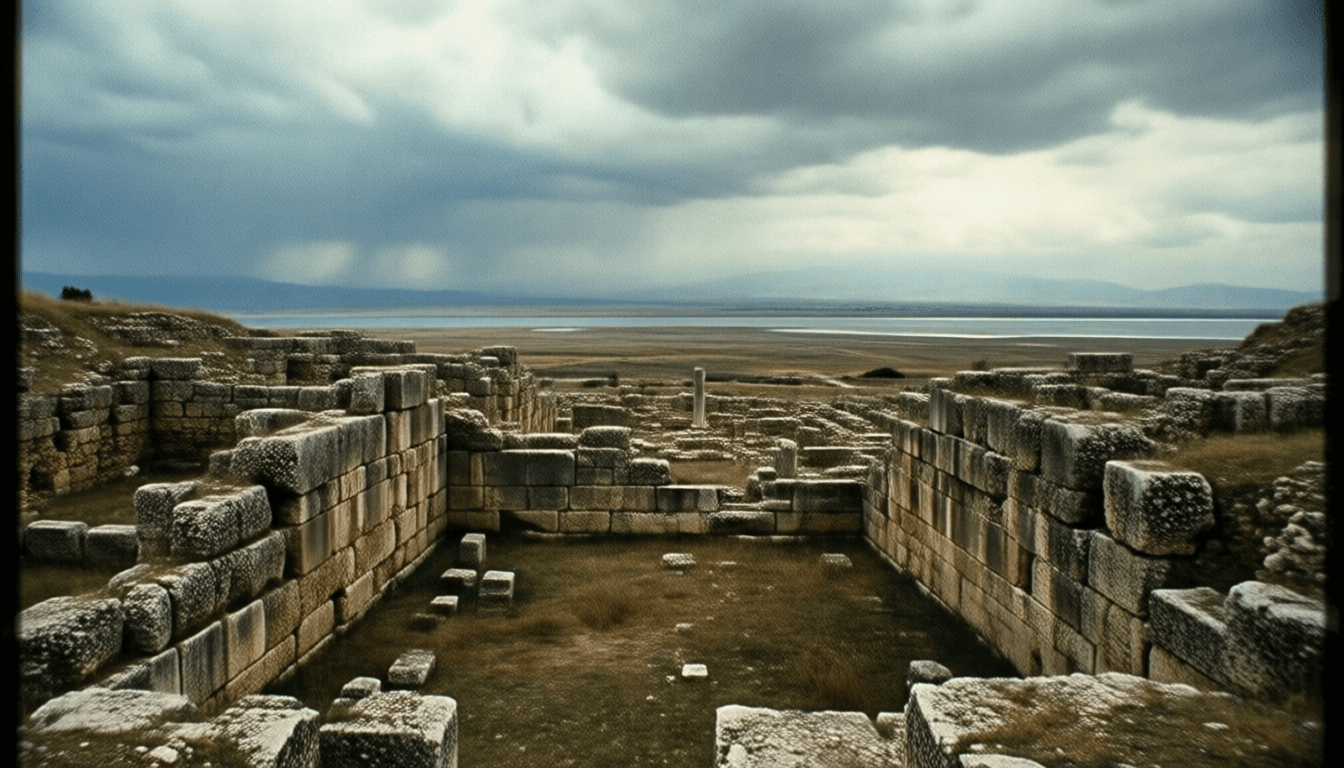
The Whispers of Troy: Where Myth Answers History
For centuries, Homer’s 《The Iliad》, with its epic tales of Helen, Achilles, Hector, and the majestic siege of Troy, was dismissed by scholars as grand fiction, unrelated to reality—pure poetic creation. The city of Troy itself, a city of impossible walls and heroic conflict, was believed to exist only in the realm of myth. Yet, in the late 19th century, Heinrich Schliemann, an ardent amateur archaeologist driven by Homer's epics and childhood conviction, began excavations on a remote hill in Turkey: Hisarlik. What he unearthed shocked the world. It was not one, but nine different cities layered one upon another over millennia—monumental evidence of forgotten civilizations, suggesting that the legendary Troy might be more than a poet's dream. This audacious discovery, that a place once dismissed as folklore was physically real, forced humanity to rethink the nature of history and myth.
Today, standing atop the windswept Hisarlik mound, one is immediately struck by its strategic advantage. Overlooking the vast Scamander Plain and commanding the Dardanelles Strait, this elevated terrain offered an unparalleled vantage point over ancient trade routes and maritime passages. Modern archaeological excavations, building upon Schliemann's initial, sometimes destructive, efforts, have meticulously peeled back the layers of this ancient tell. One can trace everything from the modest beginnings of Troy I, dating back to around 3000 BCE, to the Roman-era settlement of Ilion. However, the evidence most strongly aligning with Homer's narrative points to Troy VI, or more precisely, Troy VIIa.
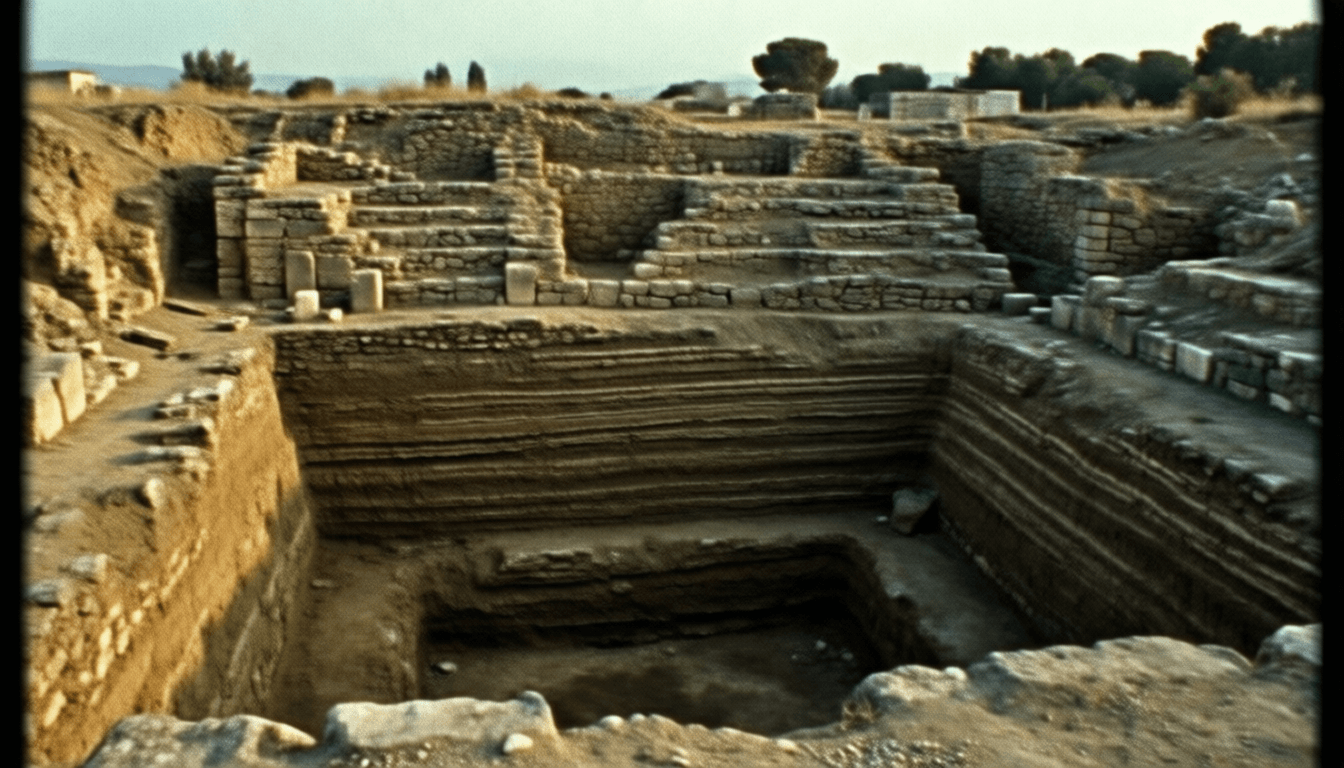
The immediate physical details unearthed here are awe-inspiring. Massive, fortified walls, constructed of finely dressed limestone blocks, rise up to 6 meters in some areas, complete with impressive defensive towers and monumental gates. These colossal structures evoke the 'great walls' described in the Iliad—a formidable barrier against invading forces, an impregnable fortress. Excavations within these walls have revealed a complex citadel, remnants of houses, and sophisticated infrastructure, suggesting the existence of a thriving Bronze Age city of considerable power and wealth.
Despite the undeniable evidence of a powerful Bronze Age city at Hisarlik, a clear reconciliation with Homer's epic remains elusive, deepening rather than fully solving the mystery. The archaeological record for Troy VIIa shows clear evidence of catastrophic destruction consistent with a siege and subsequent sacking. Burnt timbers, collapsed walls, and scattered human remains paint a grim picture of a violent end around 1250 BCE, strikingly close to scholars' estimated dates for the Trojan War.
However, the exact cause of this destruction is a subject of heated debate. Was it the result of devastating seismic activity, prevalent in the region, or the outcome of a prolonged siege as chronicled in the Iliad? Furthermore, despite its impressive nature for its era, the city's scale still does not quite match the grandeur associated with the epic, especially in terms of population capacity. How could a story, transmitted orally for centuries, evolving and embellished with each retelling, retain such powerful geographical and temporal anchors? The absence of explicit inscriptions detailing heroes like Achilles or Priam, or the definitive 'Trojan Horse,' still subtly blurs the line between archaeological fact and poetic fiction.
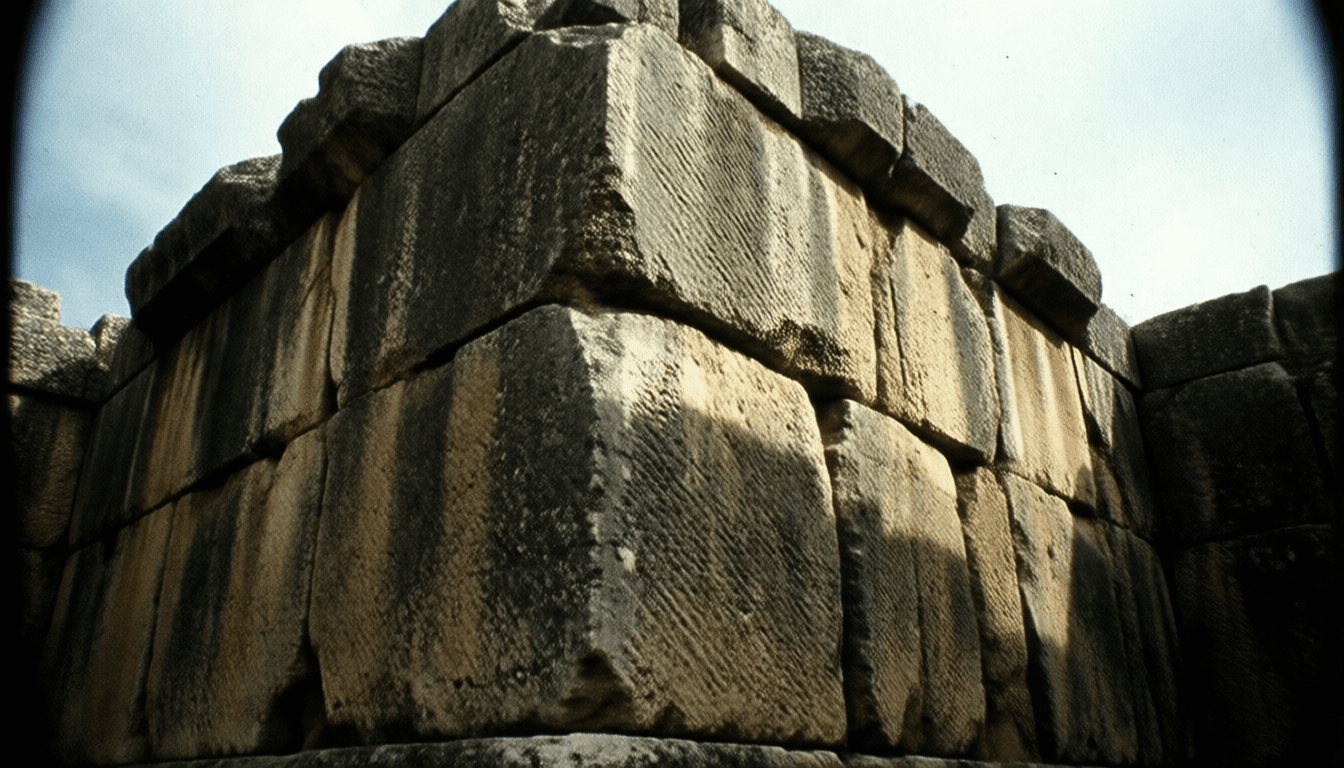
The most profound subversion lies not in clear evidence for every detail of Homer, but in the eerie resonance between the physical reality of Hisarlik and the enduring power of the Iliad. Despite the archaeological ambiguities, the site feels like Troy. The huge, sloping walls that Homer described as 'well-built,' 'mighty,' are unmistakably there. The strategic importance, which fueled thousands of years of conflict centered around the Dardanelles, is palpable. The evidence of a wealthy, sophisticated city violently destroyed at the appropriate historical juncture is undeniable.
The core subversion is perhaps how a story, which might have been a regional conflict or a series of raids, could become so deeply etched into collective memory as to transform into one of the foundational myths of Western civilization. Was it a seed of truth so powerful, a memory of a massive siege and a fallen city so profound, that it withstood the erosion of time, morphed through oral traditions, and was finally codified by Homer? The enduring power of the story, serving as a historical compass that guided a 19th-century excavator to a forgotten Bronze Age city, suggests a deeper, almost mystical connection between human narrative and the physical world. It posits that myth is not mere fiction, but sometimes a profound echo of history, reverberating across millennia.
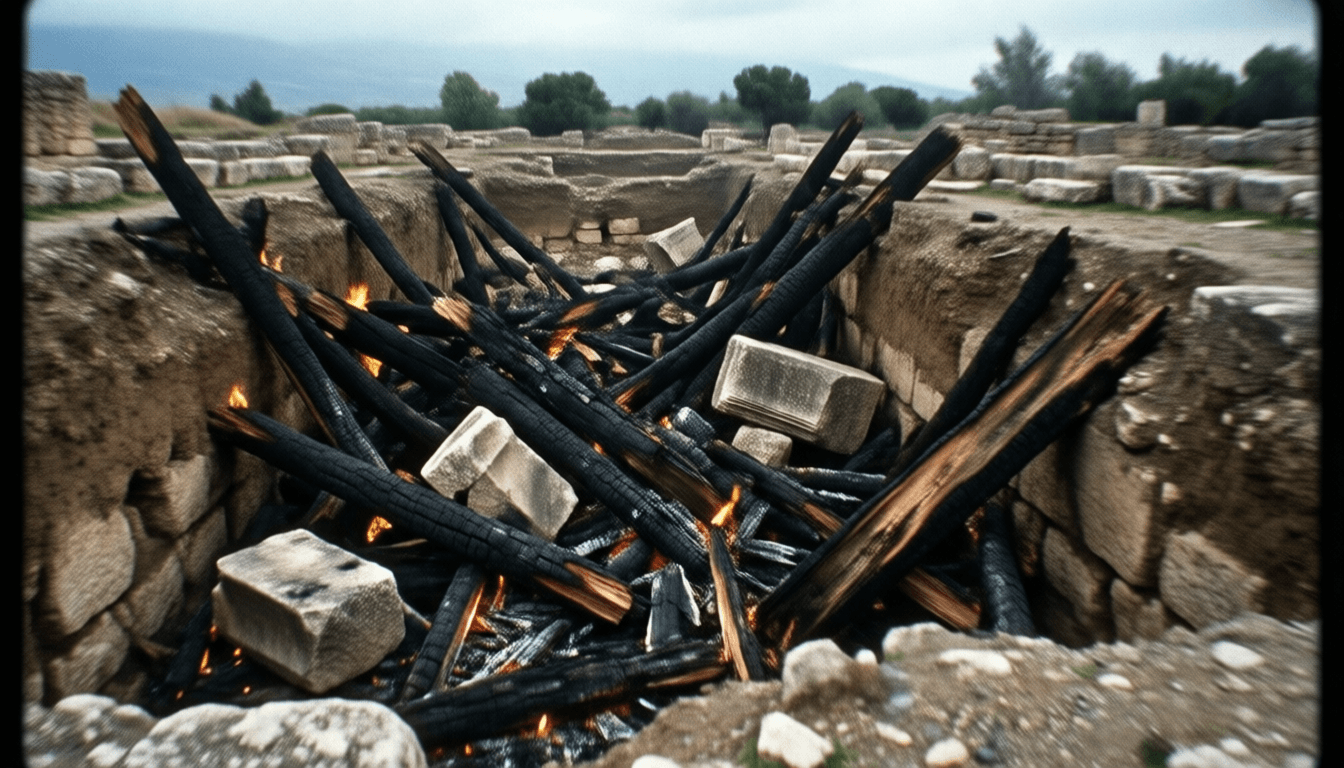
Today, the windswept ruins of Hisarlik stand not only as monumental evidence of a fallen city but also as a testament to the profound interconnectedness of myth, memory, and tangible history. While the trenches and reconstructed walls offer concrete evidence of a powerful Bronze Age settlement, they do not resolve every question whispered by Homer’s epic. Instead, they deepen the mystery, transforming the question, “Did Troy exist?” into, “How did its memory endure and transform?”
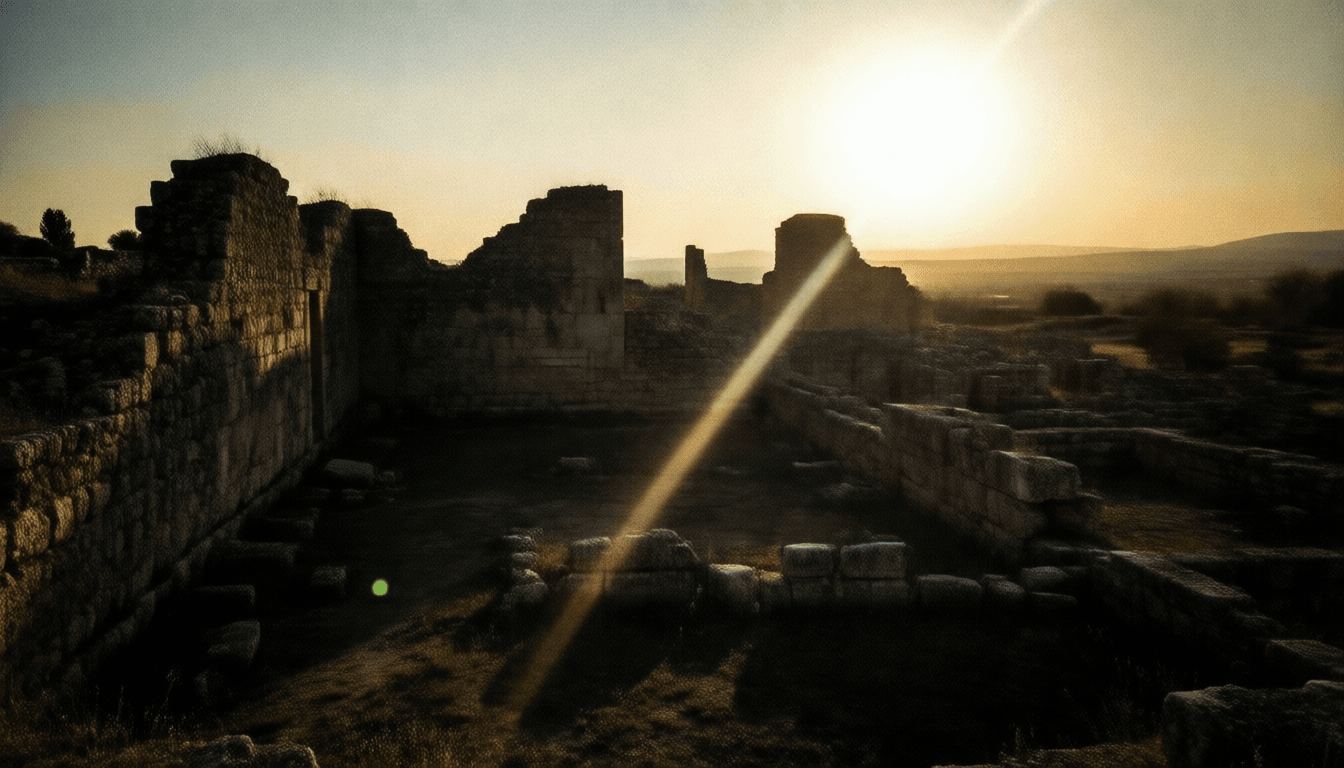
The site invites us to contemplate the immense power of human stories—how they weave events into compelling narratives that become indelible, guiding generations back to their origins. Troy is more than an archaeological marvel; it is a profound realization that some of the greatest truths about our past are not always found in cold, hard facts, but in the shimmering, ambiguous space where legend breathes life into a forgotten city. As the sun sets over the ancient plain and long shadows stretch across the excavated layers, only an awe-inspiring understanding of the human experience, passed down through ages, remains, whispering tales that refuse to be forgotten, forever blurring the lines between what once was and what was imagined.
[ CLASSIFIED VERDICT ]
[ACCESS LOG - SOURCE FILE]
The city of Troy, long considered a grand myth from Homer's epic *The Iliad*, was dismissed as mere fiction for centuries. However, in the late 19th century, amateur archaeologist Heinrich Schliemann excavated the ruins of Troy on the Hisarlik hill in Turkey, proving that the legendary city actually existed. This discovery blurred the lines between myth and history, fundamentally altering humanity's perception of the past.