Stonehenge: The Hidden Secret of the Resonating Stones
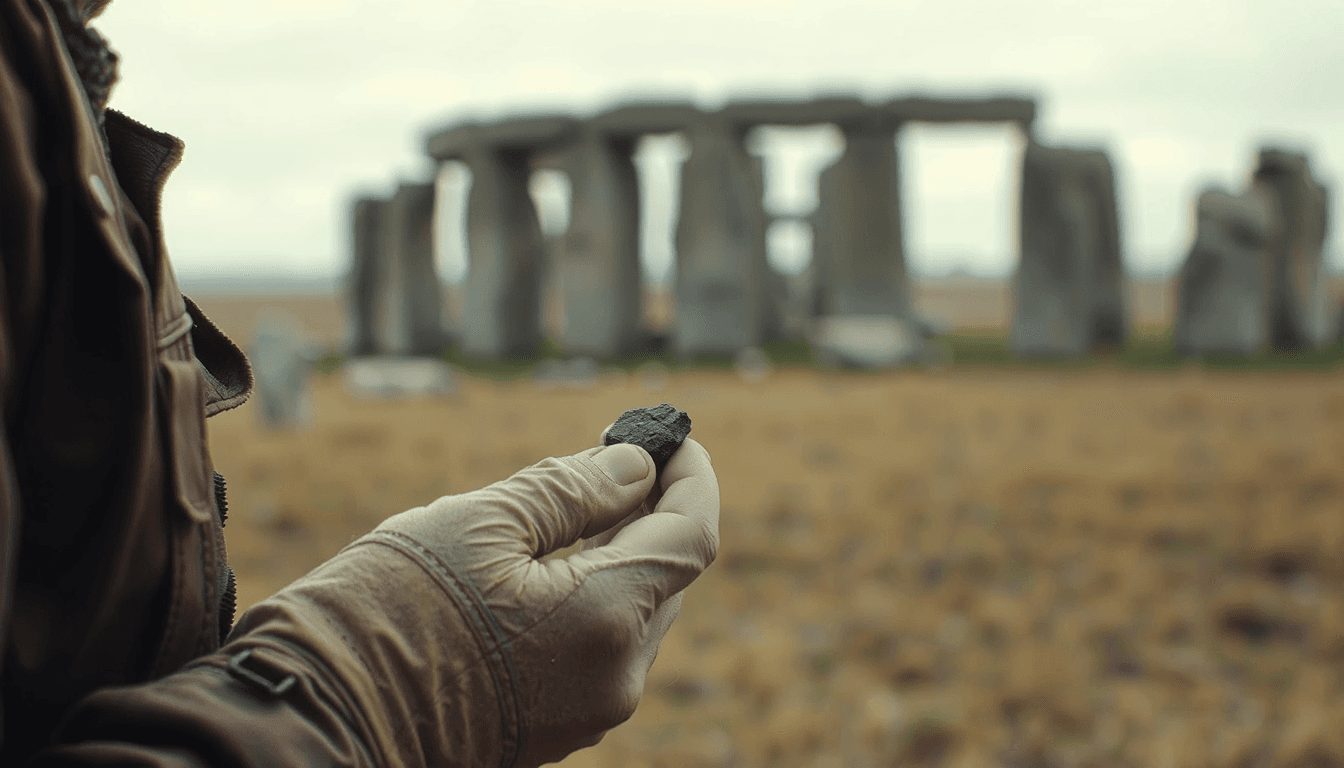
Our story does not begin on Salisbury Plain, under the shadow of the colossal trilithons. It begins 240 kilometers to the west, in a laboratory, before a palm-sized fragment of rock. This rock, dotted with feldspar crystals, is a type of dolerite – a unique geological fingerprint left by volcanic activity millions of years ago. Through isotopic analysis and laser ablation techniques, researchers precisely traced its origin to a single outcrop in the windy Preseli Hills of Wales, known as 'Carn Goedog'.
But this rock fragment was not harvested in Wales. It was a core sample taken from one of the smaller, yet far more significant 'bluestones' that form a horseshoe shape within Stonehenge's inner circle. The scientific basis is clear, the geological evidence undeniable. Yet, the implications are profound. How did a prehistoric society, whose tools were merely stone, wood, and bone, transport this rock all that way? A more crucial question is, why did they need to? This single small fragment of rock creates a massive fissure in our understanding of the Neolithic era, posing a riddle of logistics and motivation that even modern engineering struggles to comprehend.
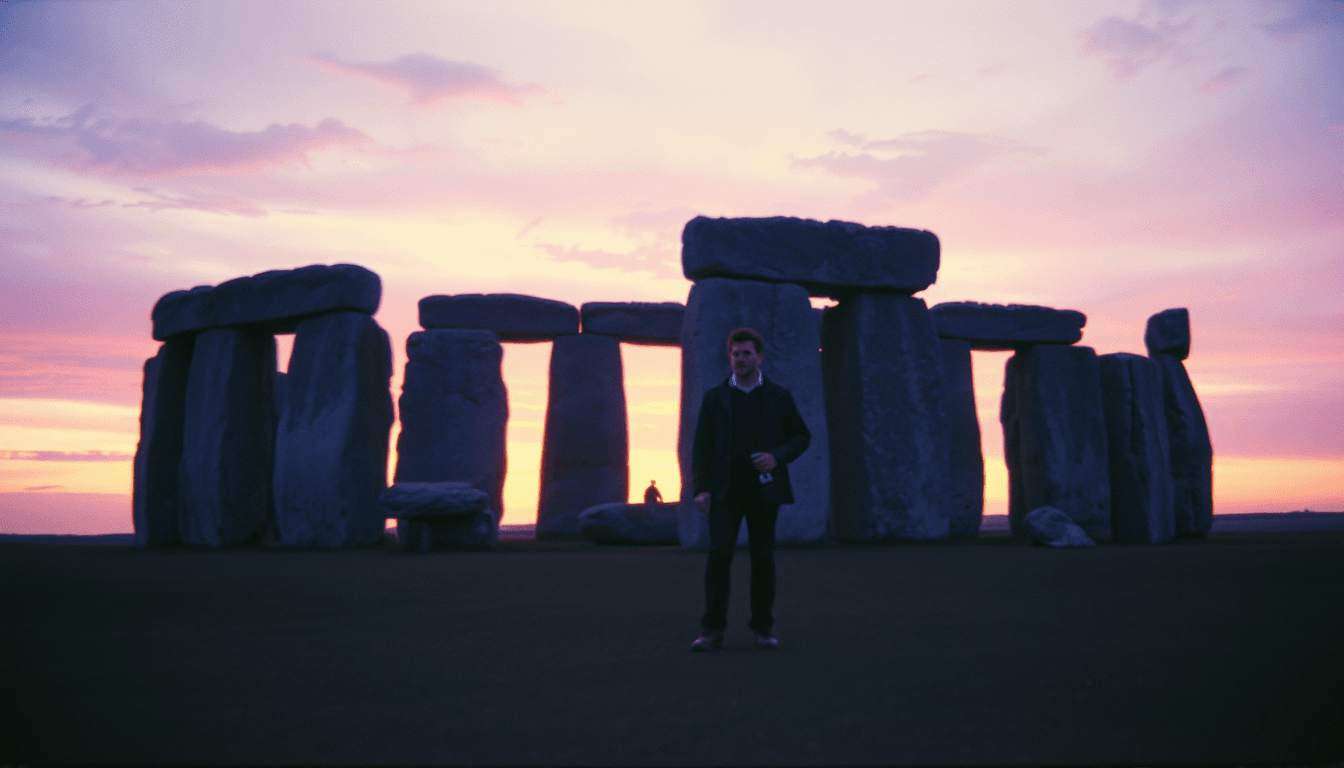
Salisbury Plain in Wiltshire, England, is a vast expanse of chalk downland. At the heart of this ancient, mystical landscape stands the monument. From a distance, it appears as a single mass, like a dark crown rising from the green earth. But as one approaches, its true nature reveals itself. It is not one structure, but two interwoven ones.
First, there are the sarsen stones. Weighing up to 50 tons, these megaliths are the giants of Stonehenge. Fashioned from local sandstone, they form the iconic outer circle and the towering trilithons. The craftsmanship involved in shaping these stones is a marvel of early engineering. Intricate mortise and tenon joints, impossible in solid rock with such precision, securely fasten the lintels atop the vertical stones. The immense physical effort required to quarry, transport, and erect these giants testifies to a massive societal organization and a singular, powerful sense of purpose. This part, while monumental, is at least a geographically logical puzzle.
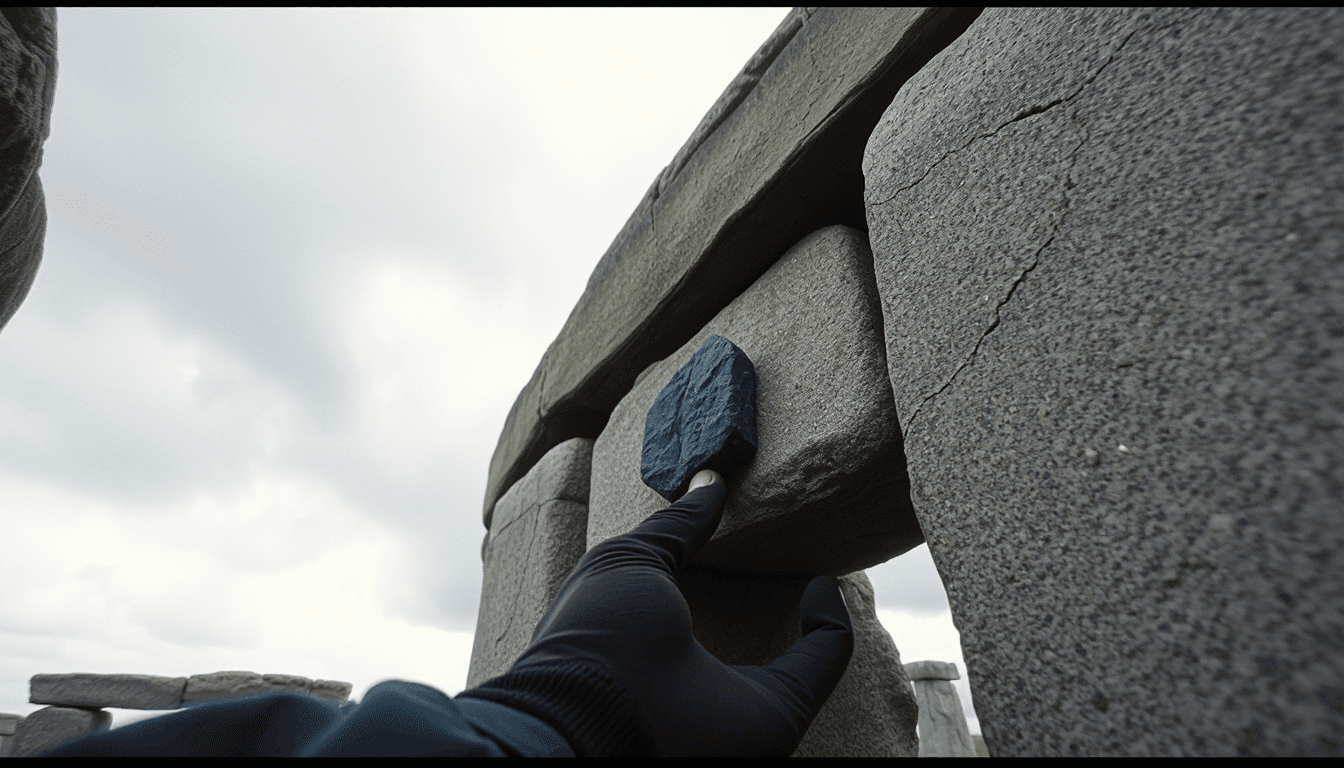
Our gaze now turns to the smaller stones, the bluestones. Weighing a mere 2 to 4 tons, they seem delicate compared to the sarsens. Yet, these are the foreign stones, the travelers from Wales. Though their arrangement has shifted over centuries, they have always formed the monument's core. Archaeologists have identified the bluestones' original positions, revealing a precise and intentional design. Theories for their transport range from hundreds of laborers dragging massive wooden sledges to raft journeys along the treacherous Bristol Channel and up the River Avon. But every scenario is fraught with nearly insurmountable obstacles.
The effort was so disproportionate to the stones' size that it defies simple explanation. They didn't just need 'stones.' They needed 'these specific stones.'
From here, the engineering narrative begins to dissolve into something else. The common explanations for Stonehenge – a calendar, a solar temple, a royal burial ground – are all true, yet incomplete. The precise alignment with the solstices is undeniable; the first rays of summer fill the monument's central axis. The surrounding area is dotted with burial mounds. But these facts alone do not explain the mystery of the Preseli bluestones. Why drag a 4-ton rock from the other side of the country when much larger, more readily available sarsen stones were right nearby?
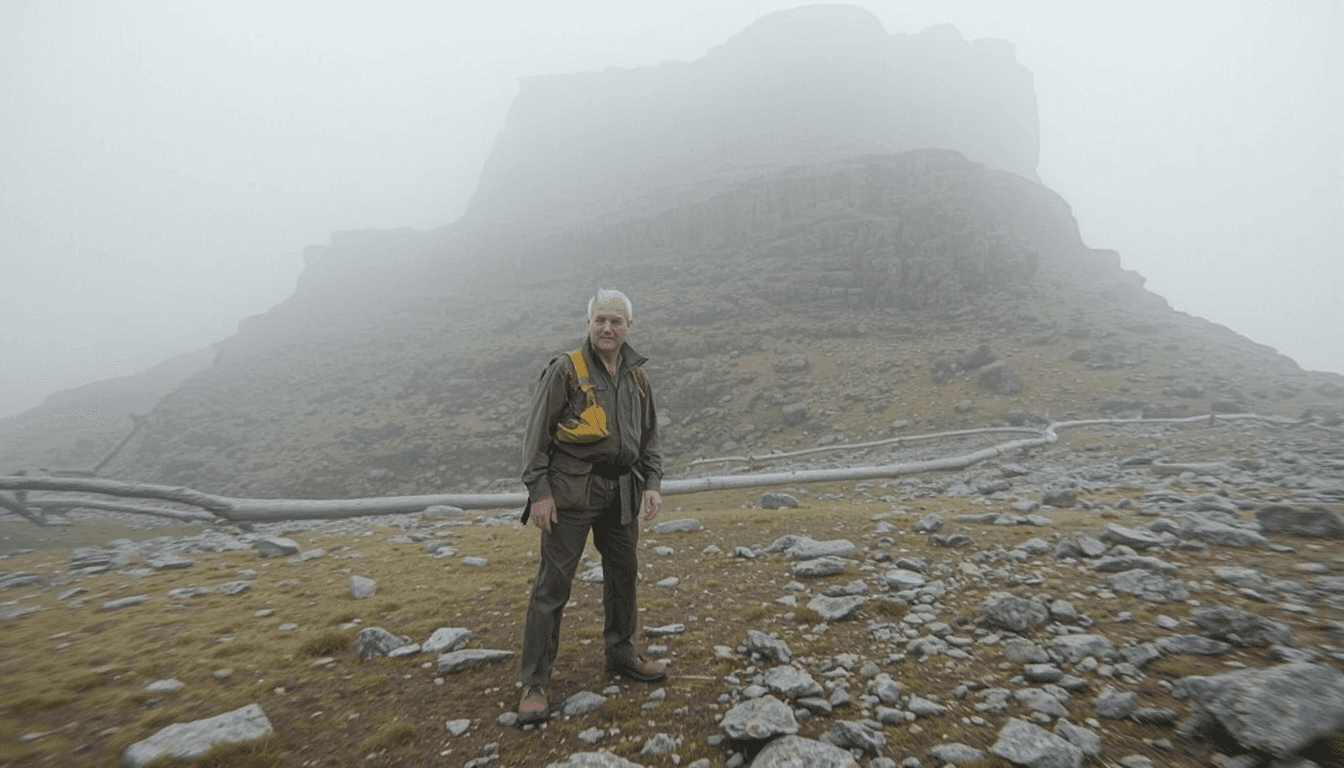
The journey to find answers leads us back to the Preseli Hills in Wales. This was not merely a quarry, but a landscape imbued with myth. Local folklore had long described these hills as places of healing and magic. While excavating Carn Goedog, the bluestone quarry site, archaeologists found more than just tools for extracting stone. They uncovered traces of habitation and offerings, the remains of hearths. This was a place where people lived, worked, and perhaps prayed.
Then, a crucial discovery was made. During excavations at Stonehenge in 2011, an astonishing number of human remains were found to bear signs of severe illness and trauma. Isotopic analysis of their teeth revealed that many of these individuals were not local to Salisbury but came from the west, precisely the region where the bluestones originated. The hypothesis solidified: Stonehenge may not have been just a temple, but a pilgrimage site, a Neolithic Lourdes. The bluestones were not merely building materials, but sacred objects believed to possess healing powers. The builders didn't transport stones; they transported medicine.
Yet, even this healing hypothesis might be just one facet of a deeper truth. The core anomaly of Stonehenge is not merely visual or logistical. It is auditory.
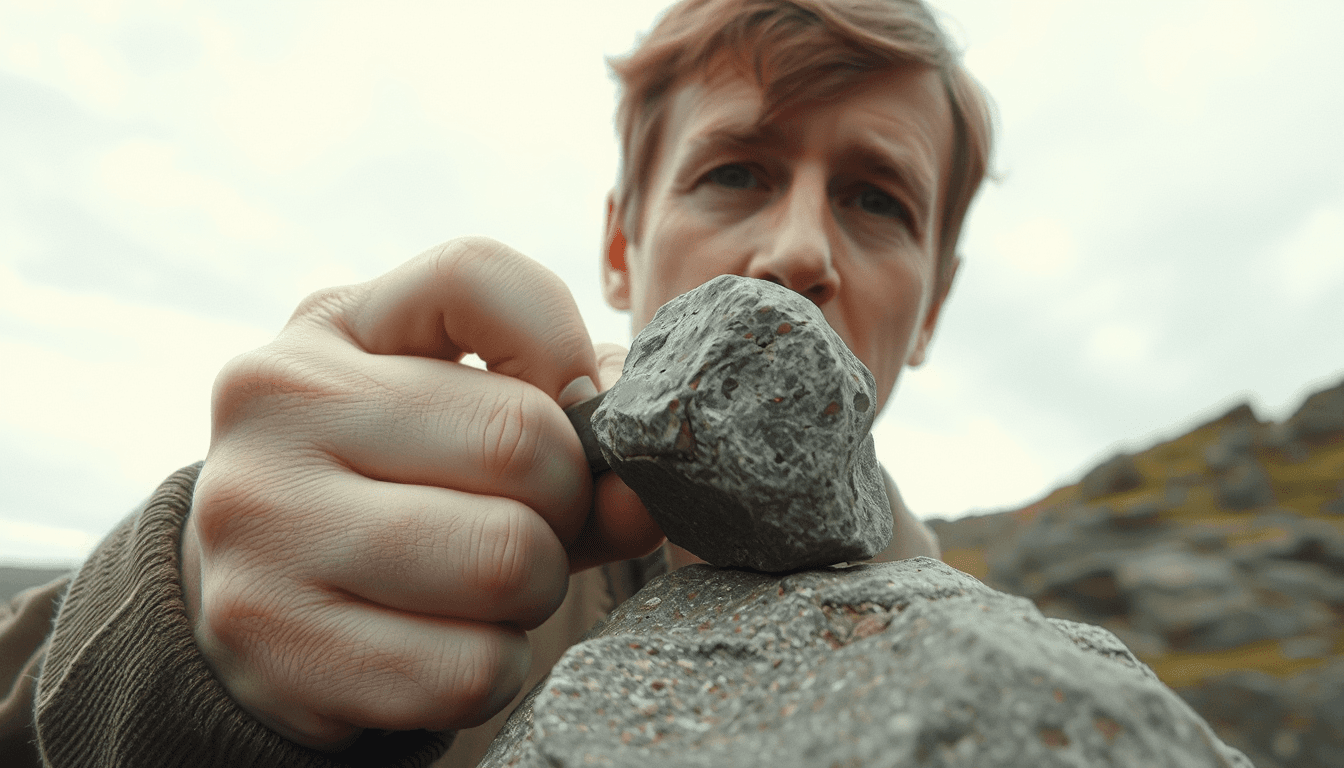
Researchers revisited the Preseli Hills quarry and made a discovery that would entirely redefine our perception of the monument. When many of the rocks at Carn Goedog were struck with a small hammer, they didn't emit a dull 'thud.' They rang. They resonated with a clear, metallic, bell-like sound. They were natural lithophones, or 'ringing rocks.' This acoustic property is an extremely rare geological variation.
In that instant, all the pieces rearranged into a new, astonishing pattern. Did the Neolithic people not quarry stones, but rather, quarry sound? Was this colossal labor, spanning generations, an attempt to build a structure that would eternally preserve the sacred tones echoing from their ancestral lands? At the Stonehenge excavation site, stone hammers were found not for shaping the stones, but bearing marks of being used to repeatedly strike the bluestones. The monument might have been a massive stone chime, an instrument designed to be 'played' during rituals, filling the plain with otherworldly sounds. The bluestones were not just symbols of healing, but sources of divine vibration.
We stand once again before Stonehenge as the light fades. The sarsen stones stand as a testament to human power and intellect, a silent celestial clock. But the bluestones hold a different secret. They symbolize a connection to a world we have almost entirely lost. A world where a single stone could simultaneously be a building material, a healing amulet, and a musical note.
We hold geological data, archaeological evidence, and astronomical alignments in our hands. We can weigh the stones and map their journey. We can analyze the bones of the dead buried beneath its shadows. But we cannot excavate their belief system. We cannot reverse-engineer forgotten awe.
Those who built this monument possessed a different kind of knowledge. Knowledge that saw power not just in size and permanence, but in origin, in resonance, and in the echoes from distant mountains. They poured generations of wealth and energy into constructing something whose ultimate purpose remains forever locked away. The stones are silent now, but the riddle they pose is an echo of the vast, complex, and resonant inner world of our distant ancestors, a world we can no longer perceive.
[ CLASSIFIED VERDICT ]
[ACCESS LOG - SOURCE FILE]
The smaller 'bluestones' of Stonehenge originate from the distant Preseli Hills in Wales, not Salisbury Plain. Initially theorized as sacred objects for healing, due to folklore and evidence of pilgrimage, a profound discovery revealed they are 'ringing rocks' (lithophones). This suggests Stonehenge might have been a colossal lithophone, an instrument designed to produce sacred sounds, offering a glimpse into the complex and awe-inspiring worldview of our ancestors.