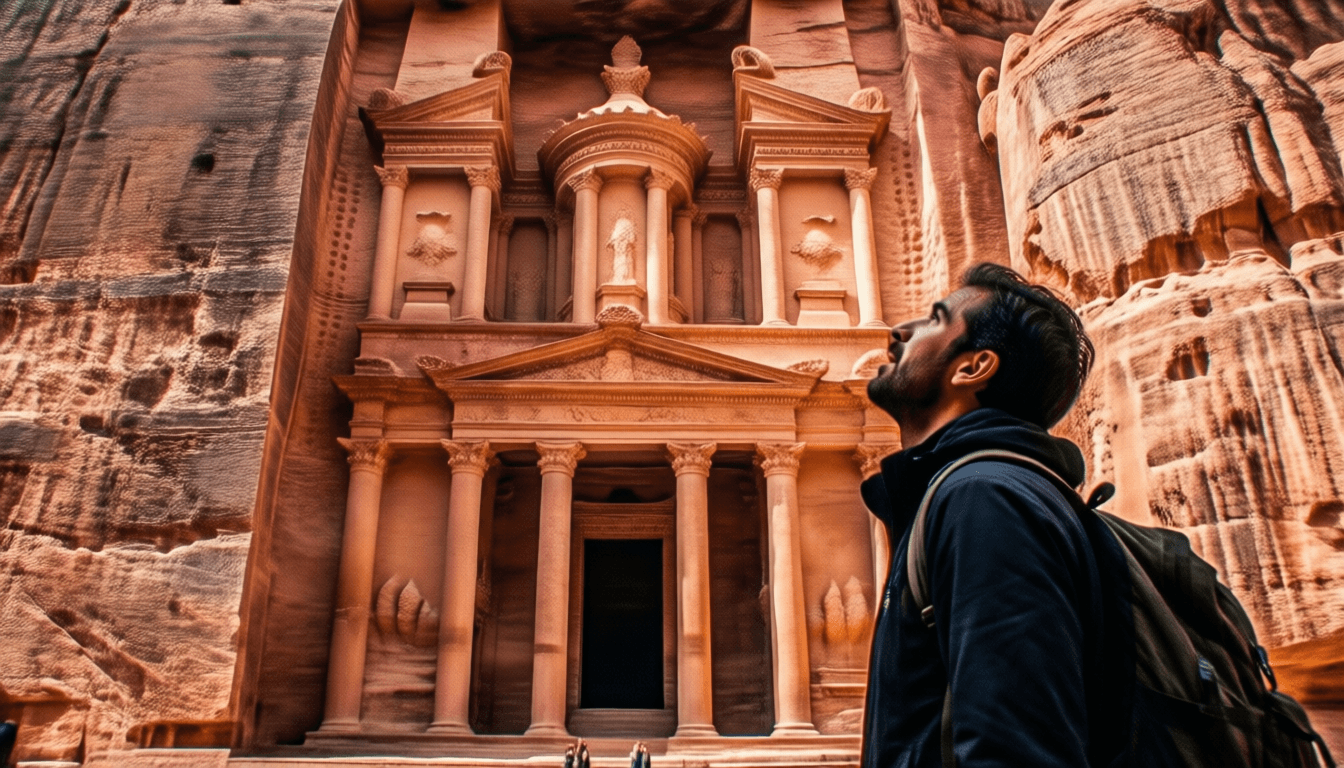
Petra: The Mystery of Lost Knowledge
In 1812, Swiss explorer Johann Ludwig Burckhardt, disguised as an Arab scholar, hurried his way towards a hidden valley in the desolate desert of Jordan. After days and nights navigating rugged desert and narrow mountain paths, he reached a colossal rock crevice. As he ventured through the winding Siq gorge, sandstone cliffs, hundreds of meters high, narrowed, leaving only a sliver of sky visible. And finally, upon passing through the last opening, the sight that unfolded before him was breathtakingly magnificent: the grand façade of Al-Khazneh, the 'Treasury,' glowing with a fiery rose-red hue under the desert sun. Its intricate columns and delicate carvings, directly sculpted into the colossal rock face, silently proclaimed the majesty of an almost impossible legacy from a civilization lost to thousands of years of sand and legend.
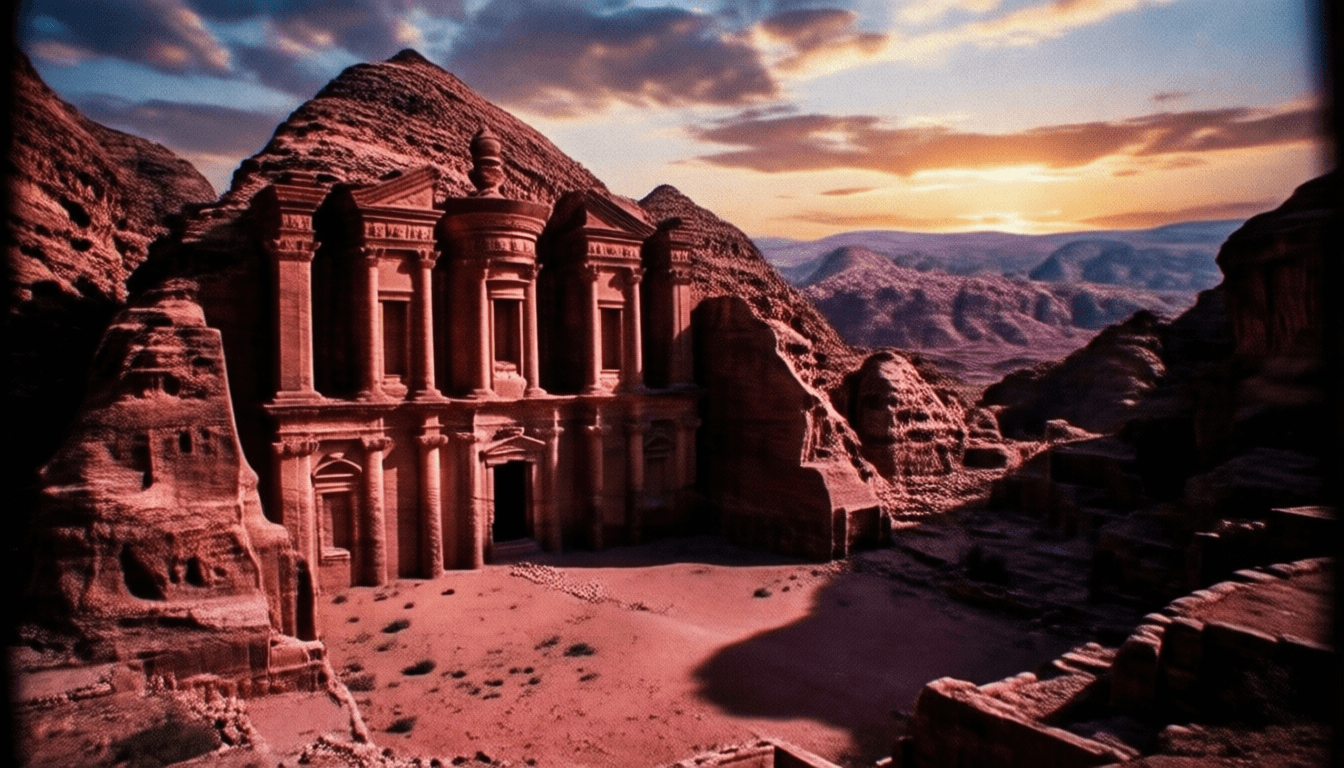
The initial awe from Al-Khazneh was merely the beginning compared to the vastness of Petra. Beyond a single monument, passing through the Siq gorge reveals an entire city carved into the sandstone cliffs. The ancient Arab people, the Nabataeans, made this remote, arid valley their capital, transforming it into a thriving center of trade connecting Arabia, Egypt, and the Levant. Archaeologists have unearthed sophisticated water management systems – reservoirs, dams, and ceramic pipes – that drew rainwater and springs across the desert, sustaining a population of up to 30,000. Deeper exploration reveals thousands of structures: tombs, temples, residential buildings, and the colossal monastery (Ad Deir) perched high on a mountain peak, all retaining a unique beauty blending Nabataean, Hellenistic, and Roman styles. This immense scale of architecture, achieved in a harsh environment, poses a great question about the genius of ancient peoples.
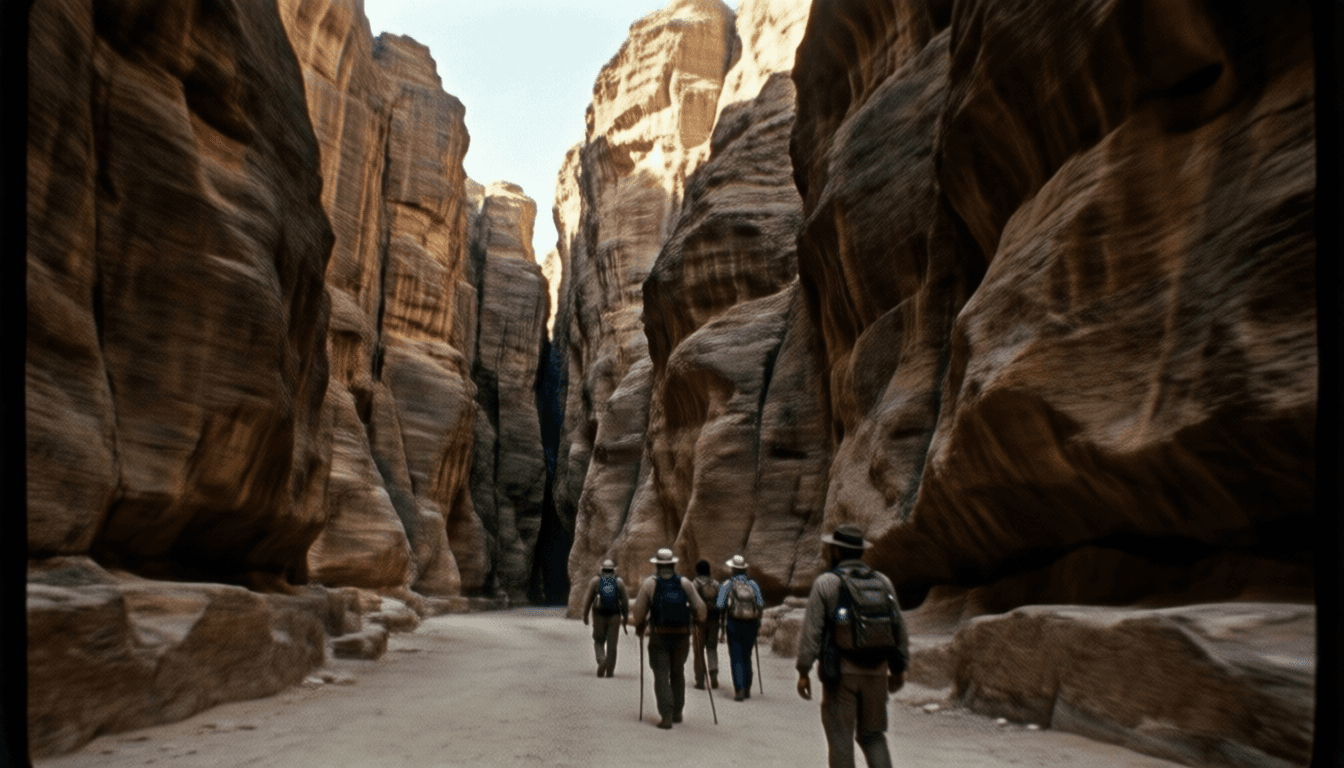
Despite extensive archaeological research, the exact methodology of Petra's construction remains shrouded in deep mystery. Without modern advanced engineering techniques or power tools, how could the Nabataeans have carved such colossal and intricate structures directly into gigantic cliffs? Researchers present evidence that they worked from the top of the cliffs downwards, but precise information about scaffolding or lifting techniques used to move massive stones or sustain long-term high-altitude work is scarce in archaeological records. Furthermore, the almost perfect symmetry and complex decorative details carved into cliffs dozens of meters high, like Al-Khazneh or Ad Deir, demonstrate an architectural precision nearly impossible with the technology of that era. The desert winds do not whisper an easy answer to how this industrious civilization produced such monumental artistic and engineering results, nor is the explanation for their ultimate decline and the abandonment of the city clear.
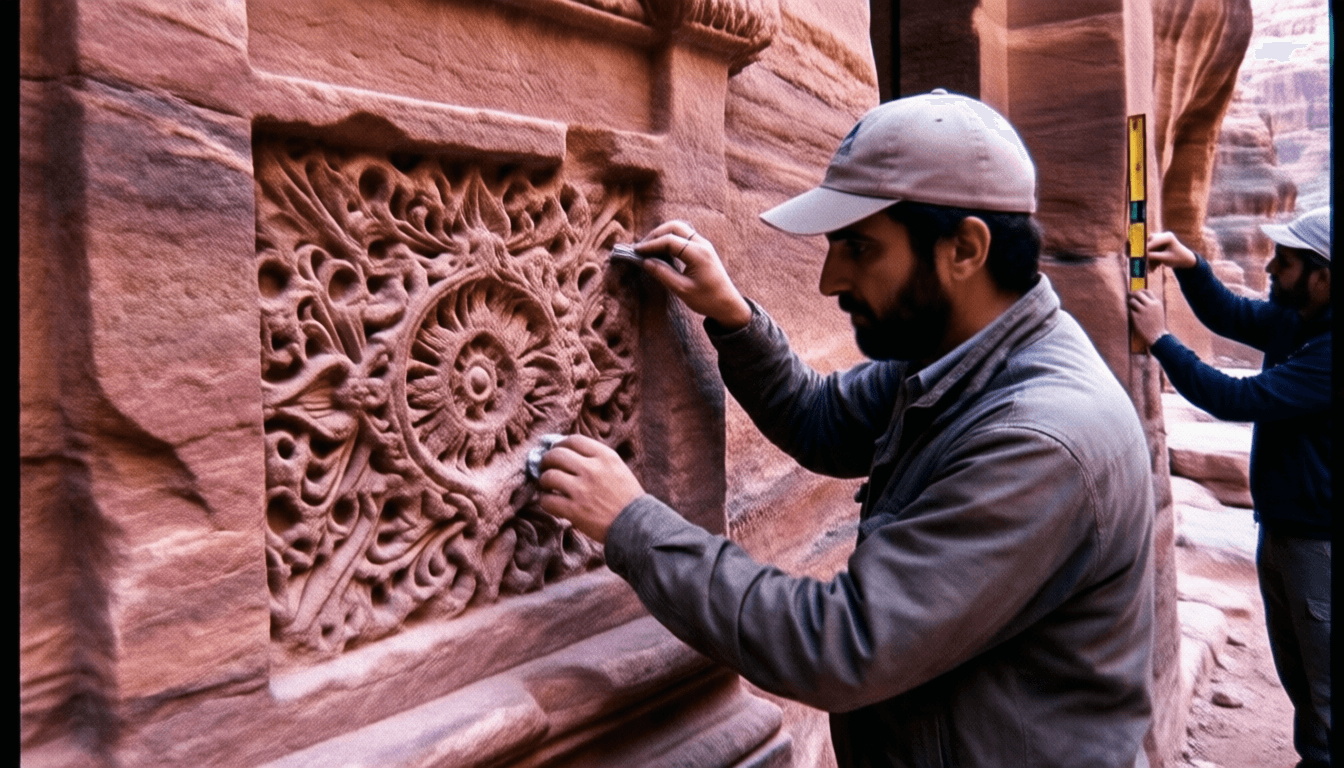
The most wondrous aspect of Petra goes beyond its sheer scale, residing in the methods and knowledge required to execute its construction. Imagine architects and sculptors, suspended hundreds of meters in the air, relying on rope ladders or precarious footings, carving decorative capitals, friezes, and statues into raw rock with astounding accuracy. Traces of ramps or long-term scaffolding systems typically required for such monumental work are almost entirely absent. The Nabataeans mastered geological knowledge, preventing rockfall and utilizing the properties of sandstone for both strength and intricate carving. Their hydraulic engineering transformed a desolate valley into an oasis, an impressive feat in itself. However, it is the combination of their artistic ambition, geological intuition, and the ability to execute massive, precise rock-cut architecture in a hostile environment, seemingly beyond the known limits of ancient technology, that truly confounds modern understanding.
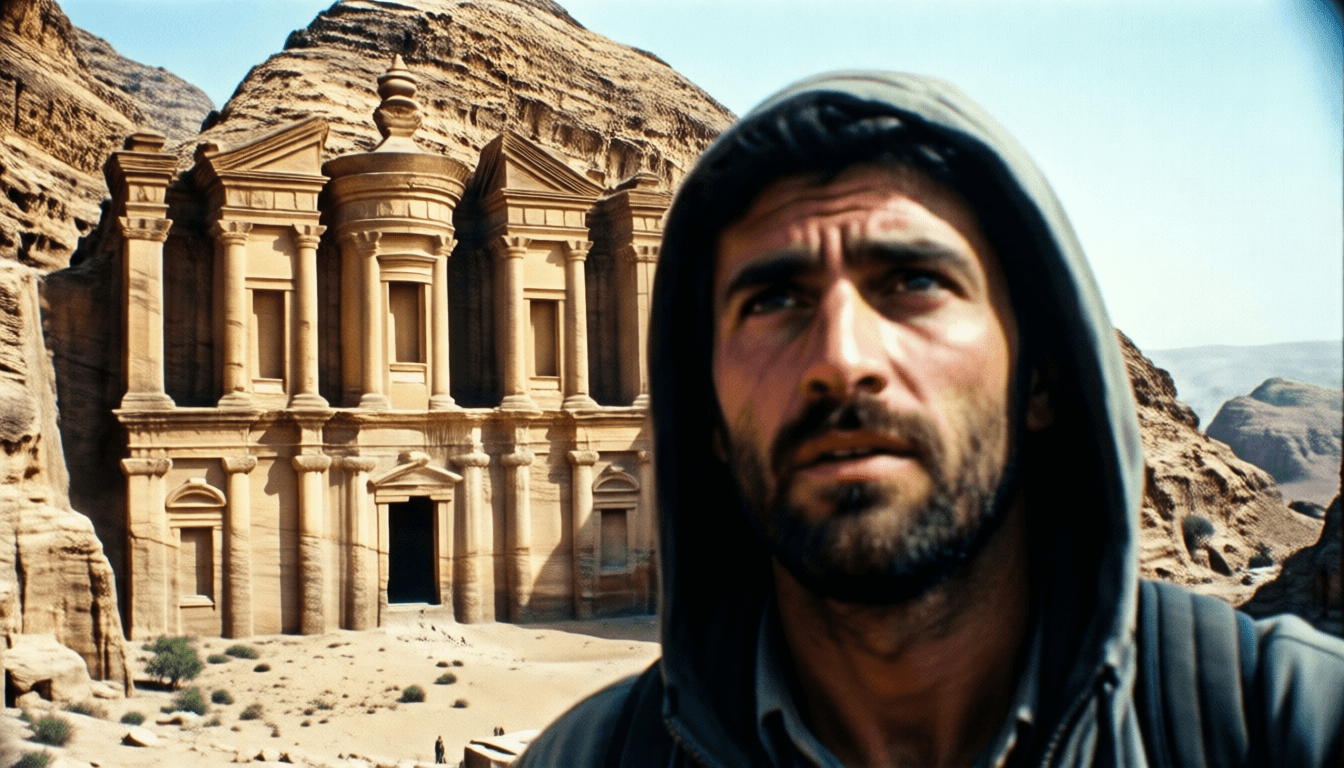
Today, Petra remains a silent city, its sandstone monuments glowing with a supernatural beauty. It is a testament to a civilization whose methods of creation remain an enigma. As the sun casts long shadows over the vast necropolis and monumental façades, we ponder the true capabilities of the Nabataeans. Did they possess lost techniques that enabled such seemingly impossible engineering feats? Or does their legacy simply underscore humanity's extraordinary capacity for innovation and perseverance against the most formidable natural challenges? Only questions remain about an ability that even modern science can only partially comprehend. The rose-red city whispers its secrets to the wind, forever reminding us that some of our world's greatest wonders still hold the deepest hidden truths carved in stone.
[ CLASSIFIED VERDICT ]
[ACCESS LOG - SOURCE FILE]
The magnificent rock-cut architecture of the ancient city of Petra, thousands of years later, still holds the mystery of its construction methods. The question of how colossal structures, perfect symmetry, and intricate carvings—difficult even with modern technology—were created by the ancient Nabataeans without any surviving records, sparks imagination about "lost techniques."