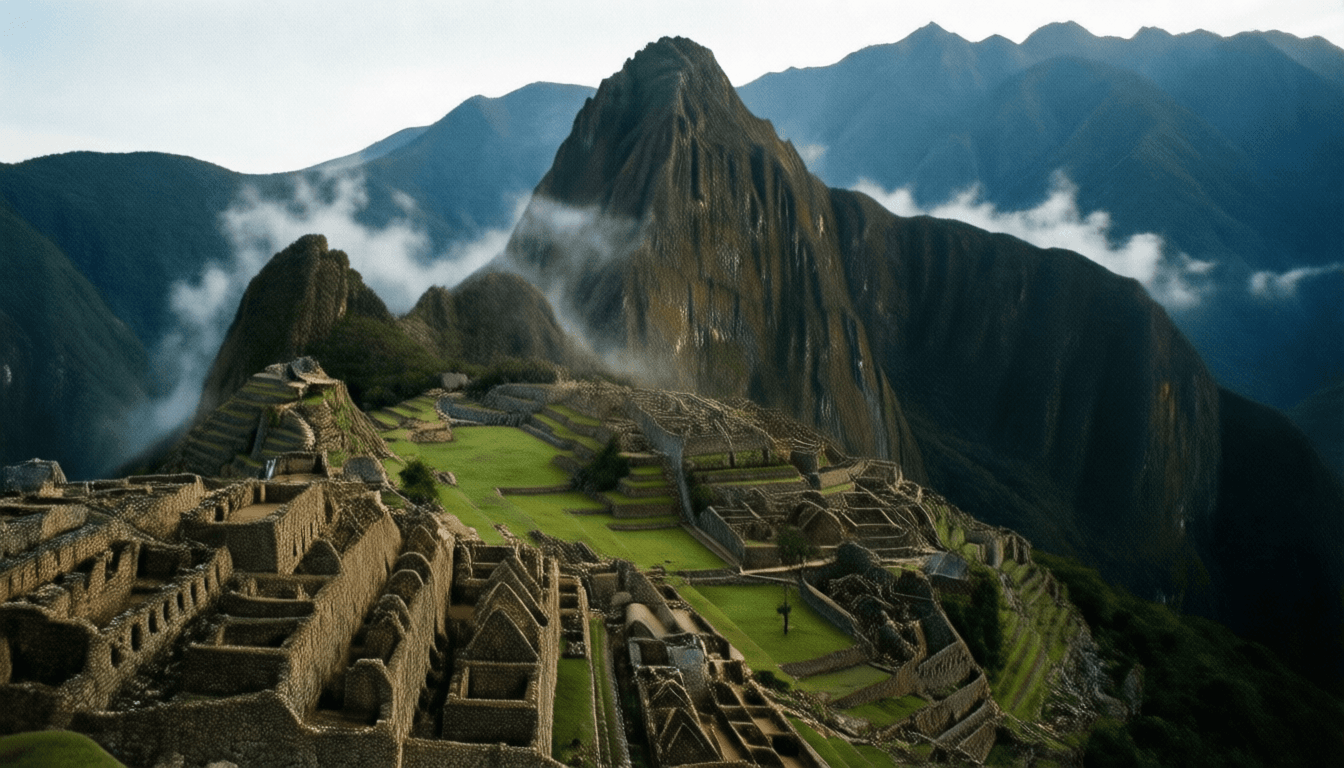
Machu Picchu: Mystery of Stone and Stars
Imagine perfectly cut and interlocked stones, so precise that not even a razor blade could fit between them. Now imagine thousands of such stones, each weighing tens of tons, forming monumental walls and temples on the rugged peaks of the Peruvian Andes, nearly 2,400 meters above sea level. This is not just a theoretical hypothesis. It is the reality of Machu Picchu, an architectural enigma whose very existence, as well as its construction methods, constantly leaves modern architects and archaeologists in awe. It is a city carved out of the mountain peaks themselves, a silent testament to how deeply a lost civilization understood stone, stars, and spirit.
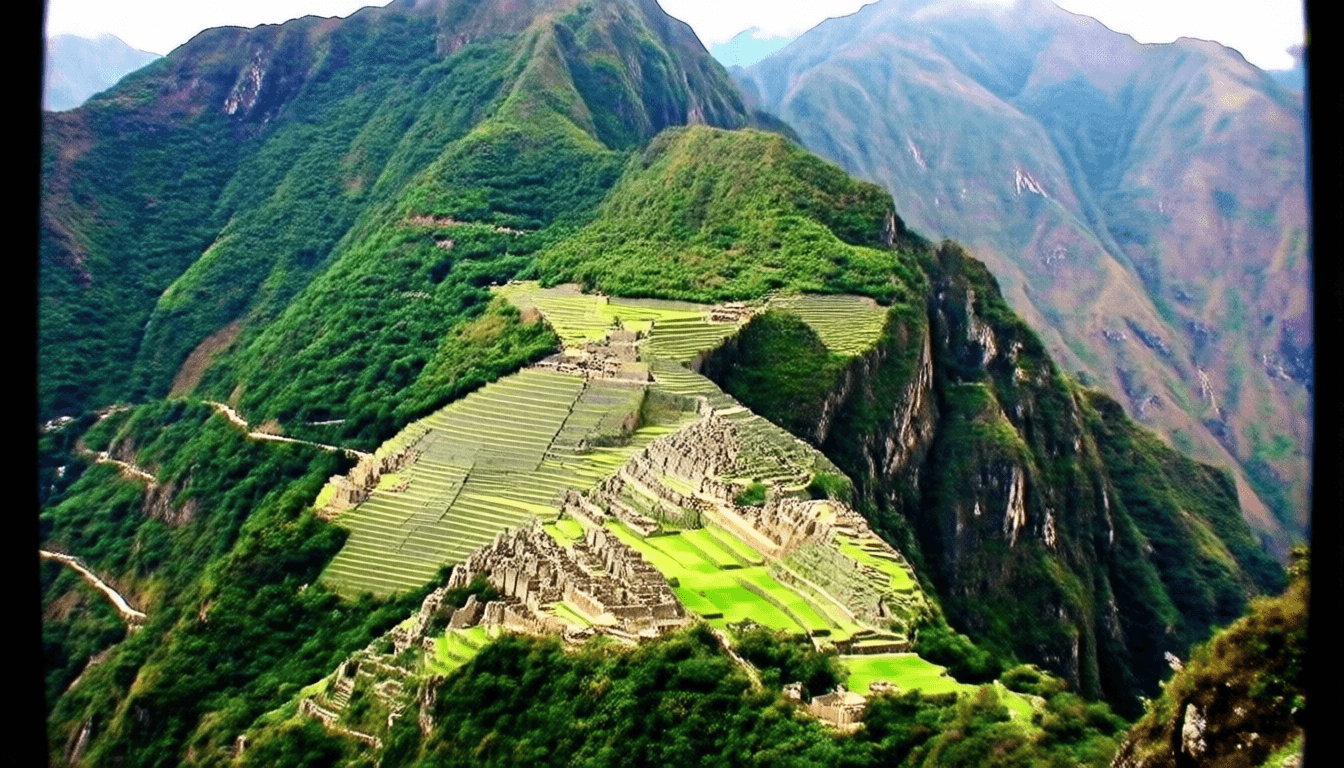
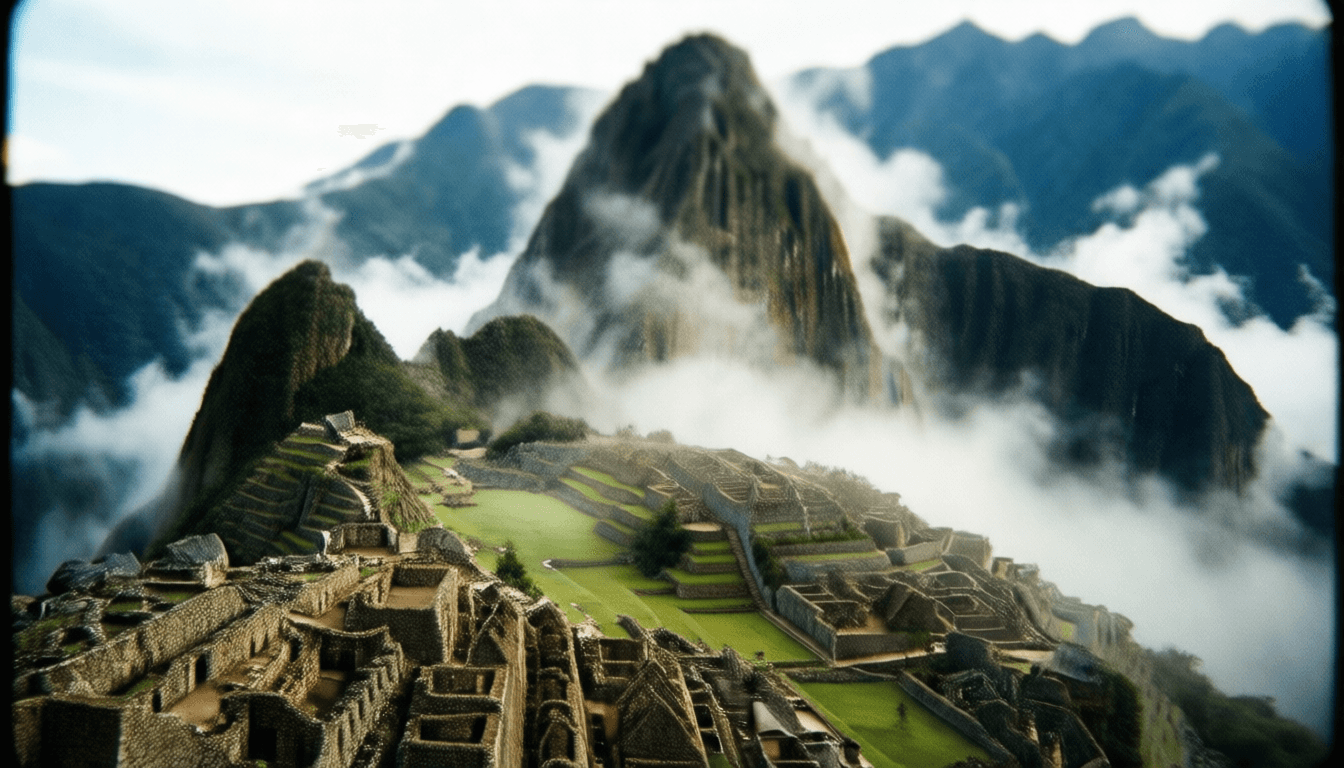
First introduced to the world by Hiram Bingham in 1911, the journey to Machu Picchu immediately draws us into its isolation. Whether a strenuous trek or a winding railway, the ascent culminates in a breathtaking panorama. Before our eyes unfolds a vast complex of intricate terraced fields clinging to knife-edge ridges, and temples, palaces, and residences seemingly emerging from the granite peaks. The scale is overwhelming. Tens of thousands of square meters of meticulously designed agricultural terraces prevent erosion on the steep slopes and are irrigated by a fresh spring water supply system drawn from kilometers away. However, it is in the heart of the city, in places like the Temple of the Sun and the Room of the Three Windows, that the true wonder, and the first shivers of inexplicable phenomena, begin. Here, the sheer precision of masonry, known as Ashlar stonework, is more than just impressive—it is almost supernatural.
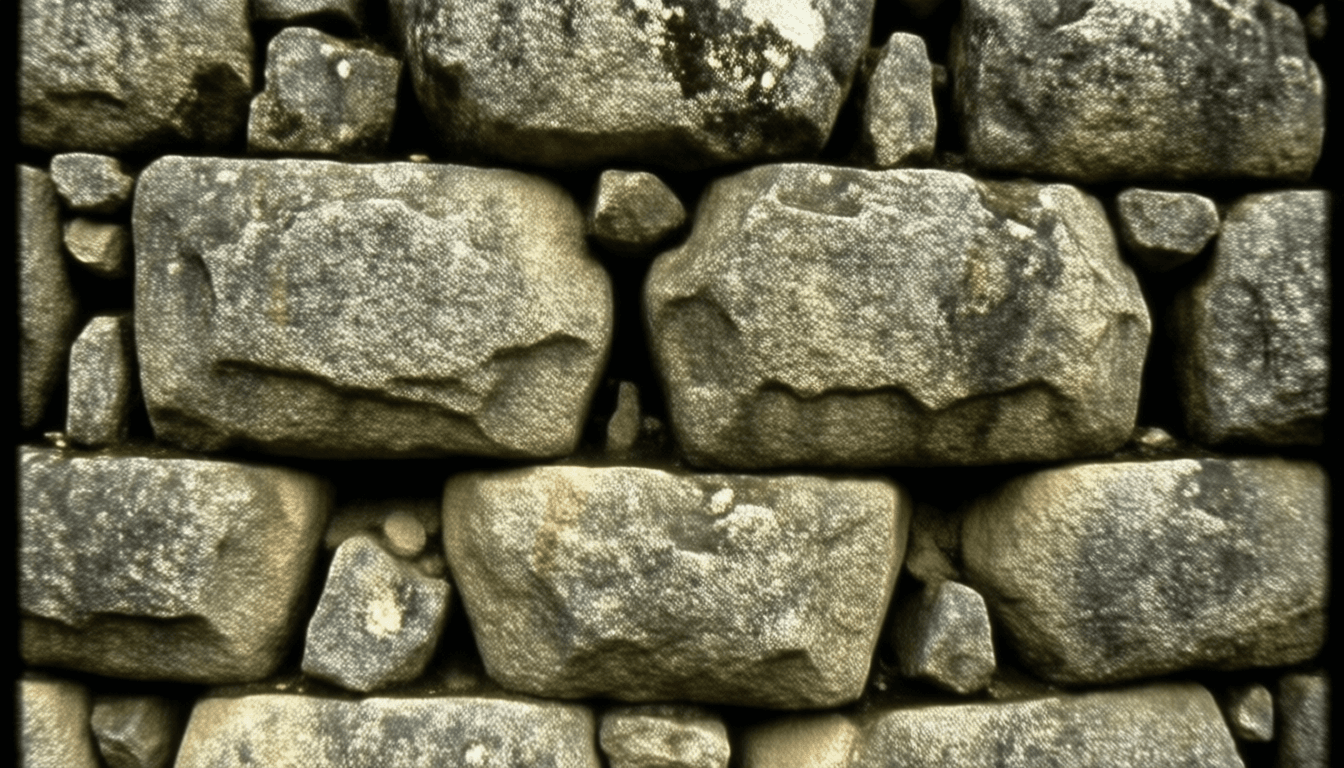
Modern analysis struggles to reconcile the known capabilities of the Inca Empire with the physical evidence of Machu Picchu. We know that the Incas had no iron tools, no wheeled transport, nor beasts large enough to transport these massive stones from distant quarries. Yet, blocks weighing over 50 tons were moved, shaped, and fitted together with seismic perfection far surpassing many modern construction techniques. The joints often interlock multi-faceted, like complex puzzles, providing astonishing stability against the region's frequent earthquakes. How was such accuracy achieved without precision instruments? How were these massive stones lifted into place without cranes or advanced leverage systems? The prevailing theories, involving hundreds of laborers, ramps, and basic tools, feel increasingly insufficient when faced with the impeccable artistry etched into the landscape itself.
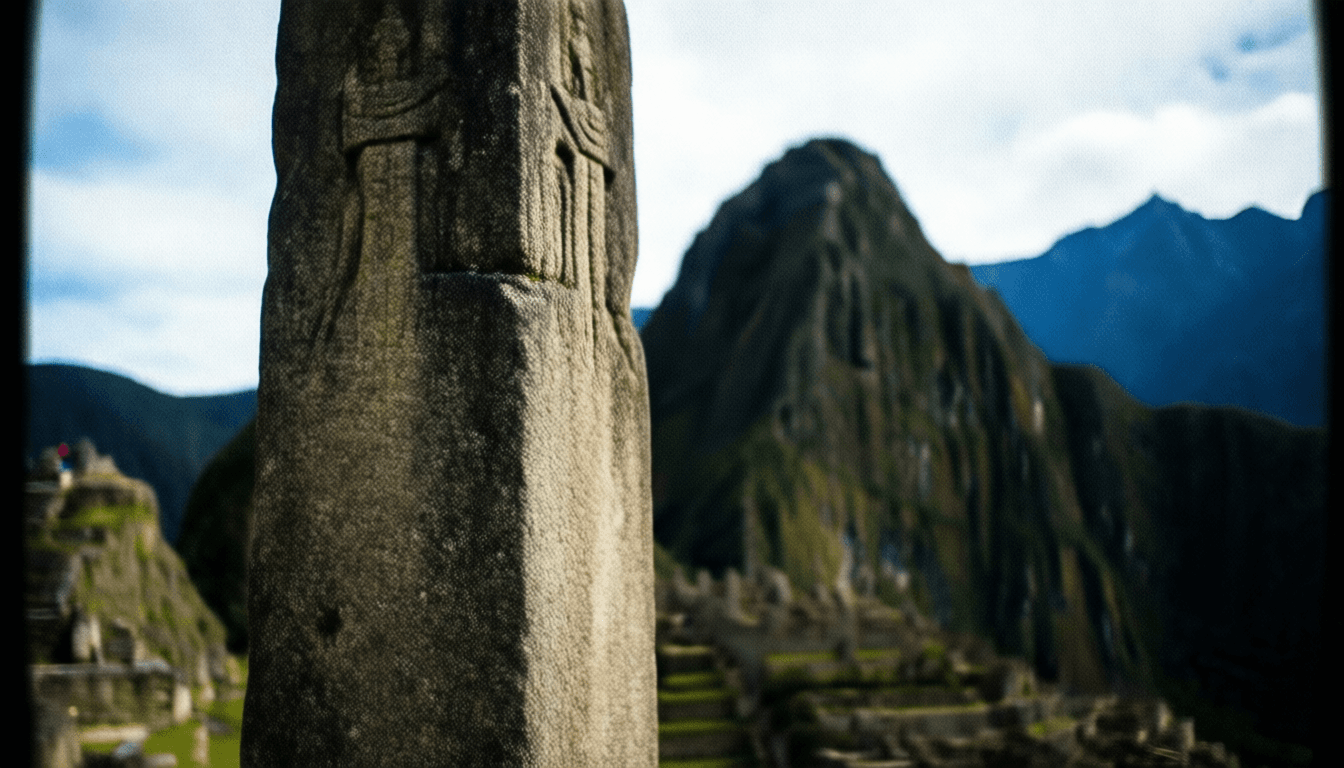
At the core of Machu Picchu's profound mystery is its apparent connection to the cosmos. Dominating the central plaza is a carved granite pillar known as "The Hitching Post of the Sun" or "Intihuatana," whose angles and planes align with astonishing precision during the solstices and equinoxes. For generations, astronomers and archaeoastronomers have confirmed its accuracy, revealing a sophisticated understanding of celestial mechanics woven directly into the city's fabric. The Temple of the Sun features curved walls and windows that perfectly illuminate the sunrise on the winter solstice, its rays lighting the sacred altar within. Throughout the complex, alignments with specific stars, constellations, and lunar cycles suggest that Machu Picchu was not just a city but a vast astronomical observatory, a cosmic calendar, and a sacred interface between the terrestrial and the divine realms. Its architects possessed astronomical knowledge so advanced, and so intimately woven with stone, that it forces us to re-evaluate our understanding of ancient human capabilities.
Today, as mist rises from the Sacred Valley and enfolds Machu Picchu in an ethereal veil, questions echo among its silent stones. Was it a royal residence, a sacred retreat, or a final sanctuary for a civilization facing imminent doom? Was its primary purpose to observe the heavens, commune with mountain spirits, or preserve ancient knowledge? The answers remain elusive, forever etched in the impossible perfection of its walls and the celestial alignments of its temples. Machu Picchu stands as an enduring testament to how deeply a lost people were connected to their world, a breathtaking monument whose secrets whisper of a past far more complex and intelligent than we often imagine. It challenges the limits of human ingenuity, compelling us to ponder not only how it was built but what deeper understanding its creators had of the universe. That wisdom, for now, remains forever sealed within its magnificent and enigmatic heart.
[ CLASSIFIED VERDICT ]
[ACCESS LOG - SOURCE FILE]
Machu Picchu, an ancient city of the Inca civilization nestled in the Peruvian Andes, remains a profound enigma due to its architectural methods and astronomical precision, which are difficult to explain even with modern technology. The ability to move and meticulously stack massive stones weighing tens of tons without wheels or iron tools, combined with the perfect alignment of major structures with celestial phenomena, amplifies questions about the astonishing knowledge and capabilities of the ancient Incas.