Lalibela's Silent Mystery: Shadow of the Angelic Architects
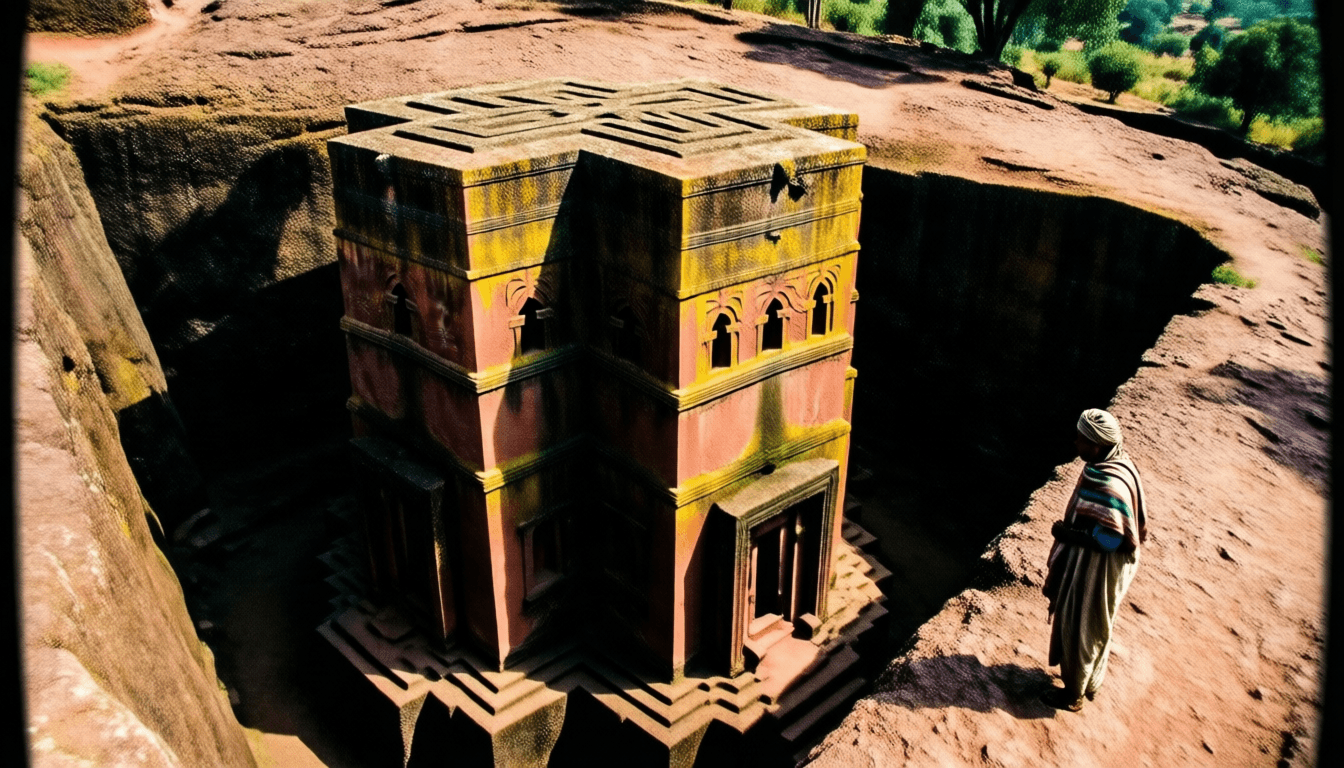
Imagine an experience of descending deep into the earth. But not into a natural cave; instead, it's a city of exquisitely carved living stone. In the rugged highlands of northern Ethiopia lies Lalibela, home to 11 medieval monolithic rock-hewn churches, unlike any other architecture on Earth. These are not structures built with stone, but buildings carved down from solid blocks of volcanic rock itself. Not soaring skywards, but standing embedded in the ground, these churches are masterpieces created from negative space.
For generations, local inhabitants have whispered a legend that transcends logic: that these seemingly impossible churches were not built solely by human hands, but by angels who worked tirelessly through the night to complete the divine vision of King Lalibela. This ancient oral narrative presents a profound challenge to modern archaeological and engineering understanding.
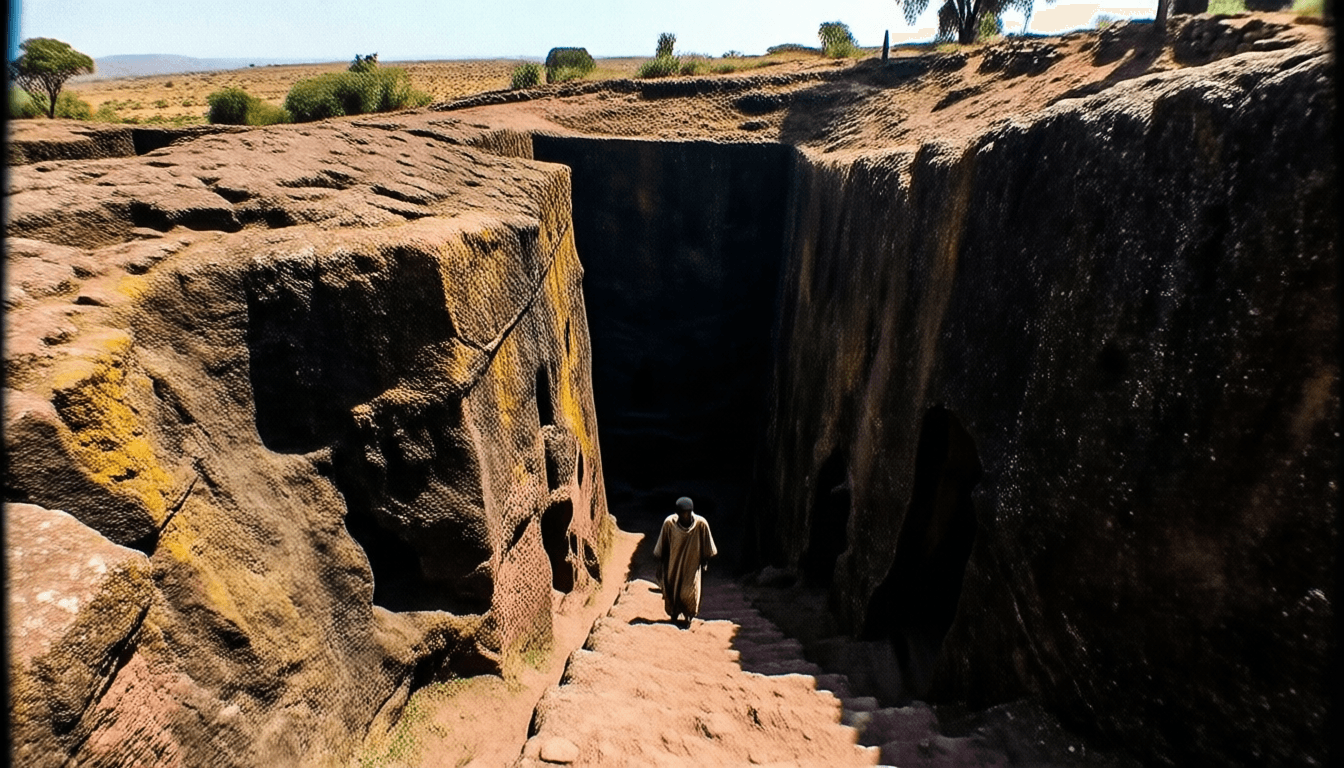
The journey to Lalibela itself feels like a passage through time and space, traversing remote roads across the Ethiopian highlands. The first impression upon arrival is one of a stark, almost barren landscape. But as one approaches the sacred sites, the earth itself begins to reveal its secrets. Deep trenches, sometimes 12 meters deep, delineate courtyards and passages, leading to structures only revealed as you approach the canyon's edge.
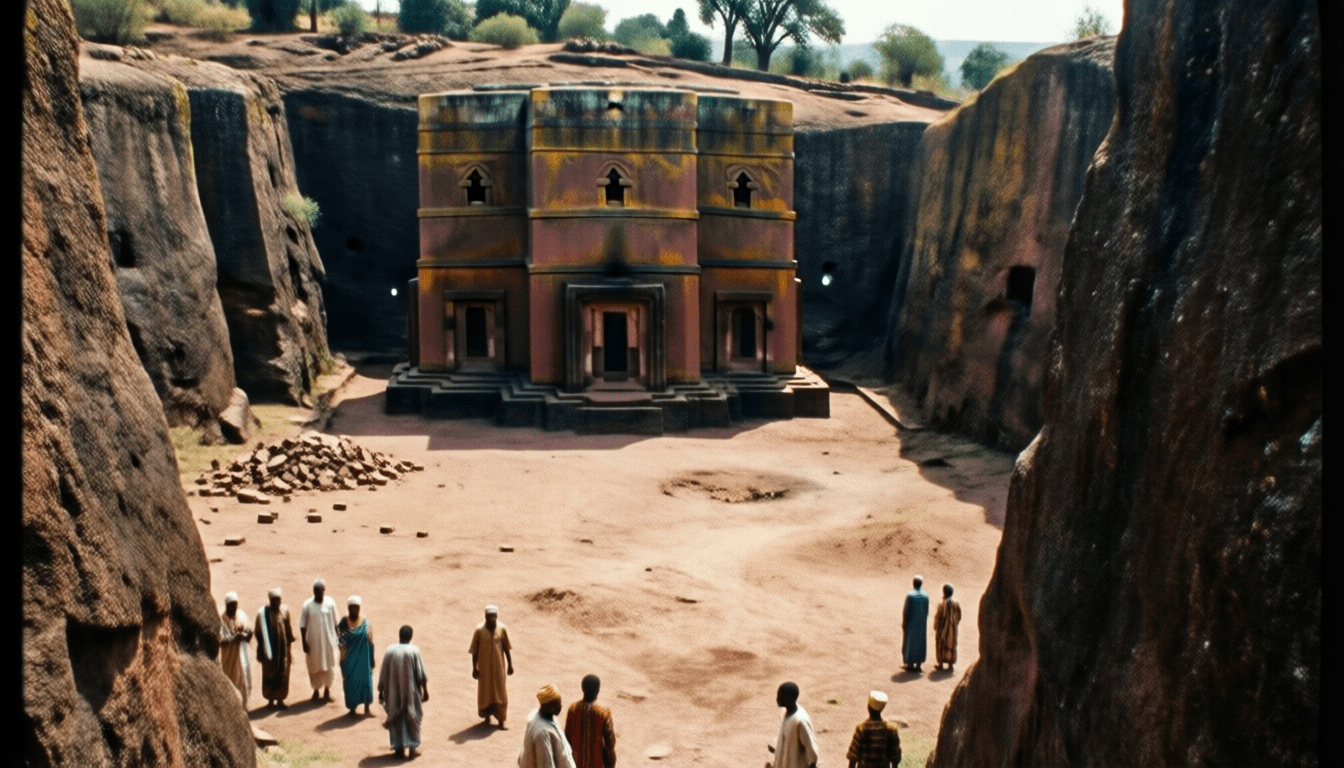
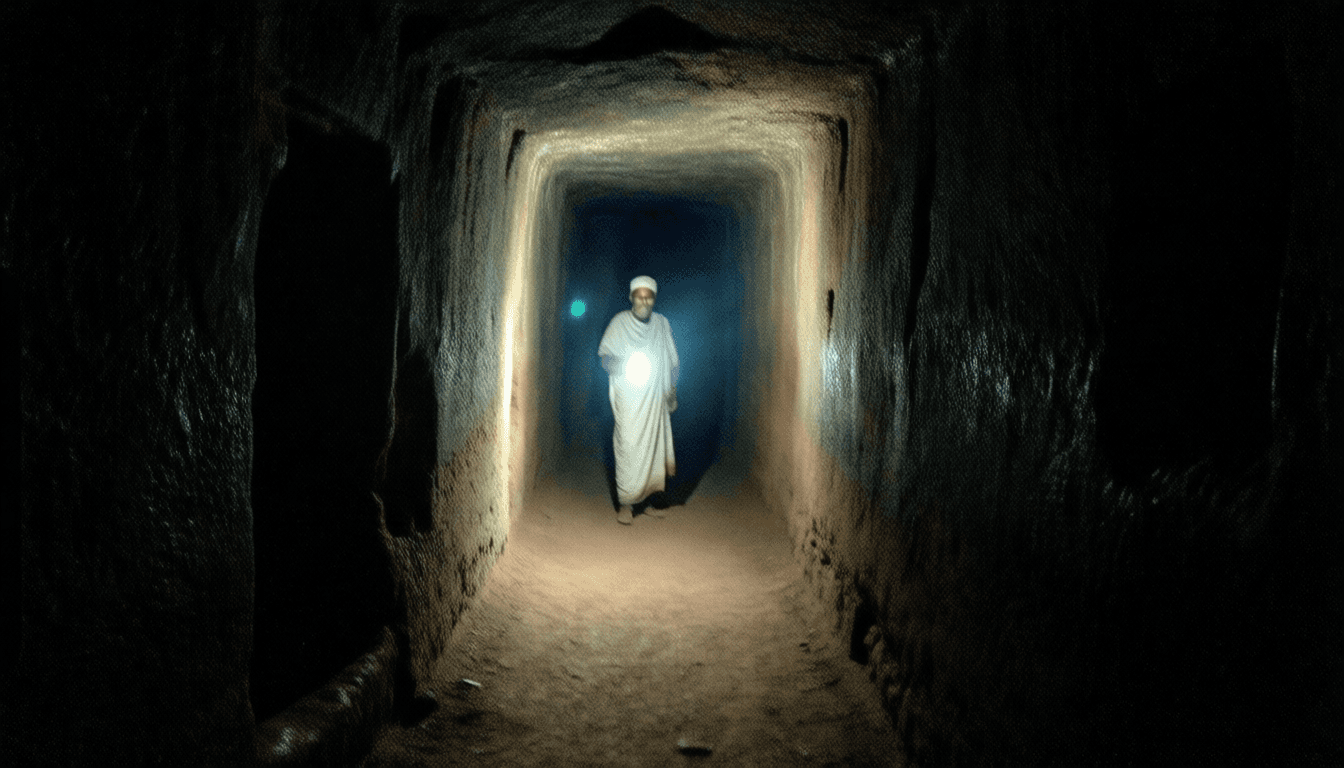
The most iconic, Bet Giyorgis (Church of St. George), is a breathtaking sight. A perfectly formed Greek cross stands majestically isolated within a deep pit, connected by only a single dark tunnel. Each church represents a monumental undertaking. First, a massive block of rock was separated from the surrounding bedrock, then carefully carved and chiseled from the exterior to reveal its intricate façade, and subsequently, its interior was excavated layer by intricate layer from within.
The sheer scale of this reverse architecture, accomplished with only primitive tools like chisels, hammers, and the unyielding will of its creators, immediately disorients the viewer.
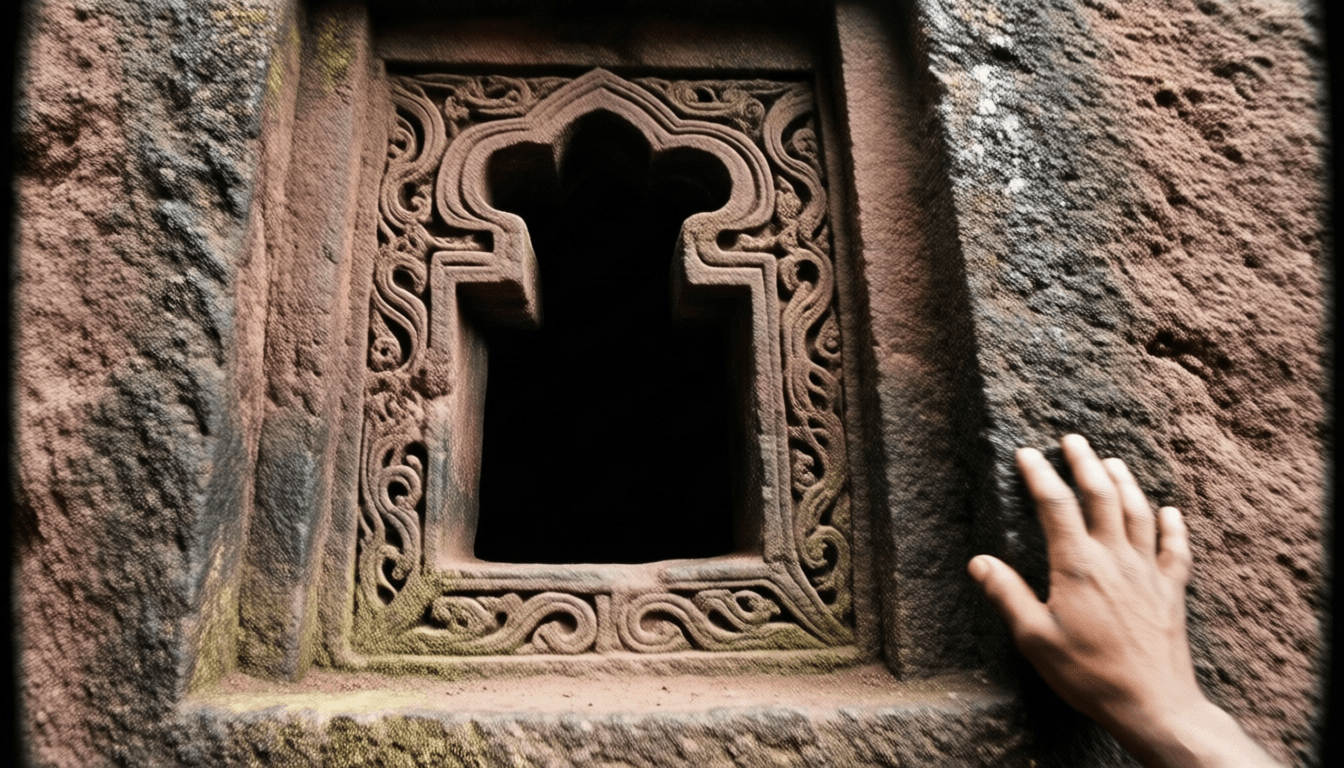
The immediate question Lalibela poses to any architect, engineer, or historian is not merely "how," but "exactly how." The precision evident in the symmetrical windows, perfectly vertical walls, and intricate decorative motifs carved into both external and internal surfaces is almost unbelievable, especially considering the challenging conditions. Without modern surveying instruments, laser levels, or even scaffolding in the traditional sense, how could such perfect lines and angles be maintained, predominantly digging downwards?
It is estimated that hundreds of thousands of cubic meters of solid rock were meticulously removed for these 11 churches. Where did all this immense volume of excavated material disappear to? There are no visible piles of debris or massive waste dumps surrounding the site.
Furthermore, the reign of King Lalibela (late 12th to early 13th century) suggests a construction period of approximately 23 years – a prodigious feat when compared to modern calculations that estimate it would take centuries even with today's advanced technology and manpower. The physical evidence simply doesn't align with conventional explanations of medieval construction capabilities.
Lalibela's ultimate anomaly lies in its monolithic nature. These are not structures built upon the ground but single, indivisible entities carved from the living rock. This approach presented unparalleled engineering challenges. How did the builders predict the structural integrity of the rock itself, identifying flaws and weaknesses within the solid material before carving commenced?
Evidence of sophisticated subterranean drainage systems carved into the bedrock to protect the churches from millennia of torrential rains demonstrates a level of foresight and planning far beyond simple excavation. The churches are not isolated monuments but an interconnected complex linked by underground passages, courtyards, and even hidden hermitages, all carved from the same geological matrix.
This vast, integrated network points to a master plan of extraordinary complexity. But perhaps the most perplexing aspect is the complete absence of contemporary written records detailing architectural blueprints, construction methods, or even the names of master architects. Thus, the legend serves not merely as folklore but as the only enduring narrative to fill a profound historical and scientific void for this 'impossible' achievement.
Centuries later, despite extensive archaeological research, geological surveys, and architectural analyses, the full scope of Lalibela's construction methods remains shrouded in deep mystery. These churches fuse influences from Aksum, Byzantine, and local traditions with a unique blend of faith and engineering prowess, defying simple categorization.
While human ingenuity and unwavering dedication undoubtedly played a massive role, the specific techniques that enabled such precise and vast monolithic carving with primitive tools in such a limited timeframe remain unexplained. Lalibela stands as a silent challenge.
It is a testament to a level of architectural planning and execution that transcends our current understanding of medieval capabilities. It is a place where the line blurs between human endeavor and the legend of 'angelic architects,' compelling both visitors and scholars to contemplate the vast and often inexplicable achievements of the past. The wonder of Lalibela endures, a powerful reminder that some of the greatest marvels of our world still hold their secrets, leaving us gazing upon them with both awe and a deep, beautiful curiosity.
[ CLASSIFIED VERDICT ]
[ACCESS LOG - SOURCE FILE]
The 11 monolithic rock-hewn churches in Lalibela, Ethiopia, boast a scale and precision deemed impossible for human technology. According to local legend, these churches were built by angels who worked tirelessly through the night to fulfill King Lalibela's divine vision. This ancient narrative serves as the sole explanation for an architectural mystery that defies modern engineering and historical understanding.