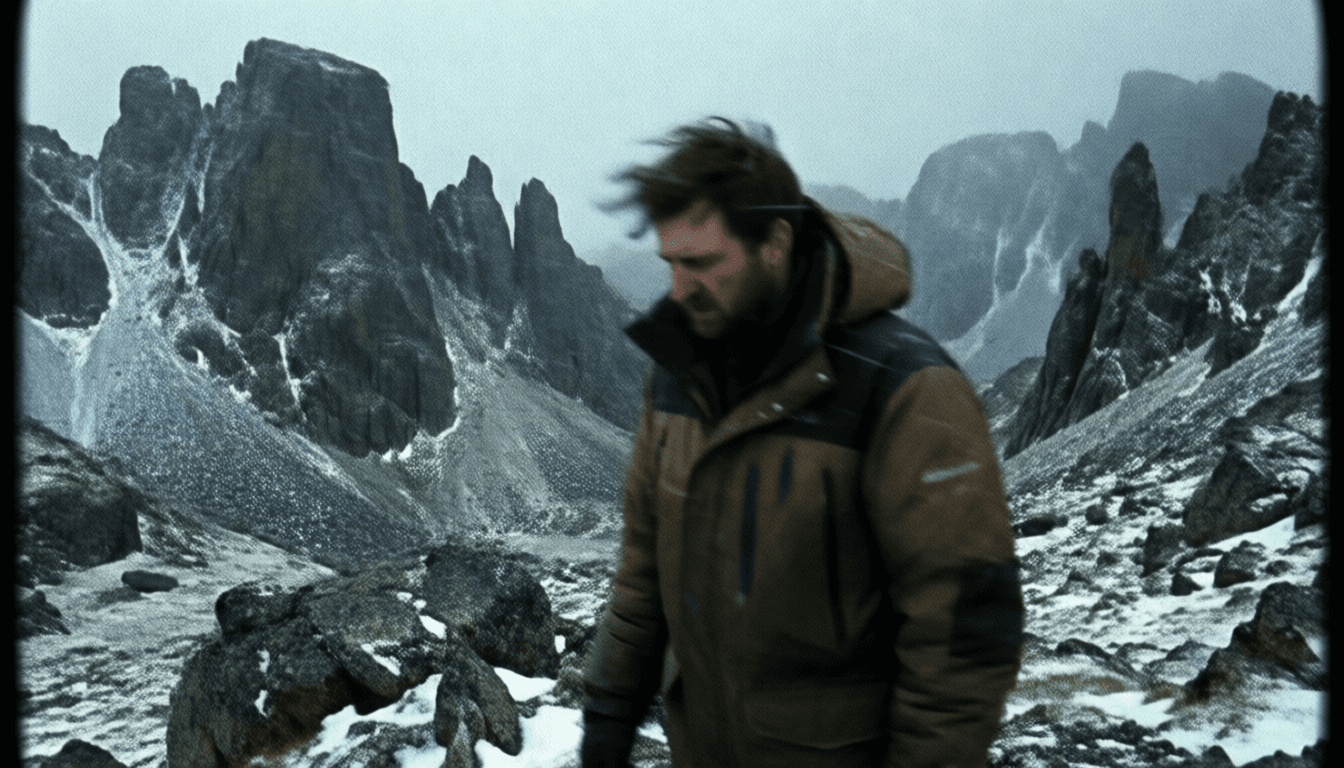
Khamat-Kaya's Breath: The Mountain is Alive
In February 1959, nine experienced climbers disappeared in the northern Ural Mountains. This was the Dyatlov Pass incident. Their tent was found slashed open from the inside, and six bodies were discovered barefoot or partially unclothed in sub-zero temperatures. Months later, among the remaining three bodies found under snowdrifts, some had skull and rib fractures, and one person's tongue and eyes were missing. There were no signs of struggle, nor external injuries corresponding to internal damage. Small amounts of radiation were detected on their clothes. The official cause of death was "a compelling unknown force." For decades, speculation continued about avalanches, secret military experiments, infrasound, or something far stranger.
But this record is not about the Dyatlov Pass itself. This record concerns a remarkably similar incident detailed in a report declassified in the late 1980s, occurring in a much less known, remote area of the southern Ural Mountains: the Khamat-Kaya Plateau. Three experienced Soviet geological survey members died in rugged terrain under circumstances eerily similar to the Dyatlov incident, and the file was immediately classified and buried. Their tent was similarly torn, and bodies were found scattered, showing inexplicable internal damage and contradictory states of undress. The last diary of one survey member was clutched in a frozen hand, simply stating: "*The mountain… breathes. And it hates us.*" The Khamat-Kaya incident remains a whisper and a footnote, overshadowed by its famous predecessor. But for the record-keeper of mysteries, its echoes resonate deafeningly.
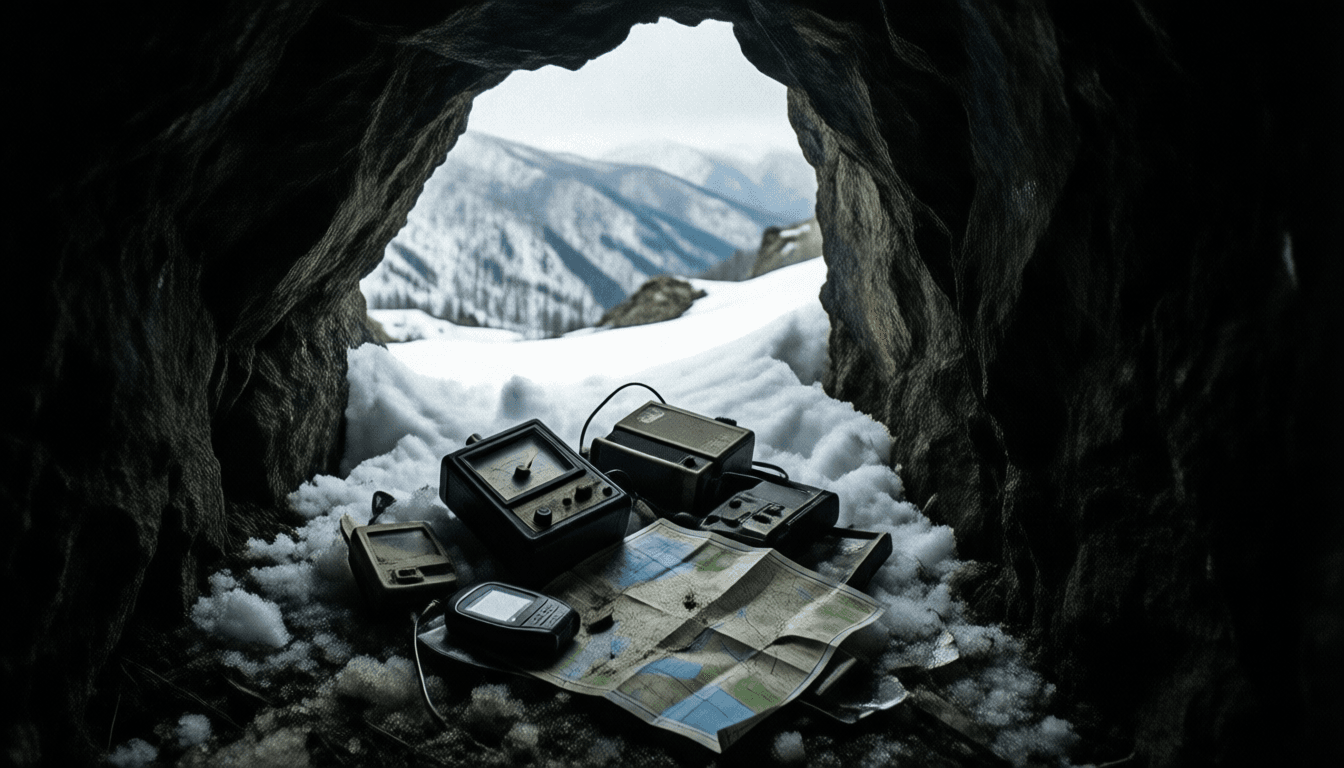
Drawn by this chilling similarity, Dr. Aris Kirov, an expert in topography and anomalous atmospheric phenomena, obtained special permission to access the Khamat-Kaya Plateau. It was late autumn, with the first snow beginning to fall, threatening to seal off the region until spring. He set out alone, equipped with state-of-the-art environmental sensors, precise GPS, and cold-weather gear. The desolate rocky and tundra landscape was silent, save for the low, constant moan of the wind. In a shallow basin near the coordinates where the survey team's tent was found, surrounded by wind-sculpted rock formations, he meticulously set up his base camp. A cold, much deeper and more unsettling than the ambient temperature, cut through the air. His first task was to measure normal environmental conditions. The silence here was not merely an absence of sound; it was oppressive, almost a physical presence.
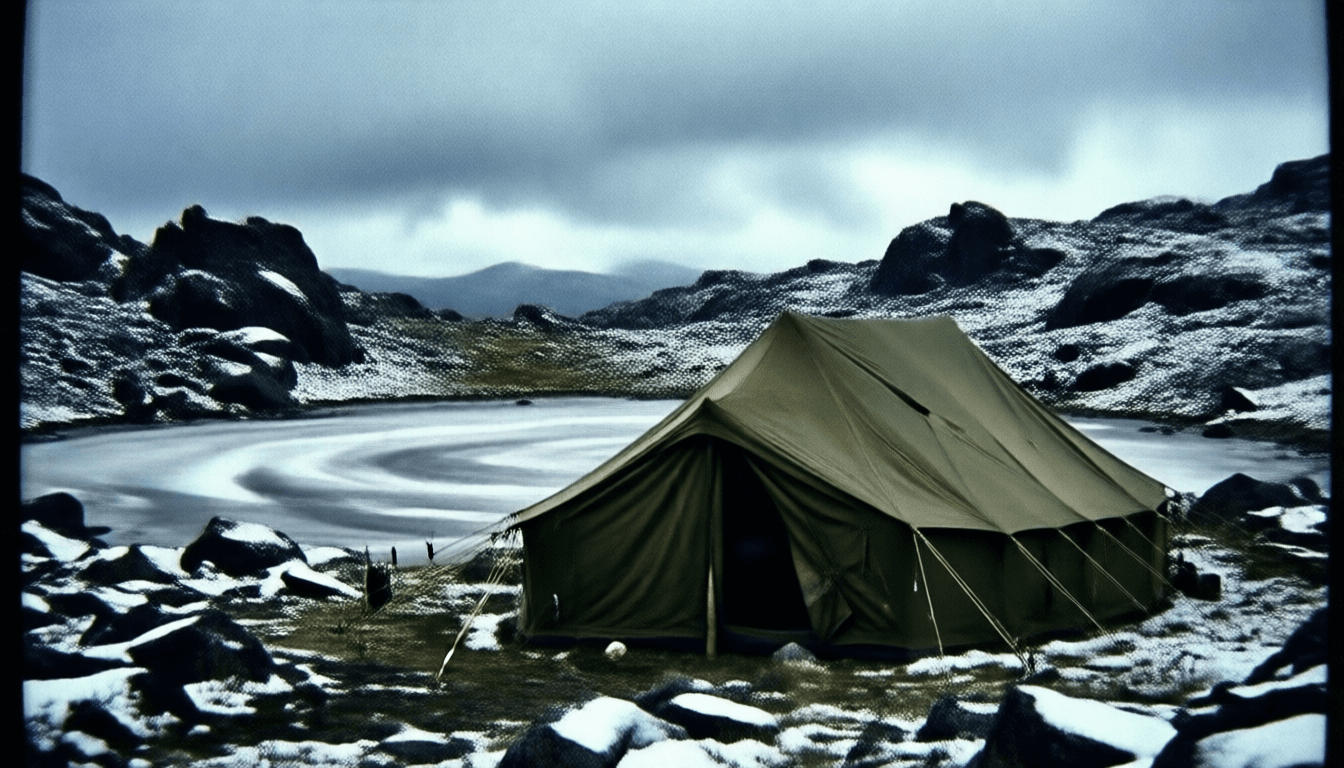
The anomalies began subtly. On the second day, Dr. Kirov's precise navigation system began to waver. GPS readings occasionally jumped hundreds of meters, and his always-stable compass needle swung slowly and erratically. Sound behaved strangely. The distant wind seemed to come from multiple directions, and faint echoes of his own voice would return seconds later, distorted and elongated. He strained to hear non-existent sounds. A faint, rhythmic thumping, deep within the rock.
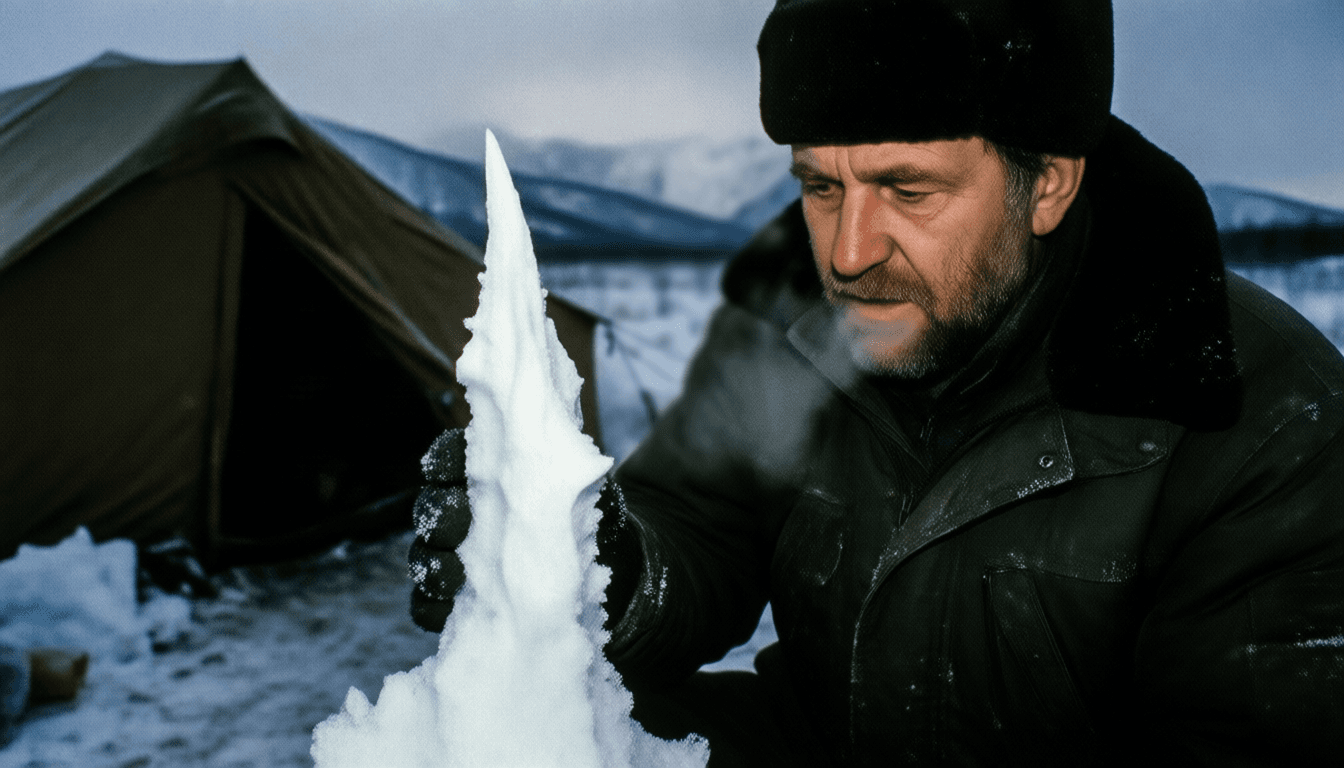
He noticed bizarre snow formations around his tent. Overnight, delicate, sharp spires, impossible to stand in windy conditions, had risen as if sculpted. His high-sensitivity thermometer recorded sudden, localized drops in temperature. Pockets of air would plummet 10-15 degrees Celsius instantly, then return to normal too quickly for any logical explanation. He experienced extreme disorientation during treks, finding himself unconsciously walking in circles despite familiar terrain. Sleep was fragmented, plagued by vivid, disturbing dreams of being crushed or suffocated under immense silent pressure. He began to feel an intense sense of being watched, a cold, alien presence observing him from the rocks themselves. A chilling realization washed over him: the mountain was alive, and it was aware of his intrusion.
Dr. Kirov decided to withdraw. The escalating anomalies and a deep, primal fear overwhelmed his scientific curiosity. As he began to dismantle his camp and pack essential gear, the environment turned overtly hostile. Sudden, violent gusts of wind, seemingly from nowhere, ripped through the basin, impacting his tent and equipment with impossible force. Yet, the air beyond his immediate vicinity was relatively calm. This wind was localized, focused, and utterly overwhelming. It wasn't just pushing; it was like physical blows, unseen fists striking his chest.
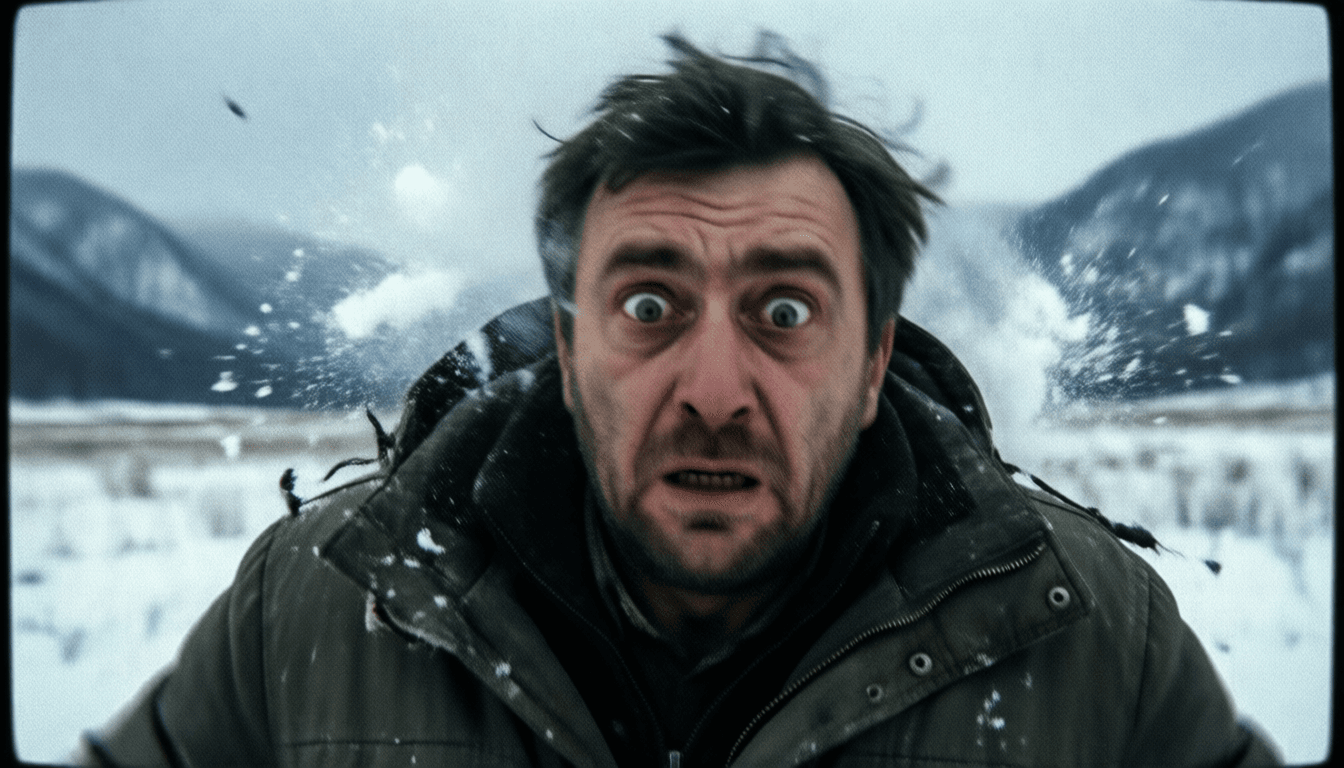
His ears began to ache and pop, as an intense, low-frequency hum vibrated through his bones, rising from beneath the ground. The hum escalated into an ever-higher pitch, morphing into a sickening, guttural sound that seemed to shatter the very air. Sudden changes in atmospheric pressure made his head spin, leaving him completely disoriented. He stumbled, trying to brace himself against the rocky terrain, but his vision blurred, and the world seemed to tilt. The previously gentle snowfall now swirled *upwards* in localized vortices, accumulating on his body at an impossible speed, threatening to bury him.
He watched his abandoned Geiger counter suddenly spike violently, its digital display flashing danger warnings as the invisible force intensified. Then, a sharp, physically destructive shockwave, completely silent, slammed into him. His ribs felt broken, his lungs ceased, yet there was no visible impactor, no falling rock, no ice. It was as if the air itself had solidified and struck him. He collapsed, gasping for breath, half-buried in the instant snowdrift, the hum pressing down, tearing at his sanity. The mountain wasn't just 'breathing'; it was actively trying to crush him. With a desperate, primal burst of adrenaline, he half-crawled down a steep, snow-covered slope, away from the epicenter of the unseen assault, tumbling into a narrow, barely visible crevice in the rocks. The moment he slipped inside the fissure, the crushing pressure, the roar, the anomalous wind—everything ceased as abruptly as it began. He lay there, bleeding, broken, utterly alone.
Dr. Kirov was found by a search and rescue team three days later. Miraculously alive but barely conscious, suffering from severe hypothermia, multiple fractured ribs, and extensive internal bruising. Doctors were perplexed by the nature of his injuries: severe blunt force trauma, yet no corresponding external impact marks. He recalled fragmented memories of an attack, impossible pressure, and an overwhelming sense of weight.
His recovered equipment told a chilling story. Environmental sensors were completely fried, their internal circuits melted. The GPS unit was damaged, reporting his location miles *beneath* the Earth's crust. His last few photos, taken just before the climax, were unrecognizable, showing only faint white and grey streaks, but one particularly unsettling image seemed to capture a translucent wall of force, like heat haze pressing against the lens. Most importantly, a single, corrupted data chip found in his miraculously still-functioning voice recorder contained repeated sounds of a deep, resonant hum. The frequency was so low it approached infrasound, overlaid with an almost rhythmic *thump-thump* that seemed both geological and biological.
Despite his trauma, Dr. Kirov submitted a precise and systematic report. While he couldn't conclude "unknown forces," his meticulously recorded observations, combined with impossible injuries and anomalous data, painted a picture of an environment operating beyond the bounds of known physics. He suggested a localized phenomenon—a geologically induced infrasound field, an electromagnetic anomaly, or something else entirely—that could induce panic, disorientation, and even physical trauma without direct contact. The official conclusion mirrored older reports: "Anomalous environmental stressors of unknown origin."
But Kirov knew. He woke every night, feeling the phantom pressure on his chest, the low thumping echoing in his bones. He saw the bizarre snow formations in his mind's eye. He knew the mountain had breathed. He knew it had felt his presence. And it had sent him a warning. Another file is added to the archives of unexplained phenomena. Another set of precise, chilling details subtly corroborating a terrifying truth: there are still places on Earth utterly alien, where the very ground beneath your feet possesses consciousness and the power to snatch away life and sanity, leaving behind only whispers and impossible evidence. And it knows when you look too deeply.
[ CLASSIFIED VERDICT ]
[ACCESS LOG - SOURCE FILE]
This story is inspired by the 'Dyatlov Pass incident' where nine climbers mysteriously died in the Ural Mountains in 1959. A torn tent, inexplicable internal injuries, and the official cause of death being 'a compelling unknown force' remained a mystery for decades, spawning various theories. This story explores another mystery, a tragedy on the Khamat-Kaya Plateau, bearing an eerie resemblance to this famous event.