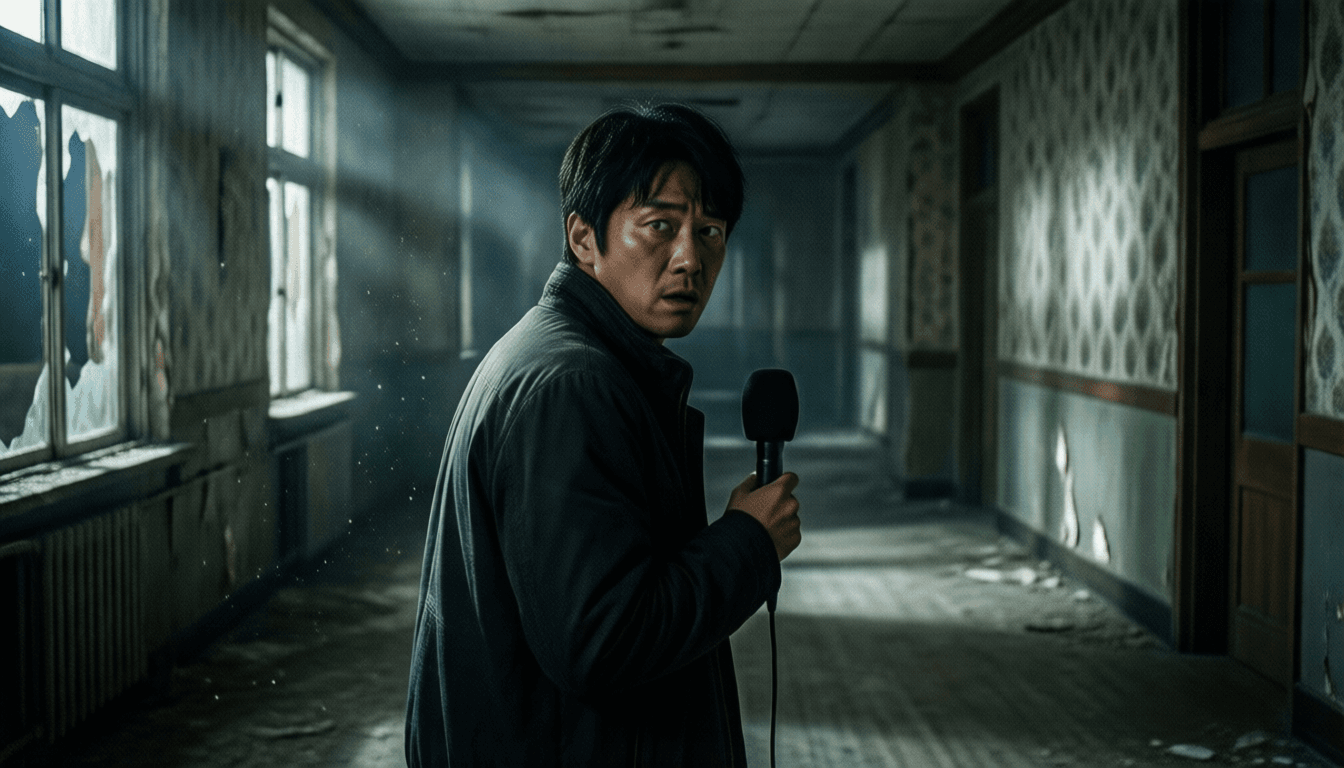
Gonjiam: Recorded Intrusion
The most compelling paranormal phenomenon related to Gonjiam Psychiatric Hospital didn't come from ghost stories or urban exploration videos. It originated from a perfectly ordinary-looking digital record. In late 2022, an independent forensic audio analyst specializing in digital signal processing for cold cases discovered a fragmented audio recording, purportedly from Gonjiam. It wasn't the expected screams or disembodied voices. Instead, it was a perfectly clean, four-second ambient soundscape from the hospital's central courtyard: gentle rain, distant vehicle sounds, and rustling leaves. The anomaly? This fragment was embedded within a 1997 police radio log, a record of an unrelated incident miles away. The temporal and spatial inconsistency was jarring. Weather data for that exact time in 1997 indicated clear skies, and the police radio's geographical coordinates had no connection to Gonjiam whatsoever. Yet, the soundscape was undoubtedly Gonjiam's sound. Deeply disturbed, the analyst posted the discovery to a private forum dedicated to digital singularities, where it was quickly dismissed as either an elaborate fabrication or equipment malfunction. But the original data existed, a perfect sonic snapshot in a place and time that shouldn't have been.
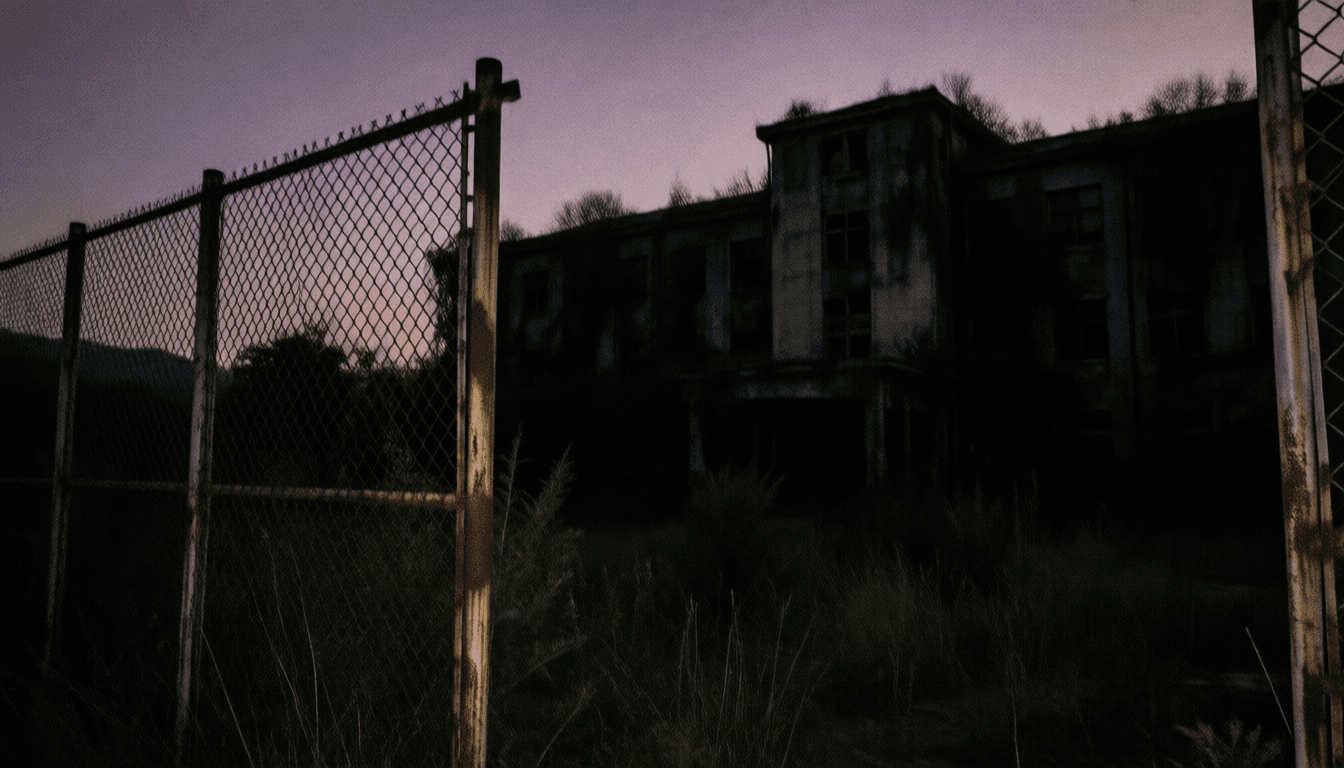
Drawn by the impossible fidelity of that audio fragment, I initiated an unofficial investigation. My background, an archivist of anomalous phenomena, demanded direct verification. Access to Gonjiam Hospital is formally restricted, but years of neglect and countless trespassers had rendered the barriers meaningless. I scaled the sagging chain-link fence at dusk, equipped with a highly sensitive directional microphone, a thermal camera, and a set of EMF detectors. The air immediately thickened upon entry. The heavy scent of decay and damp concrete permeated everything. The initial, profound silence felt unnatural, seemingly absorbing even the familiar hum of the distant city. Dust motes danced in the dying light, appearing to move against subtle, undetectable air currents. Faint floral patterns adorned the peeling wallpaper of the main entrance hall, yet beneath them, a faint, rhythmic scraping sound, like heavy furniture being dragged, seemed disproportionately close. Nothing, however, was disturbed. I moved methodically, making my way towards the spaces mentioned in recorded patient files and police reports: the central nurse's station, therapy rooms, and the infamous Room 402.
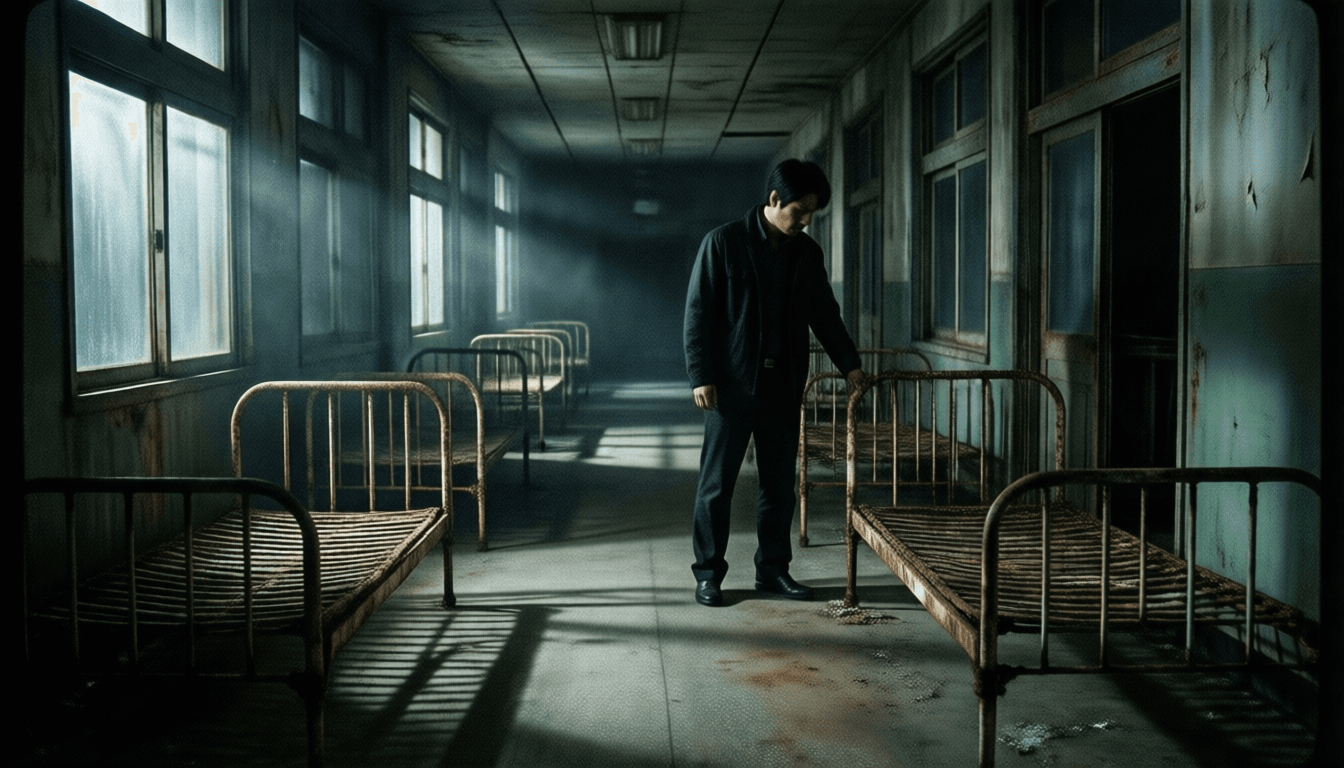
Deeper within the decaying structure, the environmental anomalies grew more pronounced. In the main ward, where rusted bed frames stood like skeletons, my thermal camera registered intermittent, rapidly shifting cold spots, unexplainable by airflow. One particular point, hovering over a corroded bed frame, registered a concentrated 4°C against an ambient 18°C, vanishing as quickly as it appeared. In a former examination room, I recorded echo delays that extended beyond expected reverberation times. My footsteps seemed to layer over themselves, creating a ghostly double effect, disorienting my presence. Barometric pressure felt subtly irregular, as if walking through shifting densities, my ears popping intermittently. Deeper still, near the hydrotherapy room, a constant dripping sound was audible, yet there was no visible leak or standing water. The sound seemed to emanate from the walls themselves, a hollow, ceaseless rhythm, pulsating beneath the faint hum of my equipment. My directional mic, focused on a particularly unsettling corridor, picked up faint, unlocatable whispers. Not distinct words, but breathy exhalations, as if a conversation was happening just beyond the threshold of human hearing, utterly untraceable.
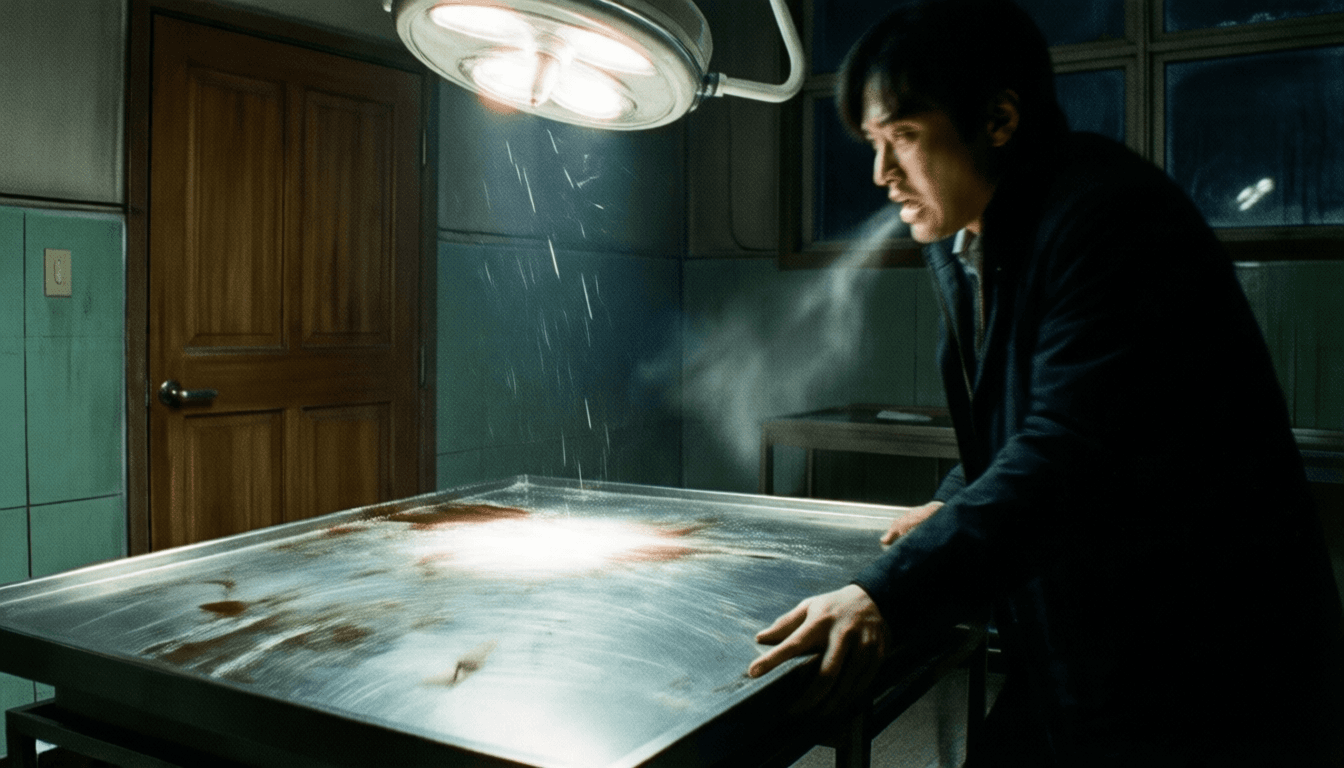
Finally, I reached the mortuary. The room was predictably eerie, but the chill here was different – a dry, desiccated cold that pierced the skin. A stainless steel dissection table stood at the center, stained with an unidentified, rust-like residue. My thermal camera registered no anomalous cold here, only a uniform, oppressive absence of warmth. Then, the rhythmic dripping I'd heard earlier returned, now amplified, seeming to emanate from the dissection table's drain. I extended my mic, moving closer. The dripping suddenly ceased. A low hum began, not from the table, but from the concrete floor beneath my feet, the vibration traveling through my boots. The room's thin, single wooden door, previously held ajar by a fallen piece of plaster, slammed shut with a
CRACK
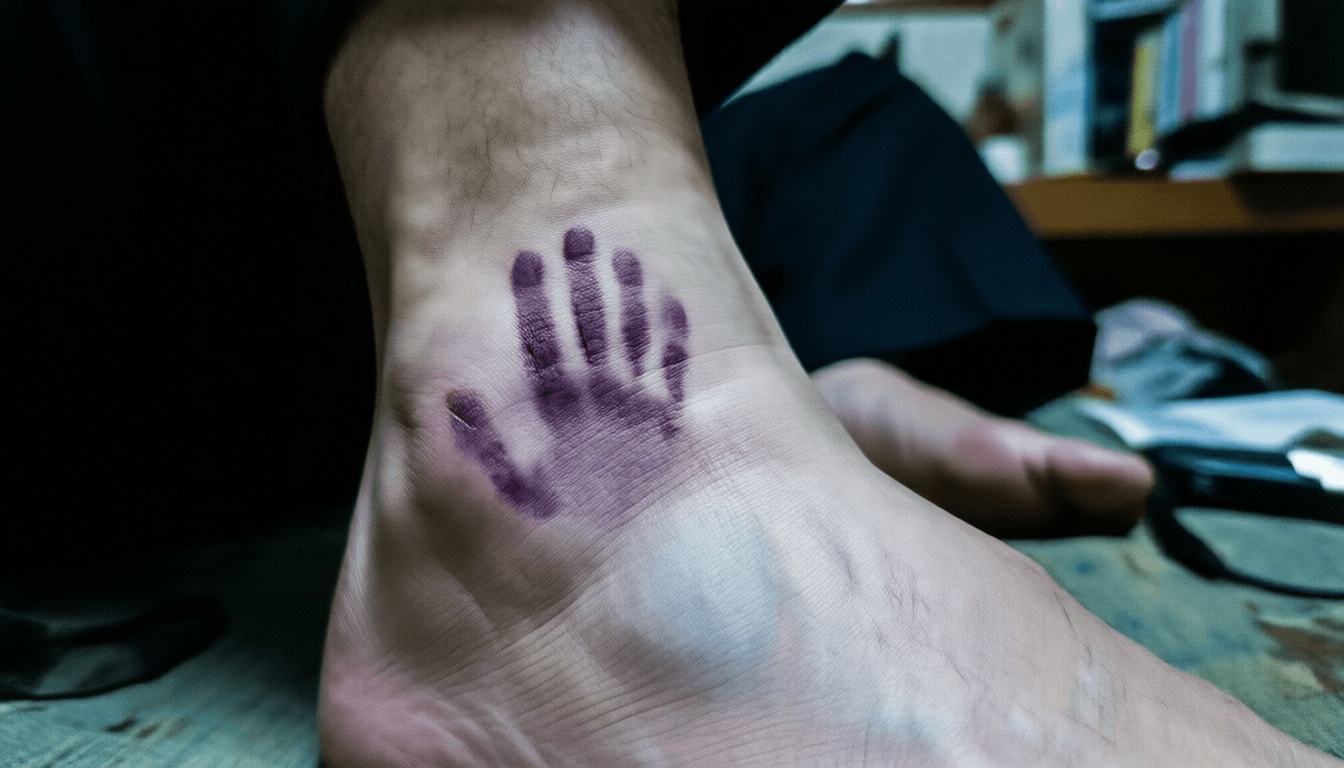
A sudden, chilling force grasped my left ankle. It yanked my foot forward, dragging me towards the dissection table. My hands instinctively clamped onto the edge of the steel table, but the grip on my ankle was relentless, digging into the bone. The air around my head turned impossibly cold, and a guttural, wet sound, not a whisper, rasped a single Korean word, “떠나” (Leave), directly into my ear. The breath was icy. I struggled against the cold steel, my fingernails scraping. Finally, the grip tightened, and a searing, bone-crushing pain shot up my leg.
I don't recall how I broke free. The sequence of events is fragmented, a blur of instinct and sheer terror. I remember the sensation of the icy hand finally releasing me, the taste of rust and dust in my mouth, and the buzzing silence that followed the intense moment. I stumbled out of Gonjiam Hospital, the metallic taste of fear a permanent fixture, adrenaline dulling the searing pain in my ankle. Days later, reviewing the collected data, the anomalies were stark. My EMF detectors had spiked violently during the confrontation, charting patterns that defied known electromagnetic phenomena. The thermal camera registered a momentary temperature drop to -2°C in the mortuary—an impossible chill for an open, uninsulated room.
But the most disturbing evidence was in the audio. The four-second fragment of gentle rain—the very anomaly that had drawn me to Gonjiam—was now present in all my audio files recorded inside the hospital. Subtly layered beneath every whisper, every echo, every falling piece of plaster. It was as if the fragment itself, the impossible soundscape of 1997, had grafted itself onto my present recordings, a ceaseless, subconscious hum. I hear the faint rain now, in my archives, even in quiet moments in my home. A phantom rain, echoing from a place I barely escaped. And on my left ankle, just above the bone, a faint, unhealing bruise remains: perfectly etched skeletal finger marks, forever cold to the touch.
[ CLASSIFIED VERDICT ]
[ACCESS LOG - SOURCE FILE]
Gonjiam Psychiatric Hospital, located in Gwangju, Gyeonggi Province, was a real hospital and is known as one of Korea's top three haunted locations, serving as the backdrop for countless ghost stories and urban legends. After its closure due to rumors of mysterious patient deaths and the disappearance of the director, it became famous for tales of strange phenomena witnessed there. Many people have illegally trespassed into the abandoned hospital to experience its eerie atmosphere.