Cappadocia's Underground Cities: Ancient Civilization in a Labyrinth
A gaze across the Central Anatolian plains of Turkey meets a landscape unlike any other on Earth. Thousands of spire-like rock formations, the so-called 'fairy chimneys,' rise from volcanic tuff, sculpted over millennia by wind and water into otherworldly shapes. Yet, this surreal moonscape holds secrets far deeper than its surface beauty. Beneath the very ground we walk upon, hidden for miles, lies a colossal labyrinth of ancient cities, stretching endlessly into the depths. These subterranean metropolises were carved with astonishing sophistication from the soft rock, capable of housing tens of thousands of people, self-sufficient worlds designed with an inexplicable level of ingenuity. Their origins and ultimate purpose still echo as one of history's most profound mysteries.
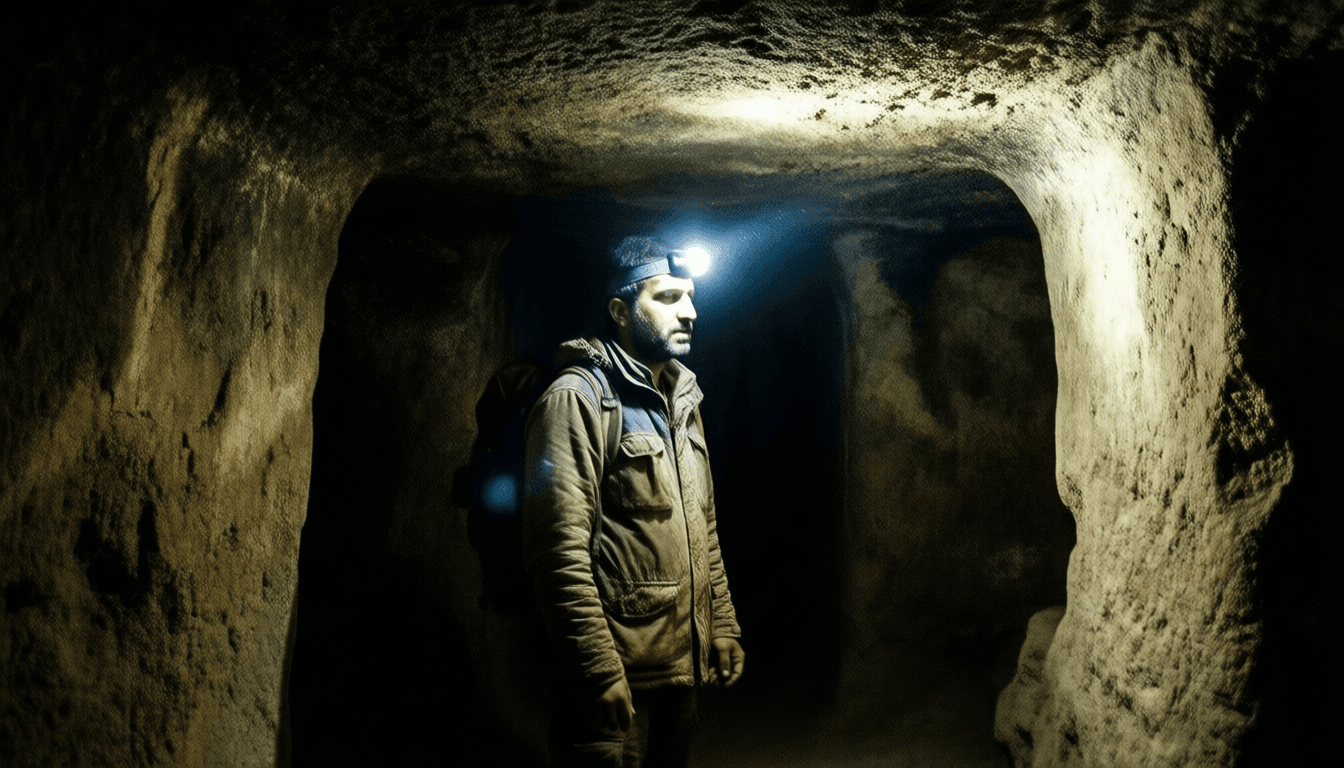
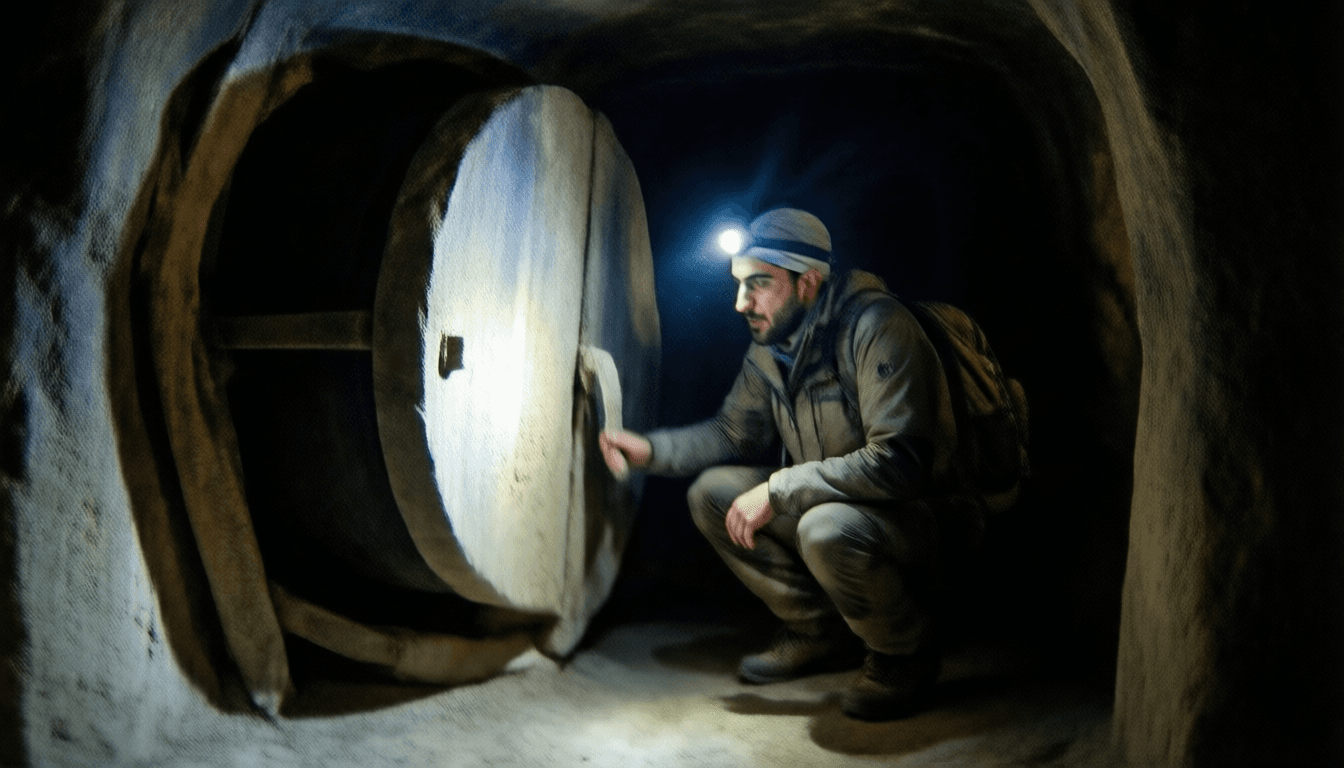
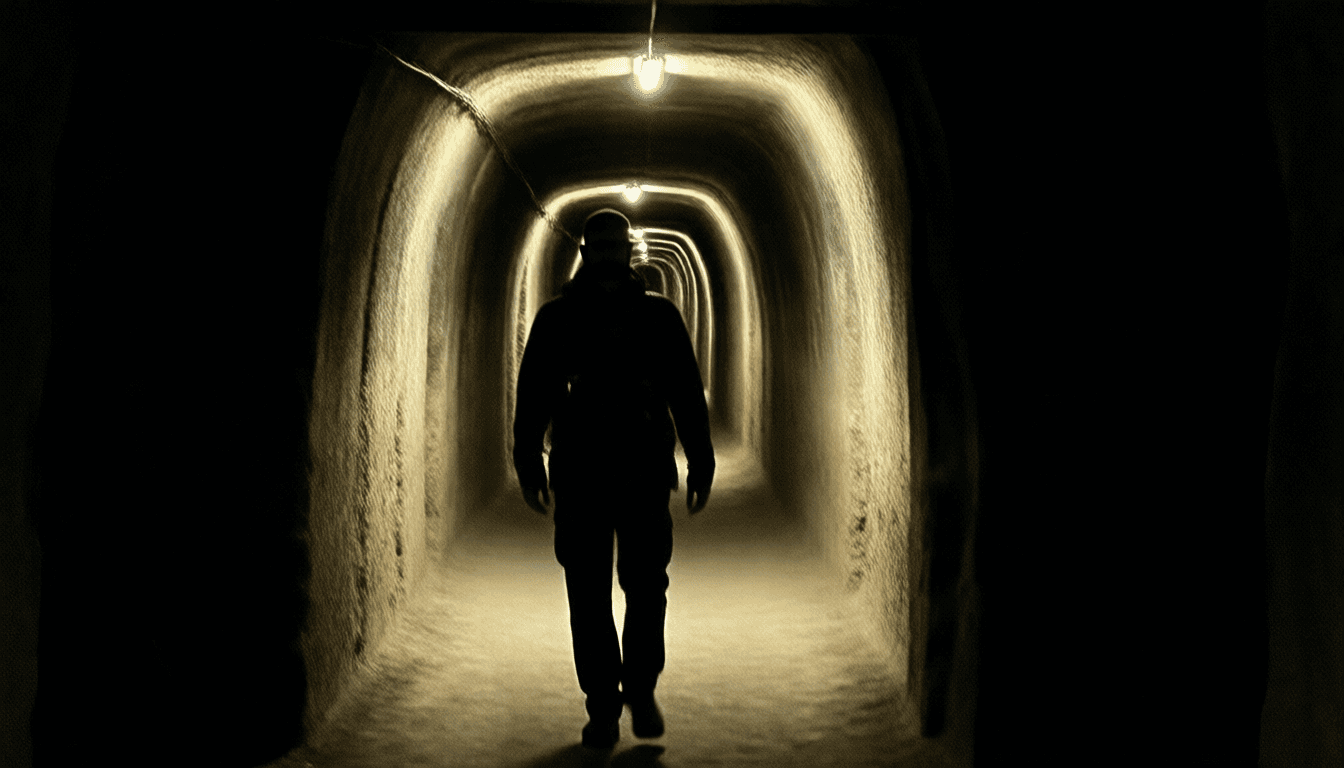
The journey into this geological and archaeological marvel often begins not with a grand entrance, but a humble opening in the earth—often a hidden passage or an almost imperceptible narrow doorway. Stepping inside, the air immediately chills, and the silence deepens. We enter Derinkuyu, the largest excavated underground city, a maze that plunges 18 stories deep. Passages, at times wide enough for families to walk abreast, at others requiring one to duck and squeeze, connect a dizzying array of rooms: living quarters, stables, churches, storage chambers, and even wine presses. Massive circular stone doors, weighing hundreds of kilograms, stood ready to roll into place, sealing off entire sections from intruders. Everywhere, chisel marks etched into the volcanic rock speak of immense human effort, but the overall design reveals intelligent foresight, a complex blueprint for survival. While the cave dwellings in the 'fairy chimneys' above ground show a gradual evolution of human habitation, they offer little insight into the engineering brilliance found hundreds of feet below.
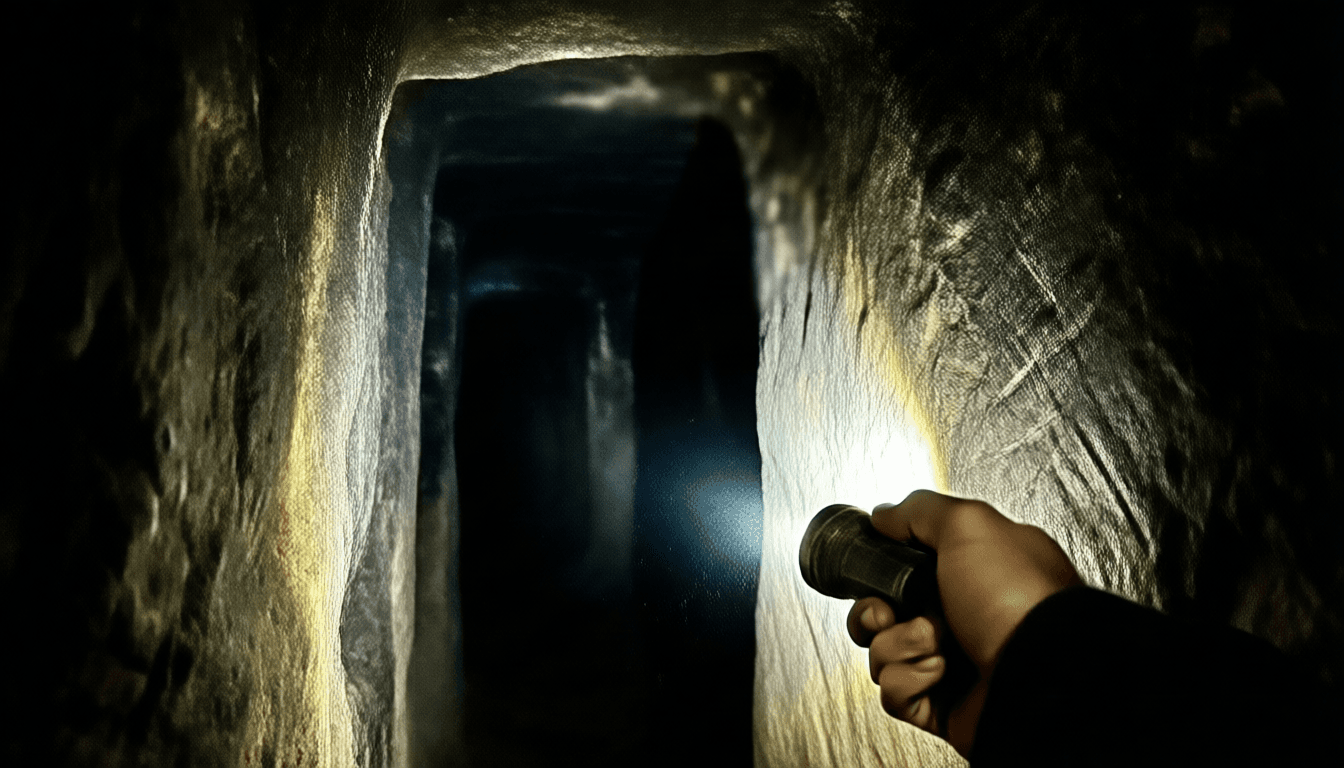
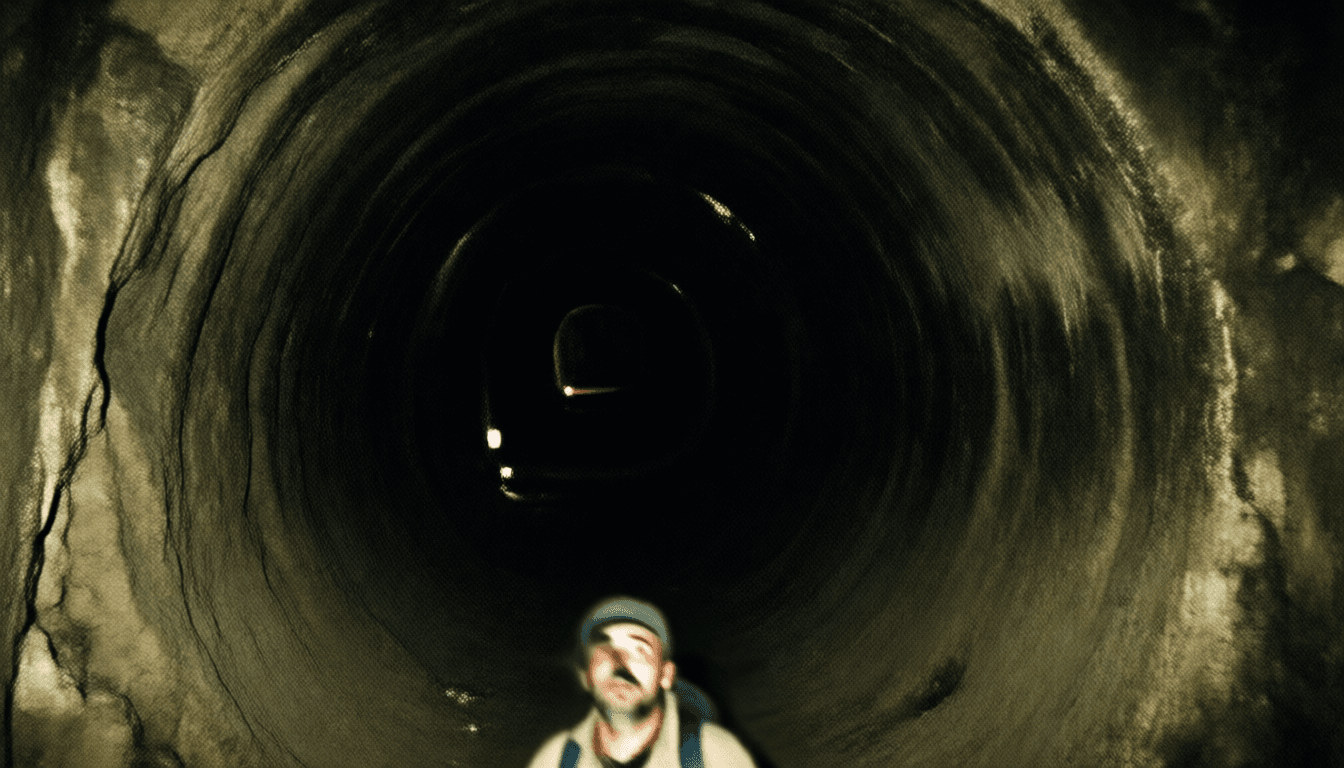
Deeper into Derinkuyu and other underground cities like Kaymakli, the questions multiply. How were these cities, estimated to have involved the removal of millions of cubic meters of rock, carved with only primitive tools? Even with modern equipment, the excavation would be on an enormous scale. More astounding still is the incredible ventilation system. Hundreds of vertical shafts, some plunging over 250 feet, deliver fresh air to the lowest levels, maintaining a constant temperature and breathable atmosphere throughout. How was this intricate network of air circulation, providing adequate oxygen to every chamber, planned and executed without detailed architectural drawings or advanced physics? Furthermore, sophisticated wells and extensive food storage areas point to long-term self-sufficiency, suggesting these were not just temporary shelters, but fully functional, perhaps even permanent, settlements. The earliest archaeological evidence points to Phrygian origins around the 8th-7th centuries BCE, hinting at pre-Hittite civilizations, but clear records of initial construction remain elusive.
The most profound enigma of the Cappadocia underground cities lies not just in their construction, but in their ultimate purpose and scope. While Derinkuyu is impressive, its most astonishing feature is an 8-kilometer tunnel believed to connect it to Kaymakli, suggesting a regional network of interconnected subterranean worlds. This raises questions about a shared, monumental threat that necessitated such extraordinary collective defense. What were they hiding from, and what colossal upheaval were they preparing for? Was it enough that an entire civilization had to disappear underground for extended periods? And what of the estimated 200 other similar underground cities, many still unexplored or only partially mapped? Each discovery reveals more complex engineering, more sophisticated planning, yet never a clear answer to the ultimate 'why.' The level of architectural and communal organization required to conceive, excavate, and inhabit such vast underground spaces, potentially for years at a time, speaks of a foresight, resilience, and mastery over their environment that continues to overturn our understanding of ancient civilizations' capabilities.
Today, Cappadocia's underground cities stand as silent sentinels, vast stone archives holding stories we can only partially decipher. The cool, quiet passages, once bustling with life, now echo with the footsteps of curious visitors. Each step is a testament to the enduring mystery. Despite ongoing archaeological efforts, carbon dating, and geological studies, the full narrative of who built these cities, when, and for what ultimate, grand purpose remains tantalizingly out of reach. We are left to ponder the ingenuity and sheer audacity of ancient peoples who carved entire worlds from within the planet's interior. It is an enduring legacy that shakes our perception of history, architecture, and human potential. The Earth still holds countless secrets beneath its surface, and Cappadocia offers a humbling realization that some of the greatest wonders lie hidden, their silent majesty continuing to evoke awe and curiosity long after their architects vanished into legend.
[ CLASSIFIED VERDICT ]
[ACCESS LOG - SOURCE FILE]
In Cappadocia, Turkey, massive underground cities, built thousands of years ago, exist. These cities, capable of housing tens of thousands, feature complex ventilation systems and defensive structures, yet the exact records or purposes of who, why, and how they were built remain a mystery. These ruins, showcasing the ancient people's remarkable architectural skill and wisdom for survival, hold unresolved enigmas of an ancient civilization.