Wharton's Echo: The Moving Presence
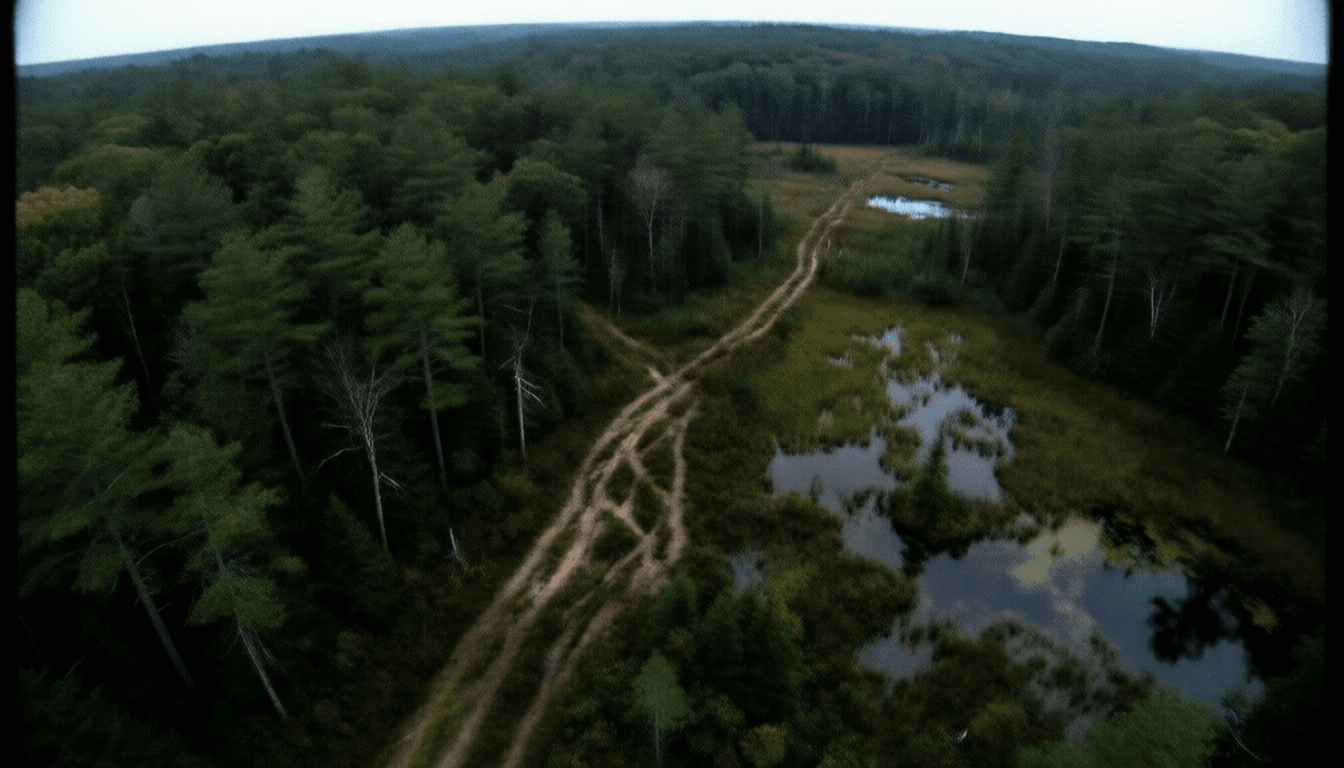
Late last October, two amateur drone enthusiasts filming a remote section of Wharton State Forest near Batsto Village made an unexpected recording. Their high-resolution aerial footage captured deep, irregular tracks extending for approximately 400 meters through dense thickets and small wetlands. Their form was unlike any known animal footprint. Too deep for deer, too irregular for a wild boar, and entirely devoid of the clear paw prints of a coyote or dog. What was particularly intriguing was the accompanying audio record. The drone's sensitive microphone, designed for ambient sound recording, captured a nearly subconscious, low-frequency hum, followed by three distinct, heavy exhalations. Not bird calls, nor mammalian growls, but the labored, wet gasps of impossibly large lungs. Experts initially dismissed these as wind noise or drone machinery, but spectral analysis by a small online community of acoustic researchers identified abnormal harmonics consistent with a biological origin, yet belonging to no known catalog of life. This "Wharton's Echo" became a small internet phenomenon, eventually reaching me.
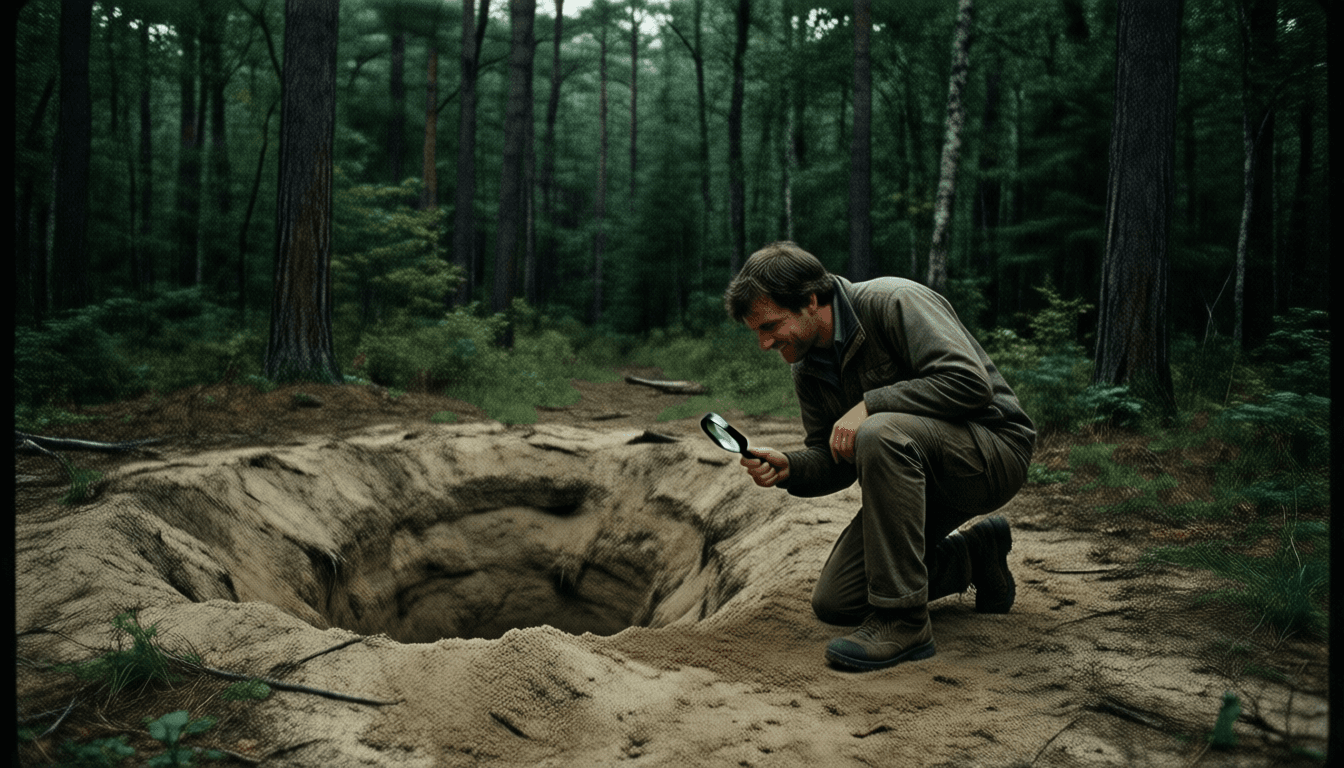
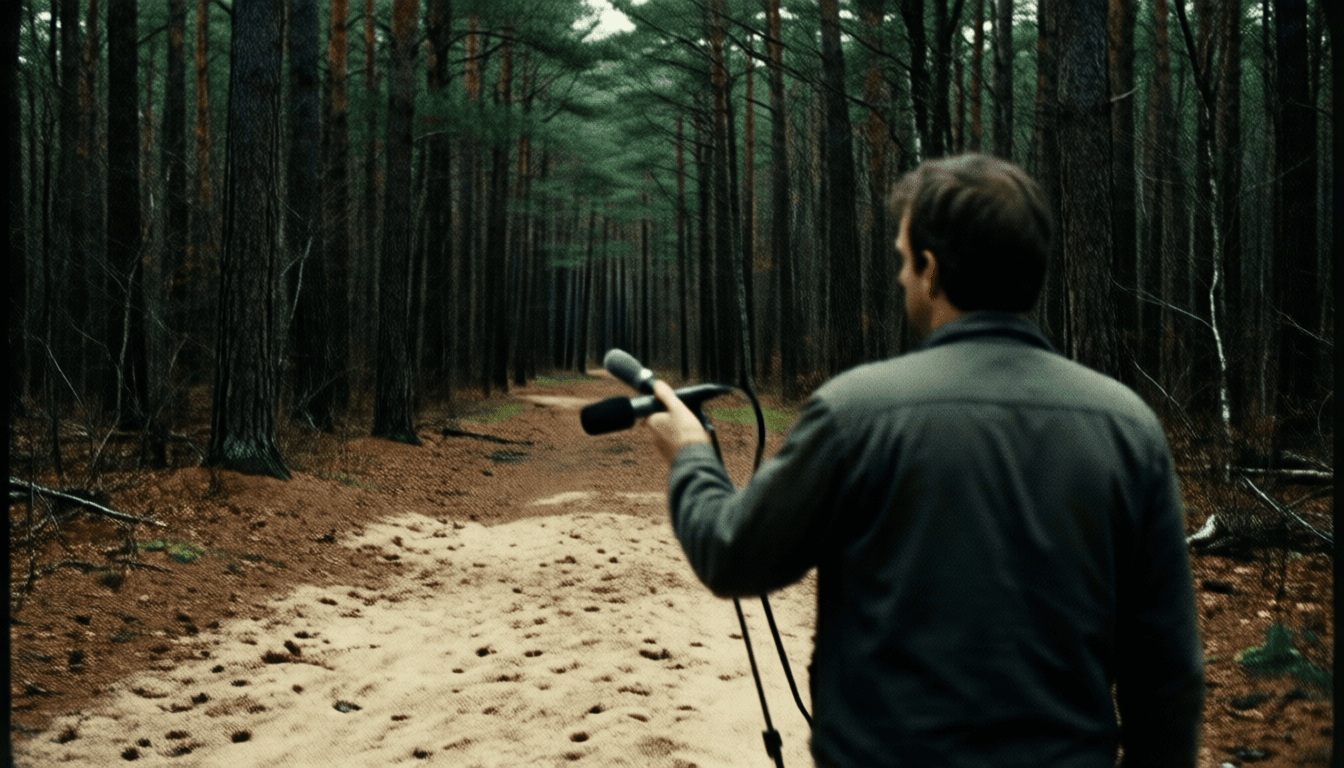
Under the pretense of geological survey, I secured access permits to the restricted area in cooperation with the park service. My equipment was standard: a directional microphone, a high-frequency recorder, a thermal imaging camera, a robust GPS unit, and several sturdy trail cameras. Entering the designated zone, the stillness of the Pine Barrens was immediate and deeply pervasive, a stark contrast to the distant drone of traffic from Route 206. The air was heavy with the scent of damp pine needles and decaying leaves, and the ground, contrary to its appearance, was a softly yielding sand. My initial search was uneventful, a slow, methodical progression. Following the drone coordinates, I located the first deep track. It was, indeed, inexplicable. Roughly oval, about 20 cm wide, it was pressed several centimeters deep into the firm soil, as if an immense weight had settled precisely. It was less a traditional footprint and more a series of heavy, deliberate indentations. My initial audio recordings captured only the sighing wind through the pines and the sounds of my own movement. The thermal camera displayed only ambient temperatures.
As I delved deeper, following the tracks, the atmosphere began to shift. The absolute silence deepened, becoming a suffocating pressure. Even the ubiquitous mosquitoes seemed to vanish. To check the acoustics, I experimentally called out, "Investigator's log, Point 5," and an echo returned, but it was fragmented, delayed, and subtly distorted, as if passing through an imperfect medium. A small stream, barely a trickle due to drought, crossed my path. I felt a chill run down my spine as I noticed leaves and debris stubbornly clumped together on the upstream bank, moving against the meager current. My GPS unit began to flicker, intermittently losing satellite signal despite a clear sky. The previously pleasant scent of decaying pine needles was now mixed with a sickly, almost metallic odor. I paused to set up a trail camera, adjusting its angle, when a low, sustained hum began to vibrate from deep within the ground beneath my feet. It was the same frequency pattern as heard in the drone audio. Too low to be properly heard, but it resonated deep within my chest. Checking the high-frequency recorder, its needle surged sharply, far below human audible range. Within seconds of activation, the trail camera, despite being clearly buffered before deployment, displayed a "low battery" warning.
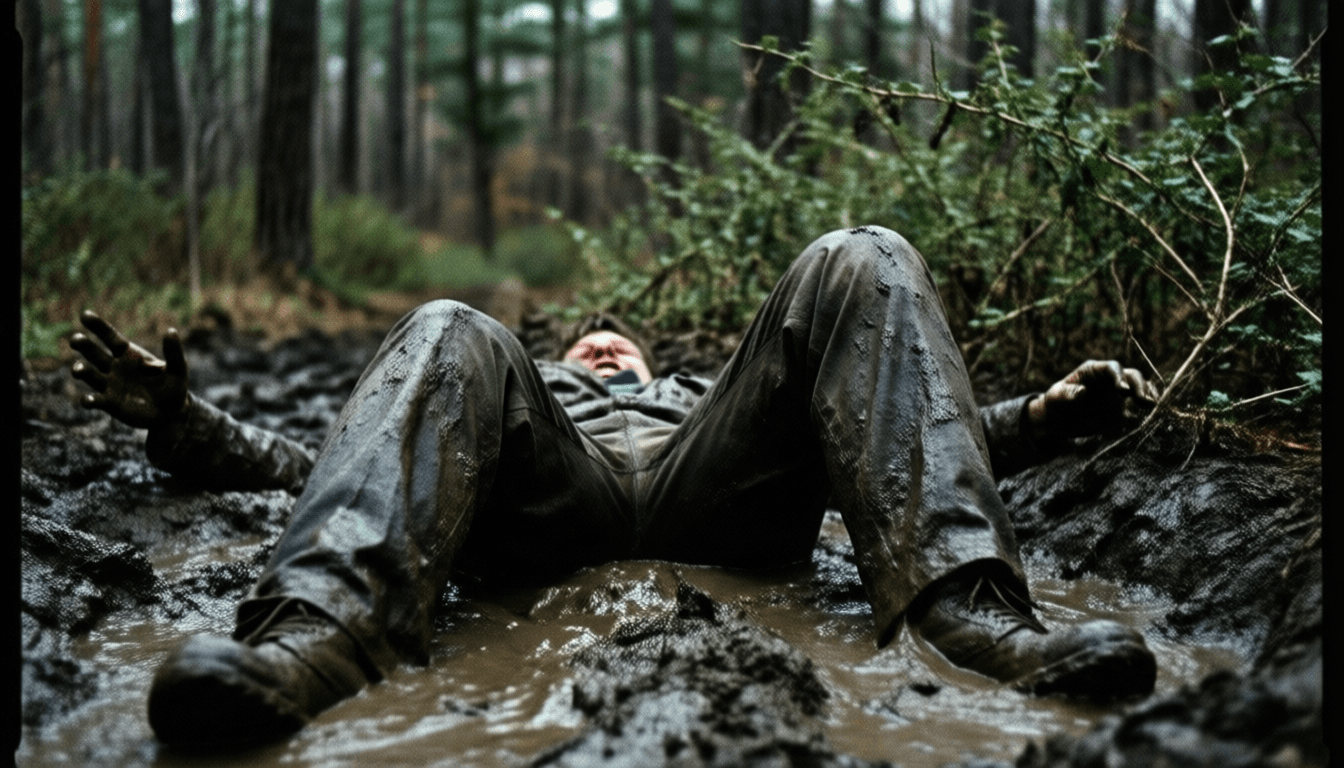
The hum intensified, vibrating through the soles of my boots, aching in my teeth. I tried to retrace my steps, but the path I had meticulously marked with flagging tape seemed altered. The smilax thickets, previously passable, now formed an impenetrable wall of impossibly long, stiff thorns. The ground beneath my feet shifted; the soft sand suddenly gave way to sticky, sucking mud. I sank in up to my knees, struggling to pull my legs free. The hum abruptly cut off, followed by a deafening silence. Then the heavy exhalations returned. This time, louder, closer, accompanied by a bone-chilling, immediate reverberation. I threw my weight forward, pulling myself out with a terrible crunch from my knee. Scrambling, my hand brushed against something in the mud. It was a cloven hoof print, far larger than a deer or boar, with a strange, residual heat.
A desperate scuffling erupted from the forest edge directly ahead. Impossibly fast, impossibly heavy for any known creature. I swung my thermal camera around, but the screen showed only blurred static, colors inverted. The air, even in the afternoon sunlight, suddenly turned frigid, chilling me to the bone. Then, a thick, dead branch rose from a fallen log. A movement against gravity. It then snapped and fell back with a violent crack. A hot, foul breath engulfed the back of my neck. I spun around, directional mic raised, but saw nothing. The heavy cough-like exhalation filled the air again, directly in front of me. It was accompanied by a sound like immense wet fabric flapping in the wind, yet there were no wings, no discernible form. My headlamp, now the only source of light, began to flicker erratically, its beam bending and distorting as if passing through rippling water, casting my shadow in grotesque, impossibly elongated forms.
I tried to run, but my injured knee screamed. A sudden, crushing weight slammed into me below the waist, throwing me into the thorn bushes. It wasn't a shove, but a sustained, persistent pressure, as if I was pressed against a solid, invisible wall. I tasted blood in my mouth. As I gasped for air, something cold and impossibly dry brushed across my cheek, leaving a faint burning sensation. A low, guttural growl vibrated from deep within the ground directly beneath me. It was then that I saw it. Not with my eyes, but felt it with my entire being. A vast, unmoving presence, distorting the very fabric of the air around it. An ancient, suffocating malevolence, as if trapped beneath a mountain of shadow. With a final, desperate surge of adrenaline, I clawed my way through the thorns, ignoring the tearing of clothes and skin. I was absolutely certain that if I remained there, my very existence would simply cease. The pressure on my back diminished, but I heard a snap and a whoosh as something surged into the air above me, followed by a distant, mournful wail that abruptly cut off, as if something had ripped it from the sky.
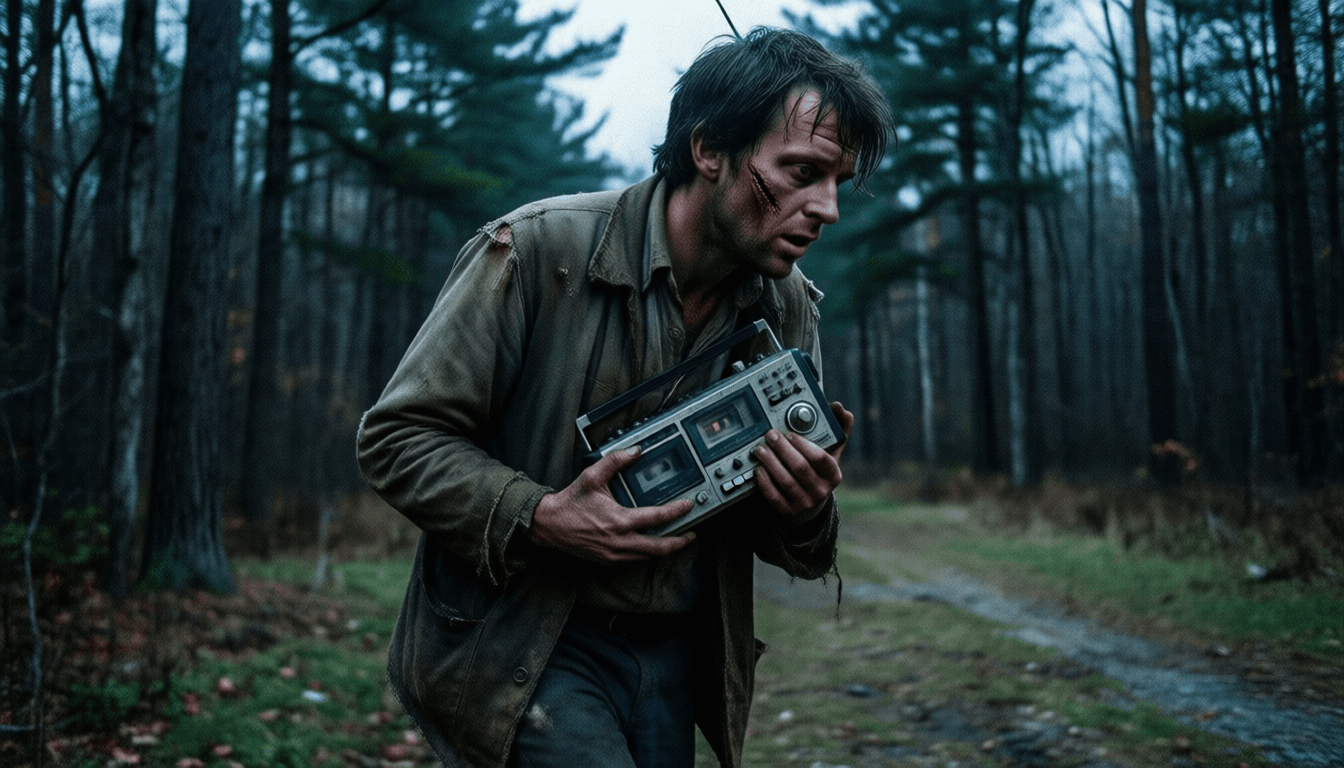
I stumbled out of the Wharton wilderness nearly twelve hours behind schedule. Disoriented, dehydrated, and bleeding profusely. My left knee was badly sprained, my clothes were in tatters, and there was a deep, almost cauterized laceration on my right cheek. Not a tear, but a precise, shallow burn mark. In my desperate escape, I had lost my thermal camera and most of my recording equipment. Miraculously, only the high-frequency recorder remained strapped to my waist, its casing cracked but internal memory intact.
After a brief medical examination, the official report listed my injuries as due to a fall and exposure. The laceration on my cheek, despite its unique appearance, was dismissed as "a brush with toxic flora." I offered no further explanation.
Back in the quiet of my archives, I spent hours meticulously analyzing the recovered recordings. They captured the escalating hum, the heavy exhalations, the impossibly broken branch. And amidst the eerie silence in my desperate struggles, a faint, almost subconscious whisper. Not words, nor any language I could comprehend, but a cadence and distinct rhythm that spoke of an ancient, somber presence. In the final few seconds, just before the recording dissolved into static, there was a clear, undeniable shift in air pressure, followed by a resonant thud that precisely mimicked the size and depth of the initial tracks I had investigated. It was the sound of an immense weight landing, settling just at the very edge of the recording's range. The almost imperceptible final sound was a low, drawn-out exhalation. A sigh, as if carrying the crushing weight of centuries. "Wharton's Echo" was not just a sound; it was an environment, a presence. And it still remains.
Reports of similar tracks, previously dismissed as isolated anomalies, have subtly proliferated since then. The online cryptid community's maps are now newly marked with these unsettling lines of depressions, extending southwest from my last known position, deep into the most inaccessible reaches of the Pine Barrens. Its presence is not static. It moves. And as I listen to that final, heavy sigh repeatedly, and know what it implies, a bone-chilling realization solidifies. It is not waiting. It is simply moving.
[ CLASSIFIED VERDICT ]
[ACCESS LOG - SOURCE FILE]
The Pine Barrens of New Jersey are renowned for the mysterious legend of the Jersey Devil. This story investigates inexplicable deep tracks, low-frequency hums, and massive breathing sounds discovered in a remote section of Wharton State Forest, offering new clues to an unknown entity long rumored to inhabit the area. It is not merely waiting; it is constantly moving.