The Will of Loch Ness's Deep
In 2018, quietly appended to the Scottish Environment Protection Agency’s (SEPA) "Caledonian Hydrological Survey" report was a single revised addendum. Titled "Loch Ness, Deep-Sea Anomaly C-14," the report detailed high-resolution sonar results performed near the Urquhart Bay fault line, in the deepest part of Loch Ness. The data deviated significantly from typical geological survey findings. Multiple passes between 280 and 320 meters depth detected a non-reflective, acoustically absorptive mass estimated to be 20-25 meters in length. What was even more incomprehensible was its movement. The mass exhibited sophisticated evasive maneuvers, far exceeding the speed of known submersibles or aquatic organisms, and appeared to be intentionally responding to sonar signals. Thermal signatures were indistinct, perfectly blending with the surrounding deep-water temperature. The most chilling part was that after a third high-resolution pass on the target, the anomaly did not move away and vanish, but simply became undetectable in any subsequent surveys, as if the water itself had absorbed it. The official conclusion stated: "Insufficient data. Phenomenon unidentifiable. Further investigation highly discouraged without extensive safety protocols." This final sentence, coupled with the sudden suppression of the full report, immediately captured my attention.
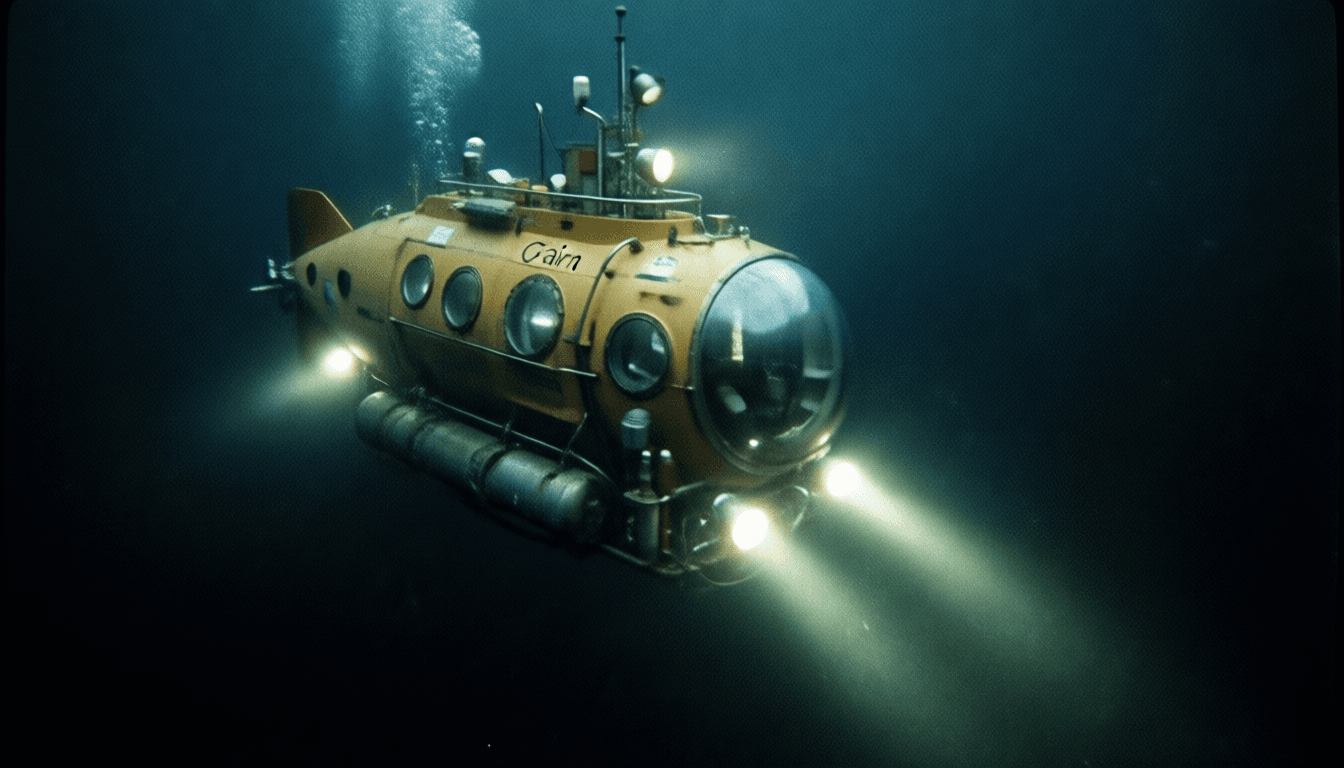
My research vessel, the "Eco Seeker," was a custom-built deep-sea research platform. Though modest in size, it was equipped with a specially designed sonar array and a small manned submersible, the "Cairn." I wasn't chasing a creature; I was pursuing an impossibility found within data. My experience with Loch Ness began long before the dive. Under a overcast sky, the vast, dark loch felt less like a body of water and more like a geographical wound. As I aligned the vessel over the SEPA coordinates, the surrounding landscape faded, leaving only an oppressive grey sky and the ceaseless breath of cold water.
From the surface, I deployed a silent ROV to conduct initial topographical mapping, precisely replicating SEPA's survey patterns. The submersible "Cairn" followed, beginning its slow, methodical descent into absolute darkness. The thick acrylic viewport illuminated only by powerful external lights, carved a solitary tunnel through the eternal night. Even through the submersible's insulated hull, the immense pressure of the deep seemed to hum faintly. It vibrated not just the hull, but my very bones. The temperature remained a constant 4.6 degrees Celsius – an ancient, indifferent cold. The only sounds were the quiet hum of life support and the faint, rhythmic ping of the sonar, painting a desolate landscape of unseen rock and sediment.
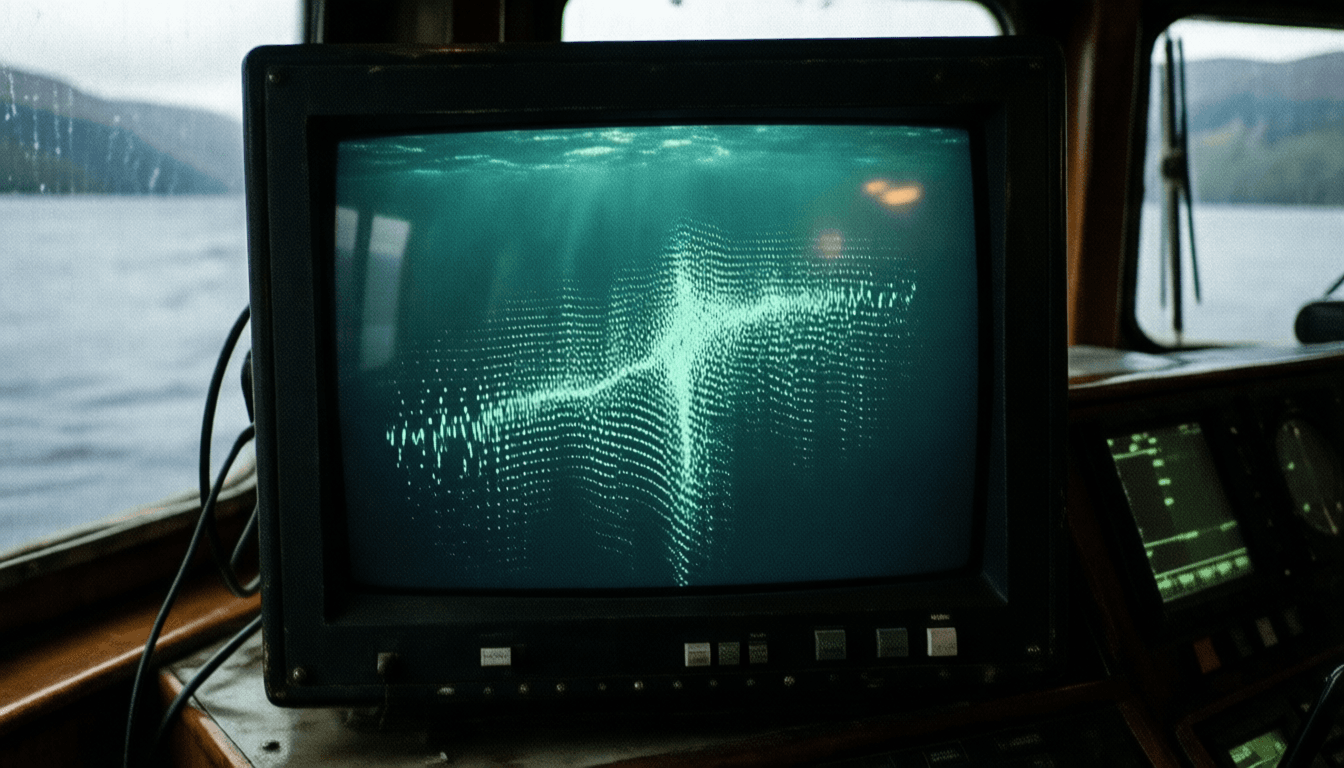
At a depth of 290 meters, the first anomaly was detected. The ROV's sonar began sending back distorted echoes. Underwater rock formations, clearly mapped just minutes before, now appeared stretched and strangely angular, their echoes exhibiting minute delays physically impossible given the water's density. It was as if the sound waves themselves were passing through an irregular medium. Minutes later, the ROV's temperature sensor recorded an isolated, localized drop in temperature. From 4.6 degrees Celsius, it plunged over 3 degrees to 1.3 degrees, then immediately recovered. It was too swift and too localized to be explained by any known current.
As the "Cairn" approached the exact coordinates where the SEPA anomaly had vanished, the external pressure gauge began to fluctuate erratically. Minor but distinct surges and drops in pressure defied the constant deep-sea environment. The hum of the submersible's systems changed, straining as if battling an unseen resistance. Then, in a wide-angle sonar scan launched from the "Cairn," a massive, silent 'hole' appeared in the deep. It was a colossal region where sonar signals simply vanished, not reflected. It wasn't a void; not an empty space, but a section of water that was absorbing all acoustic energy. It was immense and moved slowly. Like a blind spot in the fabric of reality. A primal unease began to solidify deep in my gut. The deep was no longer merely empty. It felt vast, cold, and now, distinctly aware.
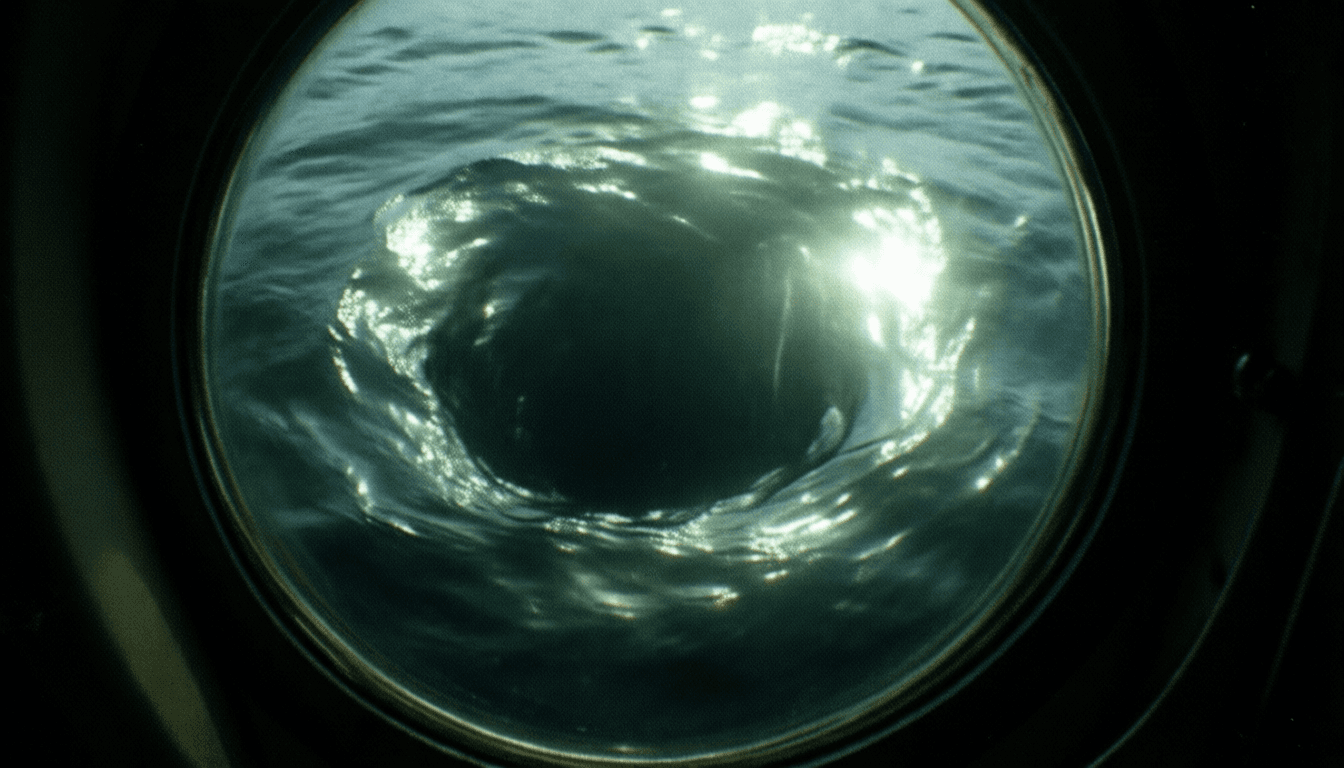
The ROV approached the edge of the 'hole', sending back severely corrupted video signals. Beyond the static, the 'hole' was not an absence. It was a massive, fluidic distortion. The water around it seemed to waver, rippling with an internal force that defied its liquid state. Abruptly, the ROV signal cut out, replaced by a single, ear-splitting shriek that lasted for one chilling moment before absolute silence descended.
Before I could react, the "Cairn" lurched violently. It wasn't a current. It was a concentrated, overwhelming force. The submersible's hull groaned and shrieked metal, desperately. The pressure gauge wailed, pushed past the redline, and then inexplicably beyond it. The lights flickered, plunged into momentary darkness, then returned faintly. It was as if the immense weight of the entire loch was being directly applied to the "Cairn."
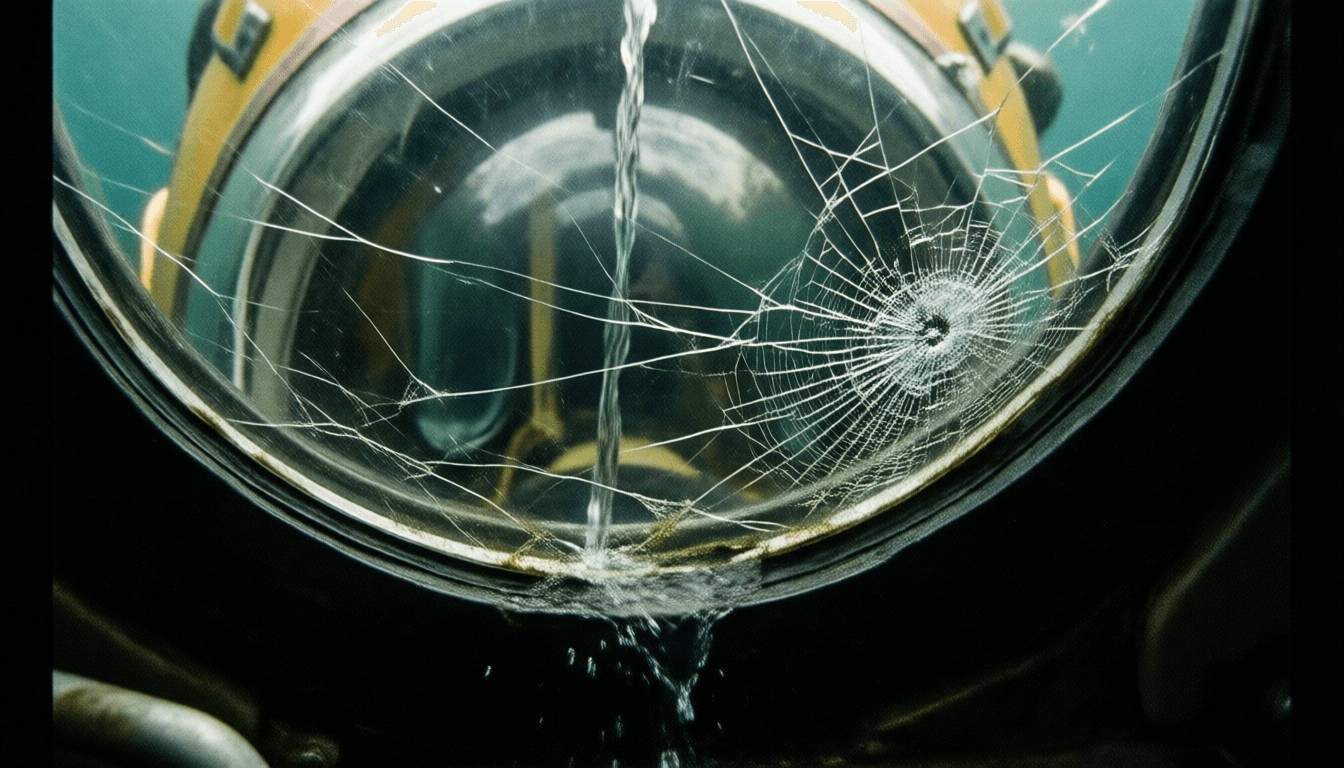
And then came the contact. It wasn't a collision with a solid object. It was a colossal, fluidic pressure that enveloped and tightened around the submersible. Spiderweb cracks began to appear in the thick acrylic viewport, designed to withstand unimaginable depths. A low, resonant hum permeated the entire submersible. It wasn't an engine sound. It was coming from the water itself. A low-frequency vibration that passed through my ears, rattled my teeth, and penetrated deep into my skull. Less a sound, more a primal, intelligent sonic assault trying to shatter my sanity. The "Cairn" spun disorientated, not by currents, but by a force that intentionally and maliciously manipulated the water. The pressure intensified, and I heard the sharp sound of fine cracks forming in the viewport. And then, through the fading external lights and the fracturing acrylic, I saw it. A vast, indistinct shape. Not a creature of flesh and blood, but a condensed void. A colossal distortion moving within the water, an impossible, sentient something made of pure, weaponized pressure. Water began to seep through the cracks in the viewport. It was cold, like a void.
I barely remember the ascent. A frantic, desperate emergency buoyancy release, clawing desperately out of the crushing grasp of the deep. The "pressure presence" clung to the "Cairn" until we reached 50 meters, only then finally receding as we surged to the surface in a blinding, disorienting spray. The "Cairn" was recovered, its hull twisted and scarred not by impact, but by external pressure. Sonar logs recorded during the frantic ascent showed a massive, persistent "cavity" signal beneath the vessel, only beginning to recede beyond 50 meters, vanishing completely near the surface. The ROV was a mangled mess; its black box was recovered, but the last frames had degraded into a raw, undecipherable pattern of static.
My injuries were less visible but far more insidious. Severe barotrauma. And at times, the persistent low-frequency hum in my inner ear, the phantom vibration from the deep. An acute, incapacitating aversion to all deep bodies of water, a primal fear of the invisible pressure lurking within. Now, SEPA's "Caledonian Hydrological Survey" carries a publicly accessible addendum: "Deep-sea research vessels are advised to maintain an operational depth of at least 200 meters from designated zones. Further deep-sea exploration in Loch Ness is currently deemed unfeasible due to unpredictable hydrological phenomena and observed structural stress on submersibles." The report remains official, dry, and never directly mentions what truly lies beneath. But the cold, dark waters of Loch Ness still hold their secret. Not of an ancient beast, but something far more chilling: a will that shapes the very physics of the deep, waiting. And sometimes, when the conditions are just right, I still hear that low, resonant hum. A reminder that something impossibly vast, impossibly cold, and impossibly intelligent still exists there, guarding its domain.
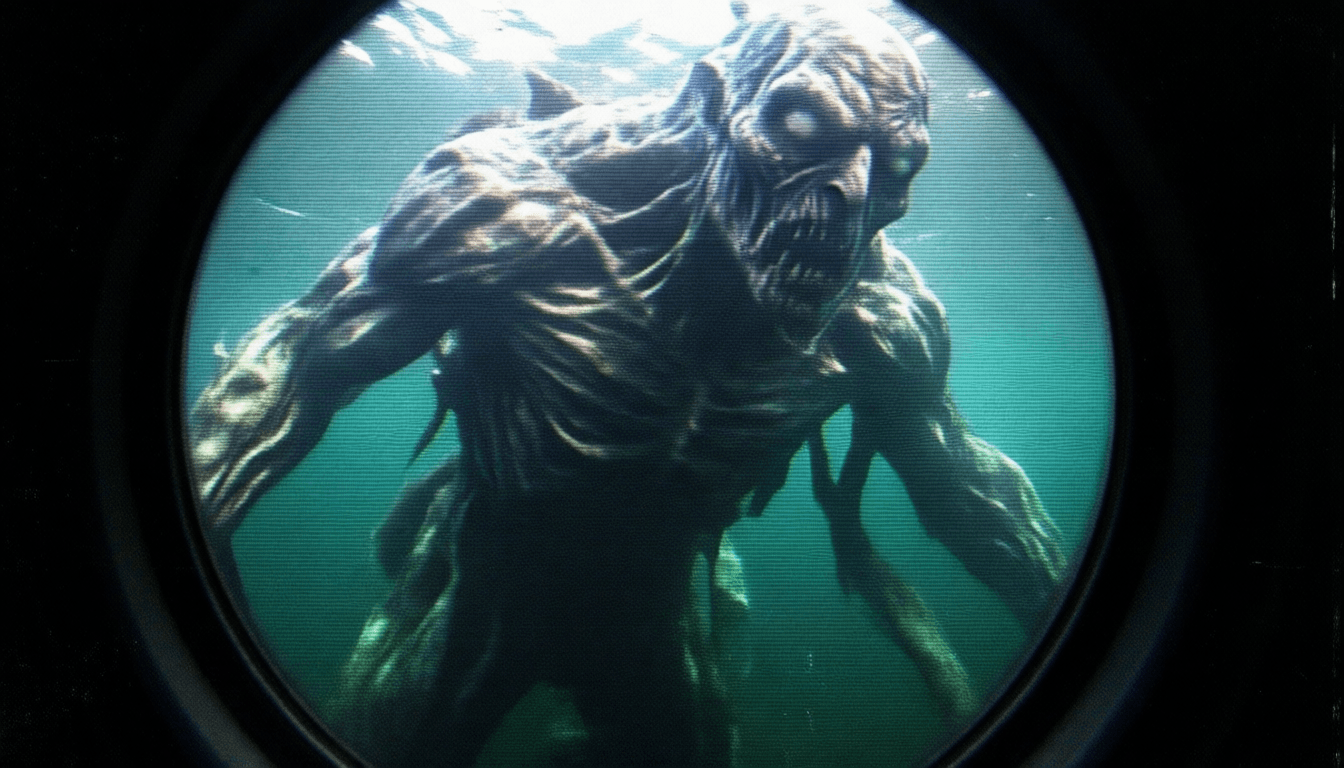
[ CLASSIFIED VERDICT ]
[ACCESS LOG - SOURCE FILE]
Loch Ness in Scotland has long been famous for the legend of an unidentified colossal aquatic creature, 'the Loch Ness Monster.' This story builds upon that legend, depicting a chilling exploration of a mysterious 'pressure entity' in the lake's abyss that transcends the laws of physics.