The Stench and Silence of the Vietnam Jungle: Batutut
The first definitive clue emerged not from folklore, but from a heavily redacted, declassified memo. Document DAC-73042, penned in November 1970 by a US Army Special Forces reconnaissance patrol operating near the Laos border in Vietnam's Annamite mountain range. Among routine observations of enemy movement and terrain, a single underlined paragraph stood out: "Unidentified large bipedal presence, estimated 1.8-2m height, emitting low-frequency vocalizations. Causing severe psychological distress to local guides. Extreme caution advised in GRID_REF_REDACTED area." For decades, it remained an obscure footnote. Then, near an unnamed tributary of the Sông Ba river, further east in the same region, a series of ominous reports began to surface. The local forestry department recorded an unprecedented surge in disappearances of illegal loggers and poachers over the past year. No bodies, no clear signs of struggle. Just abandoned camps, tools left mid-task, and a consistent, unsettling detail from the few who returned: an overwhelming musky odor preceding an unnatural silence, and a sound they'd never heard before. Whispers called it *Batutut*. Official reports called it 'unexplained'. I saw it as a compelling convergence.
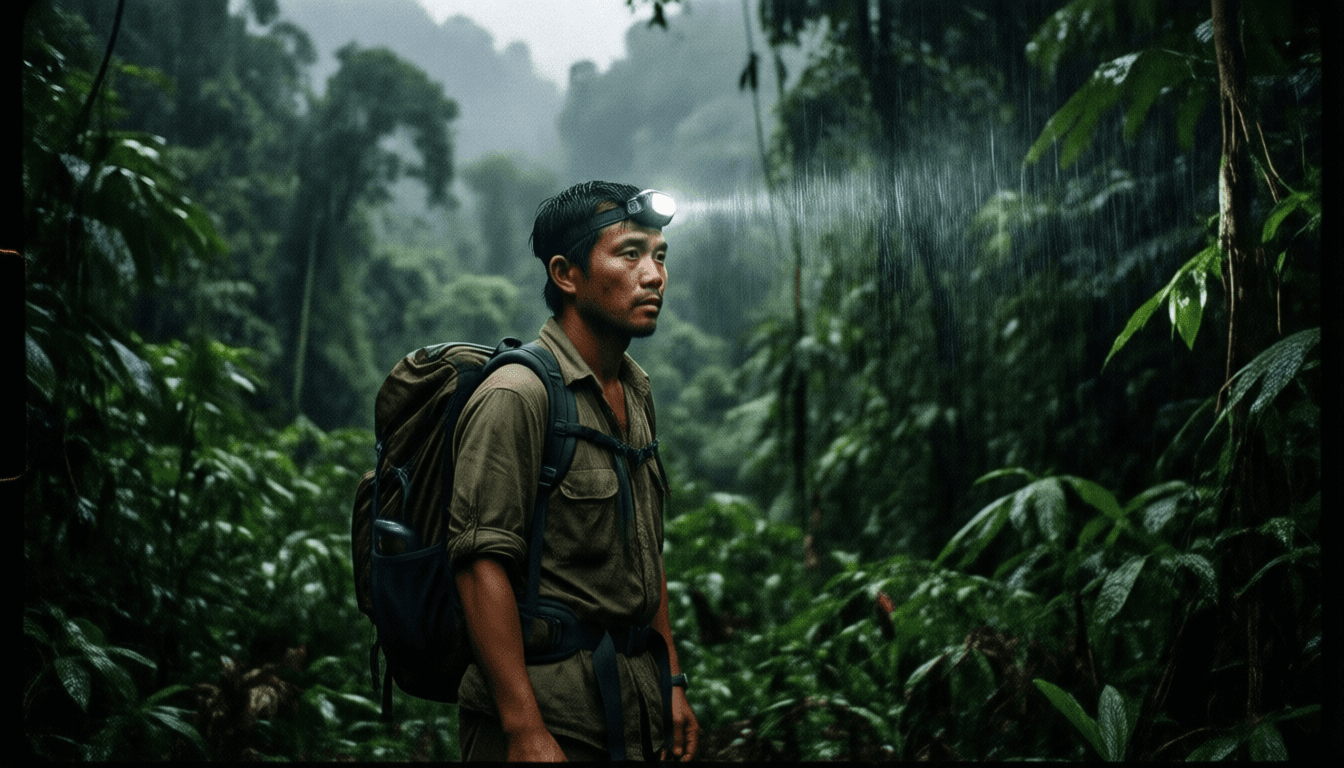
Access to that tributary valley was arduous. Two days by an unreliable jeep, another day on foot, hacking through dense undergrowth. Logging tracks had been reclaimed by the forest with fierce speed. The air was heavy and humid, the smell of damp earth and rotting leaves clinging to everything. The 'unnamed tributary' was less a river than a series of cascading falls leading to stagnant, dark pools, forming a deep, shaded gorge. The jungle here was ancient, the forest canopy so dense that sunlight rarely reached the forest floor, casting an eternal twilight. My local guide, a taciturn former park ranger, grew increasingly agitated the deeper we went, his eyes constantly scanning the higher ridges.
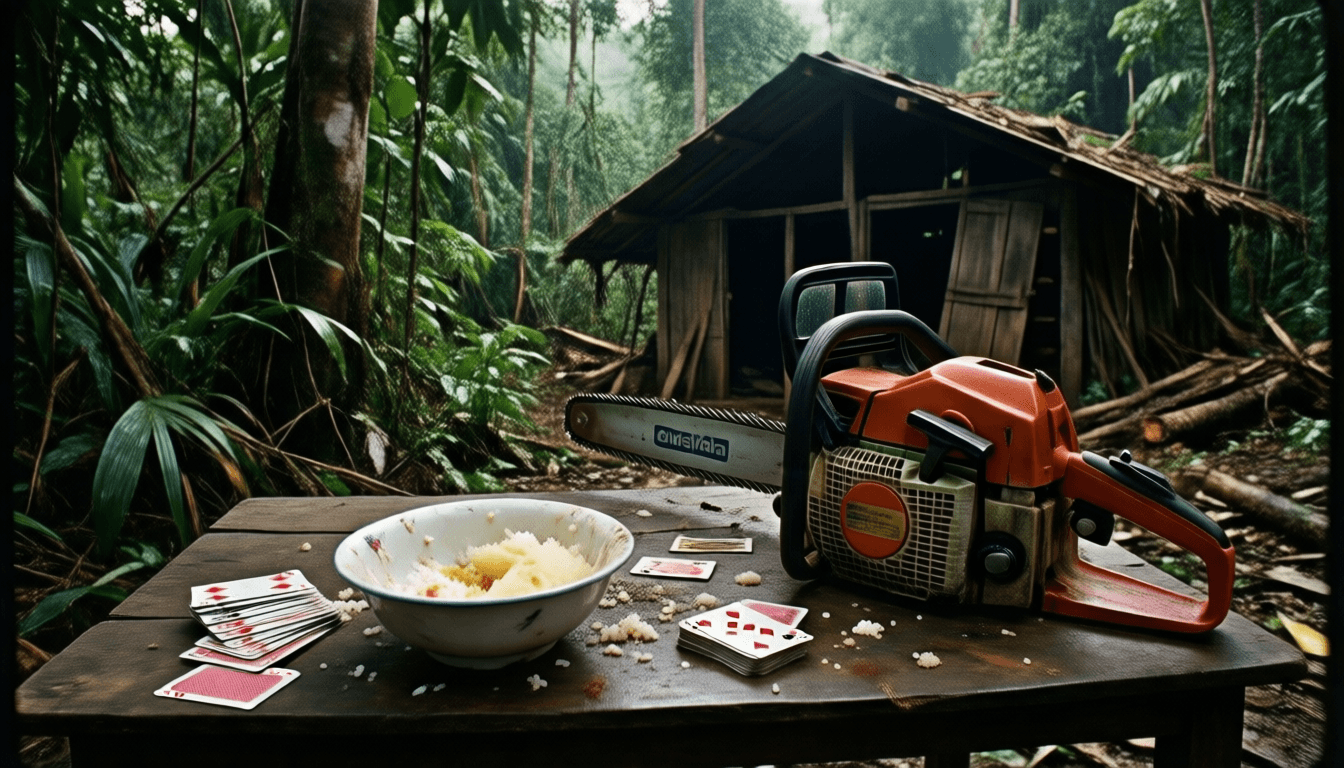
We passed three abandoned logging camps. The most recent, judging by the state of the campfire, appeared to have been vacated only days prior. Half-eaten bowls of rice, a scattered deck of cards, a chainsaw upright and fully fueled. Nothing but our footprints and those of small animals. No signs of struggle, no overturned tents. Just a sudden, inexplicable cessation of human presence. My guide's jaw was set. "They left everything," he muttered. "As if the ground swallowed them."
That afternoon, subtle anomalies began. The usual cacophony of the jungle—the chirping, clicking, and calls of insects and birds—would suddenly cease. Not gradually, but as if a conductor had dropped his baton. An absolute, suffocating silence would descend, lasting for minutes, sometimes longer. When sounds returned, they felt forced, subtly out of rhythm. And there was the smell. A rank, musky, almost fecal odor, like an unwashed animal larger than any known creature inhabiting these woods. It would waft in, then dissipate, never lingering long enough to pinpoint its source.
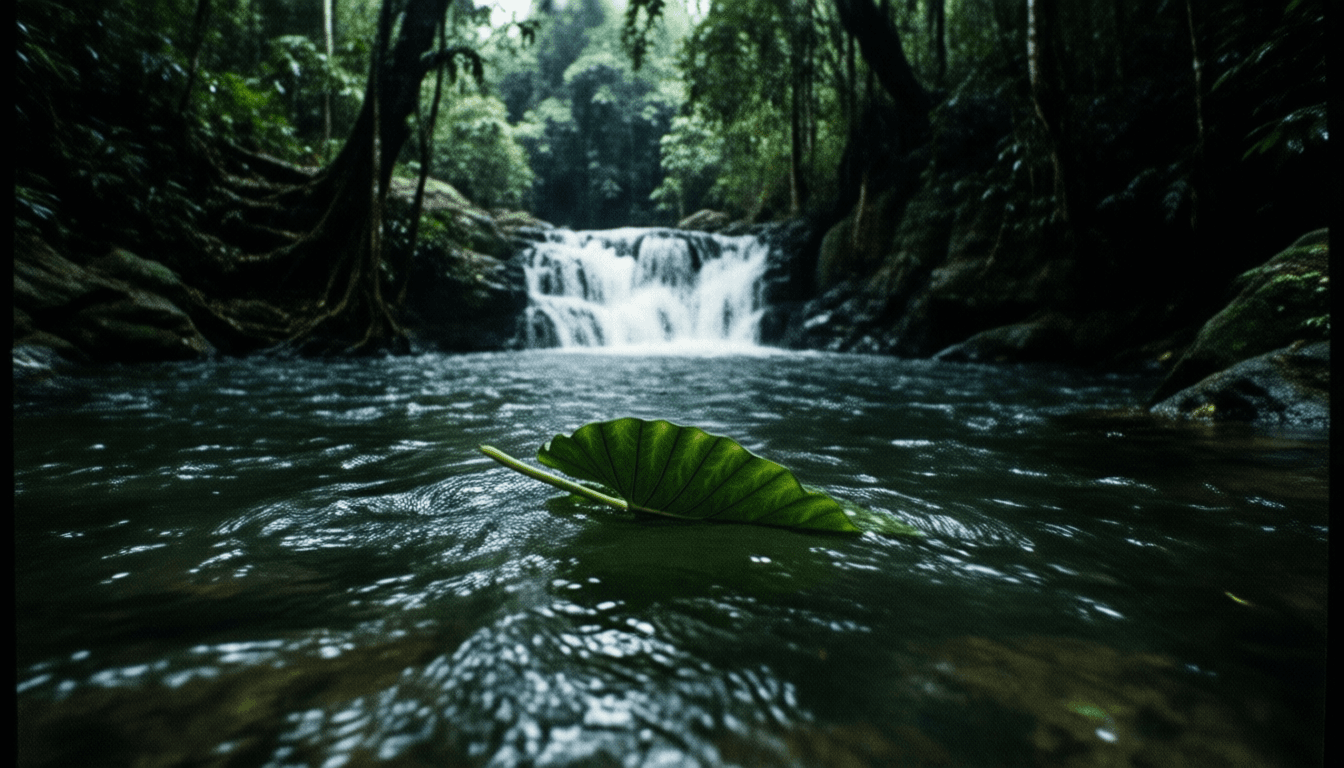
By evening, even my footsteps seemed to echo unnaturally. Every rustle of leaves was amplified, then subtly delayed, as if the forest played tricks. For a moment, I knelt by a small waterfall, observing the clear water. A large, intact leaf, dislodged by the current, moved swiftly downstream, then inexplicably paused, slowly drifting a meter upstream against the visible flow, before being dragged down again. A brief, impossible defiance of physical laws. I dismissed it as an optical illusion, but the image lodged in my mind. My guide, meanwhile, was gripped by escalating fear, communicating only with silent gestures, and after sunset, spoke not a word, his gaze fixed on the impenetrable darkness beyond our small campfire.
The next morning, we were drawn deeper into the gorge by a faint trail of recently broken saplings and unusually large footprints. The air grew colder, the musky odor thick. This time, the silence that descended was absolute, permanent. It pressed in from all sides. No insects, no birds, not even the rustle of leaves in a non-existent breeze. Ahead, the gorge narrowed into a claustrophobic slit, its walls slick with moss. The moment I stepped into the gorge entrance, a sharp scream erupted. It wasn't echoing from the walls. It felt as if it originated within me, right in the air. A sound of raw, untamed power that vibrated through my chest. Utterly unlike anything I had ever heard.
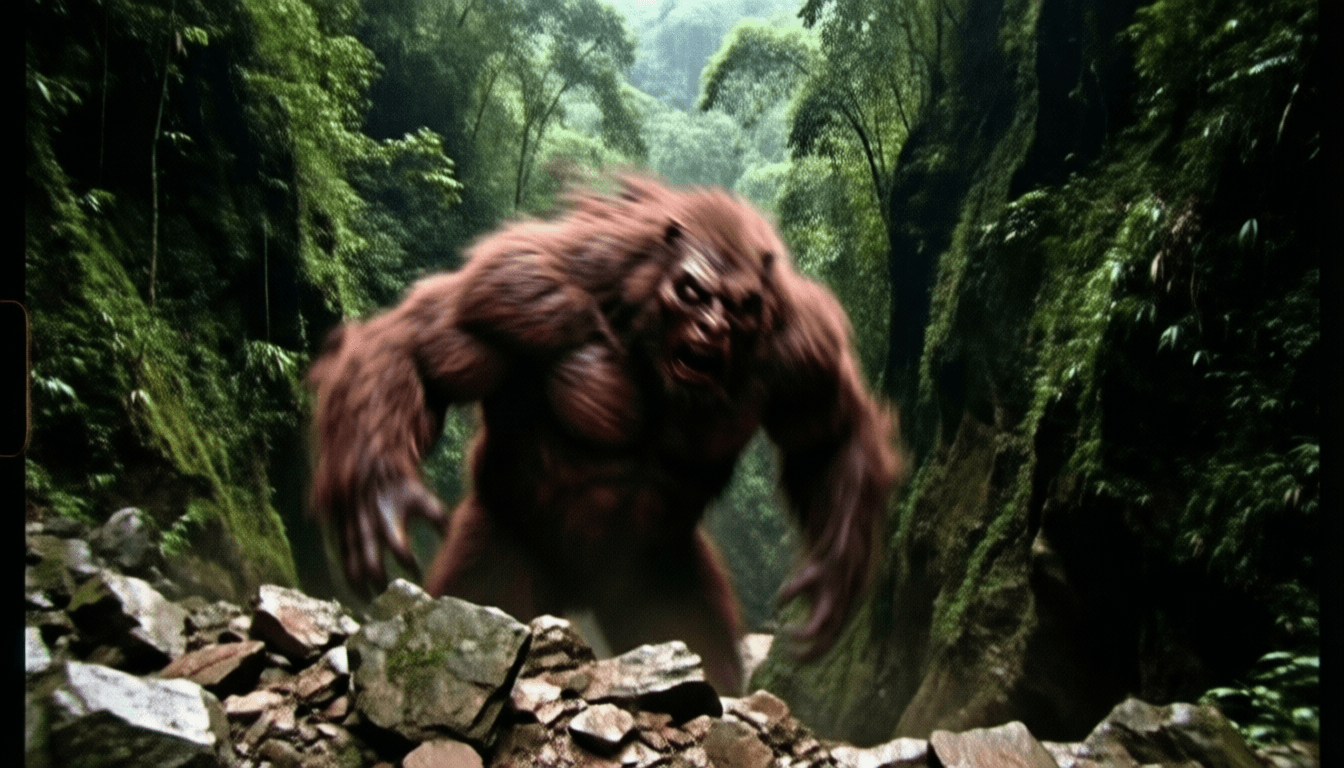
Simultaneously, the dense foliage on the ridge about fifteen meters above us thrashed violently. Not a gentle sway, but thick branches convulsing, bending, and snapping as if an immense, unseen weight was thrown with impossible force. Yet the trees themselves weren't uprooted, and no visible form moved. My guide let out a desperate, animalistic cry and bolted back the way we came. I fumbled for my camera, adrenaline coursing through trembling hands. Just then, the ground before me exploded. A massive rock, too heavy for any man to lift, flew from the top of the gorge wall, narrowly missing my head, and struck the opposite cliff face with a powerful, shattering impact. It wasn't a rockfall. It was a deliberate, impossible act of propulsion. As I instinctively dodged, I caught a glimpse. A huge, reddish-brown form, dimly visible in the darkness, a blurred afterimage of muscle and coarse fur, disappearing into a rock crevice. Not ape, not human, something moving with an unknown fluidity.
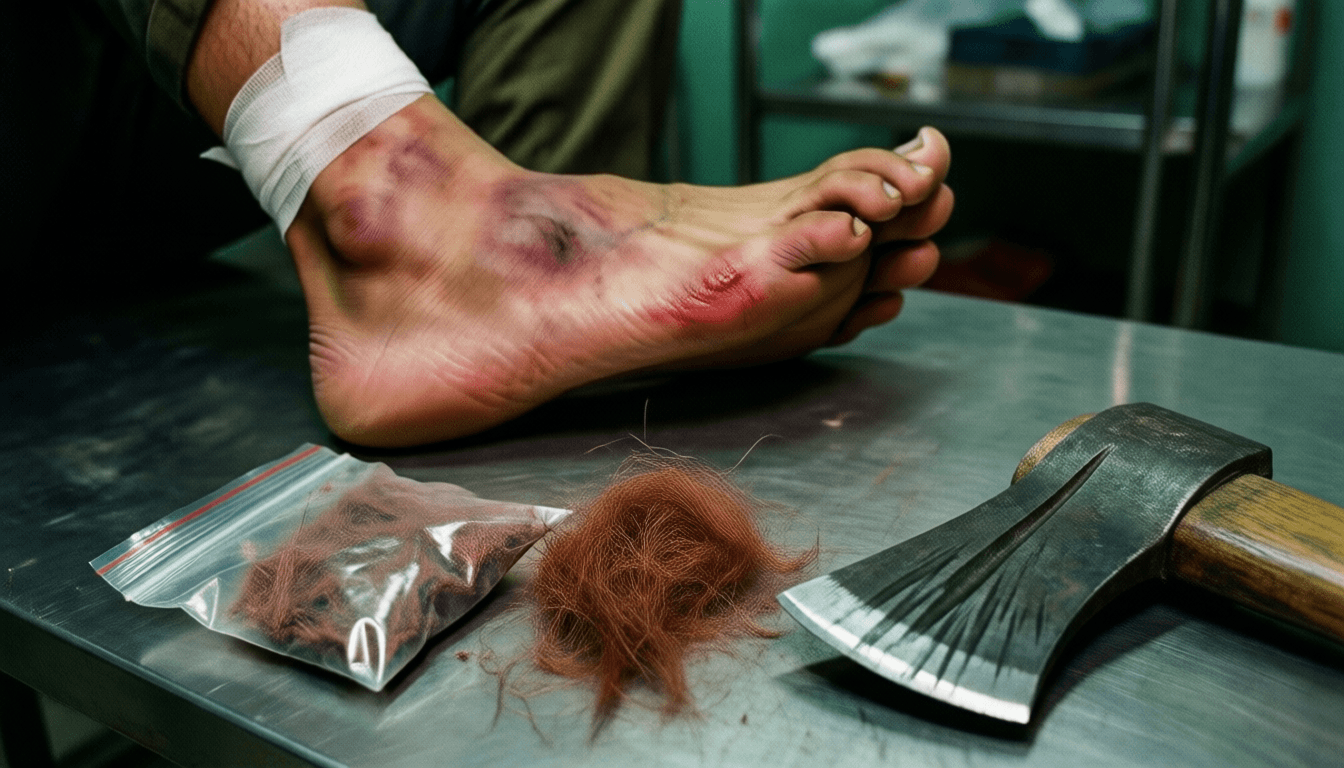
Disoriented, I tried to scramble up the slick gorge wall, seeking an exit. The moment my hand gripped a mossy ledge, a sudden, crushing weight enveloped my ankle. A gigantic hand, covered in coarse reddish fur, its blunt, calloused fingers tightening around my leg with bone-crushing force. The grip was impossibly strong, threatening to tear my foot from my body. I screamed, thrashing wildly, kicking with my free leg. I heard a distinct *snap* from my ankle. Instinctively, desperately, I plunged the tip of my ice axe into the hairy forearm. The grip momentarily loosened, and I pulled my leg free, but not without leaving fragments of my boot and a gush of warm blood. As I half-crawled out of the gorge, a low, frustrated growl, heavy with power, vibrated through the rocks from behind me, followed by the violent tearing of heavy branches. The sounds quickly receded as I plunged into the relative chaos of the jungle.
I returned to the edge of civilization three days later, battered, dehydrated, and with an ankle that x-rays later confirmed bore multiple micro-fractures and severe soft tissue damage from extreme compressive force. Doctors at the local hospital were baffled by the nature of the injury. It was a specific type of crush injury, difficult to explain without blunt impact. They were equally perplexed by the rough, reddish-brown hair fragments I had painfully extracted from a deep laceration on my calf. Microscopic analysis showed it was primate, but mitochondrial DNA did not match any known species. It bore markers suggesting an ancient lineage, a ghost in the genetic record. My ice axe, meanwhile, bore a distinct, deep groove in its hardened steel blade. Too clean and precise for rock or wood. As if it had met something impossibly dense and resilient.
My guide, the park ranger, was gone. Local authorities claimed he was merely superstitious, having fled, fearing retribution for entering forbidden areas.
The truly unexplained part remains this: Since my return, the disappearances of loggers and poachers in that particular tributary valley have ceased entirely. No new reports. The jungle is quiet again, but not its usual symphonic quiet. It's a deeper, more profound quiet. A silence that feels patiently watchful. I haven't proven the *Batutut* exists in any conventional scientific sense. But I'm left with indelible bruises, unidentifiable DNA, grooved steel, and the chilling knowledge that the immeasurable terror I experienced was a reaction, a physical one, to something that defies all known explanation. The forest has absorbed another secret. But I, too, carry a piece of it. And sometimes, in the dead of night, when the wind howls just so, I can still catch a faint musky odor. A phantom scent, a reminder that some things are not merely 'unexplained', but simply waiting.
[ CLASSIFIED VERDICT ]
[ACCESS LOG - SOURCE FILE]
The Batutut is an unconfirmed ape-like creature reportedly sighted in the Annamite Mountains region of Vietnam. Characterized by its massive size and strong foul odor, it is a legendary being associated with the disappearance of people, making it a source of fear for local residents. Also known as Vietnam's Bigfoot, there is currently no official evidence of its existence.