The Sugarcane Eater's Mark
In late December, I first stumbled upon a mention of it in a small article in the 'St. Martin Parish Journal'. It was about "abnormal livestock predation" occurring on farms adjacent to the Cypress Swamps near Henderson. Two prize-winning cows weren't merely dead; they were ferociously torn to pieces, baffling even local sheriffs accustomed to coyote and bobcat attacks. Similar reports followed in the ensuing weeks: farmers' dogs found disemboweled, goat herds massacred, their blood soaking the fertile black earth. More unsettling were the isolated disappearances. A trapper known for deep-woods exploration, a college student exploring abandoned sugarcane fields for photography, both vanished without a trace, only their vehicles remaining along lonely bayou roads. Local online forums, usually teeming with gossip and fishing tips, soon hummed with quiet, almost superstitious whispers. In response to a request for information about the missing student, an elderly Cajun grandmother left a single sentence on a local Facebook page: "Don't go near the old Ducote sugar mill after sundown. 'The Sugarcane Eater' still walks, and leaves its mark." The simultaneous emergence of these aberrant animal killings, disappearances, and a specific local folk myth – a variation of the 'rougarou' known as 'The Sugarcane Eater' – was simply too compelling to ignore. My archives of unconfirmed faunal phenomena recorded it as a 'notable cluster event'.
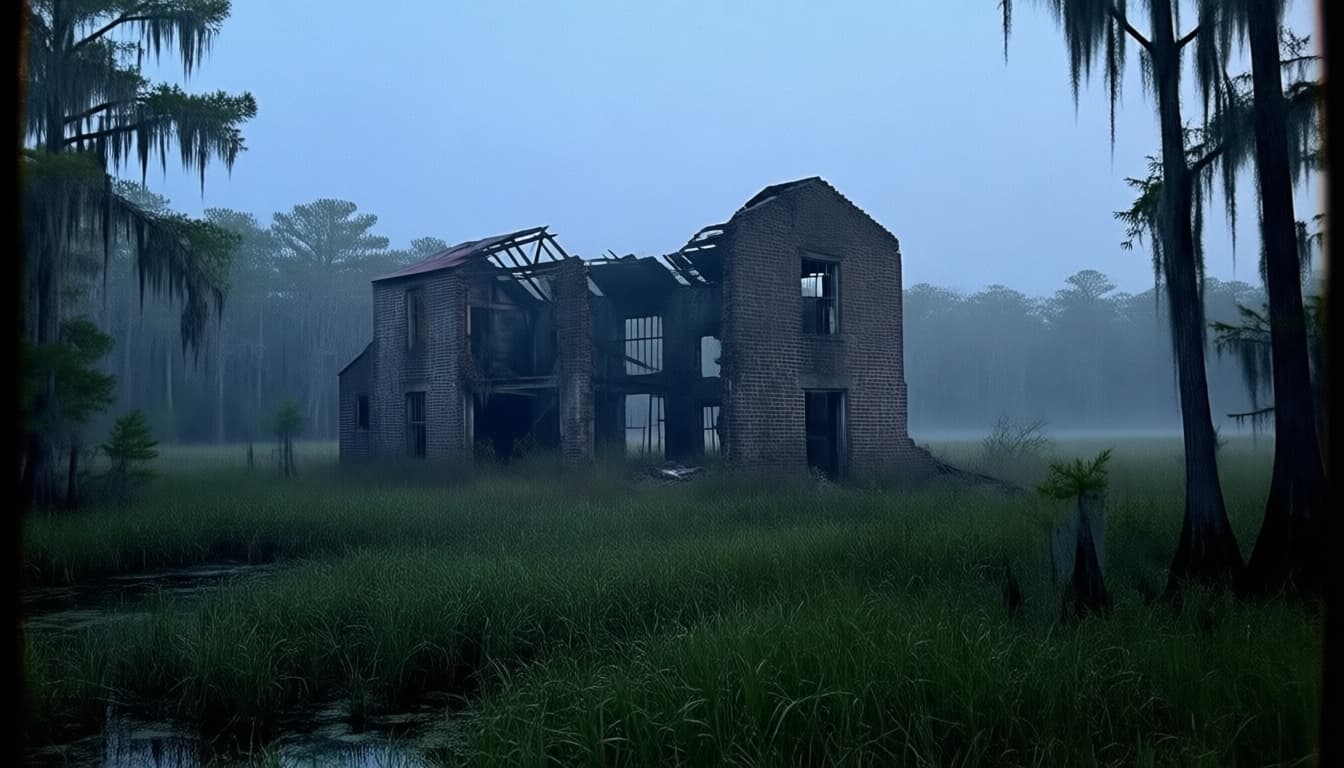
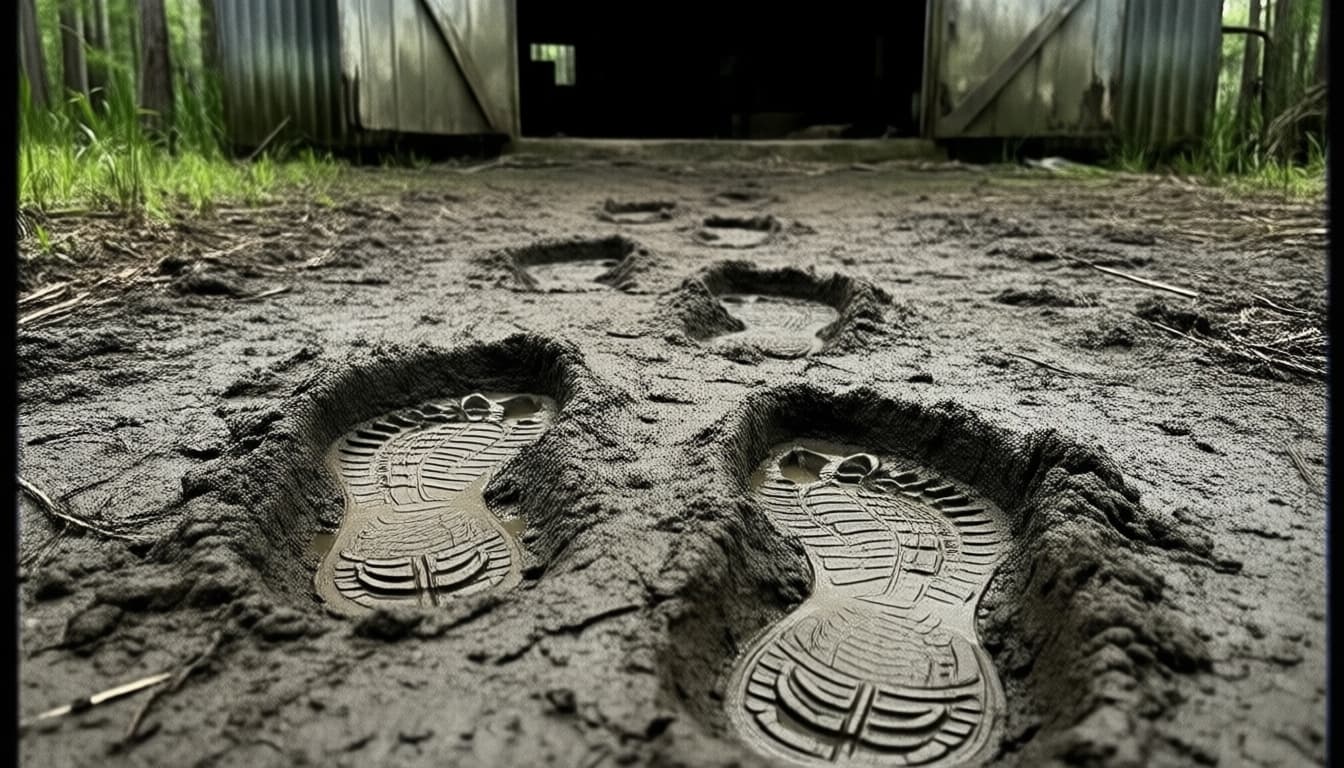
I arrived in St. Martin Parish in early February. The air was heavy with humidity, even though the oppressive heat of summer hadn't yet begun. My destination was the overgrown ruins of the Ducote sugar mill, now slowly being reclaimed by the bayou, a skeletal relic of a vanished industry. The last known location of the missing student was within a mile of the mill's crumbling perimeter. The trek through the dense cypress and willow forest, with bone-like roots jutting out of the water, was arduous. The ground underfoot was a treacherous mix of soft mud and tangled roots. An oppressive silence hung in the air, broken only by the incessant hum of unseen insects and the occasional mocking cry of a distant blue heron. My equipment – audio recorder, camera, GPS, tactical flashlight – felt heavy and somehow inadequate. Initial scouting revealed muddy tracks, likely from deer or wild boar activity around the mill, but interspersed among them were much larger, almost bipedal mud prints. Too deep and wide for any native animal in the area. They appeared erratically, as if something immensely heavy occasionally shifted its weight onto two feet before reverting to four. The first thing that disturbed me was the smell. Not just damp earth and decaying vegetation, but a sharp, acrid, metallic, faintly wet-dog scent underlying it all.
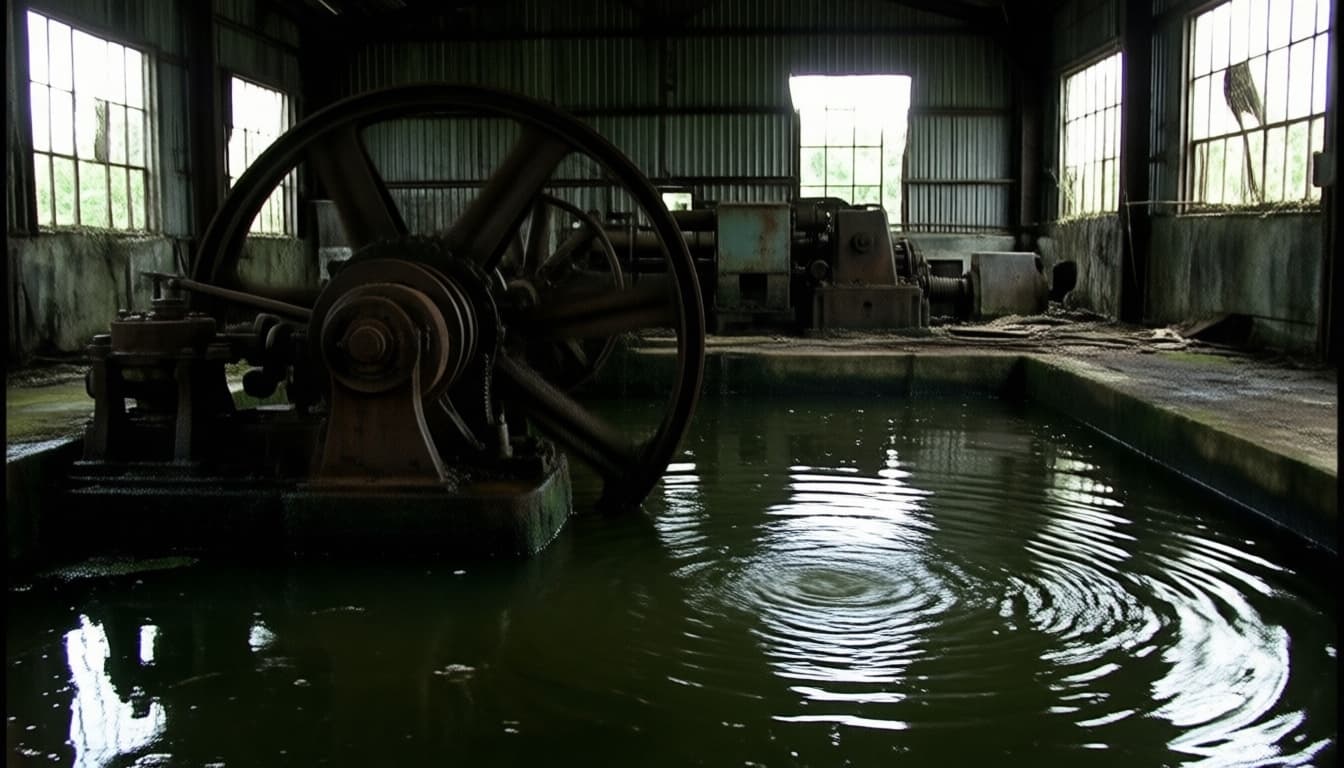
Deeper within the sugar mill, the bizarre signs intensified. Inside what was once the main processing house, now open to the sky, the air was unnaturally still. The constant insect hum from outside vanished completely. My audio recorder, set to capture ambient sounds, registered only silence, then eventually a faint, irregular thumping that seemed to emanate from the old machinery around me. In a partially submerged section of the old sugarcane wash, I witnessed the impossible: a small stream of water, distinctly separate from the main bayou current, was flowing
The sound led me, or rather,
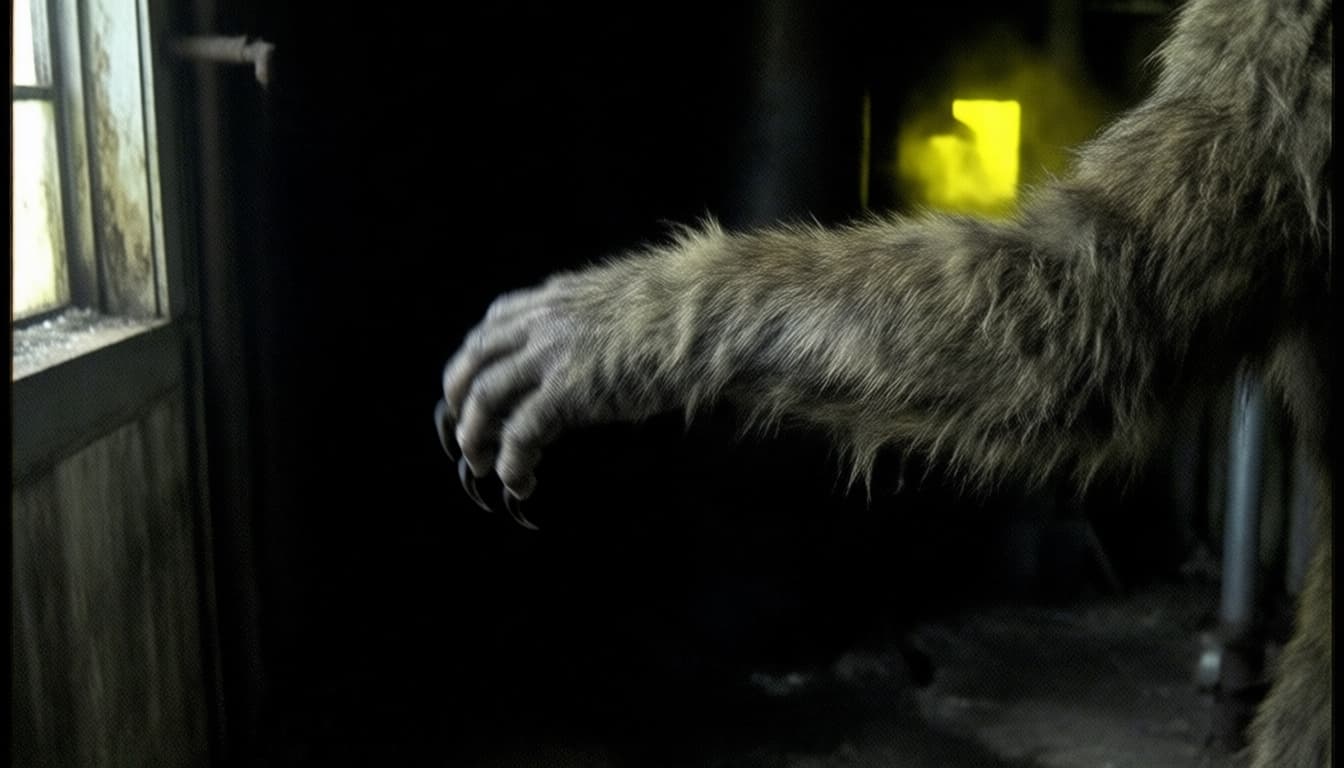
A flash. Not of some creature walking into the light, but a
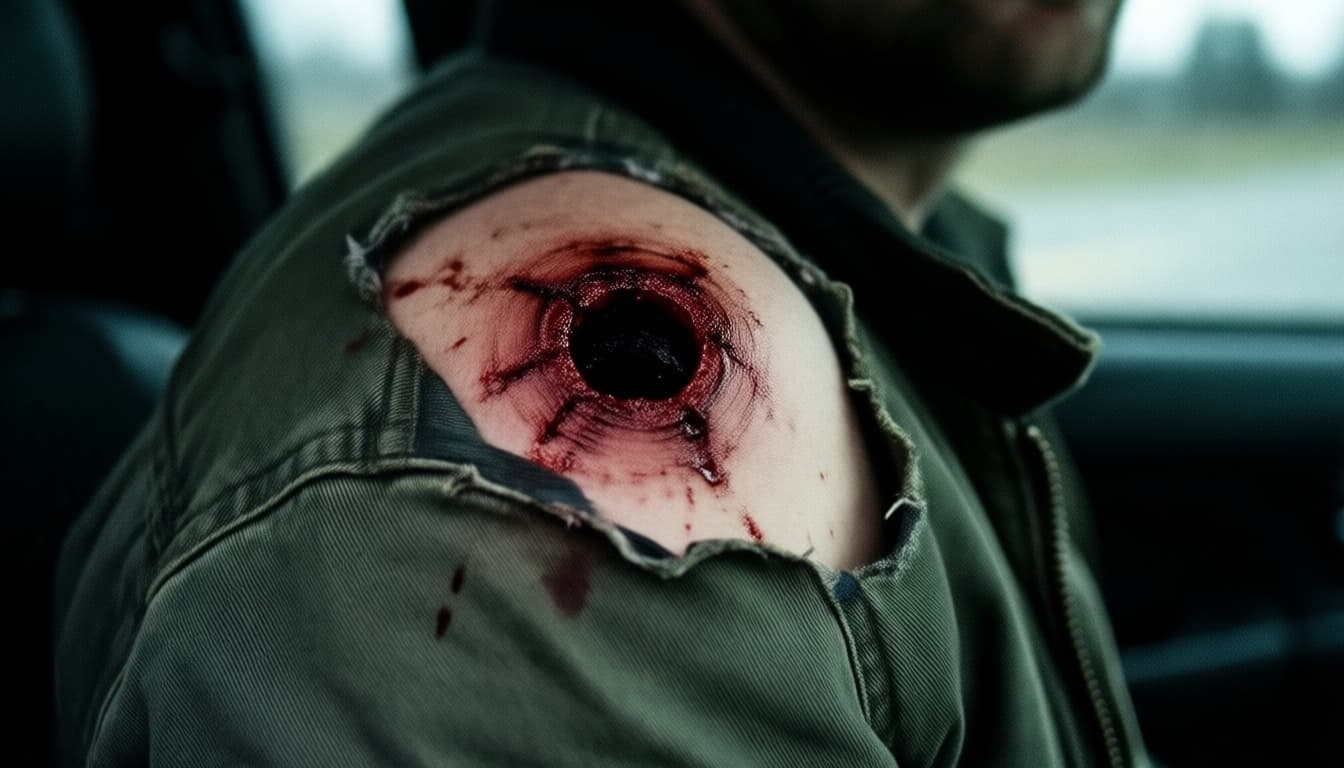
When I finally made it back to my vehicle, the bayou was quiet and deceptively peaceful under the moonlight. My arm was a bloody mess with deep lacerations. But it was the
My audio recorder, miraculously, survived. The playback from the boiler room was chilling: the dull thumping, the escalation to impossible growls, the desperate struggle, my own terrified scream, followed by the creature's
[ CLASSIFIED VERDICT ]
[ACCESS LOG - SOURCE FILE]
This story is based on 'The Sugarcane Eater,' a regional variation of the 'Rougarou' legend found in Louisiana Cajun folklore. The Rougarou is a werewolf-like creature said to roam swamps and forests, preying on humans or draining their blood. In certain local communities, this creature is referred to as 'The Sugarcane Eater,' believed to wander abandoned sugarcane fields and sugar mills.