The Silence of the Backflowing River
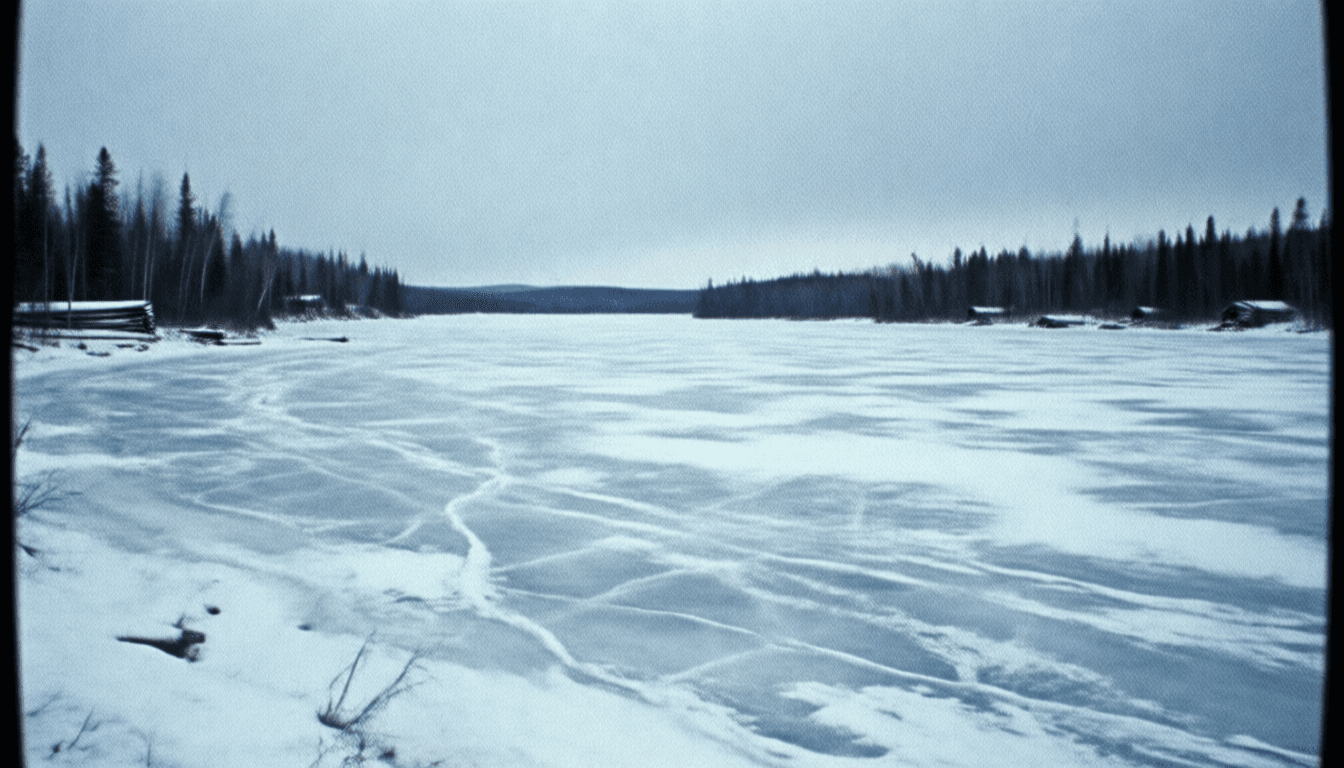
In Northwestern Ontario, north of Winisk, disappearances reported along the Attawapiskat River basin showed an eerily similar pattern. The first recorded incident began in late November two years ago when regular communication with a trapper in a remote wilderness outpost ceased. Local authorities, accustomed to the silence of the forest, initially paid little heed, but a week later, when a search party arrived at the cabin, they found it untouched, all provisions intact, and only the stove fire extinguished. The trapper, known for his meticulous record-keeping, left behind a half-filled journal. The last pages were written in increasingly erratic handwriting. They spoke of a severe hunger that gnawed at him for days despite ample food, an unbearable cold that seeped deep into his bones even with the stove blazing, and the eerie stillness of the surrounding forest, as if sound itself was being sucked away. This account led to the final sentence: "The creek by the eastern trap line… the water flows backward." Subsequent disappearances in the northern forest, especially during the harshest winter months, shared this ominous commonality: unexplained absences, untouched camps, and vague, unsettling testimonies from local witnesses like "unnatural silence" or "a cold that devours everything." The recurring reports of faint but distinct ice-cracking sounds from afar, even on already frozen surfaces, were enough to pique my curiosity.
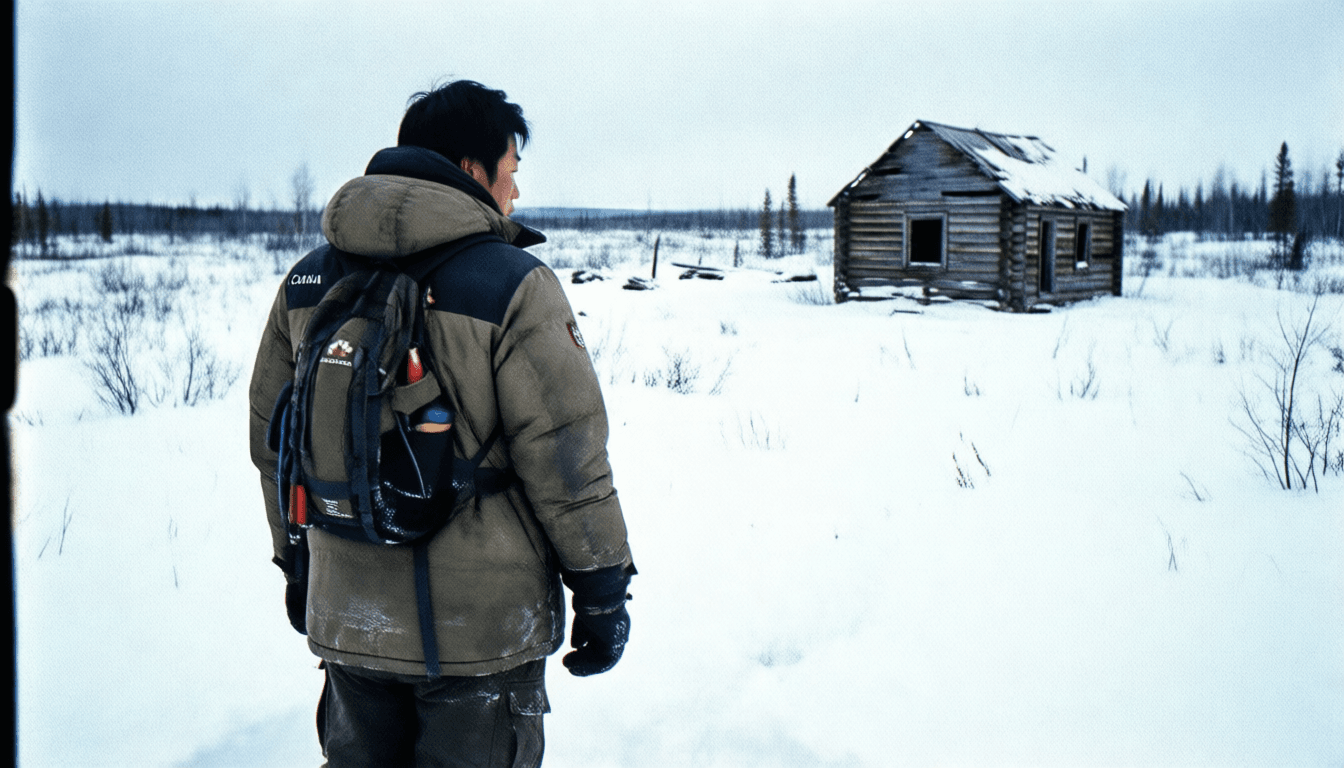
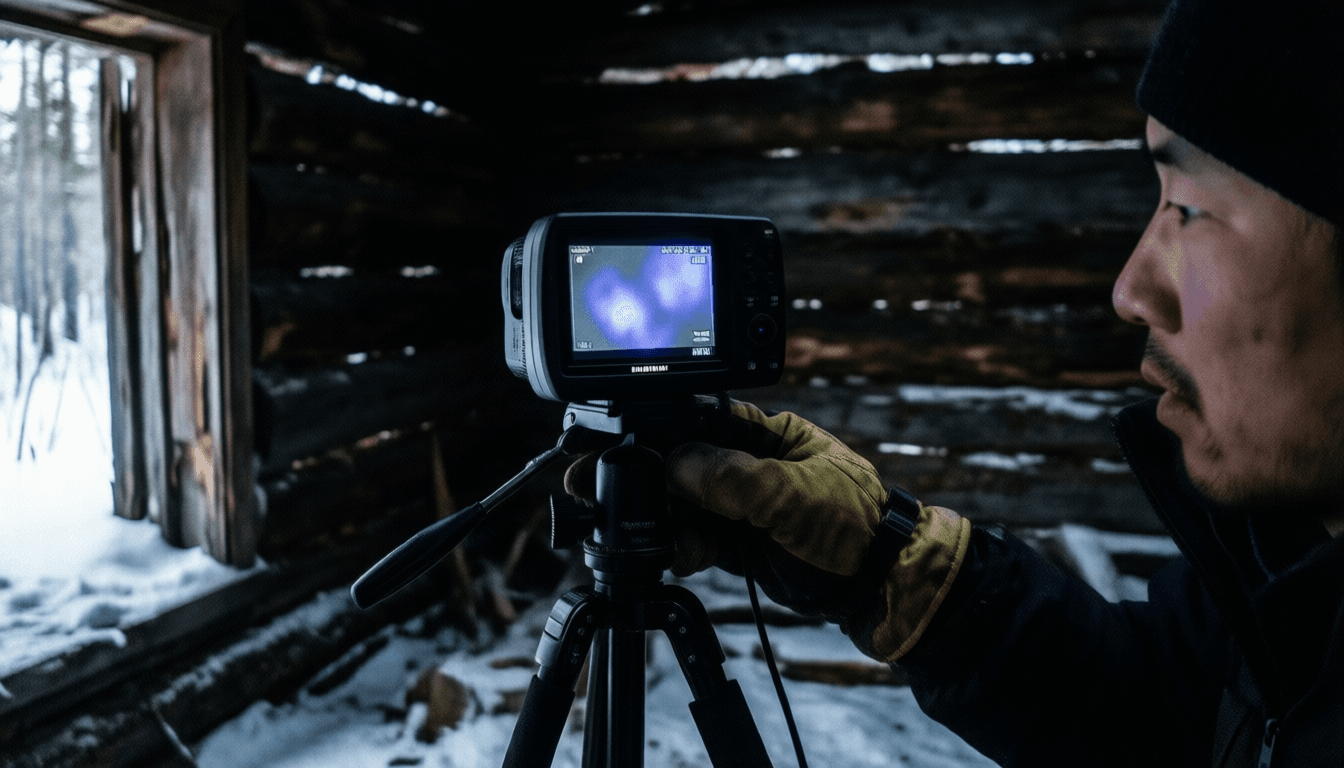
The coordinates pointed to an abandoned logging camp, about 90 kilometers from the nearest paved road, long reclaimed by the northern forest. This was the last known location where two amateur explorers had abandoned their snowmobiles and vanished. Even at midday, the air held a bone-chilling cold that surpassed the typical Canadian winter bite. Each inhaled breath plumed visibly, freezing onto my parka's feathers, and the abnormally deep snow had a crust like broken glass, creating an awful crunch with every step. The camp consisted of dilapidated cabins, their windows like empty eyes, and rooflines sagging under decades of accumulated snow. As I entered the largest cabin, the communal sleeping quarters, I noted the complete absence of any wildlife tracks—no squirrels, no rabbits, no deer. The silence wasn't merely the absence of sound; it was an active, oppressive blanket that seemed to absorb even my footsteps, my quiet movements. It was as if the environment itself was holding its breath. I set up a thermal camera and recorded the ambient temperature. And there, I detected a sharp, inexplicable cold current drifting through the sleeping quarters, like an invisible draft, even though no wind was blowing.
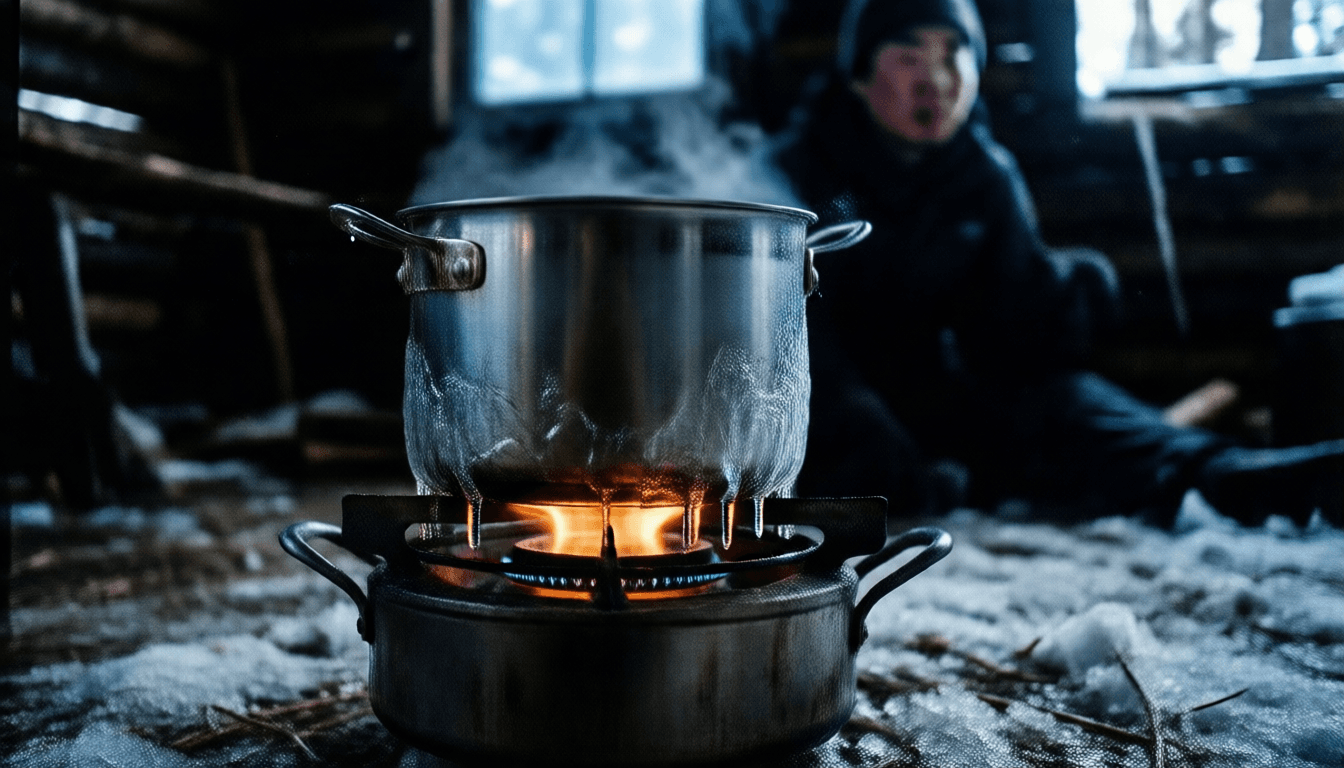
As twilight bled into a merciless blue darkness, subtle anomalies began to clarify. The radio, tuned to weather broadcasts, occasionally crackled with sudden, hoarse interference that cut across the announcer's voice. Soon, all sound ceased, giving way to an even deeper silence than before. The internal thermometer I had set to monitor my body temperature fluctuated wildly, dropping several degrees despite my heavy clothing and physical activity. Most unsettling was when I tried to melt snow for water. The water in a pot over a small portable burner took an unusually long time to warm. When it finally started to get warm, a faint vapor rose, but the surface wasn't boiling; it seemed to stir as if resisted by an internal current. I turned off the burner and placed the pot on the cold floor. Within minutes, a thin film of ice began to form, not on the surface, but spreading upwards from the metal bottom. I felt the bone-deep hunger described in the trapper's journal—a physical emptiness that gnawed at my abdomen, unfulfilled despite eating emergency rations. The silence outside was complete. But then I started to hear it: a faint ice-cracking sound, from afar, yet nowhere and everywhere at once, even across kilometers of thick snow and frozen ground.
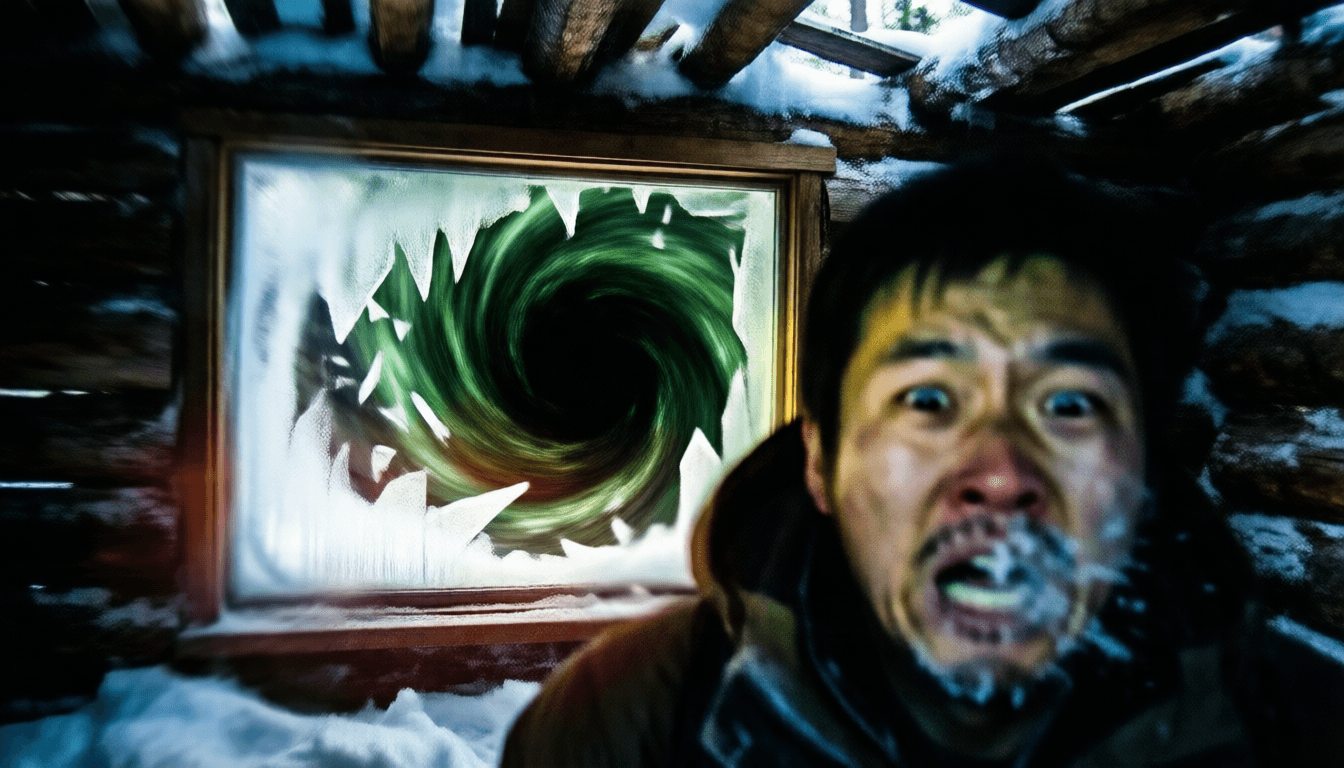
The ice-cracking sound intensified. No longer distant, it echoed sharply and irregularly, like something massive shifting its weight just outside the cabin walls. The air inside the cabin became unbearably cold, freezing onto every surface, and my breath now frosted my eyelashes. My fingers ached with a deep, penetrating cold despite thick gloves. I stood up. The beam of my flashlight cut through the darkness, turning slowly. The cabin's only window, previously obscured by thick frost, was now eerily clear. Instead of the white landscape of the blizzard that had begun an hour ago, it revealed a swirling, impossible green-black abyss, where fragments resembling broken ice shards or bones tumbled soundlessly. The interior of the cabin began to warp. The wooden rafters above seemed to bend inward, the walls subtly undulated. The space felt simultaneously vast and impossibly constricted. And then the true cold arrived. It wasn't external. It was an internal cold. A sudden, extreme chill gripped my lungs, freezing the air within my chest. Breathing became shallow, painful gasps. My muscles stiffened into impossible rigidity, as if my very blood was turning to slush. My vision blurred and took on a sickly green hue, and the ice-cracking sound no longer echoed from outside, but within my skull, like a thousand fissures opening simultaneously. A colossal, overwhelming pressure pressed down. It felt as though air was being sucked from my body, leaving only emptiness, a deep, terrible hunger in its place. A whisper, not heard but planted directly into thought, echoed the trapper's words: *Reverse current. From the bottom. Devouring.* My cold-stiffened hands fumbled for the emergency beacon. The presence wasn't just existing; it was consuming the very fabric of the environment and now, my own internal world.
I have little memory of my escape. Only a desperate struggle, the unceasing burning in my lungs, and the agonizing pain in my joints. Days later, I woke in a field hospital. I was diagnosed with severe hypothermia, but the doctors were perplexed by its onset, as my equipment recorded reasonable internal temperatures until the last logged hour. Despite wearing gloves, my hands and fingertips bore deep, blistered frostbite marks—areas that should have been protected. Though healed now, the skin remains unnaturally mottled and sensitive to cold. Worse is the hunger. It's not the body's normal craving, but an almost spiritual void, gnawing at the core of my being, rarely satisfied. And sometimes, on a deep winter night when the city's silence becomes absolute, I hear it again. Faintly, yet distinctly, the sound of ice breaking. Somewhere beyond the limits of hearing, the promise of a cold that goes beyond freezing flesh and vitality, consuming its very essence. The creek by the eastern trap line. The water flows backward. I never returned north, but I carry a piece of it within me, a penetrating chill that no fire can melt.
[ CLASSIFIED VERDICT ]
[ACCESS LOG - SOURCE FILE]
This story is based on rumors of mysterious disappearances occurring in the vast, remote wilderness of northern Canada. These incidents are accompanied by extreme cold, inexplicable hunger, and unnatural silence, entwined with phenomena that seem to defy the laws of nature, particularly old tales about creeks where water flows backward.