The Silence of Capre Valley: Evidence of the Aswang
The Aswang, a creature from Filipino folklore, is often dismissed as mere superstition. Yet, a recent series of unexplained fetal deaths and infant disappearances reported in remote areas, particularly isolated valleys, hints at a darker, more tangible truth beneath the surface. These bizarre events, unfolding deep within the forests of Palawan in Capre Valley, marked a chilling blurring of the lines between myth and monstrous reality.
The first credible signs emerged not from folklore, but from a series of internal police reports flagged by local health centers. From 2019 to late 2023, Capre Valley experienced an alarming surge in ominous birth-related incidents. Six stillborn babies were unusually emaciated, and three newborns vanished from their homes within days of birth. These cases defied classification as common medical complications or known criminal activity. Local authorities, hampered by limited resources and an palpable sense of dread, often closed cases as 'cause unknown,' but unofficial resident accounts consistently pointed to 'the Aswang of Capre Valley.'
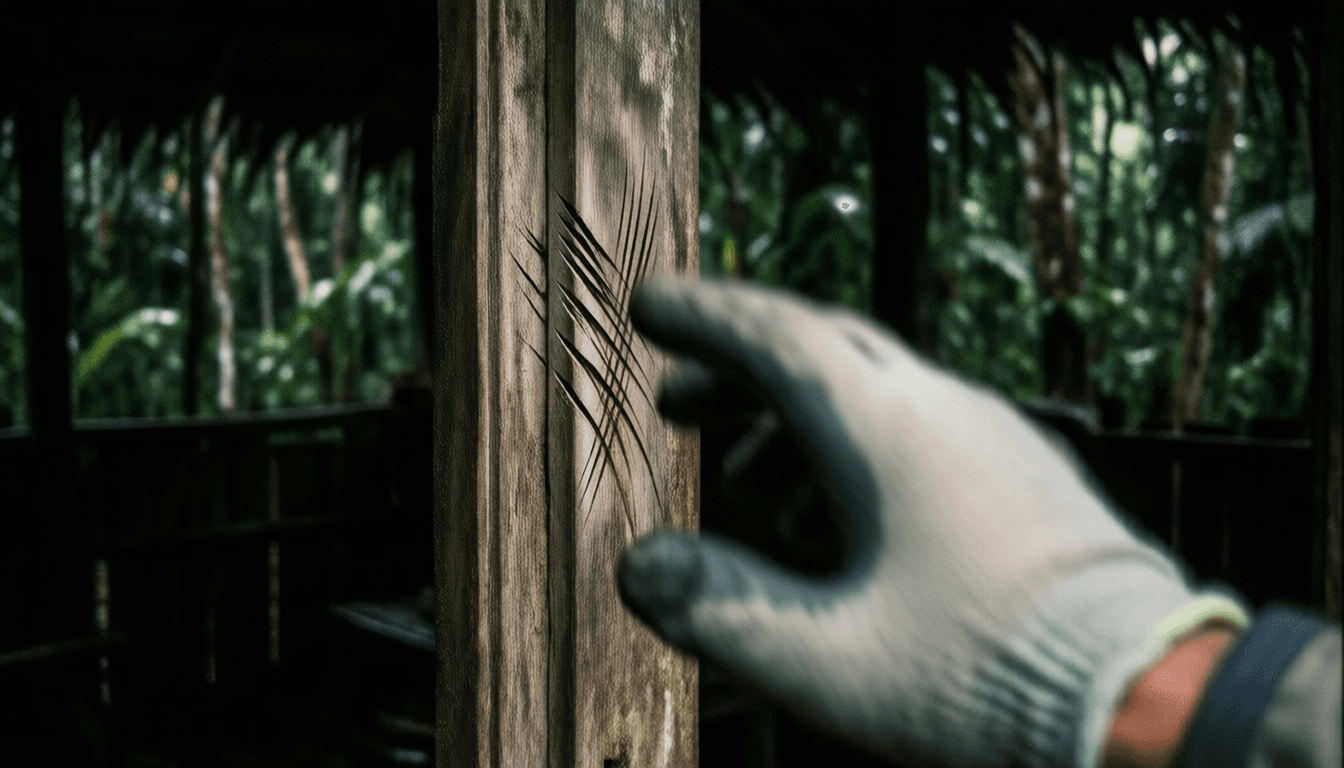
A social media post by a distant relative of one affected family further fueled anxieties. It included a blurry photo of claw marks etched into a window frame, accompanied by an urgent audio recording of a distant, sharp 'tik-tik' sound – the traditional ominous warning of an Aswang's approach. Though the post was quickly deleted, screenshots and the chilling audio file persisted in private messaging groups, spreading among those who understood the fear. The combination of official silence, community whispers, and digital fragments became the catalyst for a direct on-site investigation.
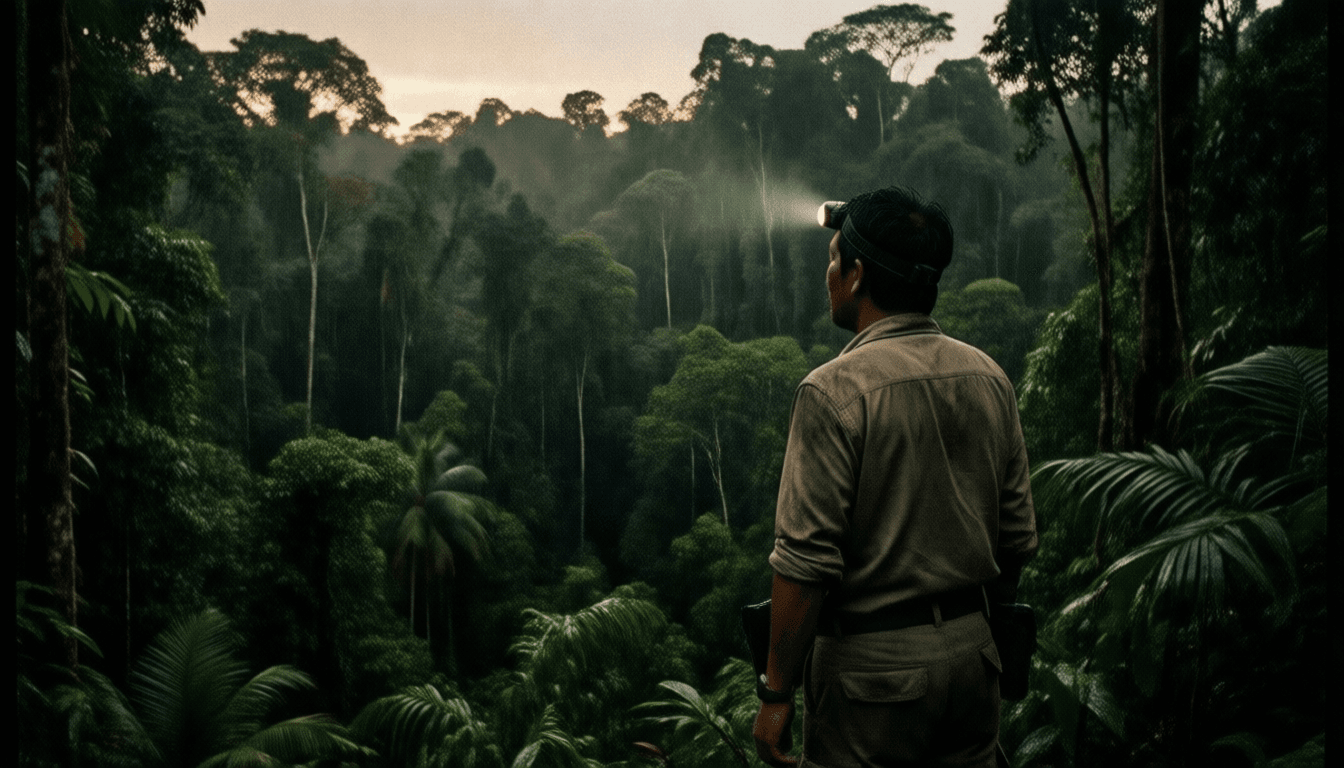
Accessing Capre Valley involved a two-day trek through increasingly dense and humid rainforest, culminating in a short boat ride up a slow, green-tinged river. The village, a sparse cluster of dilapidated shacks, felt less like a community and more like a besieged outpost. Windows were boarded, doors secured with multiple locks and interwoven palm fronds. The air was thick with the pungent smell of garlic smoke and burning salt.
My arrival was met with deep suspicion, which soon morphed into a desperate, quiet urgency. Elders, their faces etched with a fear far older than their years, spoke in hushed tones of a 'hungry entity that craved pure blood.' They pointed to a specific stretch of forest bordering the river, an ancient, overgrown area where the canopy seemed to swallow light entirely. There, they claimed, the monster resided, emerging only during the new moon to prey on the vulnerability of expectant mothers.
Physically, the location was suffocating. The jungle vegetation was unusually dense, even for the region. The air was perpetually stagnant, trapping a suffocating humidity. Despite the hum of insects, an unnatural silence pervaded the forest itself. There was no birdsong, no chattering of monkeys that should have been abundant. The river, a source of life, flowed slowly, its surface often eerily still, reflecting the distorted images of surrounding trees like a dark mirror. Only the thud of my own blood in my ears broke this visible silence – the first unsettling detail.
The initial days of observation were marked by a growing psychological tension. The unnatural quiet of the forest persisted, occasionally broken by inexplicable sounds. From deep within the overgrown forest the villagers had warned about, a faint, intermittent, sharp 'tik-tik' sound seemed to emanate. It was not insect, nor bird. It was strange, almost raspy, metallic, and unsettling. More unnerving was the way the sound altered; it seemed to grow fainter as it drew closer, creating a disorienting sense of its true proximity.
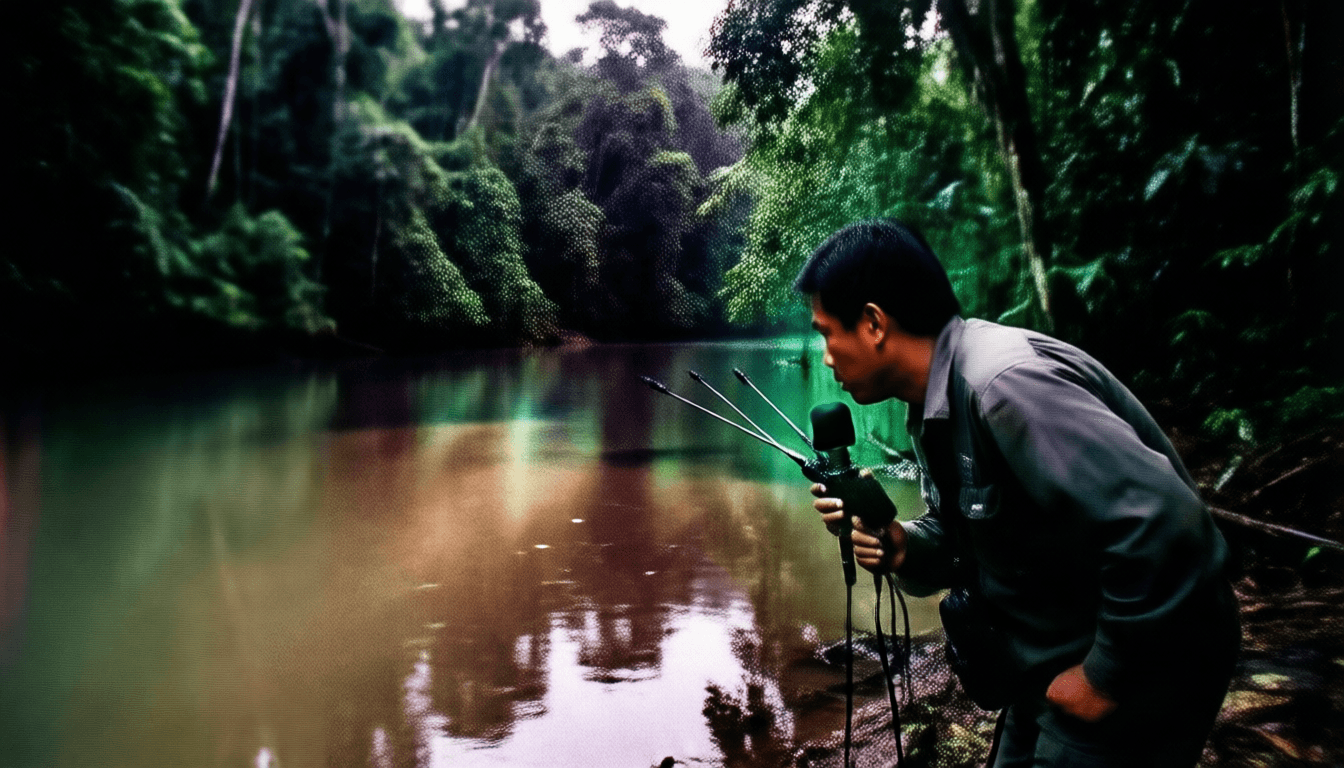
At night, while monitoring from a discreet, elevated position outside the village, environmental anomalies intensified. Normally reliable directional microphones picked up impossible acoustics. Distant rustling of leaves would be followed by delayed, warped echoes, as if sound waves were bending around an unseen, massive mass. On one occasion, a dense patch of riverside foliage shimmered and swayed for several seconds without any discernible wind, before settling back into perfect stillness. The forest's scent changed unpredictably. From damp earth and orchids, it would shift to a faint, sickly sweet aroma, a mix of heavy jasmine and a metallic tang, like old blood. This odor would drift in and out in utterly still air.
One evening, reviewing recorded thermal signatures, an impossibly tall, slender, bipedal heat signature streaked across the edge of the frame. It moved too fast, too quietly, with a flexibility impossible for any known nocturnal animal or human. It left no discernible track on the ground. My equipment, too, began to malfunction intermittently. Batteries drained inexplicably, digital displays flickered with static despite fresh power. The fear was not of what was seen, but of what was known. It felt as if some ancient, sentient presence was slowly tightening its grip on the space around me.
My investigation led me to a dilapidated nipa hut, half-submerged in the riverbank mud, right at the edge of the forbidden forest section. Locals had warned me away from it, calling it 'the place of old despair.' Inside, despite the tropical heat, the air was impossibly cold. My handheld thermal imager registered an extreme chill clinging to the decaying walls, far below ambient temperature.
As I documented the seemingly abandoned dried herbs and ritualistic vessels, the distant 'tik-tik' began again. Now closer, a soft, persistent scratching that seemed to emanate from within the hut, yet from no discernible source. I spun, flashing my headlamp into the gloom. Nothing. The sound shifted, becoming a wet, sticky sound, like something being slowly withdrawn from thick mud.
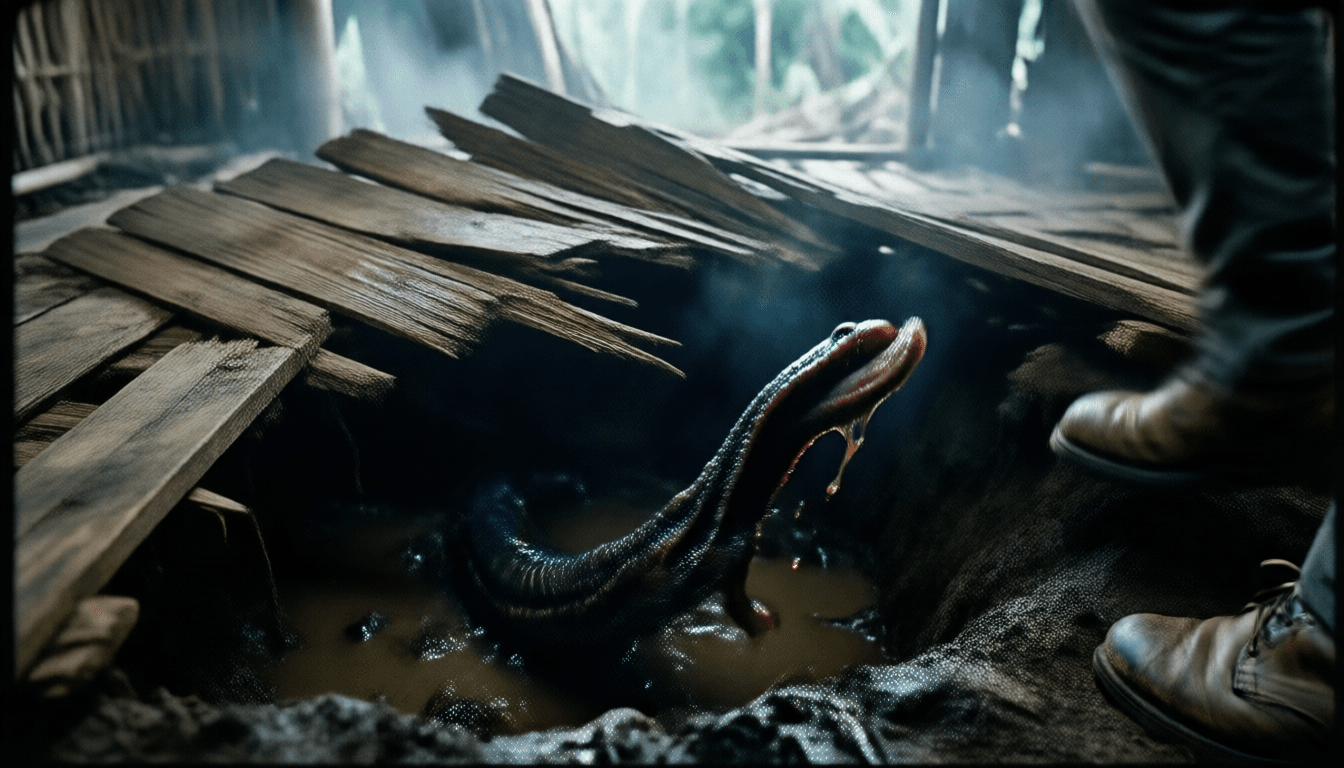
Suddenly, a damp, heavy scrape echoed from beneath the rotting floorboards directly under my feet. The hut groaned. A section of the floorboards buckled inwards with a sharp crack. And then, an impossibly long, slender limb, dark and glistening, snaked upwards through the broken wood. It was not a limb, nor a tentacle. What emerged from the rotten floorboards was a whip-thin, elongated tongue, slick with foul mucus. It moved with an unnerving, independent motion, swaying as if tasting the air, slowly advancing towards me.
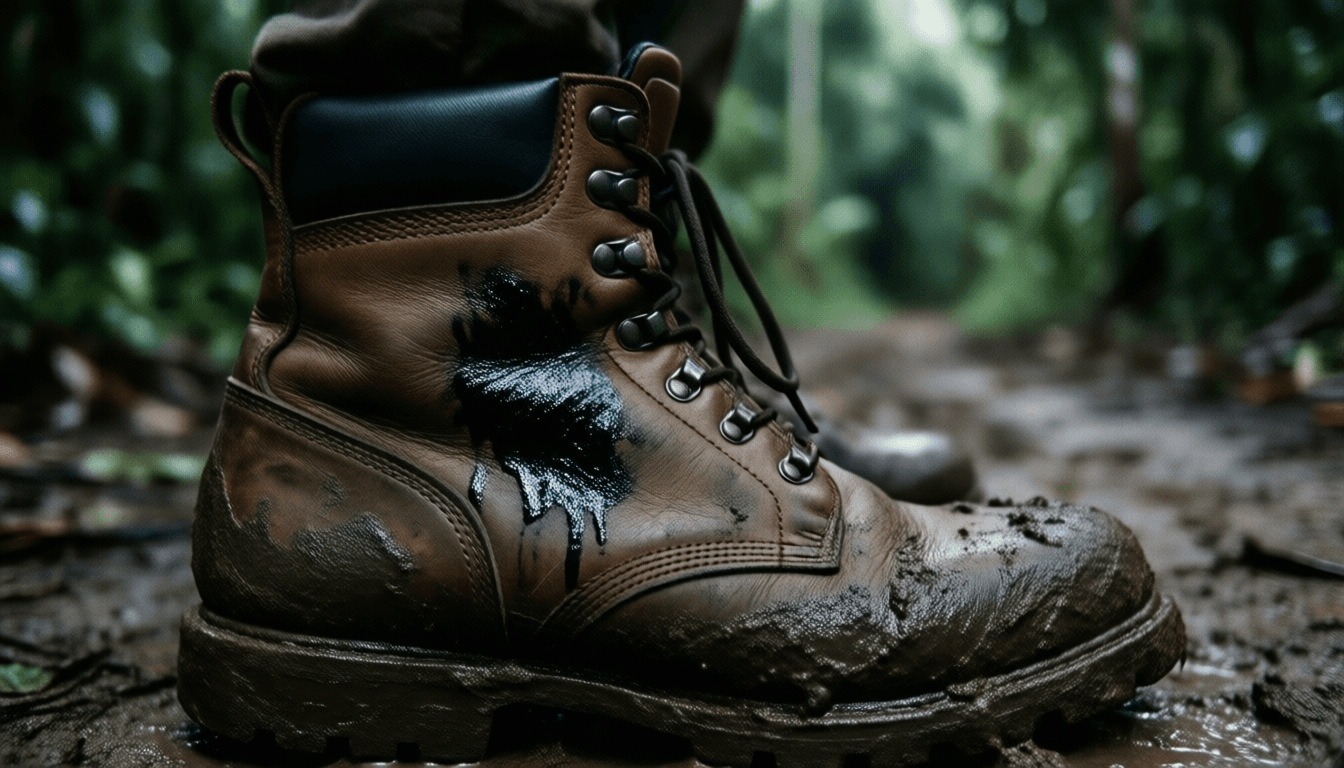
My heart hammered as I scrambled backwards. The air around the hole became intensely cold, and the sickly sweet odor turned overwhelming. The tongue lashed out with incredible speed, raking across my worn leather boot. The contact was ice-searing, a chilling, agonizing pain. From beneath the floorboards came a low, gurgling sigh, a sound of immense hunger. I reacted purely on instinct, kicking violently at the outstretched appendage. It withdrew with a wet 'snap,' leaving a trail of viscous slime and a pungent stench on my boot.
As I fumbled to clamber towards the only clear exit, a section of the decaying hut wall near the riverbank collapsed inwards. A vast, elongated shadow detached from the outer darkness, rippling silently and impossibly fast. It was vaguely humanoid, but its limbs were too long, its posture too hunched, its head indistinct in the gloom. It glided over the mud and water with no friction, defying gravity, closing the distance to the exit at a terrifying speed. A massive suction pulled at my ankles. It was as if the very air was being drawn into its being. There was no time for analysis; only escape. I dove headfirst towards the exit, crashing onto the muddy riverbank. The 'tik-tik' had now transformed into an urgent, gurgling vibration, right behind me. It was as if the air itself vibrated with its hunger.
I emerged from Capre Valley three days later. Exhausted and deeply traumatized, with two cracked ribs, deep lacerations on my arms from pushing through thorns, and a persistent, unshakeable chill that had seeped into my bones. I had no definitive photograph, no body to present. Yet, the evidence I carried was far more disturbing.
My field notes were waterlogged but meticulously detailed the exact coordinates of the nipa hut. Miraculously, my satellite phone had partially survived, containing damaged audio files. After extensive recovery efforts, one chilling sound loop was extracted. Not just the faint 'tik-tik,' but a sudden, visceral 'sucking' sound, followed by what sounded like liquid being drawn through a narrow tube, culminating in a low, satisfied gurgle. It was utterly inhuman.
But the most potent evidence remained on my boot. Where the creature's tongue had made contact, a dark, viscous stain remained. It defied analysis. It was not blood, nor mud, nor plant matter. It had a faint metallic sheen, and seemed to absorb light when exposed, appearing blacker than true black. The skin on my leg where it had touched remained abnormally cold, a localized, persistent numbness that no warmth would dissipate.
Capre Valley was more than just legend. The whispers of the Aswang were not distant tales, but a distinct, predatory presence that bent the very laws of physics to its will, hunting the vulnerable. I had felt its unnatural cold, heard its impossible sounds, and survived its physical touch. The horror was not in discovering a monster. It was in realizing how perfectly it fit into the shadows of the known world, its existence confirmed not by folklore, but by the cold, undeniable evidence left behind from an investigator's almost fatal encounter. The smell of garlic still makes me profoundly nauseous, and every regular sound in the distance evokes a chilling dread that something, softer, closer, is coming. The silence of Capre Valley was not the absence of sound; it was the sound of the world holding its breath.
[ CLASSIFIED VERDICT ]
[ACCESS LOG - SOURCE FILE]
The Aswang is a creature from Filipino folklore, known especially for preying on pregnant women, fetuses, and infants. It is said to disguise itself as a human by day, transforming into forms like birds, bats, or dogs at night to consume internal organs or blood. This story is based on local legends from Palawan, suggesting that the Aswang's terror towards mothers and newborns, as implied by this tale, transcends mere superstition to become a tangible threat.