The Shadow of Margeride
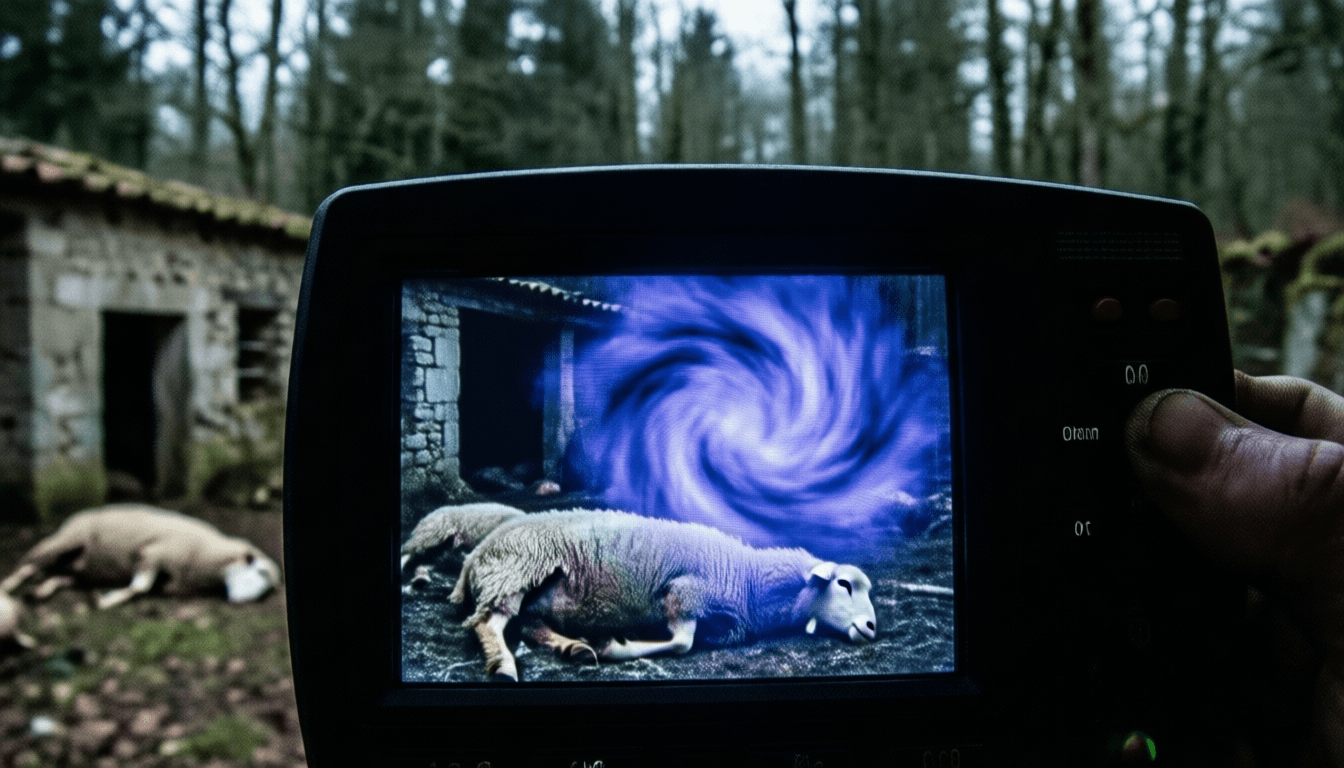
In the Lozère region of France, local news outlets and online communities have recently been buzzing with a low, uneasy murmur. It's not talk of a new celebrity or political scandal, but rather rumors of something far more ancient and disturbing. Over the past six months, a series of livestock killings—sheep, goats, and even young oxen—have occurred in the remote farms of the Aubrac Plateau and the Margeride Mountains. What makes these incidents particularly draw the attention of this archive is their peculiar nature. Official reports consistently cite "large wild dogs" or "isolated wolf attacks," yet forensic investigations consistently reveal anomalies. Carcasses often show unnaturally precise excisions of specific organs, and despite significant internal trauma, only minimal blood loss is found at the scene. Furthermore, drag marks or signs of struggle are inexplicably absent. Adding to this, several experienced local hunters and national park rangers have reported finding paw prints larger and heavier than any known canid in the region, noting an unusual, almost rhythmic gait. These accounts, dismissed as anecdotal by authorities, have rekindled rumors among locals of a name whispered quietly in the dark hours: "La Bête." The historical parallels with the 18th-century Beast of Gévaudan incident, particularly in the manner of attack and the elusive nature of the culprit, are too strong to ignore.
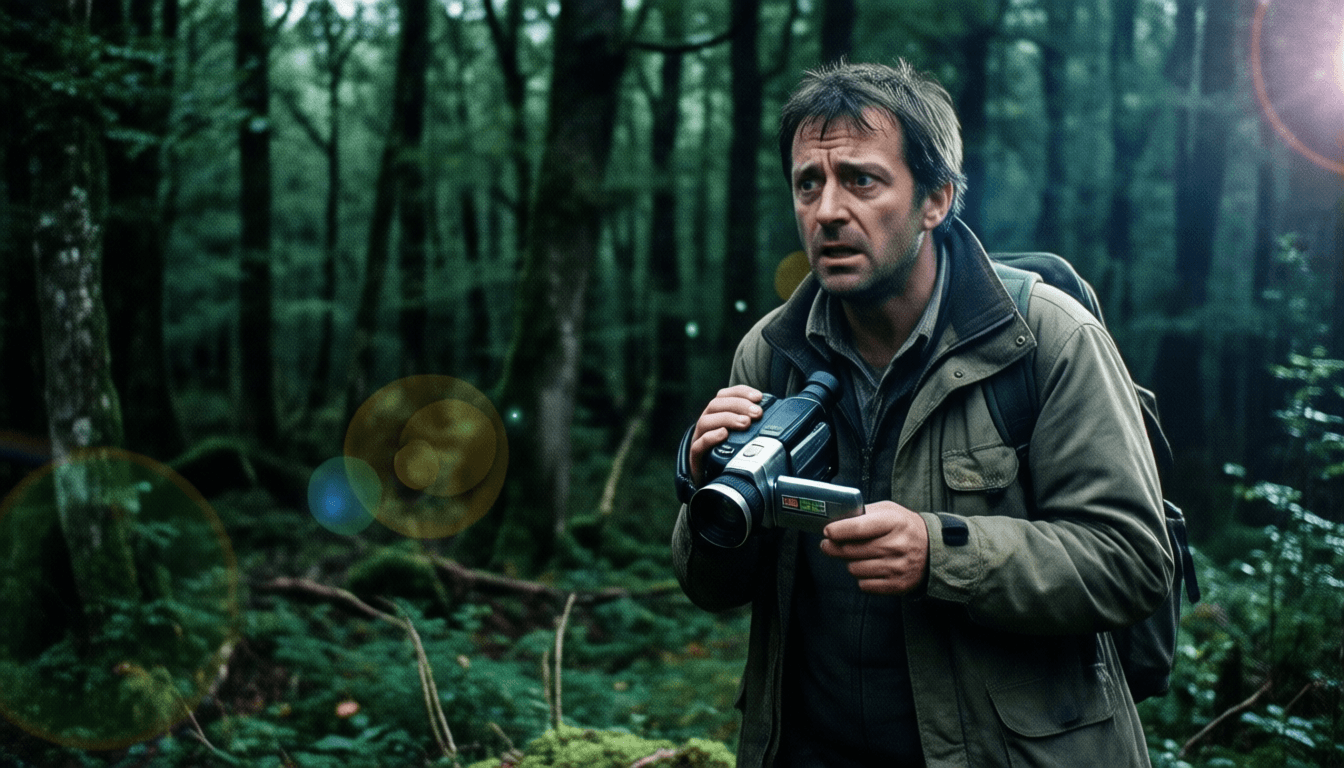
Drawn by these unsolved patterns, an investigator from this archive headed to the region where the most recent incidents had concentrated: a secluded valley overshadowed by the ancient forests of Margeride. The objective was to locate the most recently confirmed kill site—a mass slaughter of a sheep flock near the ruins of an old hunter's shelter, long abandoned and known for its isolated history. The air here was thin and cold, carrying the scent of pine and damp earth. Even in daylight, the investigator noted a deep silence that pervaded the forest. Not even the usual chirping of birds or rustling of small animals could be heard, a silence that felt far heavier than anticipated. The ground was a mosaic of mossy rocks and fallen leaves, a challenging terrain for tracking, yet official reports explicitly mentioned paw prints. The path to the shelter was overgrown, almost indistinguishable. The investigator carried high-resolution photographic equipment, a portable thermal imager, and a geological survey kit, focusing on gathering any missed forensic data or environmental measurements. The ruins themselves were broken, dilapidated stone structures, overgrown with ivy, strongly conveying a distinct sense of time and abandonment.
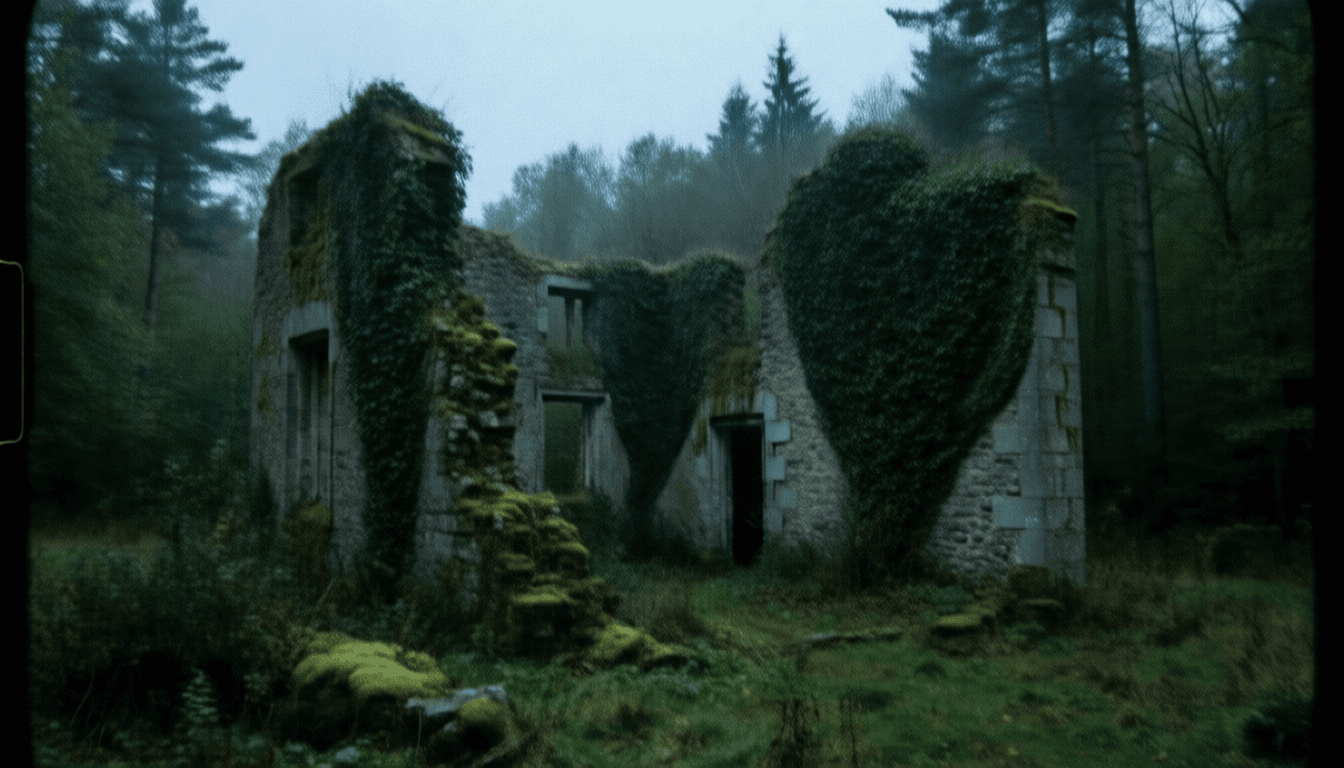
As the investigator approached the site of the most recent incident—partially mutilated sheep carcasses found near the shelter's dilapidated dog kennels—environmental anomalies began to manifest. The profound silence deepened to an almost agonizing degree, a vacuum where natural sounds should have been. The sound of a dropped metal water bottle seemed to echo not from the surrounding rocks, but from behind the investigator, delayed by about a second. The thermal imager detected sudden, localized drops in temperature—intense pockets of cold air swirling and dissipating without clear cause, even on a relatively mild afternoon. At the periphery of vision, faint, dark movements were caught in the dense undergrowth—indistinct forms that vanished when directly observed. An inexplicable, pungent odor, vaguely animalistic but unlike any known predator, drifted intermittently on the still air, strengthening and fading. More than isolation, a potent, primal sense of being watched enveloped the investigator. The compass needle began to waver erratically, spinning far off magnetic north before returning, and slowly rotating without any apparent reason.
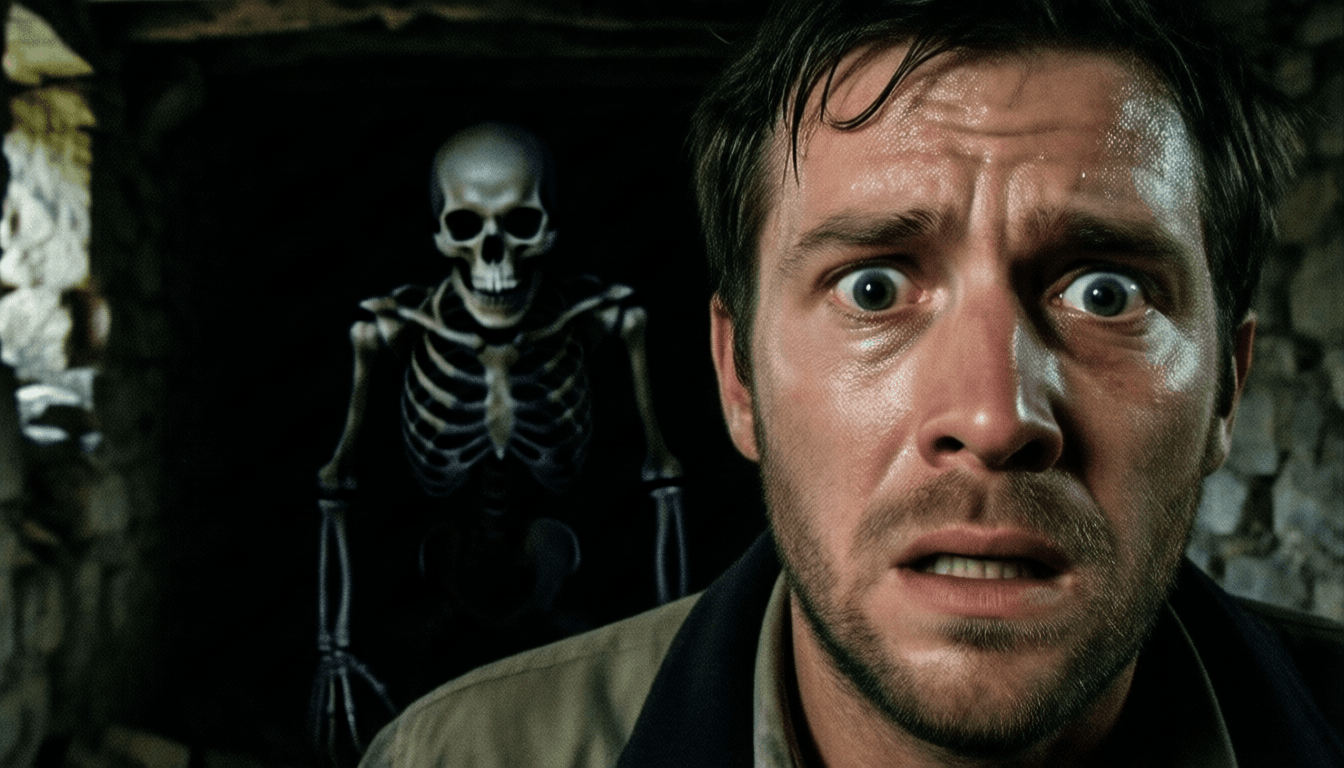
Following faint, peculiar tracks embedded in the damp earth, deeper into the ruins, the investigator reached a collapsed section of the shelter, now forming a shadowy dead end: a partially buried cellar. Here, the silence was absolute, pressing suffocatingly against the eardrums. Suddenly, a low, guttural growl erupted, not from one direction but seemingly reverberating within the investigator's chest, disorienting and paralyzing. The thermal imager flickered, then died completely. From the deepest shadows, it emerged. It was no wolf. It was larger, skeletal, with an incredibly elongated skull and eyes that reflected no light at all, containing only absolute blackness. Its movement was fluid and unnatural, and despite its size, it moved through the dense shadows not by walking, but by seeming to pass through them, utterly soundlessly. The air around it became incredibly heavy, making even breathing difficult, every muscle movement painful. As the investigator tried to raise the camera, the creature moved with a blur of speed impossible for optical tracking, vanishing from one point only to instantly appear closer, blocking the only exit. An incredibly powerful, clawed forepaw brushed the investigator's chest. The impact was not a blunt force but a tearing, precise strike, ripping through layers of clothing and skin, accompanied by a sensation like cold fire. The investigator frantically fumbled, dropping equipment. The beast did not lunge for the kill. Instead, it observed, head tilted, a low, rasping sound emanating from its throat. The sound was too deep, too ancient, incongruous with its physical form. Finally, with an eerie rush, it pinned the investigator against a crumbling wall. Its hot, foul breath and black eyes stared directly into the investigator's, not with hunger, but with an unsettling intelligence. Then, the creature's sudden, guttural roar caused the weakened stones above to give way, sending debris crashing down, blocking the escape route and causing momentary confusion. Seizing this chance, the investigator, in a desperate, pained scramble, lunged through an unseen gap, barely escaping the creature's grasp, leaving behind a broken camera and a piece of clothing torn by its claws, and fled.
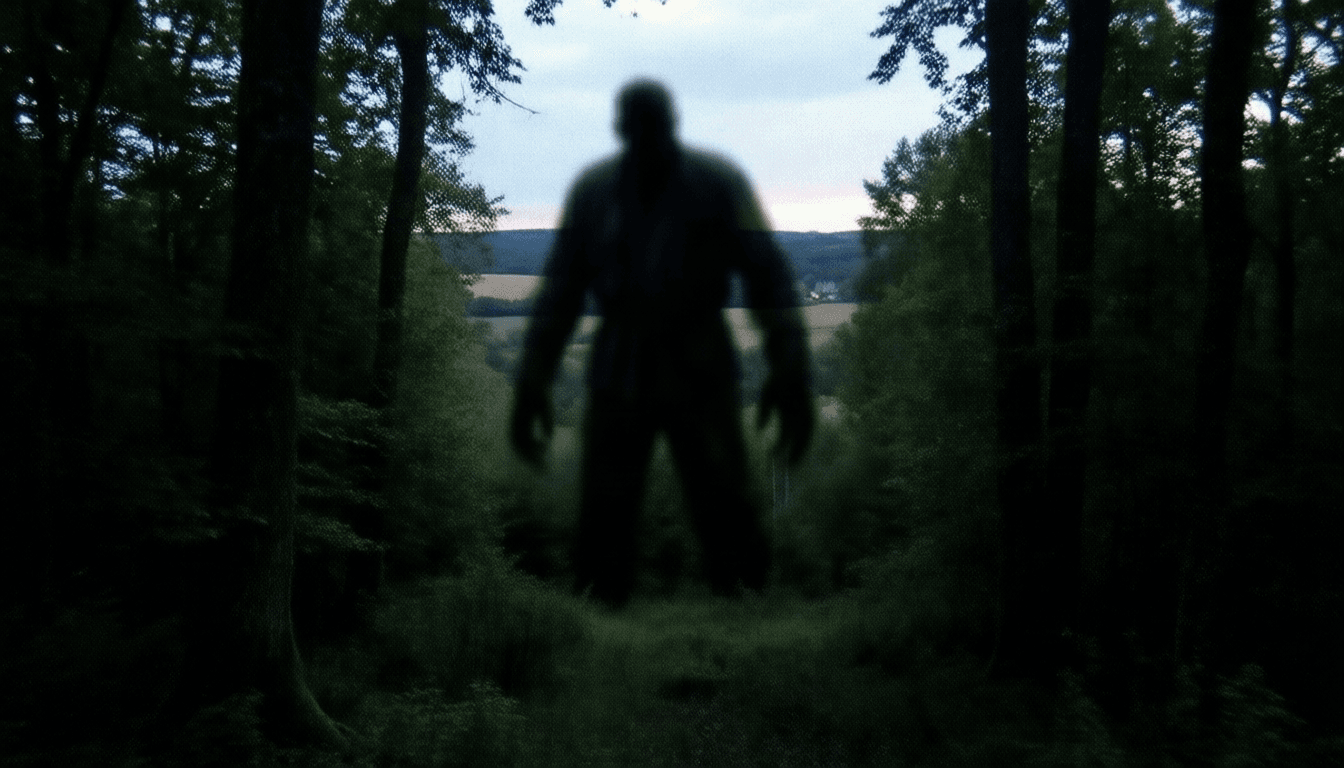
The investigator barely escaped, emerging from the forest hours later. Disoriented and bleeding, their account was dismissed by local gendarmerie as delusion brought on by shock, despite the tangible lacerations difficult to explain as common animal attacks. The detailed description of the creature, the spatial distortion, and the impossible silence were all met with professional skepticism. Weeks later, during recovery, the investigator received a brief email from a colleague in the Lozère region. Another livestock killing had occurred deep in Margeride, showing the same surgical precision and inexplicable absence of struggle. Attached was a blurry, low-resolution cellphone photo taken by a terrified farmer—a distant, impossibly large shadow indistinctly visible at twilight, yet unmistakably similar to what had been fleetingly witnessed in the forest. The investigator examined the recovered, blood-stained backpack. A coarse, dark strand of fur, unlike any known canid or local wildlife, was caught in a buckle. And etched deeply into the metal casing of the broken compass, precisely where the needle had furiously spun, were three parallel scratches. Too deep, too perfectly spaced to be anything but the mark of something impossibly sharp, impossibly strong. The impossible truth. The Beast of Gévaudan was not a historical anomaly or merely a wolf or hybrid. It was a persistent, evolving apex predator, spanning not just the physical landscape but the realm of perception itself. And now, its gaze was directed here.
[ CLASSIFIED VERDICT ]
[ACCESS LOG - SOURCE FILE]
The Beast of Gévaudan was a mysterious predator that terrorized the Gévaudan region of France from 1764 to 1767, brutally killing over 100 people. Its bizarre appearance and intelligent hunting methods, unlike those of a wolf, sparked widespread debate and fear. Its true identity remains a mystery to this day, making it a famous French urban legend.