The Pulsation of the Buried Prison
Göbekli Tepe is known as humanity's oldest temple. However, among some independent archaeologists and historical researchers, there's a persistent whisper not about *what* the temple was, but *why* it was buried. The official explanation mentions a ritualistic closure by its builders, but the immense scale, with millions of tons of earth meticulously piled over centuries, hints at something far more urgent. In 2017, in particular, a post by an anonymous former excavation technician on an online forum fueled these suspicions. He detailed abnormal low-frequency vibrations detected during the early stages of excavating Mound A, a major structure. These vibrations, dismissed as "geological anomalies," showed a nearly rhythmic pattern, unlike natural earthquakes. The technician, operating under the pseudonym "TerraIncognita," claimed that the vibrations intensified temporarily when certain T-shaped pillars were exposed, only to disappear when covered with earth again for preservation. He concluded his post with a chilling remark: "They didn't bury a temple. They were burying a prison." The post was quickly deleted, but it spread through the internet's darker corners, fanning speculation about a suppressed truth. My interest began there.
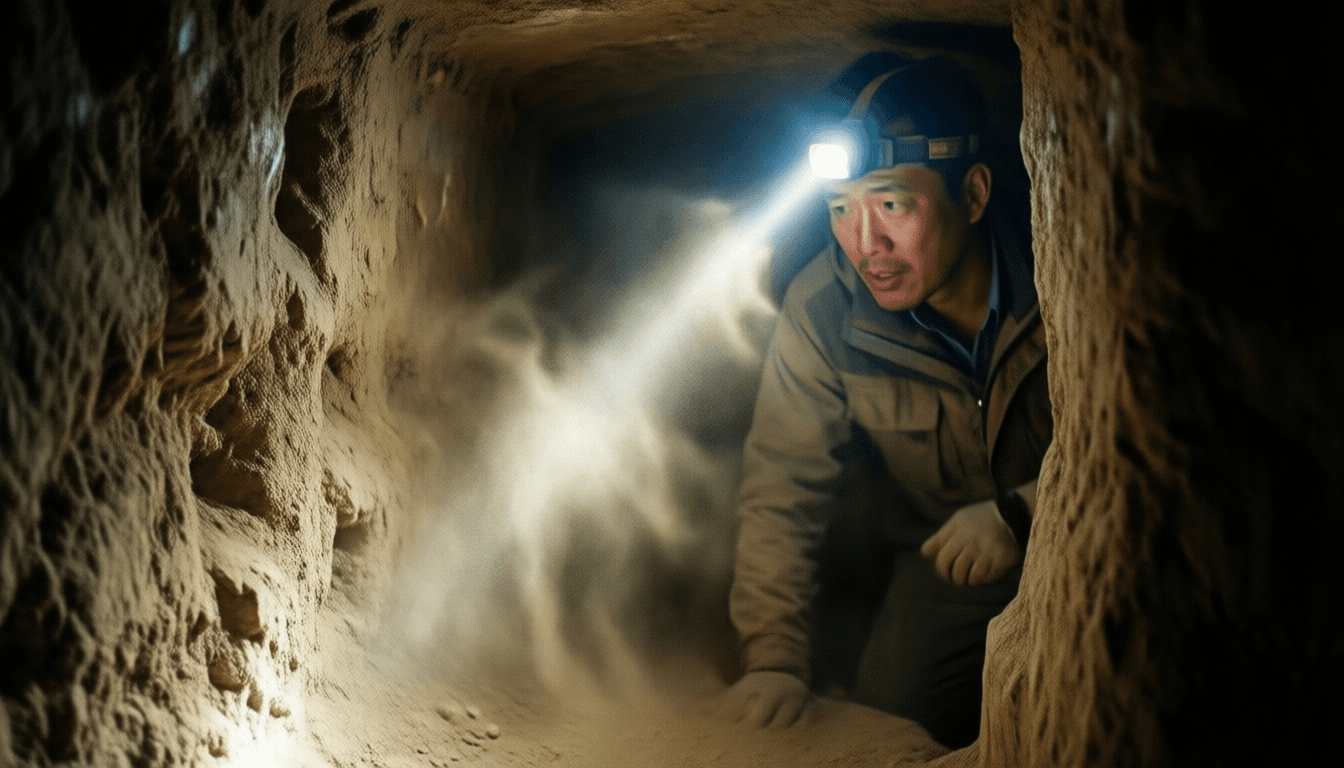
Through "TerraIncognita"'s post and my network, I gained access to an unexcavated area of Göbekli Tepe, not open to the main tourist routes. This section, locally called "Sleeper's Hill," had recently suffered a small subsidence due to heavy rains, revealing unstable crevices. An old man named Yusuf, who had herded sheep in this area for generations, became my guide. He hesitated, muttering lowly about "unquiet ground" and "listening stones." We descended into the crevice along a narrow, winding path of dirt and loose rocks. The air immediately grew heavy. Along with the smell of dry earth, there was a metallic, coppery, sour scent, like old copper rust. The silence was profound; not merely quiet, but an absence of sound, as if the earth itself had absorbed all ambient noise. My flashlight beam cut through the suspended dust, revealing earth entangled with ancient roots. The overwhelming weight of millions of tons of earth above me pressed down, palpable on my skin.
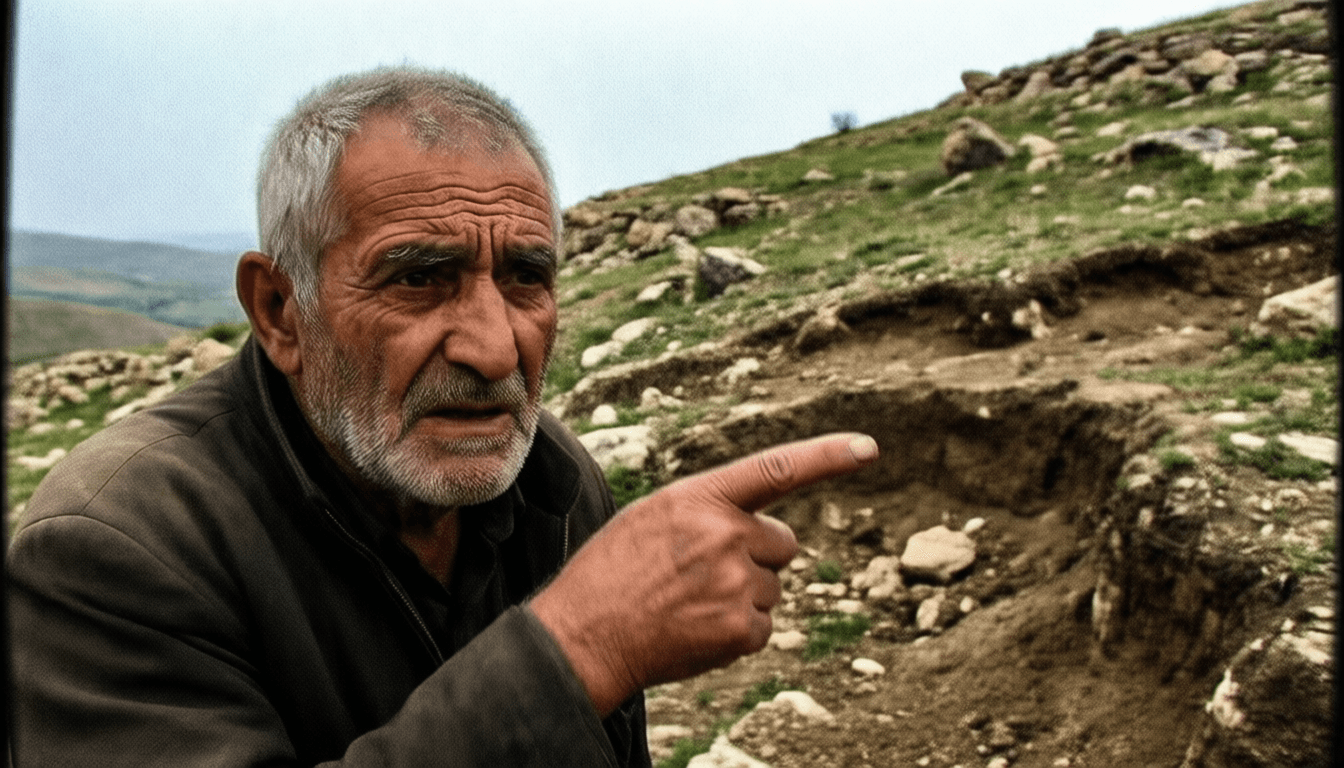
Deeper in, subtle anomalies began. The air was stagnant, yet intermittently moved, cold eddies of pressure brushing my skin. My normally stable flashlight beam seemed to waver, and dust particles within it swirled in small vortices, even though no air currents were detectable. Yusuf, usually stoic, grew increasingly anxious, muttering prayers. He pointed to a section of compacted earth where a faint light seemed to *seep out*. I told myself it was an optical illusion of minerals reflecting light, but as I watched, the light pulsed like a slow, deep heartbeat. Simultaneously, an almost imperceptible hum vibrated up from the floor through the soles of my boots. It was similar to the low-frequency pattern described by "TerraIncognita." It wasn't a sound heard by the ears, but a resonance felt in the very bones. My head throbbed. The metallic tang in the air was now almost tasteable. The ancient ground did not seem entirely still.
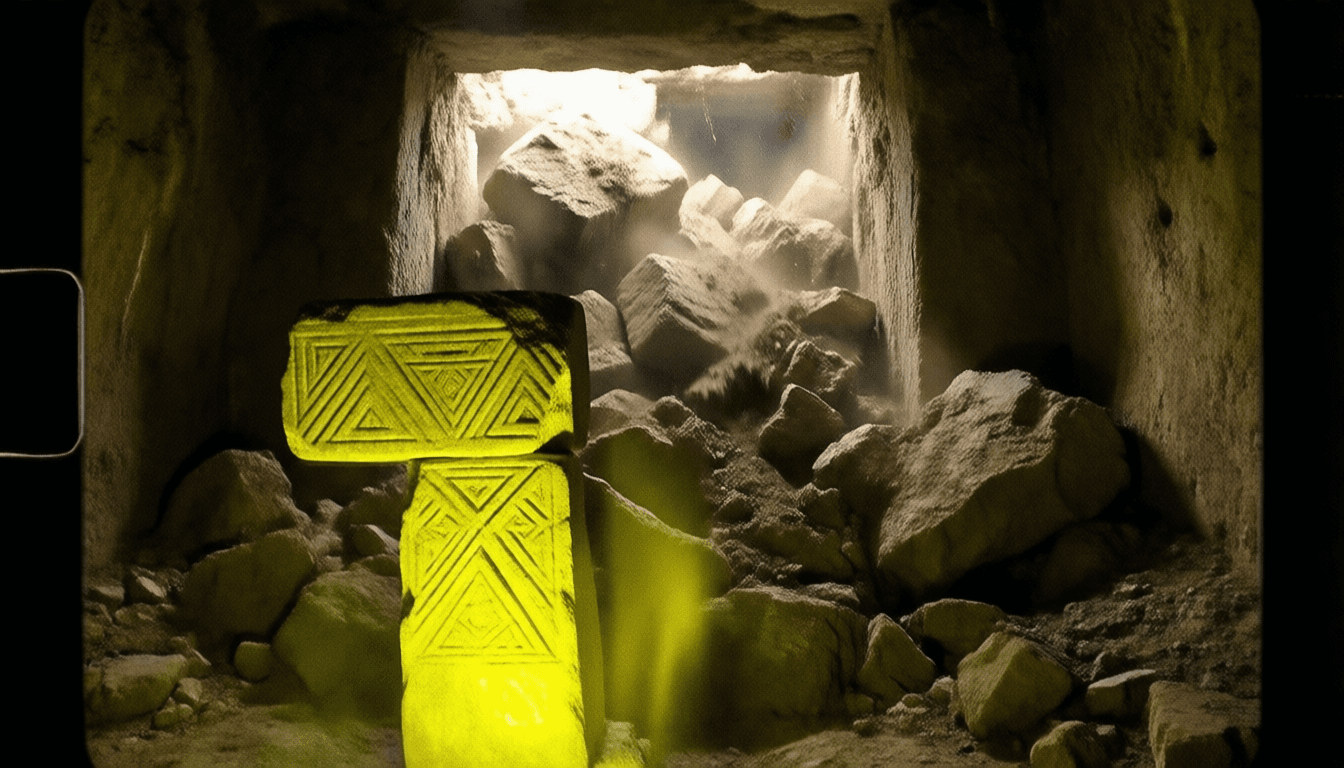
We arrived at a partially collapsed small chamber. Through years of sediment, the upper part of a T-shaped pillar was faintly visible. It was like those seen in the main excavation site but far older and cruder. Instead of animal carvings, its surface bore deep, geometric striations. As I approached, the low hum intensified, becoming a pervasive infrasound that twisted my gut and vibrated my teeth. Suddenly, without warning, the entire chamber *jolted*. This was not a natural collapse; the movement was too localized, too precise. A massive section of the previously stable ceiling *pulled inward* and collapsed, showering earth and rocks. Our entrance was sealed. Yusuf screamed and scrambled backward.
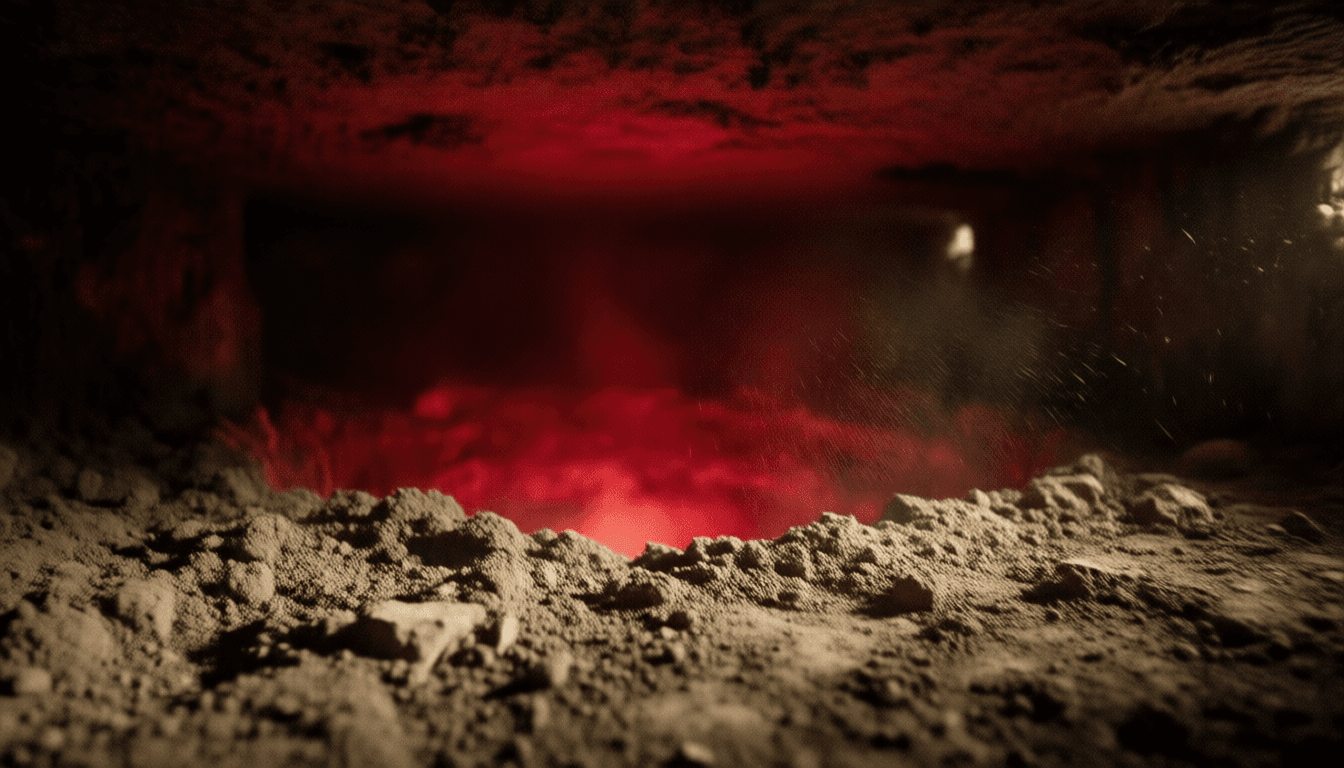
The rising dust didn't settle. Instead, undisturbed, it began to *condense* around the exposed T-shaped pillar, swirling in slow, deliberate vortices. Within the swirling dust, I saw faint but immense outlines forming. They were indistinct but pressing inward. The air became incredibly dense, constricting my breath. The hum escalated into a bone-shaking roar, felt not as sound but as a physical *force*. The geometric striations on the exposed pillar began to *glow* with the faint, deep pulsation I'd seen earlier, throbbing in sync with the infrasound.
Then, the impossible happened. The collapsed earth and rocks around us began to *move*, defying gravity. Slowly pushing inward, the stones ground against each other. It wasn't settling; it was a deliberate *tightening* of the small space we occupied. It was as if the very mass of the hill was reasserting itself, *trapping* us. By an unseen force, a large, jagged stone crushed Yusuf against a distant wall, his scream muffled by the dust. Soon, the dust, now a viscous, suffocating mass, didn't extend like tendrils, but came as an overwhelming pressure, pinning me against the T-shaped pillar. A profound cold emanated from the ancient stone, accompanied by a sensation of being *absorbed*, resonating deep within my chest. I wasn't merely trapped; I was being actively and deliberately *pressed into* the unquiet earth. My vision blurred. I was becoming part of the buried prison.
I have almost no memory of escape. Only a faint remnant of a desperate, animalistic struggle against the crushing pressure, the metallic taste of blood, and Yusuf's sharp but silent scream. Pure instinct must have guided me through a narrow crevice created by the initial collapse. Hours later, when local authorities found me half-buried and incoherent near "Sleeper's Hill," they concluded my injuries—multiple fractured ribs, severe dust inhalation, profound psychological trauma—were an unfortunate accident at an unstable, unauthorized excavation site. Yusuf's body was discovered days later under tons of earth, his face frozen in primal terror.
They didn't find the small, smooth stone I clutched in my hand. A fragment broken from the exposed T-shaped pillar, its surface was cold and strangely resistant to the touch. It showed no geological features. The stone now sits on my desk. It appears to be nothing, yet on quiet nights, I feel a faint, low hum emanating from it. My heart pounds, my chest vibrates. I now have nightmares. Not of darkness, but of ceaseless *pressure*, the taste of old copper, and the sensation of being slowly, deliberately absorbed by an ancient, vast, watching mass. Sometimes, when I stare too long at the dust dancing in the sunlight of my home, I suddenly realize their swirling movements against the air currents perfectly mirror the vortices within "Sleeper's Hill." The official reasons for Göbekli Tepe's burial were preservation or ritualistic closure. But I know, deep in my bones. It was containment. And what is trapped beneath that hill… is not sleeping. It remembers. And just as I now carry a piece of that silent, unbearable pressure, it too holds a piece of my consciousness.

[ CLASSIFIED VERDICT ]
[ACCESS LOG - SOURCE FILE]
Göbekli Tepe is known as humanity's oldest temple, but some question not what the temple was, but why it was buried. While official explanations cite ritualistic closure, the immense scale of millions of tons of earth covering it suggests a purpose beyond simple preservation, sparking rumors that something was sealed within. An anonymous excavation technician's testimony, in particular, has spread an urban legend that the temple was in fact an ancient prison.