Karakoncolos's Question
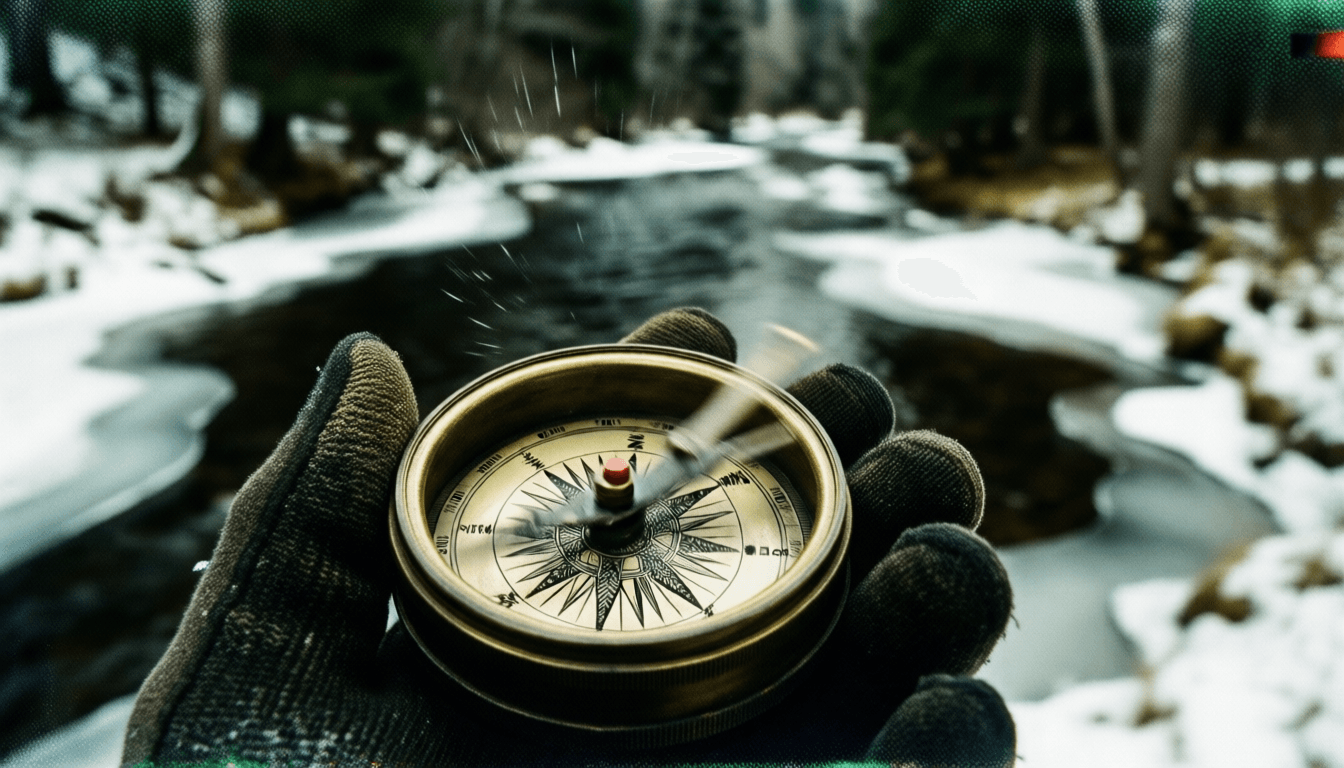
When seemingly unrelated incidents reported across various local news outlets and online communities in the Balkans began to form a pattern, our archives took notice. Specifically, under the title "Missing in Vitosha Mountain – Again?" on a small hiking and nature enthusiast forum called "BalkanPeaksUntamed," which had been dormant for some time, users were intermittently adding new disappearance cases. These were not mere disappearances but occurred consistently between late December and early January each year, a period locally known as "The 12 Days of Karakoncolos." These posts meticulously documented instances of experienced hikers vanishing without a trace in isolated, snow-covered valleys surrounding the lesser-known northern slopes of Vitosha Mountain. A particularly chilling post from 2017 by a user named "ForestGhost" mentioned a backpack found near a frozen stream. Its contents were untouched, but the compass needle was frantically spinning, and a half-eaten energy bar was strangely covered with fine, dark, hair-like fibers. The post concluded with an eerie warning: "The old ones say, if it asks you where you came from, do not answer incorrectly." This cryptic warning, combined with the consistent timing and location, provided strong initial evidence.
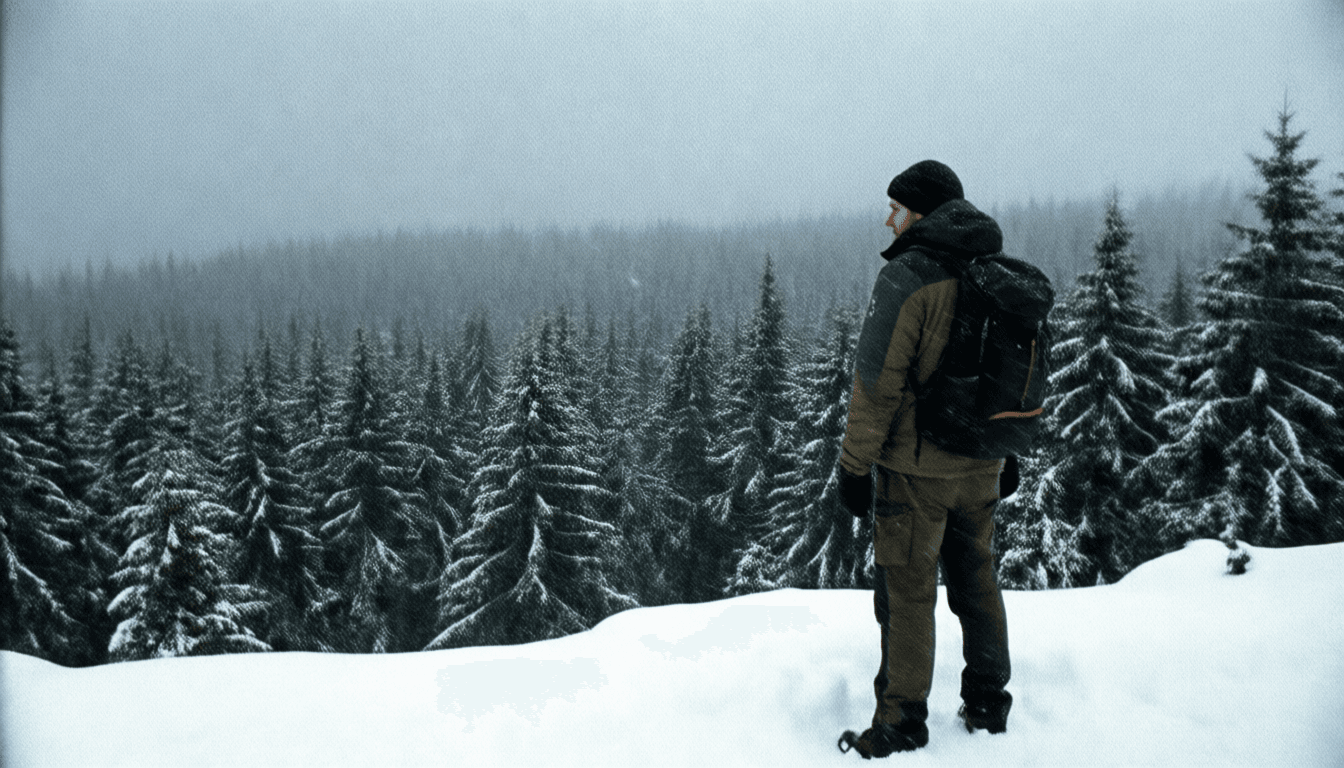
Drawn by this accumulating data, Dr. Aris Thorne, an investigator, arrived in a small, snow-laden village at the foot of Vitosha Mountain in late December. Officially, he was there to study winter folklore, but unofficially, he was tracking the Karakoncolos. His focus was on the specific valley where the disappearances were concentrated. It was a desolate, heavily forested area, accessible by only a single, unmaintained trail. The deep cold was already bone-chilling, and a perfect silence reigned, save for the rhythmic crunch of snow beneath his specialized boots. Visibility was poor, the sky a perpetually low, grey expanse. He carried standard winter survival gear, including a high-frequency acoustic recorder, a compass, and satellite GPS. His immediate goal was to locate the frozen stream mentioned by "ForestGhost," following the meager details gleaned from old topographical maps and online posts. The weight of the ancient forest pressed down on him, old trees heavy with snow casting long, deep shadows that seemed to shift at the periphery of his vision. He noted the unsettling absence of animal tracks in an environment that should have been teeming with wildlife.
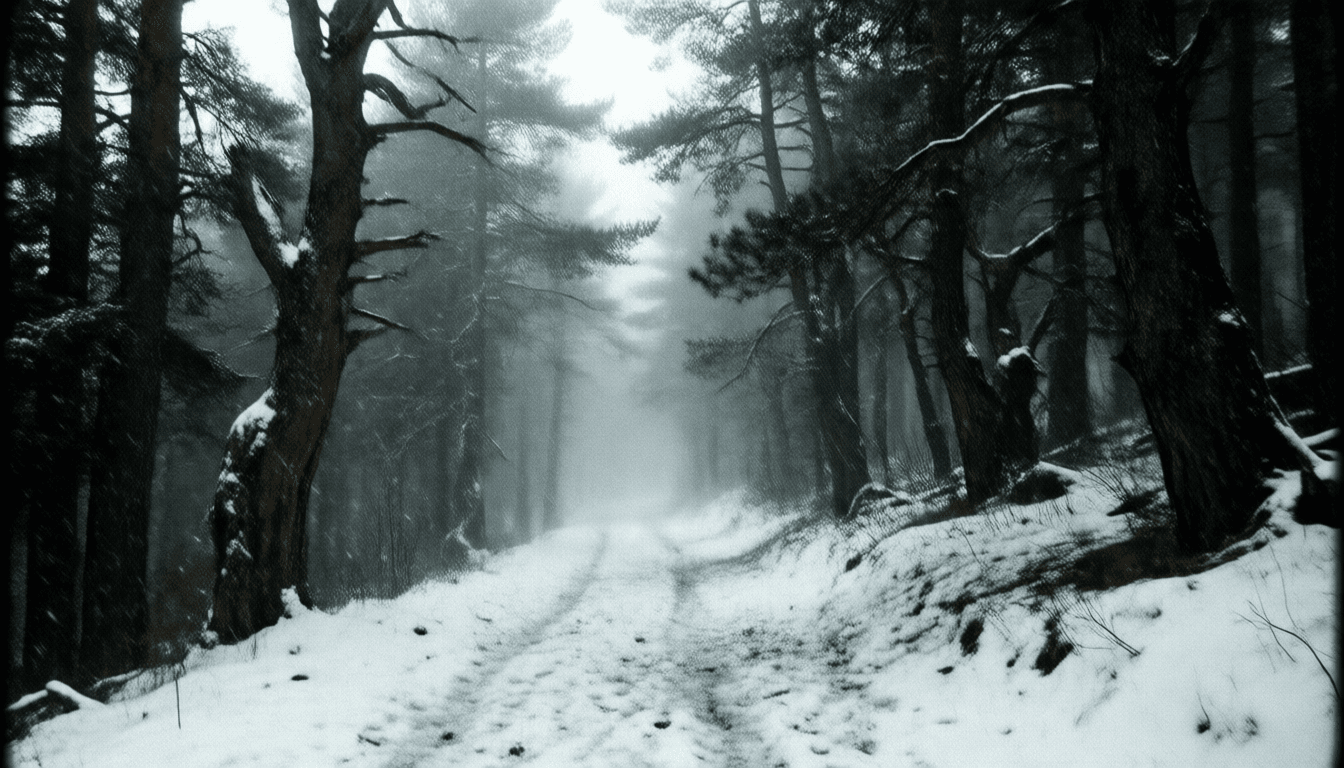
As Dr. Thorne delved deeper into the valley, subtle environmental anomalies began to surface. The small, partially frozen stream described by "ForestGhost" was indeed there, but the sound of its trickling, dark water was unnerving. The stream seemed to flow audibly from upstream, yet the visible water flow was downstream, a perplexing auditory paradox. He called out, a short, clear "Hello?" The sound dissipated into the oppressive silence, no echo returning. It was as if sound itself was absorbed by the air. His GPS signal became erratic, and his compass needle now began to spin wildly, just as described in the posts. A deep, unnatural silence descended. Not a single creak of melting ice or rustle of a branch could be heard. A sudden, localized drop in temperature was palpable. It was so intense that his breath instantly crystallized, stinging his lungs, causing him pain even with his advanced gear. Faint, hoarse whispers seemed to drift on the cold air, too indistinct to comprehend, always receding whenever he tried to focus. He realized he was circling, completely disoriented, passing the same gnarled, snow-laden oak tree twice.
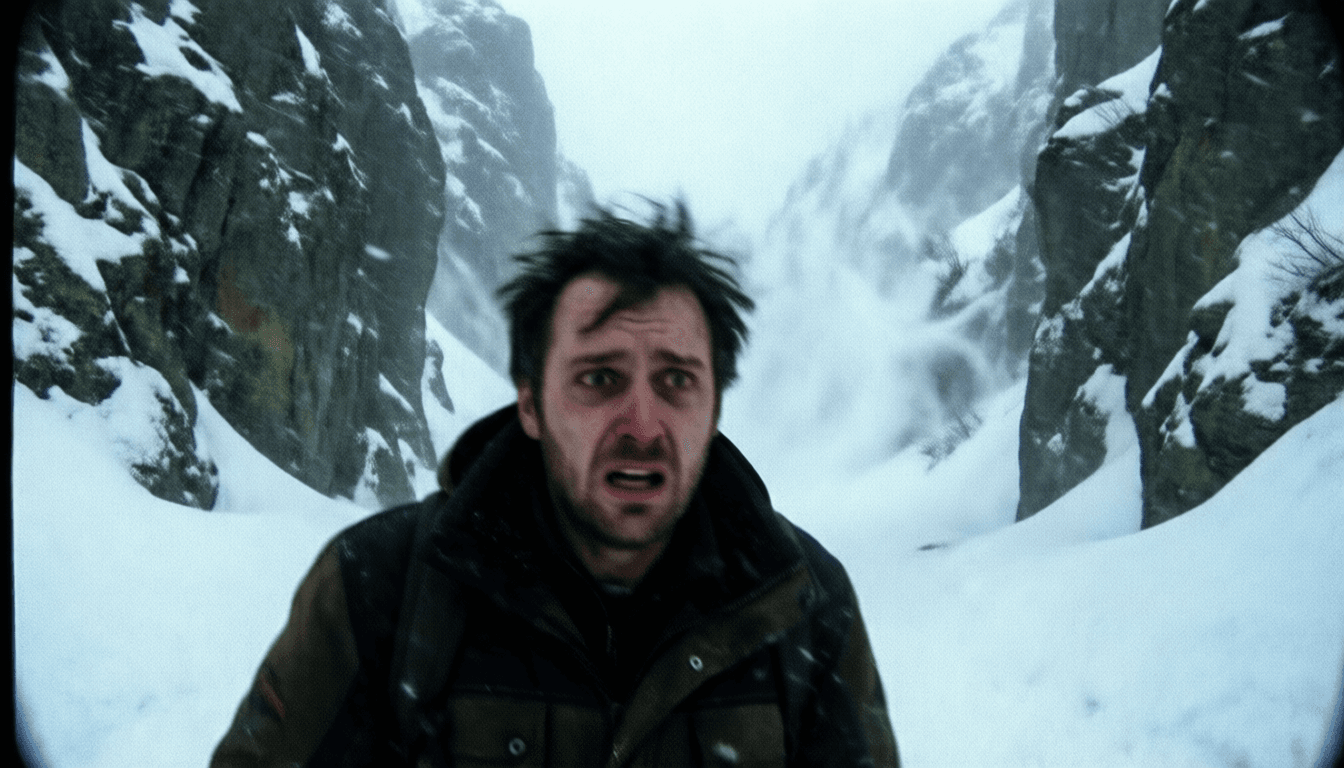
Now truly lost and disoriented, Dr. Thorne stood at the edge of a narrow, snow-filled gorge, its depth obscured by a swirling, localized blizzard that had appeared from nowhere. He tried to retrace his steps, but the path he had just taken was indistinguishable, covered by an impossibly deep layer of fresh snow. From within the swirling maelstrom, a low, hoarse voice manifested. It was neither human nor animal, but rather the sound of scraping stone and ice, almost incomprehensible, yet a distinct question: "Къде отиде и откъде дойде?" (*Where did you go and where did you come from?*) Dr. Thorne, recalling the folklore he had collected, remembered the specific, ritualistic answer. His tongue, heavy with cold and fear, struggled to form the words. "I... I went and came from... my own place..."
Before he could finish, the Karakoncolos moved. The swirling snow was not soft flakes, but sharp, crushing ice pellets, solidifying around him. An unseen force slammed into him, knocking him off balance and into the deep snow. The air around him became preternaturally cold, a localized vacuum that seemed to suck heat directly from his body. He felt an incredibly strong, cold grip clamp onto his ankle. It was dragging him towards the gorge. He struggled, his gloved fingers scraping at the frozen surface of the snow. He caught a fleeting glimpse within the swirling white: a dark, impossibly dense shape, more felt than seen. A momentary impression of something small, heavy, and covered in matted black fur. It radiated an ancient, malevolent cold. His leg twisted at an unnatural angle, the grip tightening, pulling him towards the abyss. The cold was now a burning agony. He was trapped, actively hunted by malevolent winter itself, now in a terrifying, physical form.
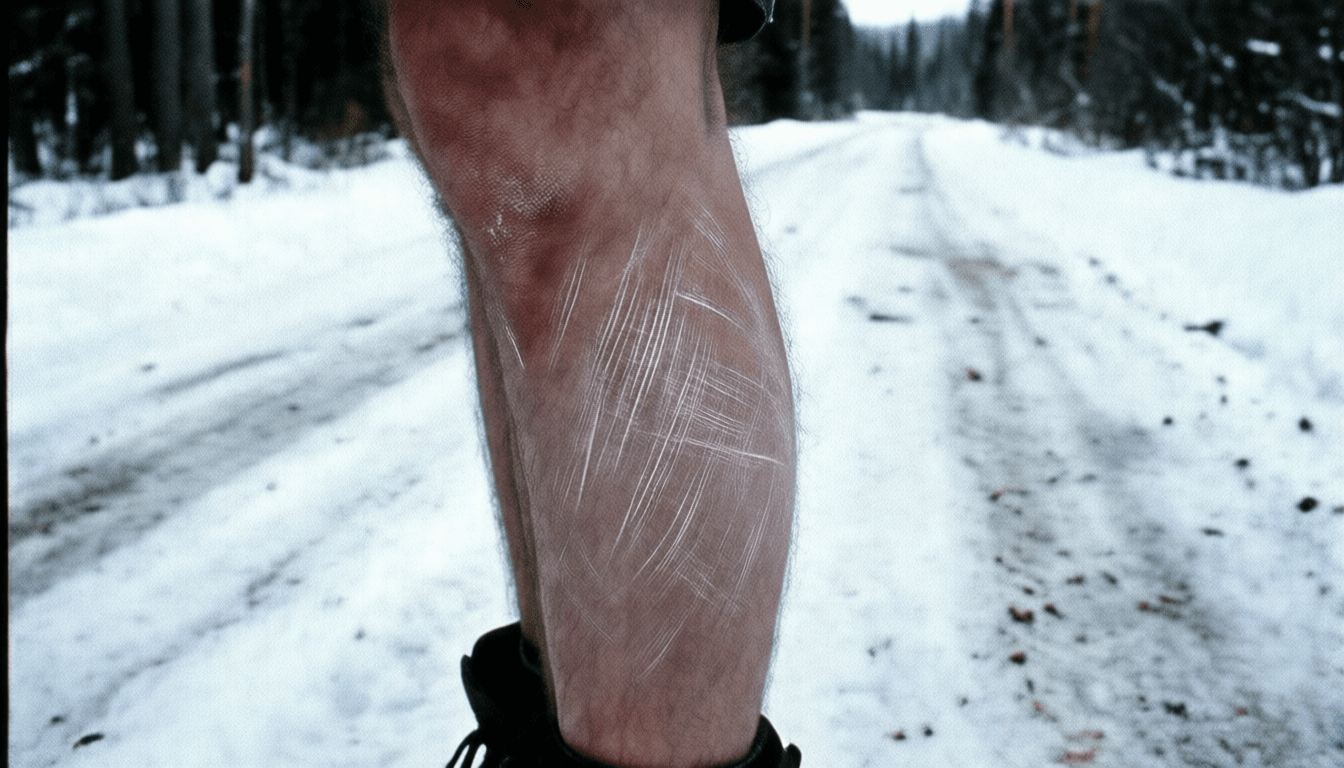
Hours later, Dr. Thorne was found by a local search party. He was near death from hypothermia, semi-conscious, lying near an abandoned logging road miles from where he should have been. His left leg was severely broken and afflicted with a unique pattern of frostbite that baffled medical personnel. The skin was unnaturally white and hard, etched with faint, parallel lines that looked like a series of small, deliberate scratches. He had no clear memory of his escape, only fragmented images of swirling darkness and impossible cold. During his recovery back in civilization, he was tormented by an inability to answer direct questions about his movements, particularly concerning his coming and going from the mountain. He hesitated, stammered, feeling an overwhelming, irrational dread that uttering the phrase "I went and came from my own head" outside a specific context would conjure something again. He carefully preserved a small, dark, matted hair-like fiber recovered from the folds of his ruined winter jacket in an evidence envelope. It matched no known animal in the region. Disappearances in Vitosha Mountain continued the following winter, and the online forums buzzed with renewed dread. Dr. Thorne, now an acknowledged expert in Balkan folklore, never returned to the mountain. His extensive research on the Karakoncolos never explicitly mentioned the creature's real existence. Instead, it concludes with a chillingly ambiguous footnote: "While the specific parameters of its interaction remain elusive, the evidence of its effects on the physical world and the human psyche continues to accumulate, especially within the deep, cold silence of the winter forest."
[ CLASSIFIED VERDICT ]
[ACCESS LOG - SOURCE FILE]
Karakoncolos is a demonic entity from Balkan and Turkish folklore, said to appear during the 12 nights of winter. It primarily attacks travelers in mountainous regions, especially those who fail to answer specific questions about their journey or past whereabouts correctly. This legend embodies the dangers of cold winter nights and caution towards strangers.